If you've ever noticed small, rough bumps on the back of your arms or the front of your thighs, you're not alone. Keratosis pilaris (KP) is a common, harmless skin condition that affects up to 40% of adults. Often described as 'chicken skin,' KP occurs when keratin builds up inside hair follicles, creating tiny, flesh-colored or red bumps. While KP is not painful or contagious, it can be a source of frustration for those seeking smooth, even-toned skin.
The good news is that with the right skincare routine, you can significantly reduce the appearance of KP on your arms and legs. This guide will walk you through the causes, symptoms, and most effective treatments—including gentle exfoliation, moisturizing, and using specialized body washes like the Blank Space Anti-KP Body Wash. Whether you're dealing with mild bumps or more stubborn patches, these tips will help you treat keratosis pilaris and achieve smoother, healthier skin.
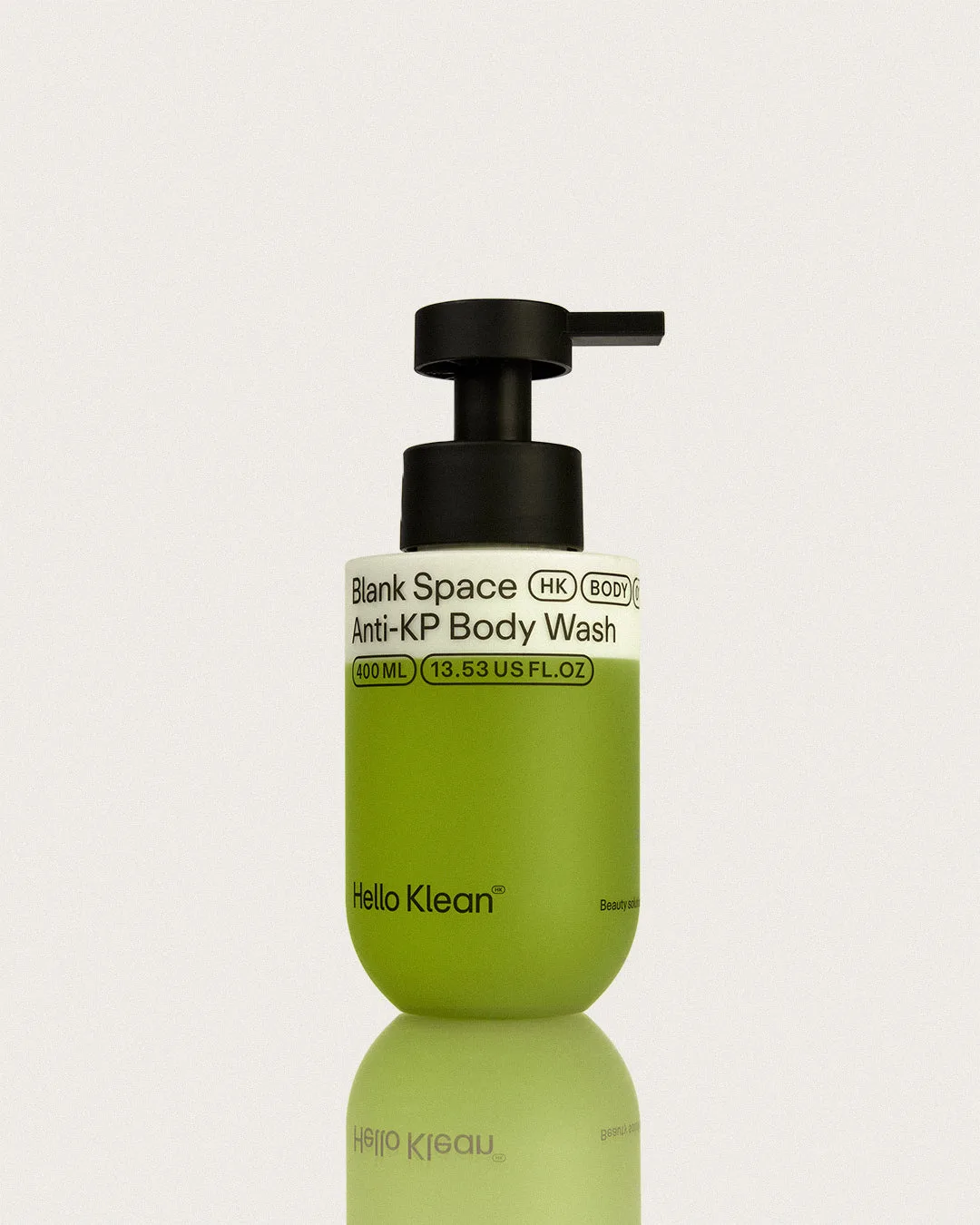
Blank Space Anti-KP Body Wash
What Causes Keratosis Pilaris on Arms and Legs?
Keratosis pilaris is caused by a buildup of keratin—a protein that protects your skin from infection—inside hair follicles. This buildup forms a plug that blocks the follicle opening, leading to those characteristic small, rough bumps. KP is most common on the upper arms, thighs, and sometimes the buttocks or cheeks. It tends to run in families and is often associated with dry skin or conditions like eczema.
While the exact cause isn't fully understood, factors like genetics, dry climate, and hard water can worsen KP. Hard water contains high levels of calcium and magnesium, which can leave a residue on your skin and hair, further clogging follicles and exacerbating bumpiness. That's why many people find that using a shower filter or switching to a gentle, hydrating body wash helps improve their KP symptoms over time.
- KP is not a sign of poor hygiene—it's a genetic condition that can be managed with consistent care.
- Avoid harsh scrubbing or picking at bumps, as this can cause irritation or scarring.
Key Ingredients to Look for in a KP Treatment Body Wash
When choosing a body wash to treat keratosis pilaris, look for ingredients that gently exfoliate and moisturize without stripping your skin's natural barrier. Salicylic acid is a beta-hydroxy acid (BHA) that penetrates deep into pores to dissolve keratin plugs. Lactic acid and glycolic acid are alpha-hydroxy acids (AHAs) that exfoliate the skin's surface while also attracting moisture. Urea is another effective ingredient that softens and loosens rough, dry skin.
One standout product is the Blank Space Anti-KP Body Wash, which combines salicylic acid with hydrating agents to gently exfoliate and smooth bumpy skin on arms and legs. It's designed specifically for KP-prone skin, making it a convenient addition to your daily shower routine. For best results, use it consistently and follow up with a lightweight, non-comedogenic moisturizer.
- Salicylic acid (0.5-2%) helps unclog pores and reduce bumps.
- AHAs like lactic acid improve texture and hydration.
- Avoid body washes with sulfates or heavy fragrances that can dry out skin.
How to Treat Keratosis Pilaris on Arms and Legs: Step-by-Step Routine
Treating KP requires patience and a consistent routine. Start by using a gentle, exfoliating body wash like the Blank Space Anti-KP Body Wash in the shower. Apply it to damp skin with your hands or a soft cloth, massaging in circular motions for about 30 seconds on affected areas. Rinse with lukewarm water—hot water can strip moisture and worsen dryness. Limit showers to 10 minutes to prevent irritation.
After showering, pat your skin dry (don't rub) and apply a moisturizer that contains ceramides, shea butter, or urea to lock in hydration. For extra exfoliation, you can use a soft body brush once or twice a week before showering. Avoid physical scrubs with large, jagged particles, as they can cause micro-tears. Over time, you should notice fewer bumps and a smoother texture on your arms and legs.
- Exfoliate 2-3 times per week with a chemical exfoliant (not physical scrubs).
- Moisturize immediately after showering while skin is still slightly damp.
- Be consistent—KP often takes 4-6 weeks of regular care to show improvement.
Lifestyle Tips for Managing KP Long-Term
Beyond your shower routine, a few lifestyle adjustments can help keep KP under control. Humidifiers add moisture to dry indoor air, which can reduce skin dryness and flaking. Wearing loose, breathable fabrics like cotton can also minimize friction on sensitive areas. If you have hard water at home, consider installing a shower filter to remove excess minerals that can clog pores and exacerbate KP.
Diet may also play a role—some people find that increasing omega-3 fatty acids (found in fish, flaxseed, and walnuts) and staying hydrated helps improve skin texture. While there's no cure for KP, these small changes, combined with a targeted body wash and moisturizer, can make a significant difference in the appearance and feel of your skin.
- Use a humidifier in dry climates or during winter months.
- Choose fragrance-free laundry detergents to avoid irritation.
- Stay hydrated and eat a balanced diet rich in healthy fats.
When to See a Dermatologist for KP
For most people, keratosis pilaris can be managed effectively with over-the-counter products and a consistent routine. However, if your KP is severe, red, itchy, or doesn't improve after several months of home care, it's worth consulting a dermatologist. They may prescribe a stronger topical treatment, such as a prescription-strength retinoid or corticosteroid cream, to reduce inflammation and speed up cell turnover.
A dermatologist can also help rule out other skin conditions that mimic KP, such as eczema, folliculitis, or psoriasis. If you experience pain, oozing, or signs of infection, seek medical attention promptly. Remember, KP is a chronic condition that may flare up during dry seasons or times of stress, but with the right approach, you can keep it under control and enjoy smoother, more comfortable skin.
- See a dermatologist if KP is painful, itchy, or spreading rapidly.
- Prescription treatments like tretinoin can help stubborn cases.
Treating keratosis pilaris on your arms and legs doesn't have to be a struggle. With a gentle, consistent routine that includes a targeted exfoliating body wash like the Blank Space Anti-KP Body Wash, along with proper moisturizing and lifestyle tweaks, you can significantly reduce bumps and reveal smoother, healthier skin. Start your journey toward bump-free skin today and give your arms and legs the care they deserve.