Quick Answer
Most common blender problems—leaks, stuck blades, and overheating—can be fixed at home with basic tools and simple checks. Start by unplugging the blender, inspecting the gasket and blade assembly, and ensuring the jar is seated correctly. If the motor overheats, let it cool down and avoid overfilling; if the problem persists, it may be time for professional repair or replacement.
Blenders are workhorses in the kitchen, but like any appliance, they can run into issues. Whether your blender is leaking, making strange noises, or refusing to start, many problems have simple fixes you can do yourself. This guide walks you through common blender problems and step-by-step solutions, saving you time and money.
We'll cover symptoms like leaks, stuck blades, motor overheating, and more. Each section includes likely causes, corrective actions, and clear checkpoints to know when to stop or consider professional help. Remember to always unplug your blender before attempting any repair.
Blender Not Starting
If your blender won't turn on, first check the power source. Ensure the outlet is working by plugging in another device. If the outlet is fine, inspect the power cord for damage. A frayed or broken cord can prevent power from reaching the motor.
Next, check the base and jar alignment. Many blenders have safety interlocks that prevent operation if the jar isn't seated properly. Remove the jar, reposition it, and try again. Also, check the lid – some models won't start unless the lid is locked.
If the blender still doesn't start, the motor may be burnt out. This is less common but possible. At this point, consider professional repair or replacement, especially if the blender is old.
- Always unplug before inspecting.
- Test the outlet with another appliance.
- Ensure jar and lid are properly locked.
Blender Leaking
Leaks are often caused by a worn or misaligned gasket. The gasket is the rubber ring that sits between the jar and the blade assembly. Over time, it can become brittle or cracked. Inspect it for damage and replace if necessary.
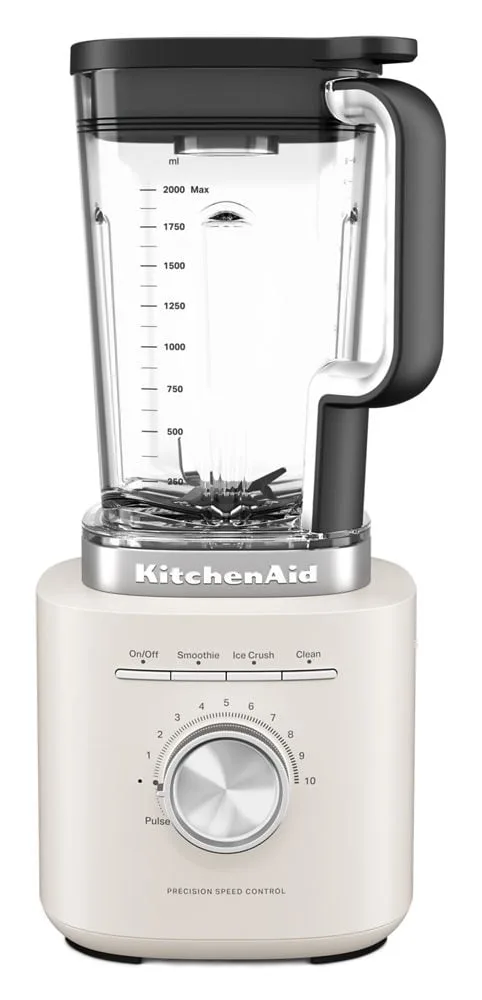
Another common cause is overfilling the jar. When you exceed the max fill line, liquid can escape through the lid or base. Always fill to the recommended level and leave room for expansion during blending.
If the leak is from the base, the jar might be cracked. Check the jar for hairline fractures, especially if you've dropped it. A cracked jar cannot be fixed and should be replaced.
- Replace gaskets every 6-12 months.
- Don't fill past the max line.
- Check for cracks in the jar.
Blade Stuck
A stuck blade often results from food particles or debris wedged between the blade and the jar. Unplug the blender, carefully remove the jar, and inspect the blade area. Use a wooden spoon or spatula to dislodge any trapped food.
Another cause is a damaged blade assembly. If the blades are bent or dull, they may not spin freely. In this case, you may need to replace the blade assembly. Check if your model allows for replacement; some blenders have replaceable blade units.
If the blade still won't turn, the motor may be the issue. Listen for a humming sound – if you hear it but the blade doesn't move, the drive coupling might be stripped. This part connects the motor to the blade and can wear out over time.
- Never use metal utensils in the jar.
- Check the drive coupling for wear.
- Replace blade assembly if damaged.
Motor Overheating
Blenders can overheat if used for extended periods or when blending thick mixtures. Most blenders have a thermal cutoff that shuts off the motor to prevent damage. If your blender stops suddenly, let it cool down for 15-20 minutes before resuming.
To prevent overheating, avoid overfilling the jar and use the pulse function for tough ingredients. Also, ensure the vents on the base are not blocked. Keep the area around the blender clear to allow proper airflow.
If the motor overheats frequently, it may be a sign of a failing motor or worn bearings. In such cases, professional repair might be more cost-effective than replacing the blender, especially for high-end models.
- Don't run the blender for more than 60 seconds at a time.
- Use pulse for thick mixtures.
- Keep vents clear.
Diagnosis Guide
- Blender not starting: Check power source, cord, jar alignment, and lid lock. If all are fine, motor may be faulty. If motor is faulty, consider repair or replacement.
- Blender leaking: Inspect gasket, overfilling, and jar cracks. Replace gasket or jar as needed. If jar is cracked, replace immediately to avoid injury.
- Blade stuck: Remove debris, check blade assembly, and inspect drive coupling. If drive coupling is stripped, replace part or seek professional help.
- Motor overheating: Let blender cool, avoid overfilling, and ensure vents are clear. If frequent, motor may be failing. If overheating persists, consult a technician.
KitchenAid Blender Options
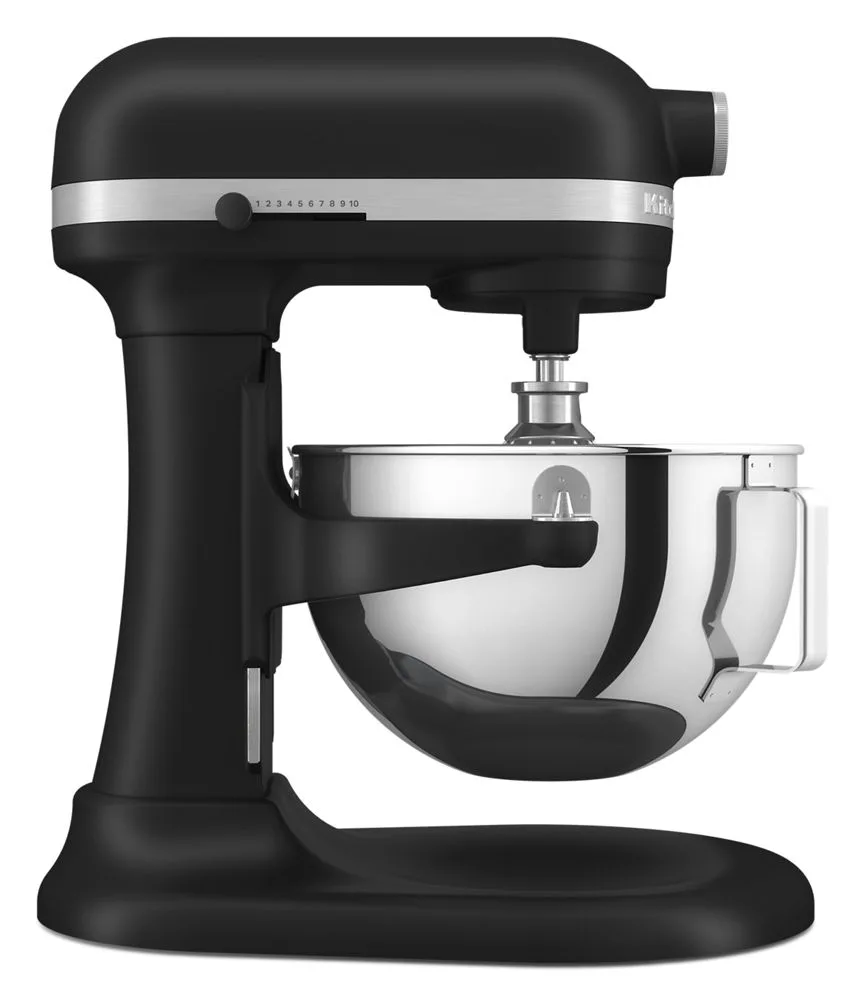
- https://kitchenaidshops.com/products/contour-silver-75979https://kitchenaidshops.com/products/contour-silver-76081https://kitchenaidshops.com/products/contour-silver-76089https://kitchenaidshops.com/products/contour-silver-76093Contour Silver: The KitchenAid Contour Silver Stand Mixer brings a refined, classic look to your countertop. Its sleek silver finish complements any kitchen decor while delivering reliable performance for all your mixing needs. While not a blender, this stand mixer offers a durable alternative for tasks like mixing dough, reducing wear on your blender.
- Black Matte: The KitchenAid Black Matte Hand Mixer combines a sleek, modern finish with the reliable performance you expect from KitchenAid. This hand mixer is designed to help you mix, whip, and blend ingredients with ease, making it a versatile addition to your kitchen tools. A hand mixer can handle lighter blending tasks, giving your blender a break and preventing overheating.
With these troubleshooting steps, you can resolve many common blender issues without professional help. Regular maintenance, like cleaning and replacing parts, can extend your blender's life. If problems persist, don't hesitate to contact KitchenAid support or consider a replacement. Happy blending!