Quick answer
Use a 2.5% glycolic facial scrub on clean, damp skin at night, one to two times per week. Massage gently for 30–60 seconds, rinse thoroughly, and follow with a fragrance-free moisturizer. Skip other exfoliating acids on the same night and reduce frequency if you feel stinging, tightness, or flaking.
Why the 2.5% strength matters
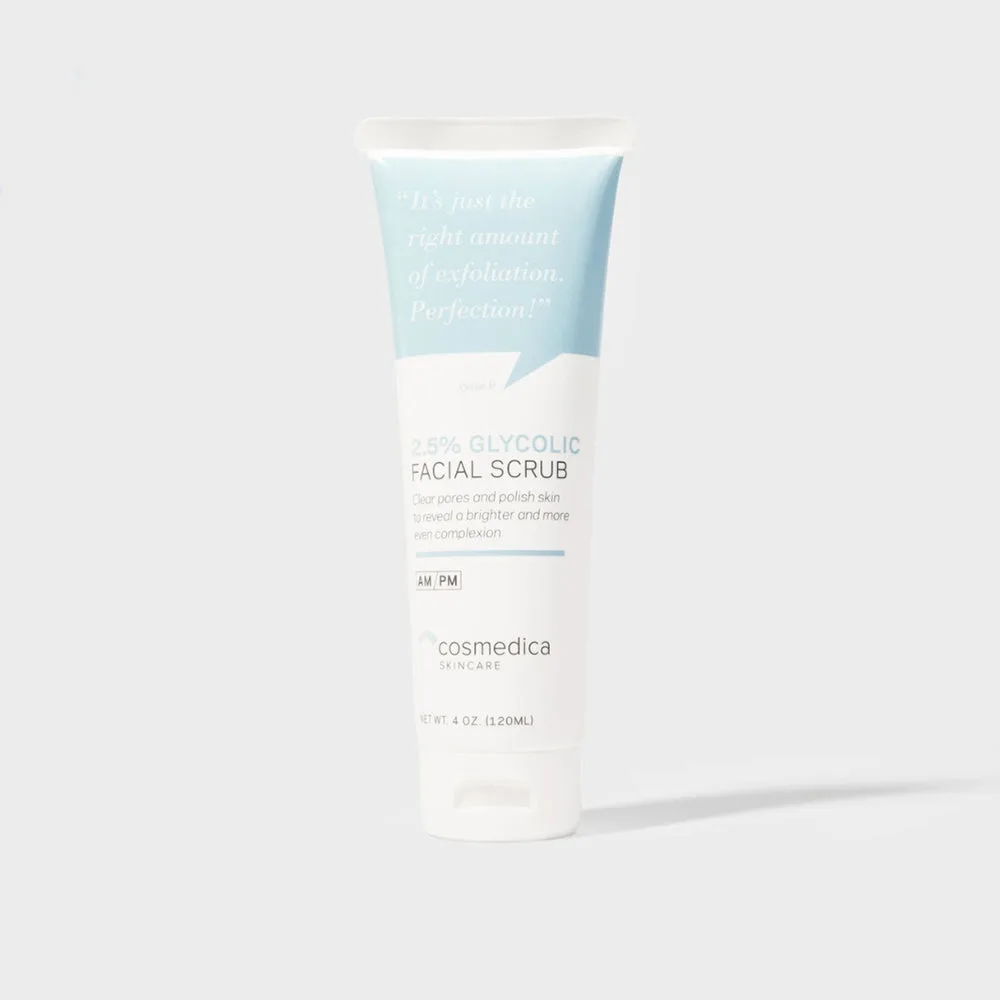
A 2.5% glycolic acid scrub sits at the gentler end of at-home exfoliants. Glycolic acid is an alpha-hydroxy acid that helps lift dull surface cells, and at 2.5% it is mild enough for many people to use without the burning or peeling that stronger peels can cause. The scrub format adds physical exfoliation, so the main risk is over-scrubbing rather than the acid itself. Treat it as a surface refresher, not a deep resurfacing treatment.
How to fit it into your routine
Cleanse first with a mild cleanser, then apply the scrub to damp skin. Damp skin helps the product spread evenly and reduces friction. Use light, circular motions with your fingertips, avoiding the eye area and any broken skin. Rinse with lukewarm water until no grit remains, then pat dry. Follow immediately with a hydrating serum and moisturizer to support the skin barrier. On the same night, skip retinol, benzoyl peroxide, and other acids such as salicylic or lactic acid.
Adjusting for sensitive skin
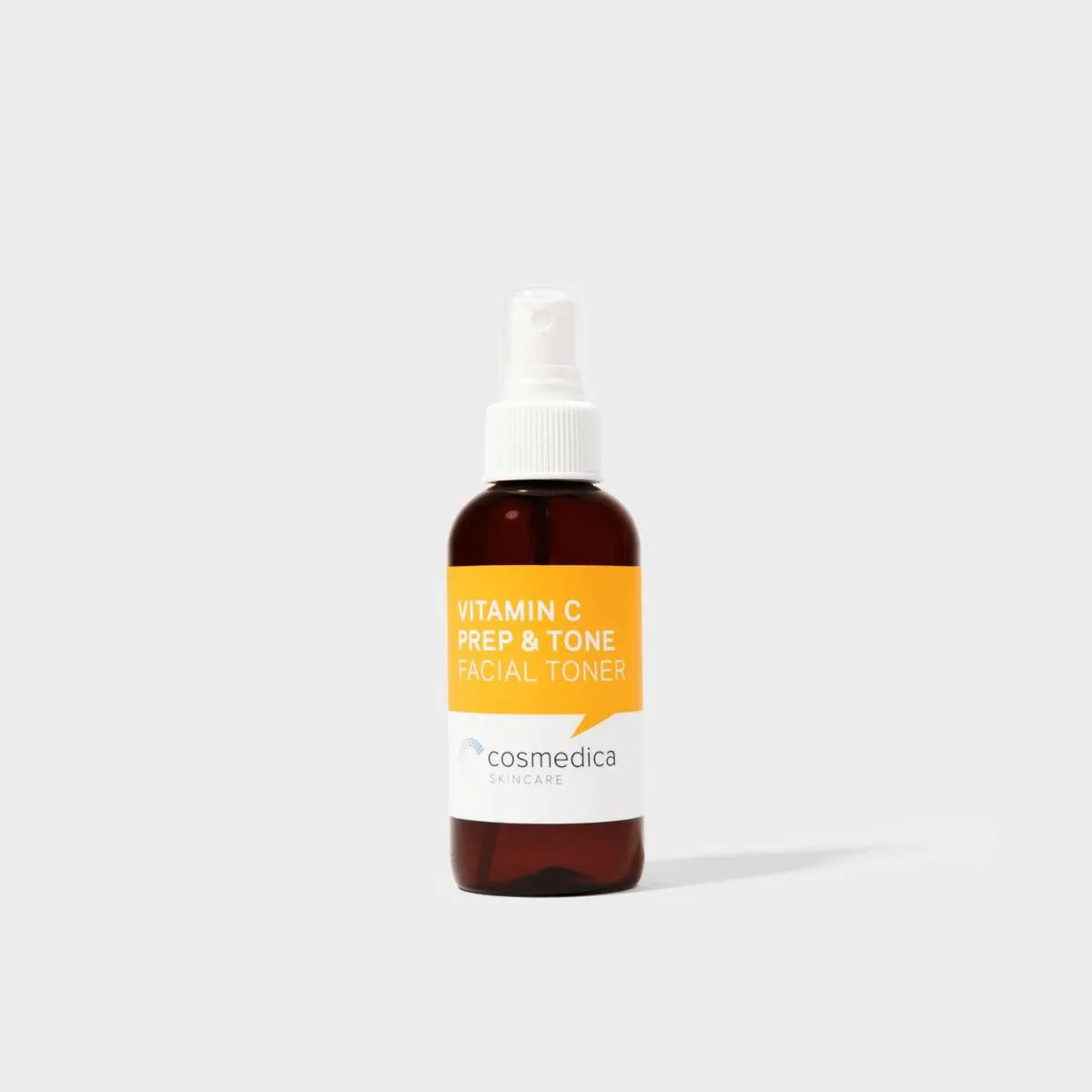
If your skin is reactive, start with once every 10 days and use less pressure. You can also buffer the scrub by mixing a small amount with a gentle cleanser, which lowers the effective concentration and shortens contact time. Avoid combining it with hot water, washcloths, or facial brushes. If you use a vitamin C toner or serum in the morning, keep the scrub for evening to reduce the chance of cumulative irritation.
Step-by-step: using a 2.5% glycolic facial scrub
- Start with a clean, damp face: Wash with a gentle cleanser and leave your skin slightly damp. Apply a nickel-sized amount of the 2.5% glycolic facial scrub to your fingertips. Common mistake: applying to dry skin, which increases friction and makes you scrub harder than needed.
- Massage gently for 30–60 seconds: Use light, upward circular motions across your forehead, cheeks, nose, and chin. Avoid the eye area, active breakouts, and any irritated patches. Checkpoint: if you feel stinging, stop early and rinse. A mild tingle is normal; pain is not.
- Rinse thoroughly with lukewarm water: Keep rinsing until no scrub particles remain. Hot water can strip oils and worsen redness, so keep the temperature lukewarm. Common mistake: leaving residue behind, which can cause dryness or clogged pores.
- Pat dry and moisturize immediately: Apply a hydrating serum, then a moisturizer. If you use a vitamin C toner, save it for the morning to avoid layering too many actives at once. Checkpoint: your skin should feel soft, not tight. Tightness means you either scrubbed too long or need a richer moisturizer.
- Repeat once or twice a week: For most skin types, one to two uses per week is enough. If you have sensitive skin, begin with one use every 10 days and build up only if your skin stays calm. Common mistake: exfoliating daily. More frequent use does not speed up results and often backfires.
- Pause if your skin complains: Stop using the scrub if you notice persistent redness, flaking, burning, or breakouts along the jawline. Wait until your skin returns to normal before trying again. Next step: if irritation continues, switch to a gentler exfoliation method or consult a dermatologist.
Product facts that support this routine
- 2.5% Glycolic Facial Scrub: Cosmedica Skincare's 2.5% Glycolic Scrub is formulated with nourishing plant extracts to bolster new skin cell growth and moisturizing. The plant extracts and moisturizing base can make the scrub feel less stripping than a plain acid exfoliant, which helps when you are building a once- or twice-weekly routine.
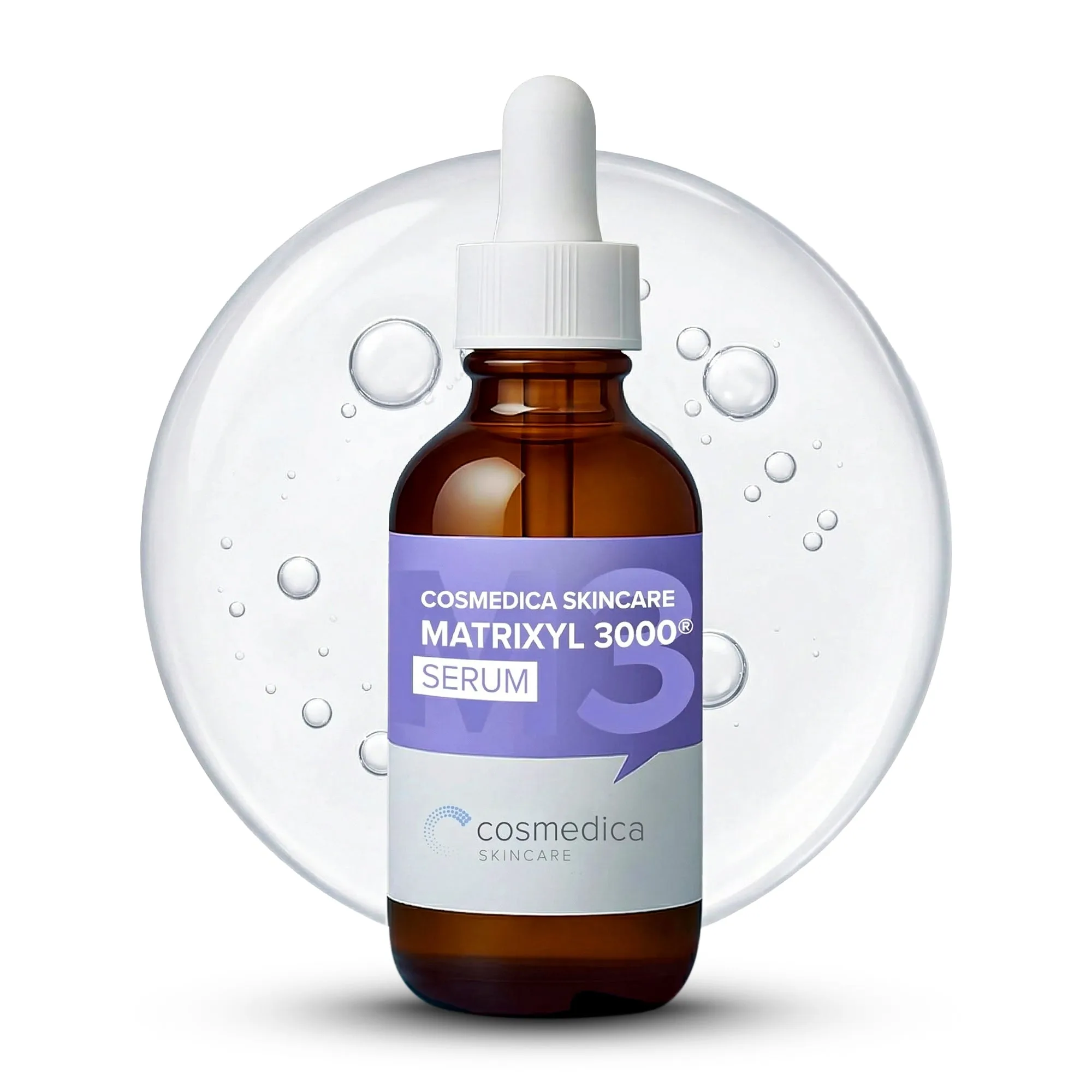
- Cosmedica Skincare Matrixyl 3000 Peptide Serum with Hyaluronic Acid | Hydrating Lightweight Face Serum for Sensitive Skin | Firming Serum with Aloe Vera Vitamin E | 2oz: This advanced serum combines clinically recognized peptides with hyaluronic acid to deeply hydrate and lift, reducing fine lines and wrinkles for a smoother, more youthful complexion. Using a hydrating peptide serum after the scrub can help offset the temporary dryness that exfoliation can cause, especially if you are prone to tightness.
- Vitamin C Prep & Tone Facial Toner: The Vitamin C Prep & Tone is antioxidant rich in Vitamin C and will not only tone and brighten your skin, but also protect it. This toner also restores skin's natural pH levels quicker, which helps prepare the skin to receive moisture and vital. A pH-restoring toner used on non-scrub mornings can keep your barrier balanced, so you are less likely to react when you do exfoliate.