Quick Answer
To safely jump-start your car with a 70mai jump starter, park safely, turn off the engine, connect the red clamp to the positive terminal and the black clamp to an unpainted metal ground, then start the vehicle. Always follow the exact cable order and wait for the ready indicator.
Why Cable Order Matters
Connecting the clamps in the wrong order can create sparks near the battery, which is dangerous because car batteries can emit flammable hydrogen gas. Always attach the red (positive) clamp first, then the black (negative) clamp to a metal ground—never directly to the negative battery terminal. This reduces the risk of sparks igniting battery gases.
Know Your Battery and Jump Starter Limits
Before you connect anything, confirm your vehicle is 12V. The 70mai Jump Starter 2 and 70mai Jump Starter PS06 are designed for 12V systems, but they differ in capacity and engine size support. The PS06 can handle larger engines (up to 8.0L gasoline and 3.5L diesel), while the Jump Starter 2 is best for standard cars. If your vehicle exceeds these limits, the jump starter may not work, and forcing it could damage the unit.
When Not to Use a Jump Starter
A jump starter is not a battery charger. It provides a burst of power to start the engine, but if your battery is completely dead or damaged, the jump starter may not help. If you see visible damage, leaks, or corrosion on the battery, or if the engine does not start after a few attempts, stop and call for professional help. Also, never use a jump starter in heavy rain or with wet hands.
Step-by-Step: Jump-Starting with a 70mai Jump Starter
- Park Safely and Turn Everything Off: Move your vehicle to a flat, stable surface away from traffic. Engage the parking brake, turn off the ignition, and switch off all electrical loads (headlights, radio, AC). Open the hood and locate the battery. Double-check that the jump starter is fully charged before you need it; keep it charged in your trunk.
- Connect the Red Clamp to Positive (+): Attach the red clamp to the positive terminal of your car battery. Ensure the clamp has a firm grip and is not touching any metal parts of the vehicle. If the positive terminal is dirty or corroded, clean it with a wire brush before clamping.
- Connect the Black Clamp to a Ground Point: Attach the black clamp to an unpainted metal part of the engine block or chassis, away from the battery and fuel lines. Do not attach it to the negative battery terminal. If the engine does not start, re-check the ground connection and ensure it is truly metal and unpainted.
- Check the Indicator and Start the Engine: Power on the jump starter and wait for the ready indicator (usually a green light). Then start your car. If it doesn't start within 3-5 seconds, stop and wait 30 seconds before trying again. Never crank the engine for more than 5 seconds at a time to avoid overheating the jump starter.
- Disconnect in Reverse Order: Once the engine runs, disconnect the black clamp first, then the red clamp. Store the jump starter in a cool, dry place and recharge it after use. Let the engine run for a few minutes to recharge the battery before driving.
70mai Jump Starters at a Glance
-
70mai Jump Starter 2: Provides a 1,000A peak current and 500A starting current, capable of jump-starting a vehicle up to 22 times on a single charge. This makes the Jump Starter 2 a reliable choice for standard cars, giving you multiple jump starts before needing a recharge.
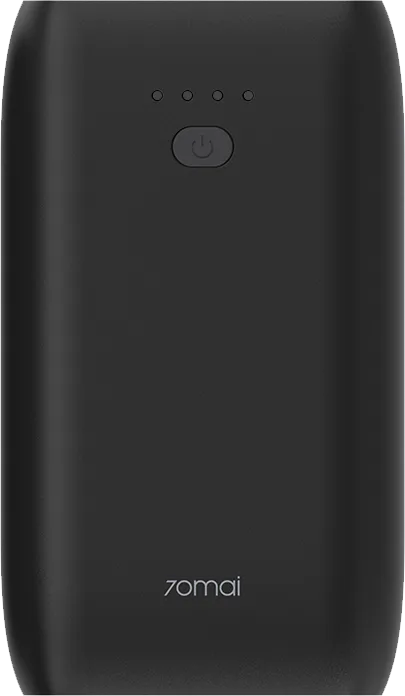
70mai Jump Starter 2
-
70mai Jump Starter PS06: Jump-start your vehicle up to 50 times, activating a completely dead battery in seconds. Compatible with 12V vehicles up to 8.0L gasoline and 3.5L diesel engines. The PS06 offers higher capacity and broader engine compatibility, making it suitable for larger vehicles like vans, pickup trucks, and SUVs.
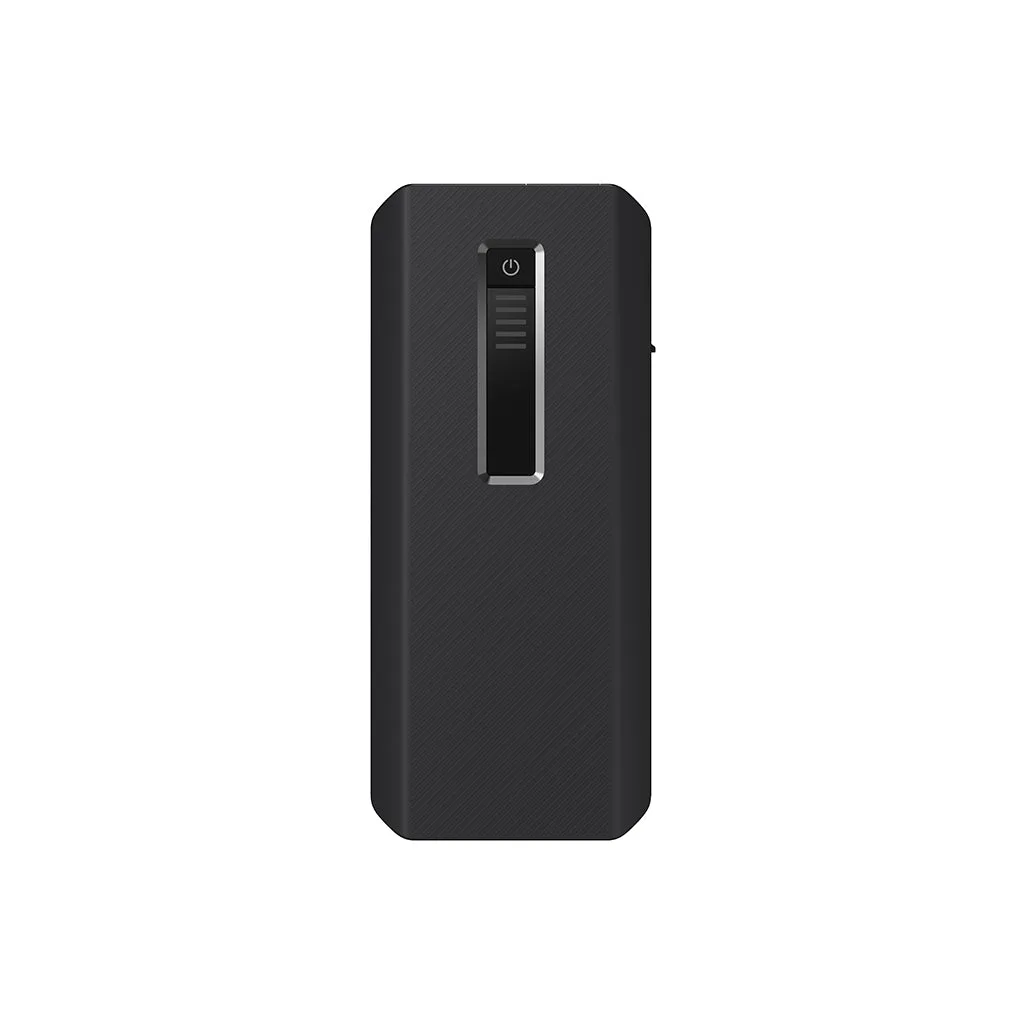
70mai Jump Starter PS06