Quick Answer
Start with the collar unweighted for short sessions, then gradually add the 5 lb weight as your dog builds strength. Always supervise and watch for signs of fatigue.
Why Use a Weighted Collar for K9 Conditioning?
A weighted dog collar adds controlled resistance during walks or training, helping build neck and shoulder muscles without the bulk of a full vest. It's a focused tool for canine strength training, especially for working dogs or active breeds that need extra conditioning. However, it's not a substitute for overall fitness—combine it with balanced exercise and proper warm-up.
When to Avoid the Weighted Collar
Do not use a weighted collar on puppies with developing bones, dogs with neck or spine injuries, or breeds prone to breathing issues like brachycephalic dogs. Always consult your vet before starting any new fitness regimen.
Step-by-Step Guide to Using a 5 lb Dog Weight Collar
- Step 1: Introduce the Collar Without Weight: Let your dog wear the collar with no weights for several short sessions (5-10 minutes) so they get used to the feel. Pair it with treats or play to create a positive association. Common mistake: skipping this step can cause resistance or stress. Wait until your dog ignores the collar before adding weight.
- Step 2: Start with Low-Intensity Walks: Add the 5 lb weight and take your dog on a short, slow walk on a flat surface. Keep the session under 10 minutes. Watch for head-drooping, excessive panting, or reluctance to move—these are signs the weight is too much. Checkpoint: If your dog seems uncomfortable, remove the weight and try again with a lighter load or shorter duration.
- Step 3: Gradually Increase Duration and Intensity: Over 2-3 weeks, slowly increase walk time by 2-3 minutes per session, up to a maximum of 20 minutes. You can also add gentle inclines for more resistance. Never use the collar for running or jumping activities. Common mistake: increasing too fast can strain neck muscles. Stick to the gradual plan and rest at least 48 hours between weighted sessions.
- Step 4: Monitor and Adjust as Needed: After each session, check your dog's neck for redness or irritation. Rotate use with unweighted days to allow recovery. If your dog shows any sign of discomfort, reduce weight or frequency. Checkpoint: A healthy dog should be energetic and eager to work. If they seem off, pause and reassess.
Featured Product
-
5 lb Dog Weight Collar: The 5 lb Dog Weight Collar is made with heavy ballistic material, padded with double-stitched seams, and faux sheepskin lined for comfort. It uses an adjustable 2-inch Hook and Loop closure, and the weights are included. This construction means the collar is durable enough for regular training sessions while the padding and lining help prevent chafing during use.
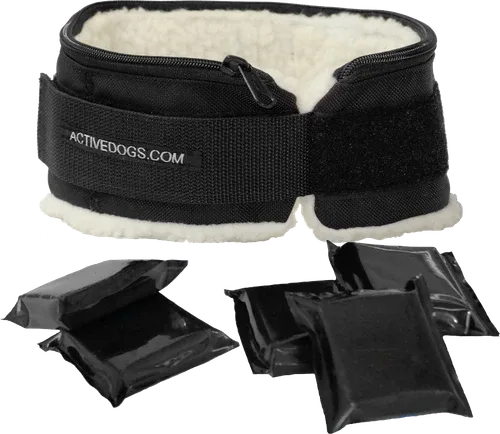
5 lb Dog Weight Collar