Quick answer
Place the sensor pad under the mattress, connect it to the monitor unit, and test the alarm before every sleep session.
Why correct placement matters
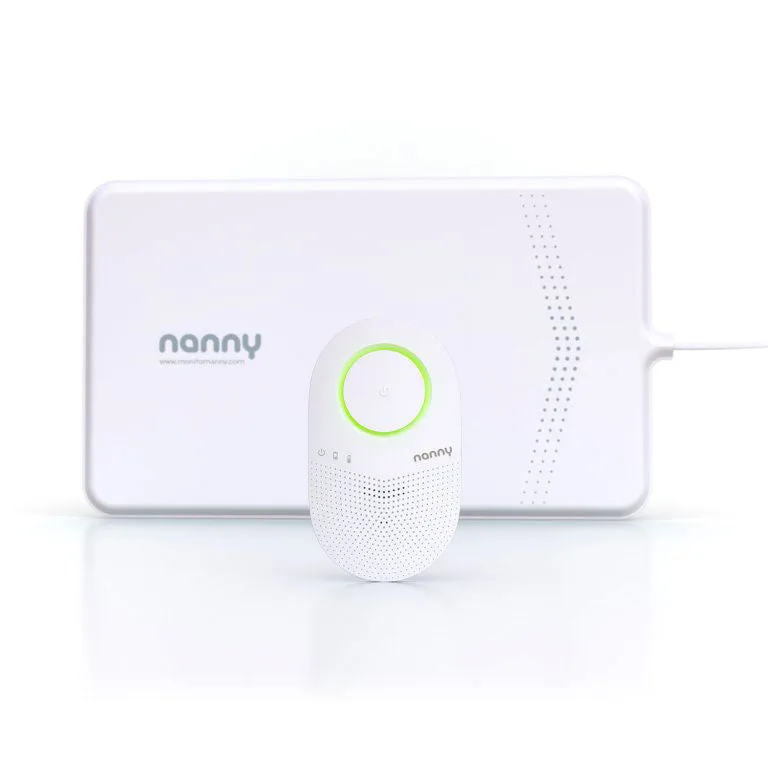
A baby breathing monitor works by detecting tiny movements from your baby's breathing. If the sensor pad is placed incorrectly, it may not pick up those movements, leading to false alarms — or worse, a missed alert. The Nanny BM-03 Medically Certified Baby Sensor Breathing Monitor uses a pressure-sensitive pad that sits under the mattress, so positioning is key.
Always place the pad flat, directly under the area where your baby's chest or back rests. Avoid folds, wrinkles, or thick mattress toppers that can dampen sensitivity.
Understanding the alarm system
Most monitors, including the Nanny BM-03, sound an audible alarm after about 20 seconds of no detected movement. This gives you time to check on your baby. A false alarm can be unsettling, but it is better to respond calmly than to disable the alarm. If false alarms happen often, recheck pad placement and mattress thickness.
Step-by-step setup guide
- Choose the right mattress: Use a firm, flat mattress that is no thicker than 15 cm (6 inches). The sensor pad needs to detect movement through the mattress; soft or thick mattresses can block the signal. Check your mattress thickness before buying a monitor. Most standard cot mattresses work well.
- Place the sensor pad correctly: Slide the sensor pad under the mattress, centered where your baby's upper body will lie. Ensure the pad lies flat with no folds or wrinkles. The cable should hang freely over the edge of the cot, not pinched between the mattress and the cot frame. A common mistake is placing the pad too low (near the feet) or letting the cable get trapped, which can cause false alarms.
- Connect and power the monitor: Plug the sensor pad cable into the monitor unit. Insert fresh batteries or connect the power adapter (if included). The Nanny BM-03 uses batteries for portability; always keep spares nearby. Test the batteries weekly. A low-battery warning often sounds differently from a breathing alarm — know the difference.
- Perform a daily alarm test: Press the test button on the monitor unit (refer to your manual). Then, place your hand gently on the sensor pad area and stop all movement for 20 seconds. The alarm should sound. If it does not, reposition the pad and retest. Never skip the daily test. A silent failure is the only real risk with these devices.
- Position the monitor unit safely: Place the monitor unit on a flat surface at least 1 meter (3 feet) from the cot, out of reach of your baby. Ensure the cable is not a strangulation hazard. Use cable clips to secure loose wires. Keep the monitor away from heat sources and water. Never place it inside the cot.
- Respond to alarms correctly: If the alarm sounds, stay calm. Check your baby visually and by touch. If your baby is breathing normally, reset the monitor and check pad placement. If your baby is not breathing, start infant CPR and call emergency services immediately. A breathing monitor is a safety aid, not a substitute for supervision. Always follow safe sleep guidelines.
Product facts
-
Nanny BM-03 Medically Certified Baby Sensor Breathing Monitor: Continuous monitoring of baby’s breathing patterns with an alarm for irregularities. You get round-the-clock alerts if breathing stops, giving peace of mind even when you are not in the same room.
Nanny BM-03 Medically Certified Baby Sensor Breathing Monitor