Quick answer
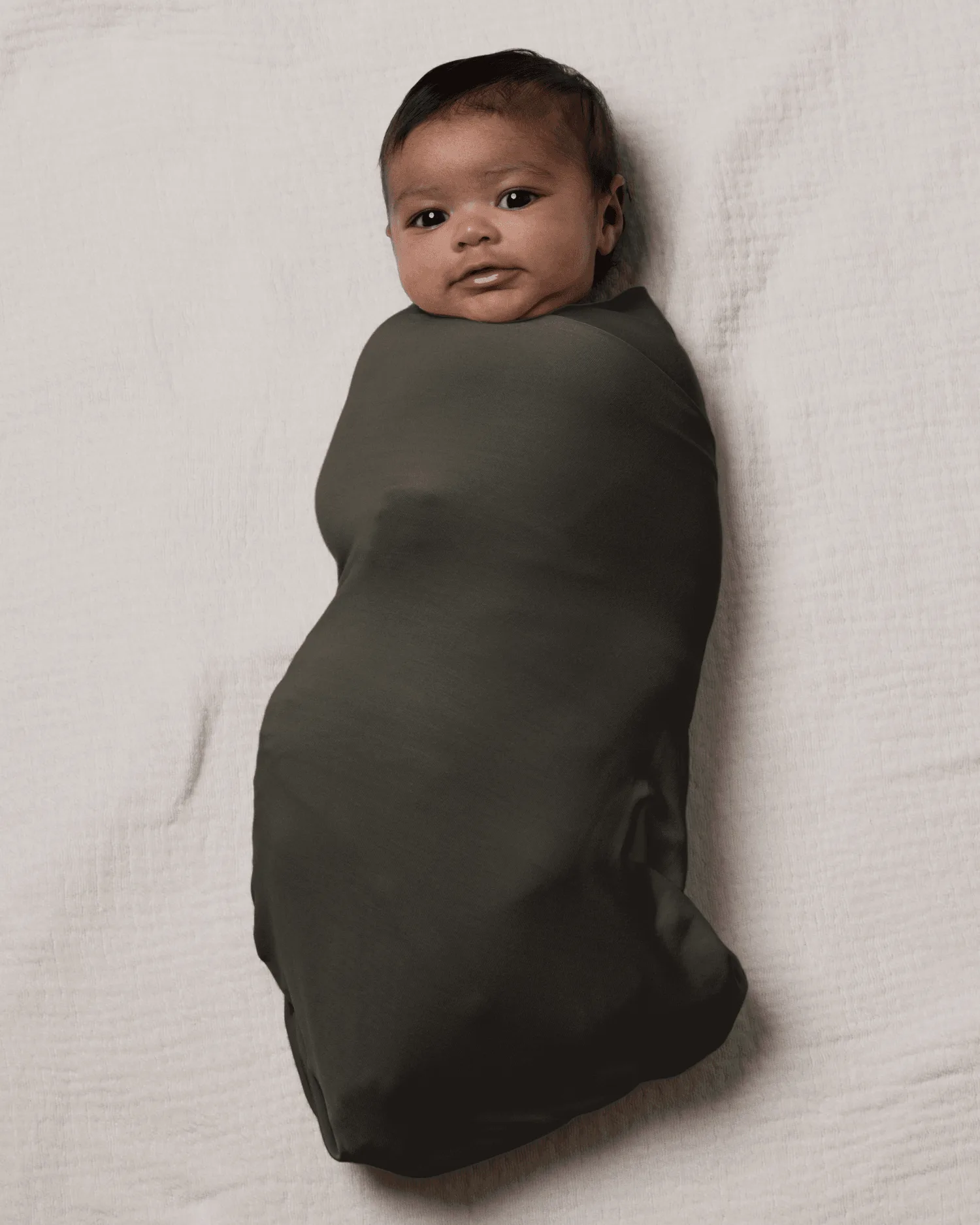
To use a baby muslin swaddle safely, choose a square wrap at least 47 inches wide, place your baby on their back, wrap snugly around the chest, and leave the hips loose. Stop swaddling once your baby shows signs of rolling.
Why swaddle size matters for safety
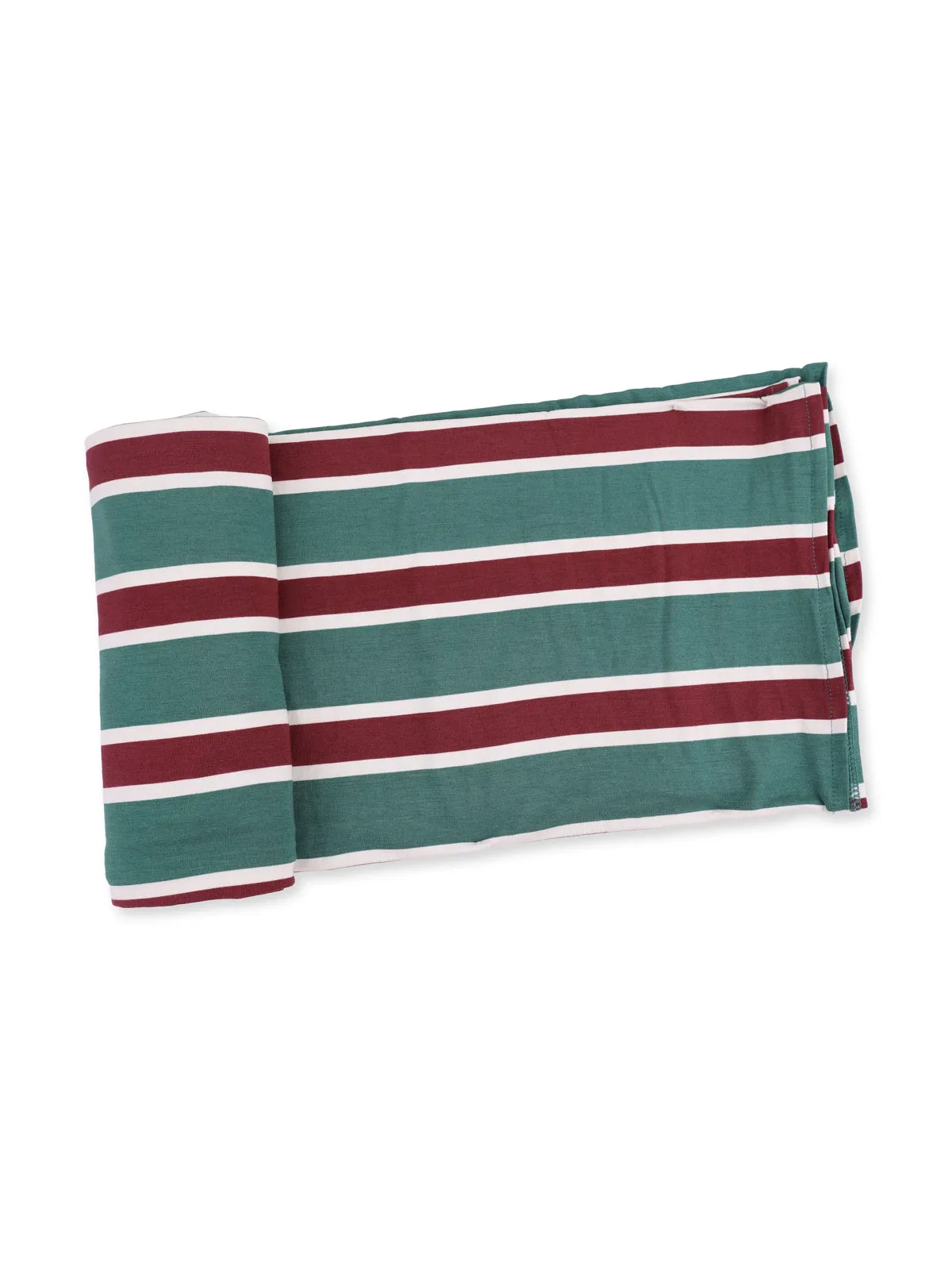
A swaddle that is too small can come loose during sleep, increasing the risk of loose fabric near the baby's face. Many hospital swaddles measure around 44 inches, which works for the first week but often becomes too snug as your baby grows. A 47-by-47-inch square gives you enough fabric to create a secure wrap that stays put through the 2 a.m. set-down — the moment every parent knows by feel.
The Tanboocel® bamboo muslin swaddle from LOULOU LOLLIPOP is designed at this larger size. The extra three inches may seem small on paper, but in practice it means the wrap stays snug without needing constant re-tucking.
When to stop swaddling
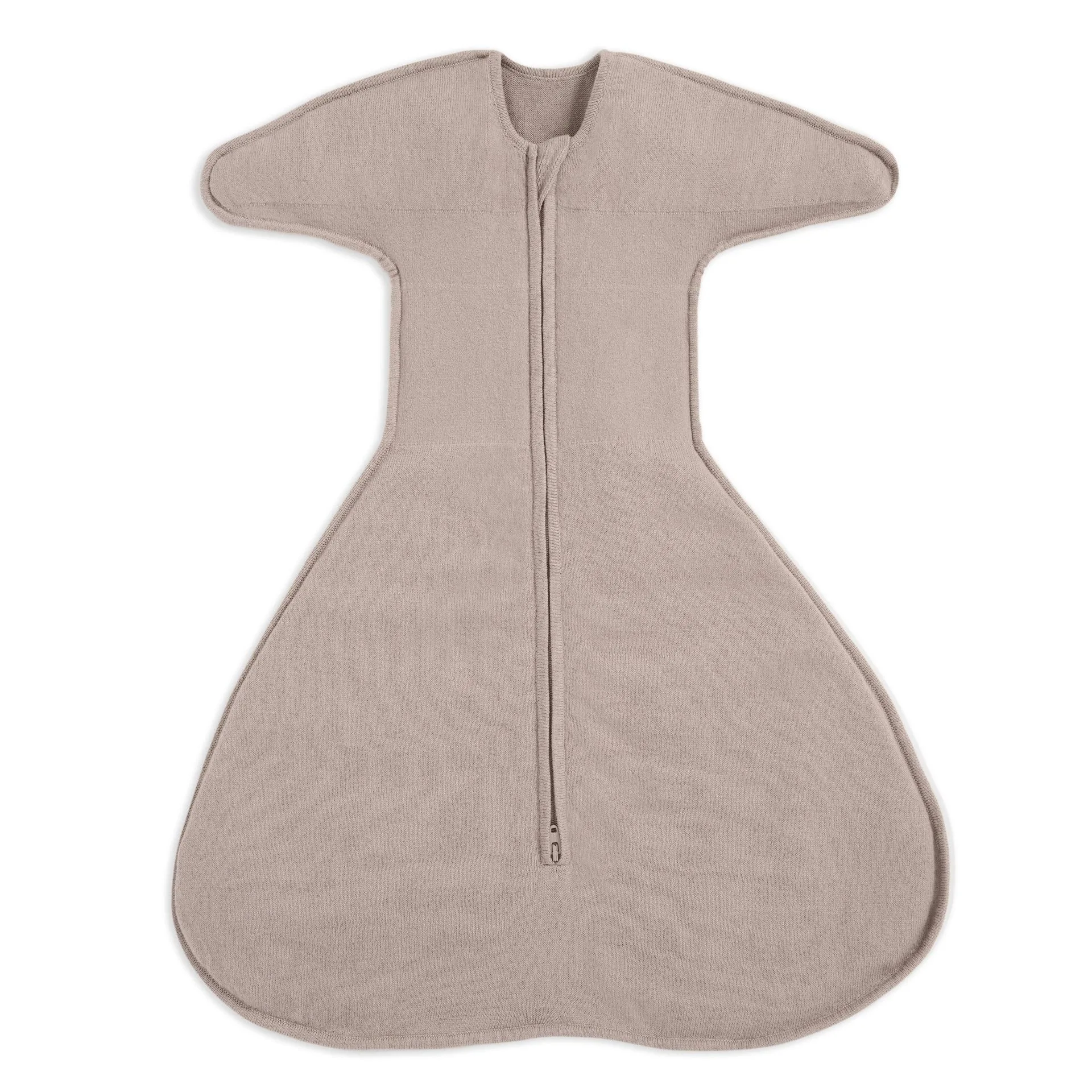
Swaddling is only safe until your baby shows signs of attempting to roll over — usually around 8 to 12 weeks. Once they can roll from back to tummy, a swaddle can restrict arm movement needed to lift their head, which raises the risk of suffocation. At that point, transition to a sleep sack or wearable blanket.
Always place your swaddled baby on their back for sleep. Never swaddle a baby who is already rolling, and never place a swaddled baby on their stomach.
Step-by-step safe swaddling technique
- Step 1: Lay the swaddle flat in a diamond shape: Fold the top corner down about 6 inches to create a straight edge. Place your baby on their back on the swaddle, with their neck aligned with the folded edge. Make sure the swaddle is fully spread out with no wrinkles or bunched fabric underneath.
- Step 2: Secure the left side across the chest: Bring the left corner of the swaddle across your baby's chest and tuck it snugly under their right arm and behind their back. Leave enough room for two fingers to fit between the fabric and your baby's chest. Too tight restricts breathing; too loose can come undone. The two-finger test is your checkpoint.
- Step 3: Bring the bottom up and tuck: Fold the bottom corner up over your baby's feet and tuck it loosely under the fabric at the chest. The hips and legs should have room to bend and move freely — never wrap them straight and tight. Tight hips increase the risk of hip dysplasia. Your baby's legs should be able to fall into a natural frog position.
- Step 4: Secure the right side across the chest: Bring the right corner across your baby's chest and tuck it snugly under their left arm and behind their back. The wrap should feel secure but not restrictive. If the fabric bunches near your baby's chin, the wrap is too high. Adjust so the fabric sits below the chin.
- Step 5: Check for safe sleep cues: After swaddling, place your baby on their back in a bare crib — no pillows, blankets, or stuffed animals. Check that the swaddle is not loose enough to shift over the face and that your baby's hips are not tightly bound. Stop swaddling immediately if your baby shows any sign of rolling, even if it's just a partial turn to the side.
Product fact
-
Baby Muslin Swaddle in Tanboocel® Viscose from Bamboo - She Shoots She Scores: The wrap measures 47 by 47 inches — the size that actually holds. Most hospital swaddles come out around 44 inches, and that small difference is exactly where a wrap goes from snug to loose at 3 a.m. The larger size means you can create a secure swaddle that stays tight through the night, reducing the need to re-wrap and lowering the chance of loose fabric near your baby's face.
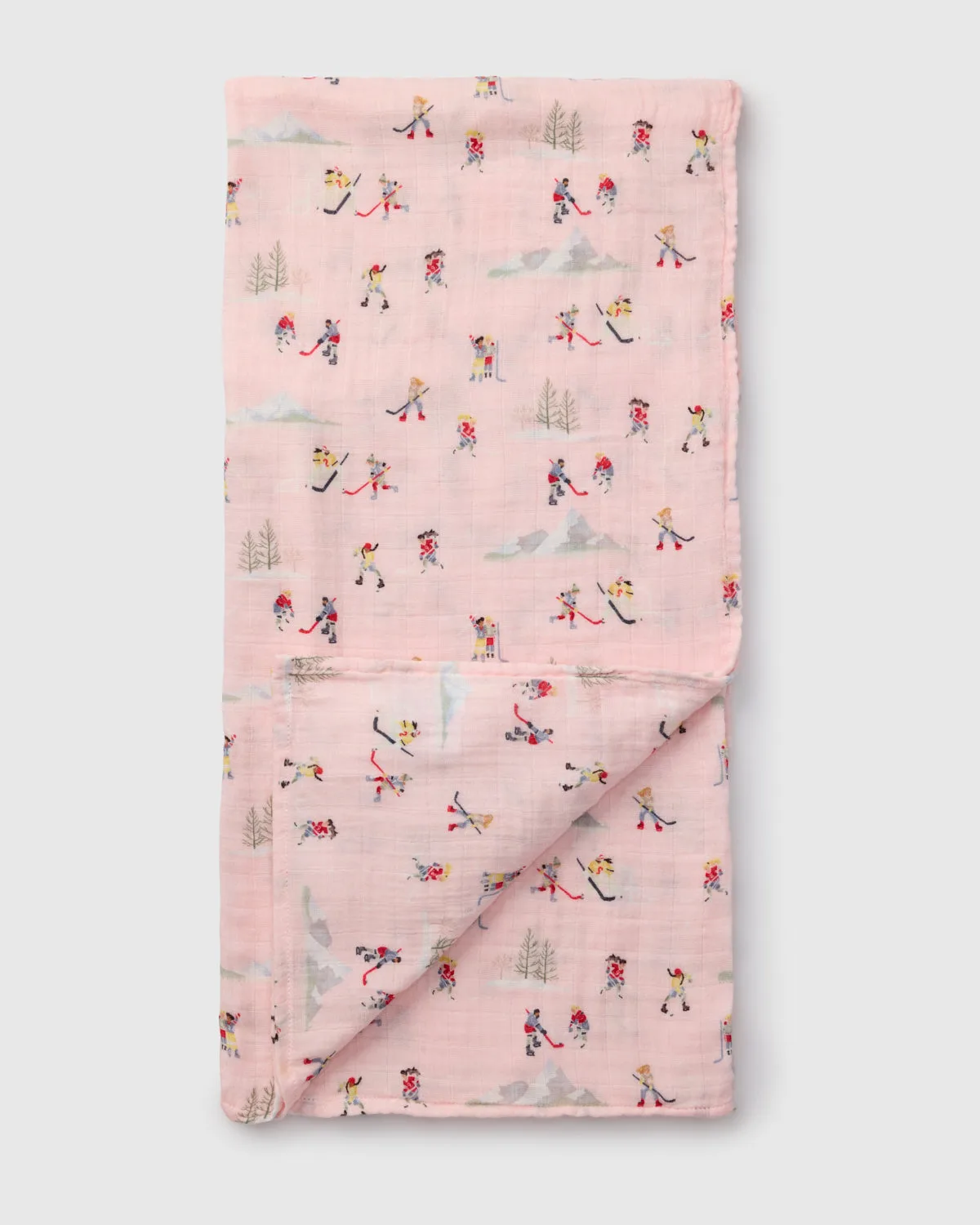
Baby Muslin Swaddle in Tanboocel® Viscose from Bamboo - She Shoots She Scores