Quick answer
Using a blue ceramic gaiwan for gong fu cha is simple: add a high ratio of tea leaves, pour hot water, steep briefly, and pour into a fairness pitcher or cup. Repeat for multiple infusions, each revealing a new layer of flavor.
Why a gaiwan works so well for gong fu cha
A gaiwan is a traditional Chinese lidded bowl that gives you complete control over steeping. The wide opening lets you see the leaves expand, and the lid lets you strain the liquor easily. Because the bowl is unglazed ceramic, it doesn't retain flavors between sessions, so you can brew puerh one day and oolong the next without cross-contamination.
The gong fu method uses a high leaf-to-water ratio and very short steeps — often 10 to 30 seconds. This technique extracts a concentrated, aromatic brew that changes with each infusion. A gaiwan's simple design makes it the ideal vessel for this style because you can pour quickly and adjust timing on the fly.
Choosing the right tea for your gaiwan
Gaiwans work especially well with whole leaf teas that unfurl and release flavor gradually. Puerh, oolong, and other premium whole leaf teas are classic choices. Avoid finely broken teas or dust-grade leaves, which can clog the lid's gap and make pouring difficult. If you want to try a flavored blend, stick to one with large leaf pieces so the water flows freely.
How to brew gong fu cha with a blue ceramic gaiwan
- Warm the gaiwan: Pour hot water (just off the boil) into the empty gaiwan, swirl it around, and discard. This preheats the ceramic so your first steep doesn't lose heat to the bowl. Skipping this step can cause your first infusion to be under-extracted.
- Add the tea leaves: Place about 5 to 8 grams of whole leaf tea (roughly 1 to 2 tablespoons) into the warm gaiwan. For most gong fu sessions, fill the bowl about one-quarter to one-third full with dry leaves. Using too little tea will result in a weak brew; too much can make the liquor bitter.
- Rinse the leaves (optional but recommended): Pour hot water over the leaves, cover with the lid, and immediately pour out the rinse water. This wakes up compressed teas like puerh and removes any dust. For oolong, it also helps the leaves begin to unfurl. Don't skip the rinse for aged or compressed teas — it improves clarity and flavor.
- First steep: Fill the gaiwan with water at the appropriate temperature (195–205°F for most oolongs and puerhs). Cover and steep for 10 to 20 seconds. Pour the liquor into a fairness pitcher or directly into your cup, tilting the lid slightly to strain the leaves. Steeping too long on the first infusion can make the tea harsh — start short and adjust.
- Repeat for multiple infusions: Add more hot water and increase the steep time by 5 to 10 seconds for each subsequent infusion. Most whole leaf teas can be resteeped 5 to 10 times, with each cup revealing a different flavor profile. If the tea tastes weak, you may have used too few leaves or too low a water temperature.
- Clean and dry the gaiwan: After your session, rinse the gaiwan with hot water and let it air dry. Do not use soap — ceramic absorbs flavors, and soap residue can ruin future brews. A quick rinse is all it needs; avoid abrasive scrubbers that could scratch the glaze.
What you need
-
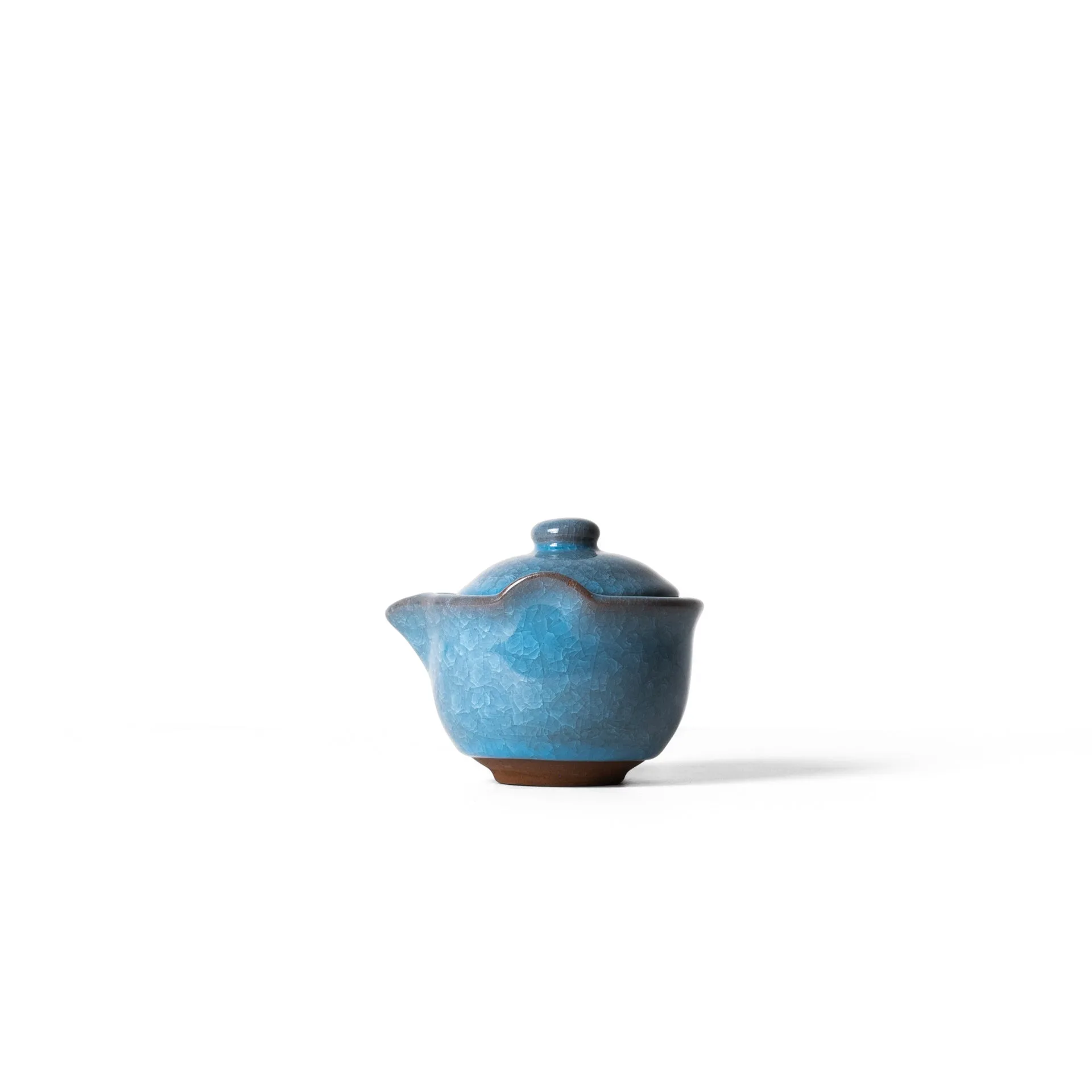
Blue Ceramic Gaiwan - Gong Fu Cha: The Blue Ceramic Gaiwan is a traditional Chinese lidded bowl designed for gong fu cha brewing — short, fast steeps with a high ratio of tea to water. Its straightforward design and ceramic construction make it an affordable, low-maintenance entry point for exploring multiple infusions of puerh, oolong, and other whole leaf teas.
Blue Ceramic Gaiwan - Gong Fu Cha