Getting Started with a Newborn Wrap
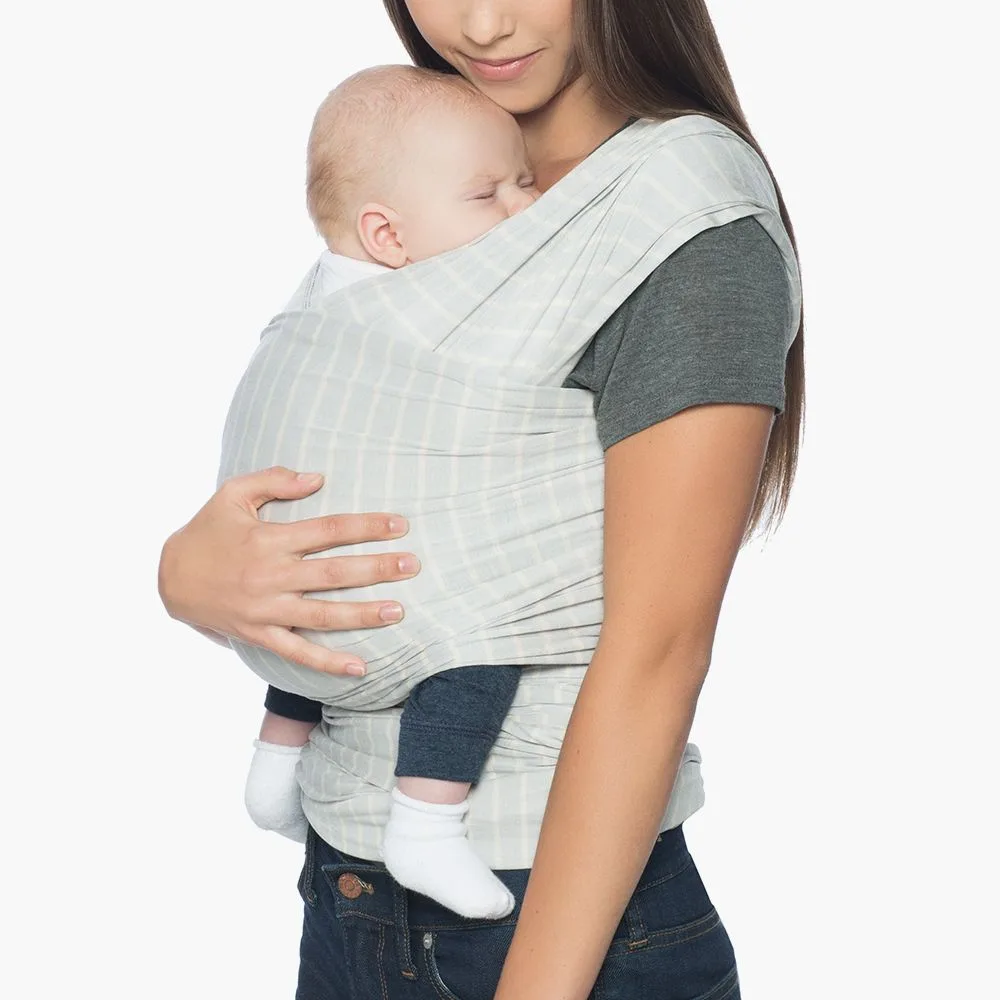
A newborn wrap is a long piece of stretchy or woven fabric that you tie around your body to create a snug pouch for your baby. The key to safe baby wearing with a wrap is achieving a secure, custom fit that supports your newborn's natural position. The wrap should be tight enough that you can lean over and your baby stays close, but not so tight that it restricts their breathing or your movement.
Before you begin, choose a wrap made from a breathable, soft fabric. The Swan - Newborn Wrap from WildBird, for example, uses CloudBlend™ fabric that is buttery soft and breathable, designed to create a secure custom fit from day one.
Key Features of the Swan Newborn Wrap
-
Swan - Newborn Wrap: Crafted from our signature CloudBlend™ fabric, it's buttery soft, breathable, and designed to create a secure, custom fit from day one. The soft, breathable fabric helps keep your newborn comfortable and reduces the risk of overheating, while the custom fit ensures the wrap stays secure as you move.
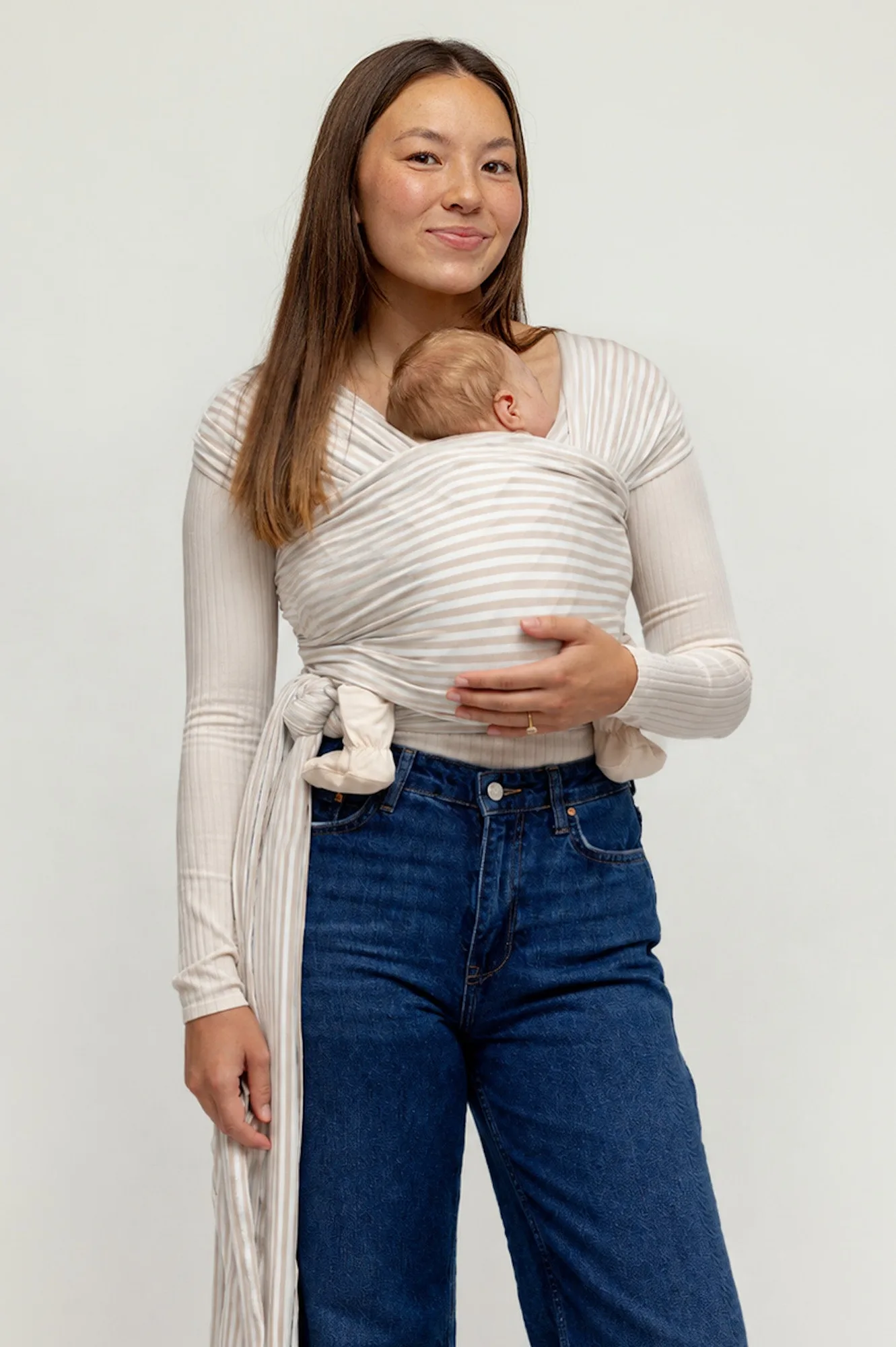
Swan - Newborn Wrap
Step-by-Step: How to Wrap Your Newborn
These steps outline a basic front wrap cross carry. Always follow the specific instructions that come with your wrap, as techniques can vary by brand and fabric.
- Find the center: Locate the center marker on your wrap (often a seam or tag). Place the center against your chest, just below your collarbone.
- Cross the ends behind your back: Bring both ends behind your back, cross them, and bring each end over your opposite shoulder. You should now have two fabric panels crossing your chest.
- Tie at the waist: Tie the two ends securely around your waist, creating a support belt. The knot should be snug but not uncomfortable.
- Create the pouch: Gather the fabric between your chest and the waist tie to form a deep, supportive pouch. The top edge should be at your collarbone, and the bottom edge should support your baby's bottom and thighs.
- Position your newborn: Hold your baby facing you, with their legs tucked in a natural 'M' position (knees higher than hips). Gently slide them into the pouch, ensuring their head is visible and their face is clear of fabric.
- Adjust the fabric: Spread the fabric across your baby's back and under their legs. The wrap should support from knee to knee, and the top edge should be at the nape of their neck. Tighten any loose fabric until the baby is snug against your body.
- Final safety check: You should be able to kiss the top of your baby's head easily. Their chin should not be tucked into their chest, and their face should be visible and clear of fabric at all times.
Tips for a Comfortable and Secure Fit
A properly wrapped newborn should feel like a secure hug. The wrap should be tight enough that there is no gap between your baby and your body. If the wrap feels loose, untie and start again. Practice in front of a mirror until you are comfortable with the technique.
Always check that the wrap fabric is not covering your baby's face. Their airway must remain clear. If you need to adjust the wrap while wearing your baby, do so with one hand supporting their head and neck at all times.
What to Look for in a Newborn Wrap
When choosing a wrap carrier, consider the fabric's breathability, softness, and how easy it is to adjust. A wrap that is too slippery may not hold its tension, while one that is too stiff may be difficult to tie comfortably. The Swan - Newborn Wrap's CloudBlend™ fabric is designed to strike this balance, offering a buttery soft feel that still holds its shape.
Also check the wrap's size. Most newborn wraps are around 5 meters long, which works for most caregivers. If you are petite or very tall, you may need a shorter or longer wrap to avoid excess fabric or insufficient support.