Quick answer
Carry a packable bag folded flat in your personal item, then unfold it when you need overflow space for souvenirs, groceries, or a wet layer. Load the heaviest items first, keep the bag under the airline's personal-item size if you plan to board with it, and refold it only after it is completely empty and dry.
A packable bag is a tool with two jobs: staying out of the way when you do not need it, and carrying a surprising amount when you do. The trick is knowing which moment calls for unfolding it, and which habits keep it from becoming dead weight.
This guide walks through the decisions in order, from choosing a bag that matches your trip to loading and refolding it so it is ready for the next run.
Match the bag to the job before you pack it
Start by deciding what the bag is for. A lightweight travel bag that lives in your carry-on for souvenir overflow needs different qualities than a packable bag for shopping at a farmers market. For travel, prioritize a bag that folds small and has a strap you can wear cross-body or over one shoulder for a full day. For shopping, prioritize a wide opening and enough structure that cans and boxes do not roll around.
Check the folded size against the space you actually have. A bag that folds to the size of a paperback can live in a front pocket; one that folds into its own pouch may be better kept in a tote or backpack. If you plan to use it as an airline personal item, compare its dimensions to the personal-item limits of the airline you fly most, since those limits vary.
- Weigh the empty bag in your hand: if it feels heavy when folded, you will notice it on a long day.
- Look for a closure you can operate one-handed, because you will often be holding something else.
Unfold it at the right moment
Unfold the bag when you have more to carry than your main bag holds, not before. At the airport, that moment is usually after security or at the gate, when you have already consolidated what you need. In a store, it is when your hands are full and you still have items to gather. Unfolding early just means you carry an empty bag around.
One common mistake is unfolding a packable bag and then overloading it before checking the seams and strap attachment points. Give the bag a gentle tug at the strap and handle before you fill it. If the stitching or hardware feels loose, keep the load light and use it as a secondary bag rather than your main carry.
- If you are using it as an under-seat bag, unfold it after you have passed the gate check, not before.
- Keep the folded pouch with the bag so you do not lose it when you need to repack.
Load it so it stays comfortable
Pack the heaviest items against the back panel or the bottom, depending on how you carry it. In a tote or shoulder bag, heavy items closest to your body reduce strain. In a duffel or sling, heavy items centered and low keep the bag from swinging. Put soft items like a jacket or scarf around hard items to stop them from poking you.
Leave the top few inches empty if you plan to add more later. A packable bag that is filled to the zipper line has no room for a last-minute purchase, and forcing the closure stresses the zipper. If the bag has an exterior pocket, use it for items you need often, such as a phone, transit card, or keys, so you are not digging through the main compartment.
- Distribute weight evenly left to right if you will carry the bag on one shoulder.
- Keep a small pouch for receipts and small items so they do not sink to the bottom.
Use it for shopping without losing track of your main bag
When you shop with a packable bag, decide before you enter the store whether it will be your only bag or a second one. If it is your only bag, wear it cross-body so both hands are free and the bag stays in front of you in crowds. If it is a second bag, keep it folded until your first bag is full, then transfer the heavier items into the packable bag so the weight is balanced.
At checkout, take a moment to close the bag fully and adjust the strap before you walk out. A packable bag for shopping often ends up holding more than expected, and a quick adjustment now prevents a strap from digging in later. If you are carrying fragile items, keep them at the top and away from the sides.
- Bring a small reusable pouch for produce or small items so they do not roll around.
- If you use a shopping cart, keep the packable bag open in the cart so you can load it as you go.
Refold and store it so it is ready next time
Empty the bag completely before you fold it. Crumbs, receipts, and a forgotten water bottle are the main reasons a packable bag stops folding flat. If the bag is damp from rain or a spilled drink, let it air dry fully before packing it away, because storing it damp can cause odors and damage the coating on some fabrics.
Fold along the original creases if the bag has them, or roll it from the bottom up and secure it with the attached strap or pouch. Store it in the same place you keep your travel documents or in the front pocket of your main bag, so you do not have to search for it on the next trip. A packable bag that is easy to find is one you will actually use.
- Shake the bag out over a trash can before folding to remove grit.
- If the bag has a stuff sack, fold it slightly narrower than the sack opening to make insertion easier.
Packable bag steps at a glance
- Choose the right bag for the trip: Pick a lightweight travel bag that folds small enough for your personal item or pocket, and check that the strap and closure suit how you will carry it. If you cannot fit the folded bag in your main carry, choose a smaller fold size or a different bag.
- Keep it folded until you need it: Leave the bag folded in your personal item or tote, and unfold it only when your main bag is full or you are ready to shop. Unfolding early means carrying an empty bag; wait for the moment you actually need capacity.
- Load heavy items first and leave room at the top: Place heavier items against your body or at the bottom, use soft items as padding, and keep the top few inches clear for later purchases. If the zipper strains, remove an item instead of forcing it closed.
- Carry it cross-body or on one shoulder and adjust as you go: Wear the bag so both hands are free in stores and crowds, and tighten the strap after loading so the bag stays close to your body. A quick strap adjustment after checkout prevents discomfort on the walk back.
- Empty, dry, and refold before storing: Remove all items, let the bag air dry if damp, then fold or roll it along its original creases and secure it with the attached strap or pouch. Store it where you keep travel documents so it is easy to find next time.
Packable-friendly products that fit these steps
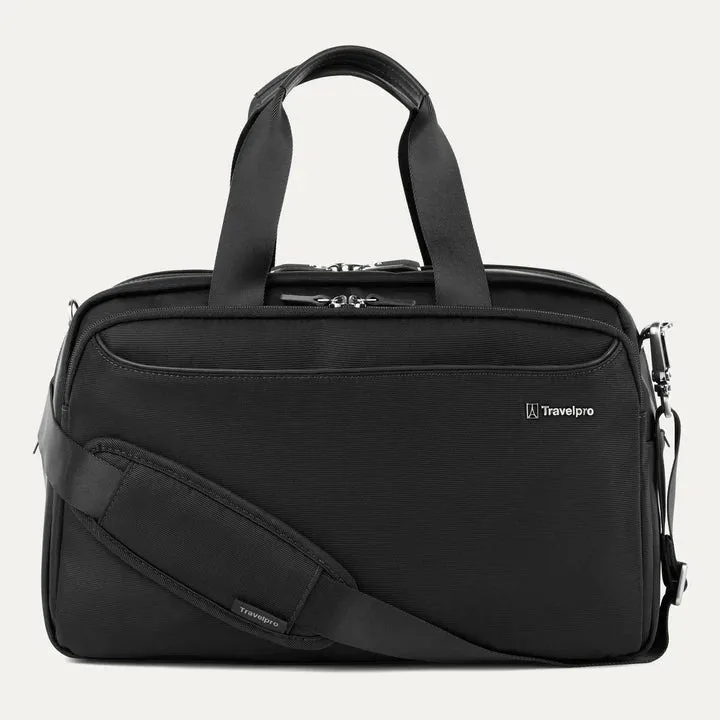
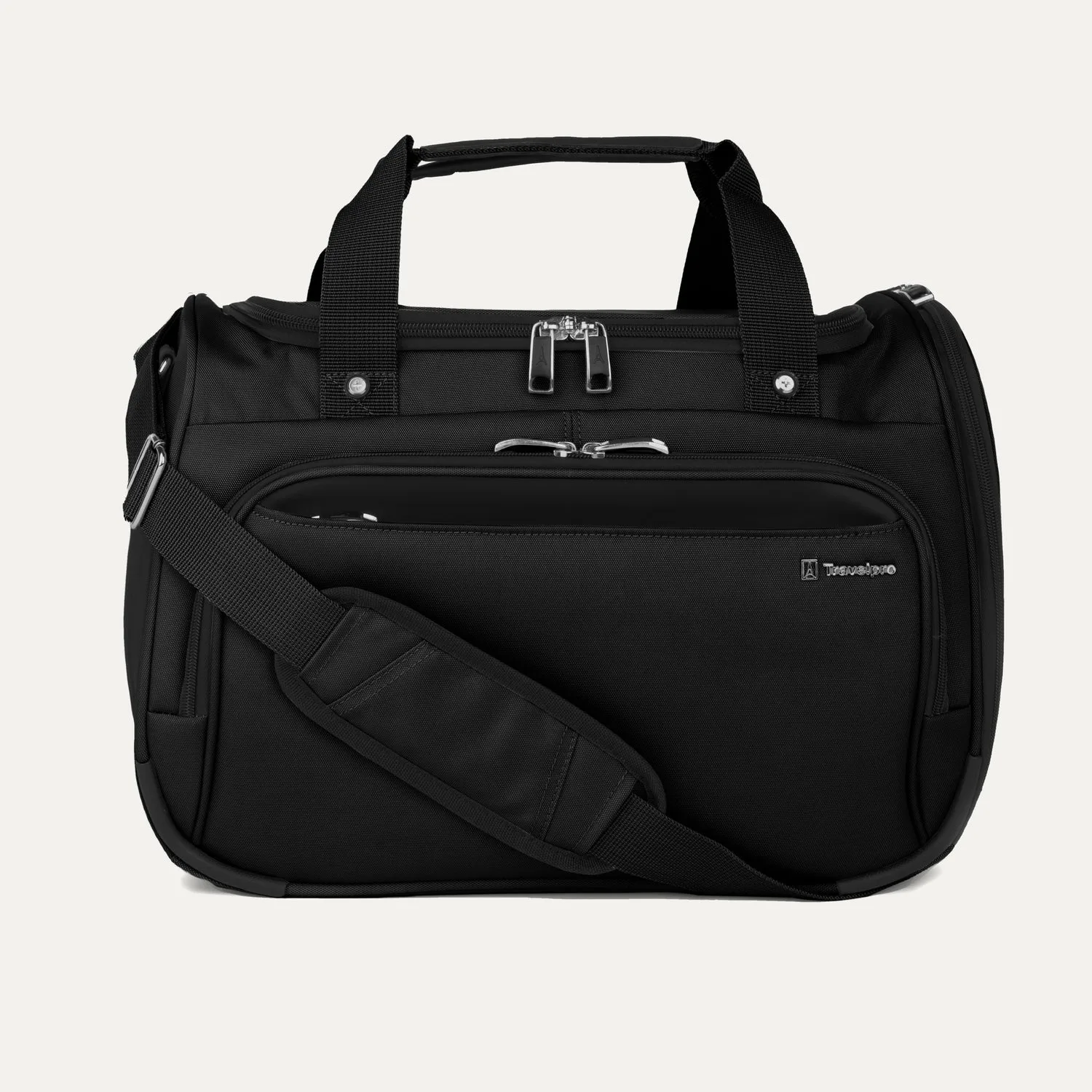
- VersaPack®+ UnderSeat Tote: Soft-sided tote with rugged, stain-resistant exterior ballistic nylon fabric and water-resistant ECOFAB interior lining, designed to fit under the seat on most airplanes. The stain-resistant exterior and water-resistant lining make it a practical overflow bag for shopping or travel days when you might set it on wet ground or pack a damp item.
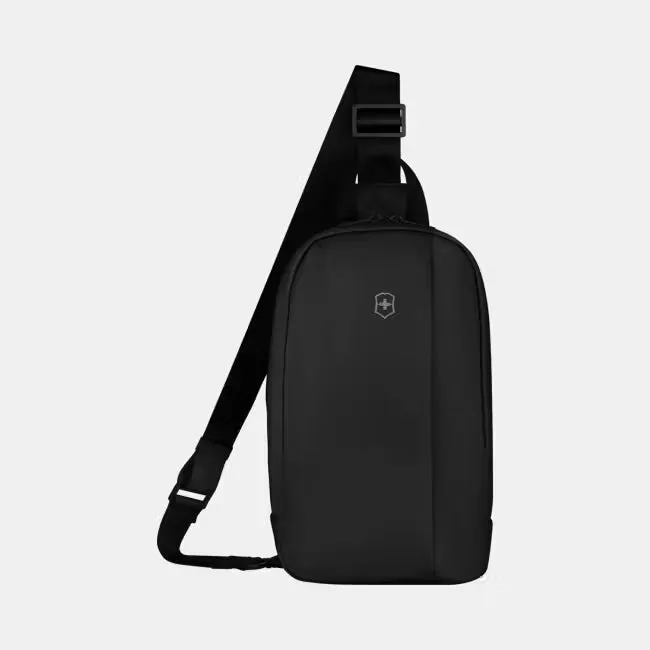
- Travel Essentials Sling Bag: Sling bag with RFID protection, antimicrobial lining, and an anti-scratch pocket. Use it as the small bag you keep on your body for valuables while the packable bag holds bulkier items, so you are not opening the main bag in crowds.
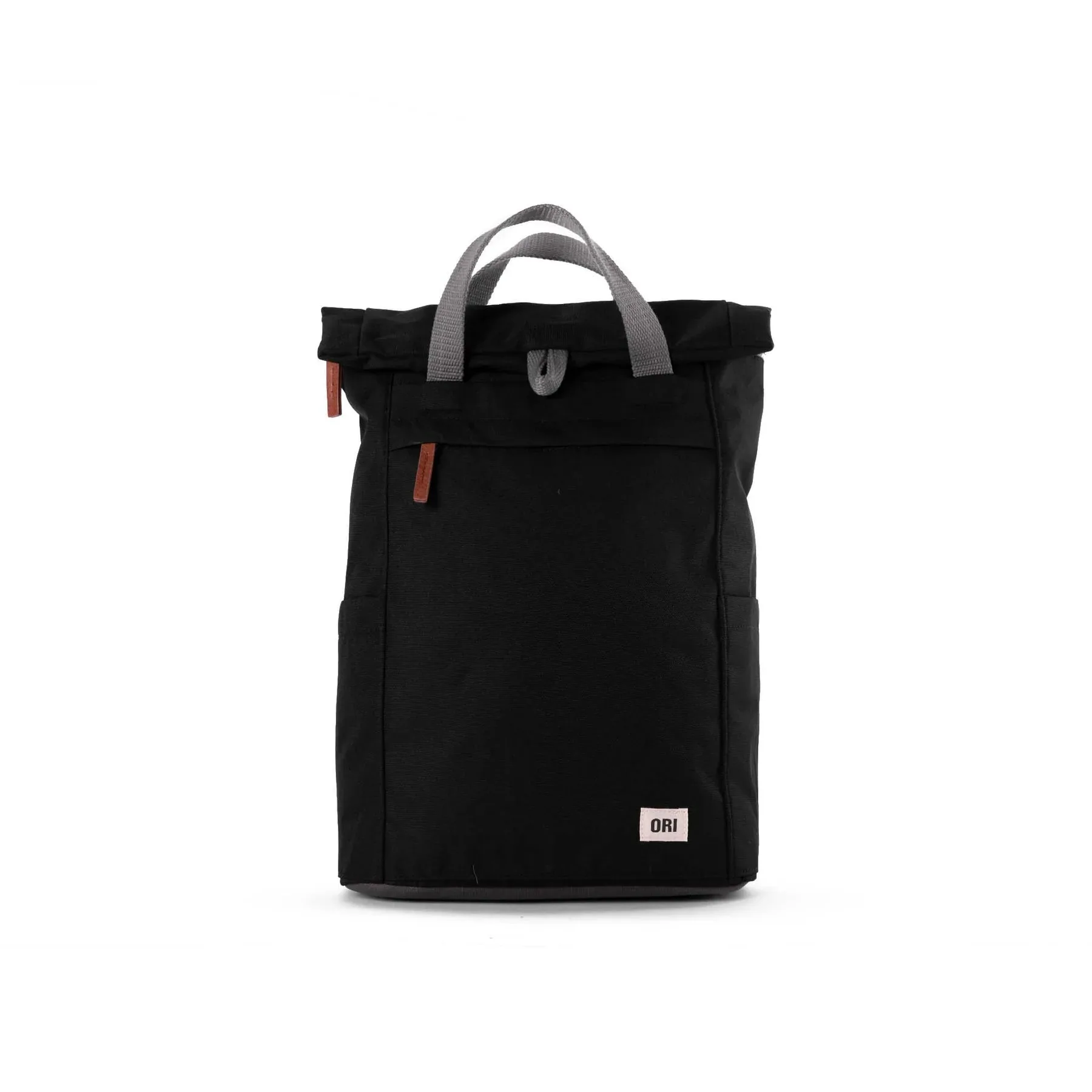
- THE FINCHLEY BACKPACK from ORI London Bag Company: Weather-resistant roll-top backpack with a large front zip pocket, padded laptop or tablet sleeve, and multiple pockets, made from rPET sustainable canvas. If you prefer a backpack as your main bag, this gives you a place to keep a folded packable bag and a laptop, with weather resistance for commutes and day trips.
A packable bag works best when you treat it as a planned overflow tool rather than an afterthought. Choose one that folds small, unfold it at the right moment, load it with weight in mind, and refold it clean and dry. Do that, and it will earn its space on every trip and shopping run.