Quick Answer
Start with a posture collar that fits snugly but allows swallowing and breathing. Wear it for short sessions, gradually increasing time, and always communicate with your partner. Choose a quality leather posture collar that is flexible enough for comfort but firm enough to maintain posture.
A posture collar is a striking piece of BDSM gear that can enhance submission, discipline, and sensory experience. Unlike a regular neck collar, a posture collar is designed to restrict neck movement, encouraging an upright posture and a feeling of vulnerability. For beginners, the key is to start slowly, prioritize safety, and understand how to wear it correctly.
This guide walks you through the safe use of a posture collar, from choosing the right one to wearing it for the first time. We'll cover common mistakes, essential tips, and how to incorporate it into your play responsibly. Whether you're exploring dominance and submission or simply curious, these steps will help you get started with confidence.
Understanding Posture Collars
A posture collar is a rigid or semi-rigid collar that wraps around the neck, often extending up towards the chin and down towards the collarbone. Its purpose is to restrict the movement of the neck, forcing the wearer to maintain an upright posture. This can create a powerful psychological effect, enhancing the feeling of control and submission.
Posture collars come in various materials, including leather, metal, and synthetic. Leather posture collars are popular for their comfort, durability, and classic aesthetic. They can be padded for extra comfort or left unpadded for a stricter feel. The height and rigidity vary, so it's essential to choose one that matches your experience level and comfort.
- Leather posture collars mold to your neck over time, providing a custom fit.
- Consider the width and height: a taller collar restricts movement more.
- Look for adjustable buckles or lacing to fine-tune the fit.
Choosing the Right Posture Collar
When selecting a posture collar, safety and comfort should be your top priorities. The collar should fit snugly around your neck without being too tight. You should be able to slide a finger between the collar and your neck. It should not restrict breathing or swallowing. The material matters: genuine leather is durable and comfortable, but it requires proper care.
For beginners, a collar with a moderate height, such as 2 to 3 inches, is a good starting point. It provides noticeable restriction without being overwhelming. Look for a collar with soft edges or padding to prevent chafing. Also, consider the closure: buckles are easy to adjust, while lacing offers a more custom fit.
- Measure your neck circumference before purchasing.
- Start with a padded or suede-lined collar for comfort.
- Avoid collars that are too stiff or tall for your first experience.
Preparing for Your First Session
Before putting on a posture collar, ensure you are in a comfortable and safe environment. Have a safeword in place and agree on a signal for non-verbal communication. It's also wise to have a pair of scissors or a quick-release buckle nearby in case of emergency. Avoid wearing the collar for long periods initially.
Start with a dry run: put the collar on for a few minutes while sitting or standing to gauge your comfort. This helps you adjust to the sensation and identify any issues with fit. Remember, the collar should not cause pain or numbness. If you feel any discomfort, remove it immediately and reassess the fit.
- Always have a safeword and a physical signal.
- Start with 10-15 minute sessions and gradually increase.
- Keep your neck and shoulders relaxed to avoid strain.
Step-by-Step Guide to Wearing a Posture Collar
Follow these steps to safely wear a posture collar. First, hold the collar open and position it around your neck, ensuring the center of the collar is at the front. Second, fasten the buckle or lacing securely, but not too tightly. You should be able to swallow comfortably. Third, adjust your posture: sit or stand tall with your shoulders back. The collar should encourage this naturally.
Fourth, move your head slowly to test the range of motion. You should feel restriction but not pain. Fifth, practice breathing deeply to ensure the collar doesn't impede airflow. Sixth, wear the collar for a short period, monitoring for any signs of discomfort. Finally, remove the collar slowly and massage your neck to restore circulation.
- Do not overtighten: the collar should not leave marks.
- If you feel dizzy or short of breath, remove it immediately.
- Stay hydrated and take breaks if wearing for extended periods.
Common Mistakes to Avoid
One common mistake is choosing a collar that is too tight, which can restrict breathing or cause dizziness. Another is wearing a posture collar for too long without breaks, leading to neck strain. Beginners often underestimate the psychological impact; the feeling of vulnerability can be intense, so it's crucial to communicate with your partner.
Avoid using a posture collar if you have neck injuries, cervical spine issues, or breathing problems. Also, never leave a person wearing a posture collar unattended. The collar can restrict movement, making it difficult to remove quickly. Always have a plan for quick release.
- Never sleep in a posture collar.
- Do not wear it while driving or operating machinery.
- Check the collar for wear and tear regularly.
Your First Posture Collar Session: Step-by-Step
- Step 1: Choose the right collar: Select a leather posture collar that fits snugly but allows a finger to slip between the collar and your neck. Ensure it's not too tall or too stiff for your experience level. Checkpoint: The collar should not press on your Adam's apple or restrict swallowing.
- Step 2: Put it on correctly: Position the collar so the center is at the front of your neck. Fasten it securely, but not tightly. You should be able to breathe and swallow normally. Checkpoint: If you feel any pressure on your throat, loosen it.
- Step 3: Test your comfort: Sit or stand upright and move your head slowly. The collar should restrict excessive movement but not cause pain. Take a few deep breaths to ensure airflow is not compromised. Checkpoint: If you feel dizzy or short of breath, remove it immediately.
- Step 4: Start with short sessions: Wear the collar for 10-15 minutes for your first few sessions. Gradually increase the time as you become accustomed. Always have a safeword and a quick-release plan. Checkpoint: Check your neck for any redness or irritation after removal.
- Step 5: End the session safely: Remove the collar slowly, supporting the weight. Gently massage your neck and shoulders to restore circulation. Hydrate and rest if needed. Checkpoint: Communicate with your partner about how the session felt.
Leather Posture Collars We Recommend
- Real Leather 5-Piece Fur-Lined Ankle Cuffs & Wrist Cuffs Restraint Bondage Set with Hogtie | Black: This set includes fur-lined wrist and ankle cuffs, but does not include a posture collar. However, the genuine cowhide leather and fur lining are similar to what you'd want in a comfortable posture collar. If you're looking for a matching set of restraints to pair with your posture collar, this set offers the same quality leather and comfort.
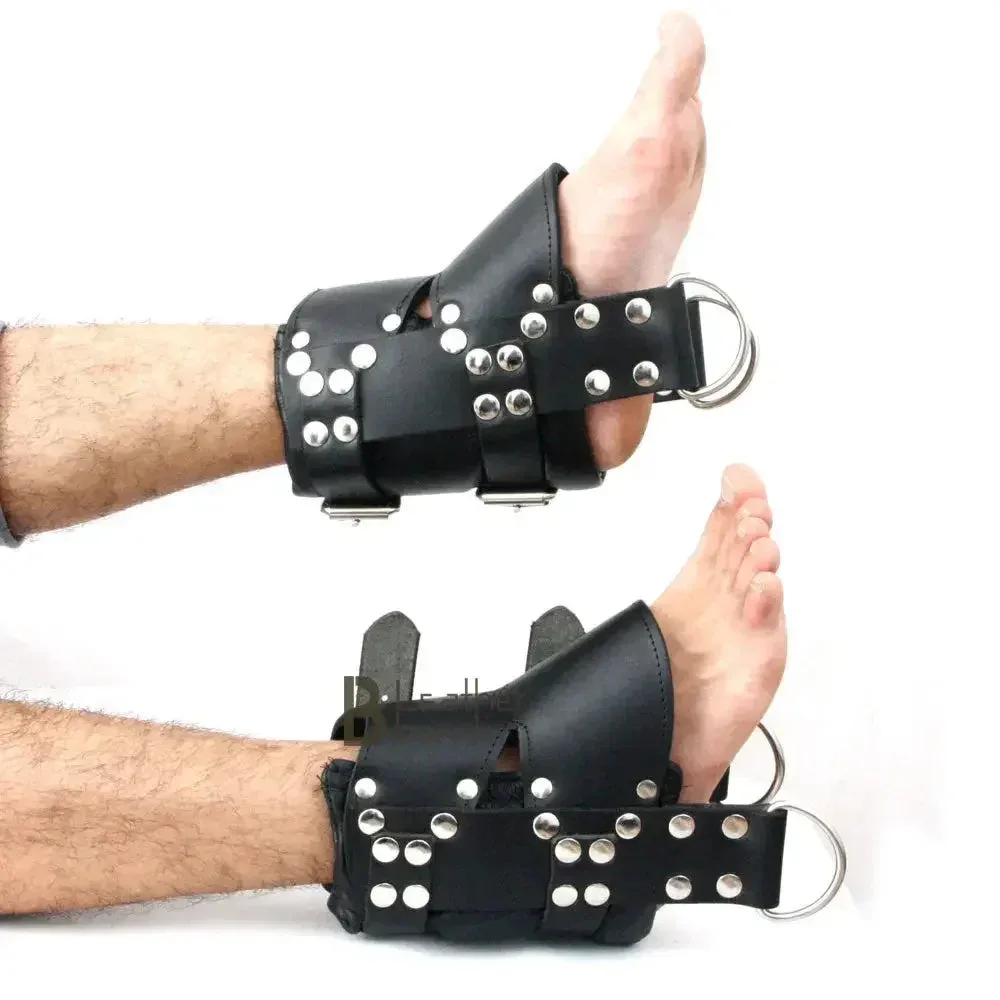
- Real Strong Leather Ankle Boot Cuffs 2-Piece Suspension Restraint Bondage Set | Black: These suspension cuffs are engineered for strength and reliability, made from full-grain cowhide leather. They are not posture collars but share the same commitment to safety and durability. When choosing any leather bondage gear, including posture collars, prioritize craftsmanship and strength to ensure safety.
Using a posture collar safely is all about gradual introduction, proper fit, and clear communication. Start with a quality leather collar, follow the steps above, and listen to your body. With time, you'll enjoy the unique sensations and dynamics a posture collar can bring to your play.