Quick answer
Use a scalp comb on dry hair before washing to lift flakes and product buildup, then again on wet hair with conditioner to massage and exfoliate. Work in gentle, short strokes from your hairline to your crown, keeping the comb flat against your scalp. Stop if you feel scratching or pain—pressure should never be sharp.
Why a scalp comb beats your fingertips for buildup removal
Your fingertips can massage, but they can't reach the way a comb's teeth can. A scalp comb separates hair at the root, so its teeth contact the scalp directly and sweep away dead skin, oil, and leftover styling product. That mechanical action is what makes scalp exfoliation at home effective without harsh scrubs. If you regularly use dry shampoo, leave-in conditioner, or thick masks, a comb helps remove the residue that can leave hair feeling stiff or looking dull. It also gives you a clearer view of your scalp, so you can spot flaking or irritation early.
Dry vs. wet: when each method works best
Dry use is for loosening buildup and flakes before you shampoo. Wet use is for massage and distributing conditioner evenly. Dry combing is more abrasive, so keep it brief and gentle. Wet combing is safer for detangling because water and conditioner add slip. If your scalp is sensitive or you have a flaky condition like seborrheic dermatitis, ask a dermatologist before adding any exfoliating tool. A scalp comb is not a medical treatment.
How to choose a scalp comb that won't scratch
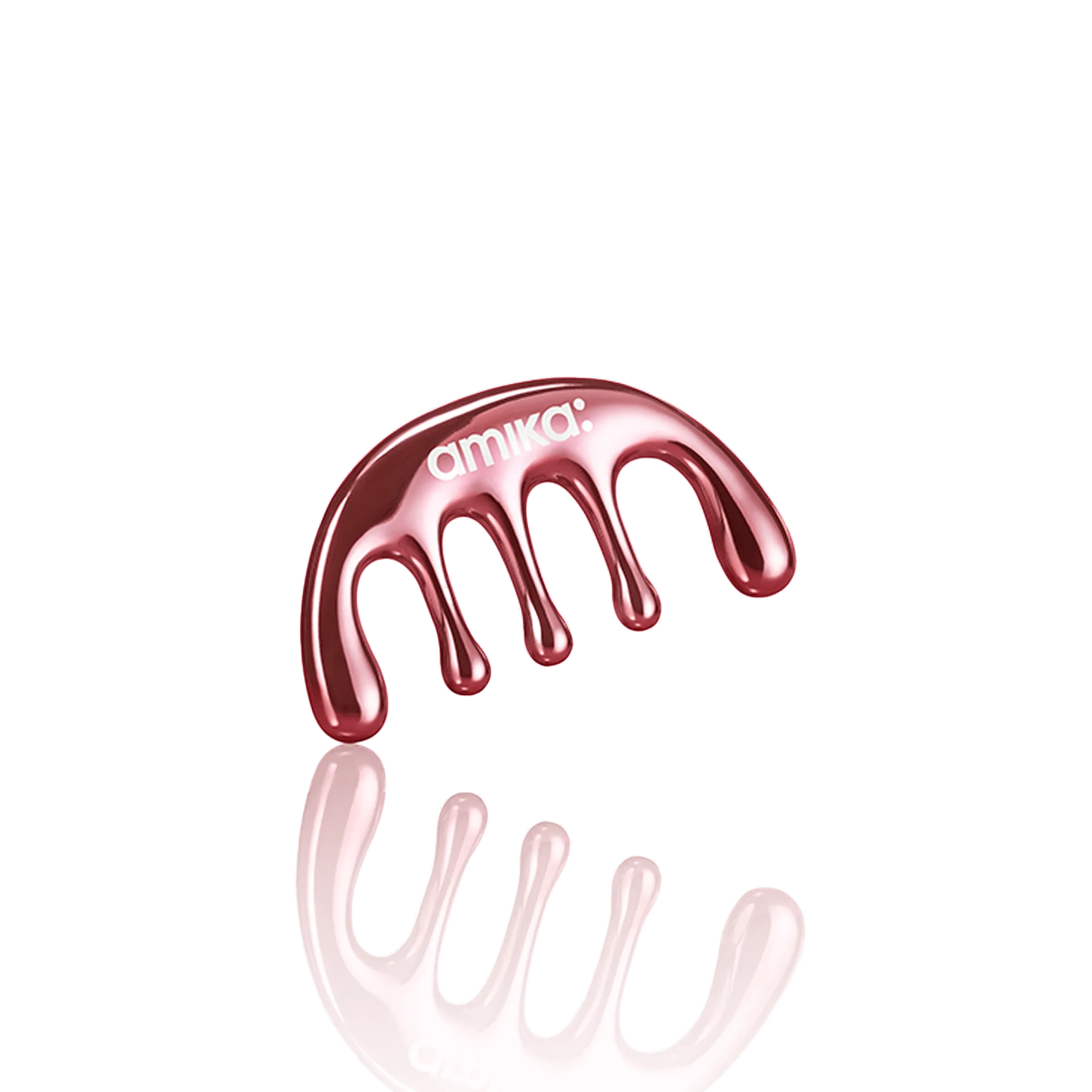
Look for rounded, polished teeth with no sharp edges. Metal combs, like the soothing gua sha scalp comb, glide smoothly and are easy to clean, but they can feel cold—warm them in your hands first. Plastic combs are lighter but may have seams that catch hair. The width of the teeth matters: wider spacing suits thick or curly hair, while narrower spacing works for fine hair. Whatever you choose, the comb should feel comfortable, not prickly, against your skin.
Step-by-step scalp comb routine
- Start on dry hair before washing: Stand over a sink or towel. Beginning at your hairline, place the comb flat against your scalp and use short, gentle strokes toward your crown. Work in sections, lifting the comb slightly to move to the next area. Do not press hard or drag through tangles. Checkpoint: you should feel a light scratch, not pain. If it hurts, you are pressing too hard.
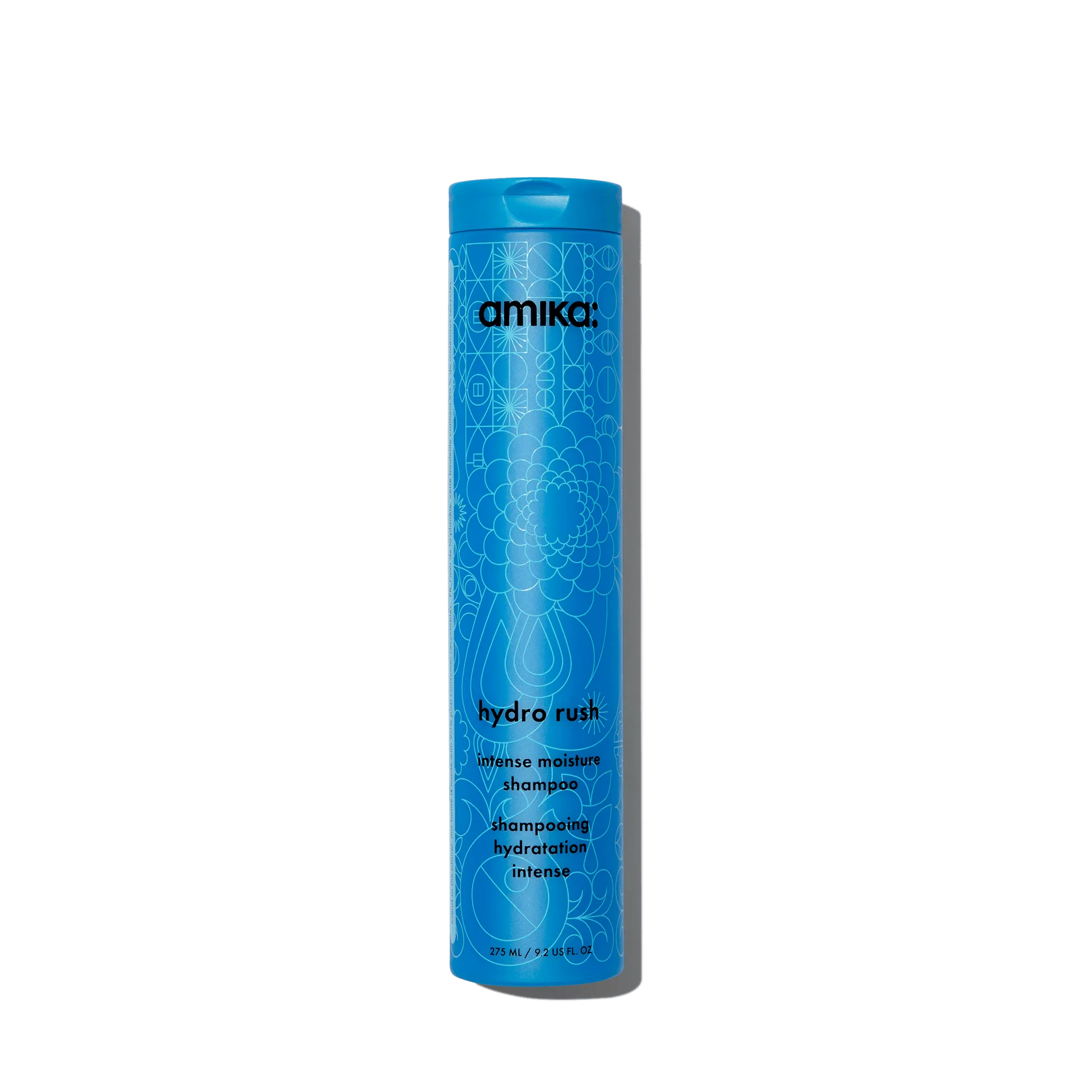
- Shampoo and rinse thoroughly: Use a gentle, silicone-free shampoo like hydro rush intense moisture shampoo to wash away the flakes and oil you just loosened. Massage with your fingertips, not the comb, to avoid tangling. Rinse until the water runs clear. Mistake to avoid: skipping the rinse and leaving residue that defeats the purpose of exfoliating.
- Comb again with conditioner on wet hair: Apply a moisturizing conditioner or mask, then use the scalp comb to distribute it evenly from root to tip. Use slow, light strokes. This is also a good time for a scalp massage for hair growth—gentle pressure may support circulation, though it is not a proven treatment for hair loss. Checkpoint: if you feel pulling, add more water or conditioner before continuing.
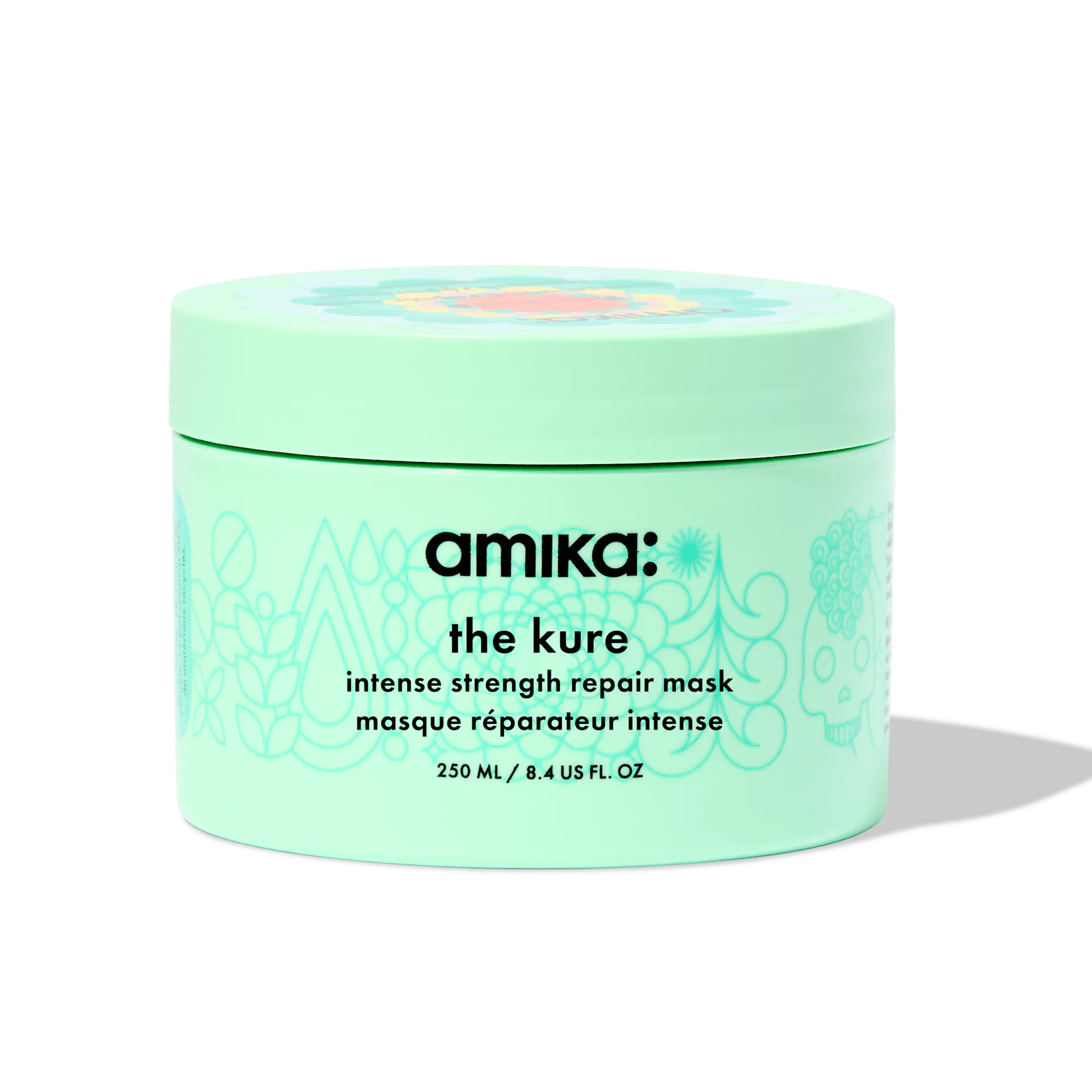
- Rinse and follow with a reparative mask if needed: After rinsing, apply a strengthening mask like the kure intense strength repair mask to mid-lengths and ends. Leave it on for the recommended time, then rinse. This helps offset any dryness from exfoliation. Mistake to avoid: applying mask to the scalp if it is not designed for that—most are for strands only.
- Clean your comb and let your scalp rest: Wash the comb with warm soapy water and dry it completely to prevent bacteria. Use the comb no more than once or twice a week. If your scalp feels sore, red, or irritated, stop and give it a break. Checkpoint: a healthy scalp should feel comfortable, not tender, after combing.
Products that support a healthy scalp routine
- soothing gua sha | scalp comb ($45 value) gift: Inspired by traditional gua sha, this modern metal comb glides effortlessly across your scalp to relieve tension and boost circulation. The smooth metal teeth make it a gentle tool for both dry buildup removal and wet massage, and it's easy to rinse clean after use.
- hydro rush | intense moisture shampoo: This silicone-free shampoo is infused with hyaluronic acid and squalane and is clinically proven to deliver 3x more hydration when used as a system with the conditioner. A silicone-free formula cleanses without leaving heavy residue, so your scalp comb has less buildup to remove and hair stays hydrated.
- the kure | intense strength repair mask: This ultra-rich mask is clinically proven to strengthen, reduce breakage, and deliver major moisture in minutes to dry, damaged strands. After exfoliating, a reparative mask helps restore moisture and strength to strands that may have been stressed by buildup or previous styling.