Quick Answer
A wooden star wand is a versatile open-ended toy that supports toddler pretend play, fine motor practice, and early storytelling. Use it as a magic wand, a pointing tool, or a prop in simple games — no batteries or screens required.
Why a Wooden Star Wand Works for Toddlers
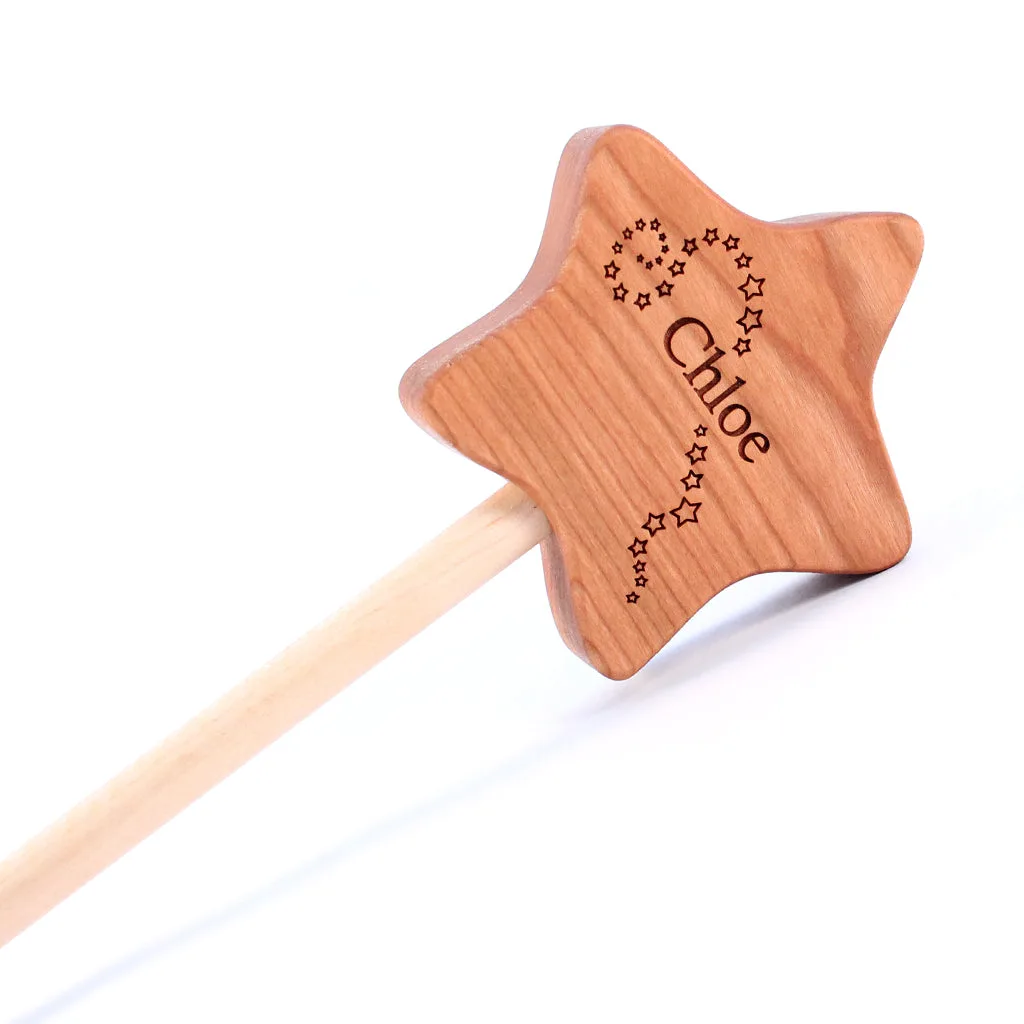
Unlike plastic light-up wands, a solid hardwood wand like the Wooden Star Wand from Smiling Tree offers a natural weight and texture that helps toddlers develop grip strength and coordination. Its simple star shape invites open-ended play — a child can turn it into a fairy wand, a conductor's baton, or a magic paintbrush. Because there are no sounds or flashing lights, the child drives the story, which builds creativity and focus.
The wand's size — a 3-inch star on a 6-inch handle — is easy for small hands to hold and wave. The organic oil finish is safe for mouthing, and the lifetime guarantee means it can survive years of play. Just keep in mind that the wand is not designed for hard throwing or rough contact; it's best used for gentle, imaginative play.
Simple Pretend Play Scenarios to Try
Start with a fairy or wizard game: have your toddler wave the wand over a toy or a sibling while saying a magic word. This builds narrative skills and cause-and-effect understanding. You can also use the wand as a pointing tool during reading time — let your child tap the pictures and name objects. Another idea: turn the wand into a "magic paintbrush" and have your child "paint" the air with colors they name. Each of these activities encourages language development and imaginative thinking without requiring any setup.
A common mistake is expecting the wand to entertain a child for long stretches on its own. Instead, join in for short 5- to 10-minute sessions, then let your child explore independently. If interest wanes, introduce a new prop — a scarf, a crown, or a toy animal — to extend the story.
4 Steps to Start Playing with a Wooden Star Wand
- Introduce the wand as a prop, not a toy: Show your toddler how you can use the wand to point at things, tap a book, or cast a "spell" on a stuffed animal. Keep the first session under 5 minutes so the wand stays novel. Common mistake: handing the wand over without demonstrating. Toddlers learn best by watching first.
- Create a simple story together: Say "Let's be wizards!" and ask your child what magic they want to do — make a toy disappear, turn a block into a cake, or wake up a sleeping doll. Follow their lead. If your child doesn't respond, model a simple action like tapping a block and saying "Abracadabra!"
- Use the wand for a movement game: Wave the wand high and low, fast and slow, and have your child copy you. This builds gross motor skills and body awareness. Sing a song like "Twinkle, Twinkle" while waving. Checkpoint: if your child starts swinging the wand wildly, redirect to a slow-motion game to prevent accidental bumps.
- Store the wand in a visible, accessible spot: Keep the wand on a low shelf or in a toy basket so your child can choose it independently. Rotate it with other open-ended toys to keep interest fresh. Avoid storing it out of sight — toddlers play more with toys they can see and reach.
Product Facts
- Wooden Star Wand: Solid hardwood construction with an organic oil finish. Wand star measures 3" x 3" with a 6" long handle. Handcrafted in Minnesota, USA. Includes a lifetime guarantee. The natural wood texture and safe finish make it suitable for toddlers who still mouth toys, while the lifetime guarantee means it can be passed down or kept as a keepsake.