Quick answer
Start with a 1:2 or 1:3 bitter-to-mixer ratio, taste before sweetening, and always balance bitterness with acid or sweetness. For a first cocktail, try Aperol with sparkling wine and soda.
Why bitter liqueurs work in cocktails
Bitter liqueurs add depth and complexity that sweet or sour ingredients alone can't achieve. Their bitterness can cut through rich flavors, cleanse the palate, and make a drink more food-friendly. Gentian-based liqueurs like Suze bring earthy, floral notes, while Italian aperitivos like Aperol and Luxardo Aperitivo offer citrus and herbal character with a bittersweet edge.
The key is balance. Bitterness can overwhelm if used too generously, but with the right proportions, it makes cocktails more interesting and satisfying.
Choosing your bitter liqueur
Not all bitter liqueurs taste alike. Aperol is sweeter and more citrus-forward, making it approachable for beginners. Luxardo Aperitivo offers a more traditional Italian aperitivo profile with herbal and red fruit notes. Suze is noticeably drier and more earthy, so it works best when you want a pronounced bitter edge.
If a recipe calls for a specific liqueur, try to use it. Substitutions can change the drink's character significantly. For instance, swapping Aperol for Suze in a spritz will make it much drier and more bitter.
Step-by-step: building a balanced bitter cocktail
- Choose your base and bitter liqueur: Pick a base spirit (gin, vodka, or sparkling wine) and a bitter liqueur that matches the flavor profile you want. For a classic spritz, use Aperol with Prosecco; for a Negroni, use a more bitter liqueur like Campari or Luxardo Aperitivo. Check the liqueur's sweetness level to predict how it will interact with your base.
- Start with a 1:2 or 1:3 ratio: Mix one part bitter liqueur with two or three parts mixer or base. For example, a classic Aperol Spritz uses 3 parts Prosecco, 2 parts Aperol, and 1 part soda. Taste before adjusting. If the drink tastes too bitter, add more mixer, not more sweetener.
- Balance with acid or sweetness: Add a citrus component (lemon or orange twist, juice) or a touch of simple syrup to round out the bitterness. Acid brightens, while sweetness softens. Start with a small amount and adjust gradually. Taste between additions; you can always add more, but you can't take it out.
- Stir or shake appropriately: Stir spirit-forward drinks like Negronis to keep them silky. Shake cocktails with fruit juice or cream to chill and dilute properly. Over-shaking can over-dilute and mute flavors. Use a timer: stir for 30 seconds, shake for 10-15 seconds.
- Garnish to complement the flavor: Use an orange twist for citrus-forward liqueurs like Aperol or Luxardo Aperitivo, and a lemon twist or edible flower for earthy liqueurs like Suze. The oils from the twist add aroma that enhances the drink. Express the twist over the drink to release oils before dropping it in.
Bitter liqueurs to try
-
Aperol 375ml: Aperol 375ml has zesty citrus, aromatic herbs, and mellow vanilla, making it sweet, citrussy, and refreshing. Its sweetness makes it a forgiving first bitter liqueur for beginners and a reliable base for spritzes and Negronis.
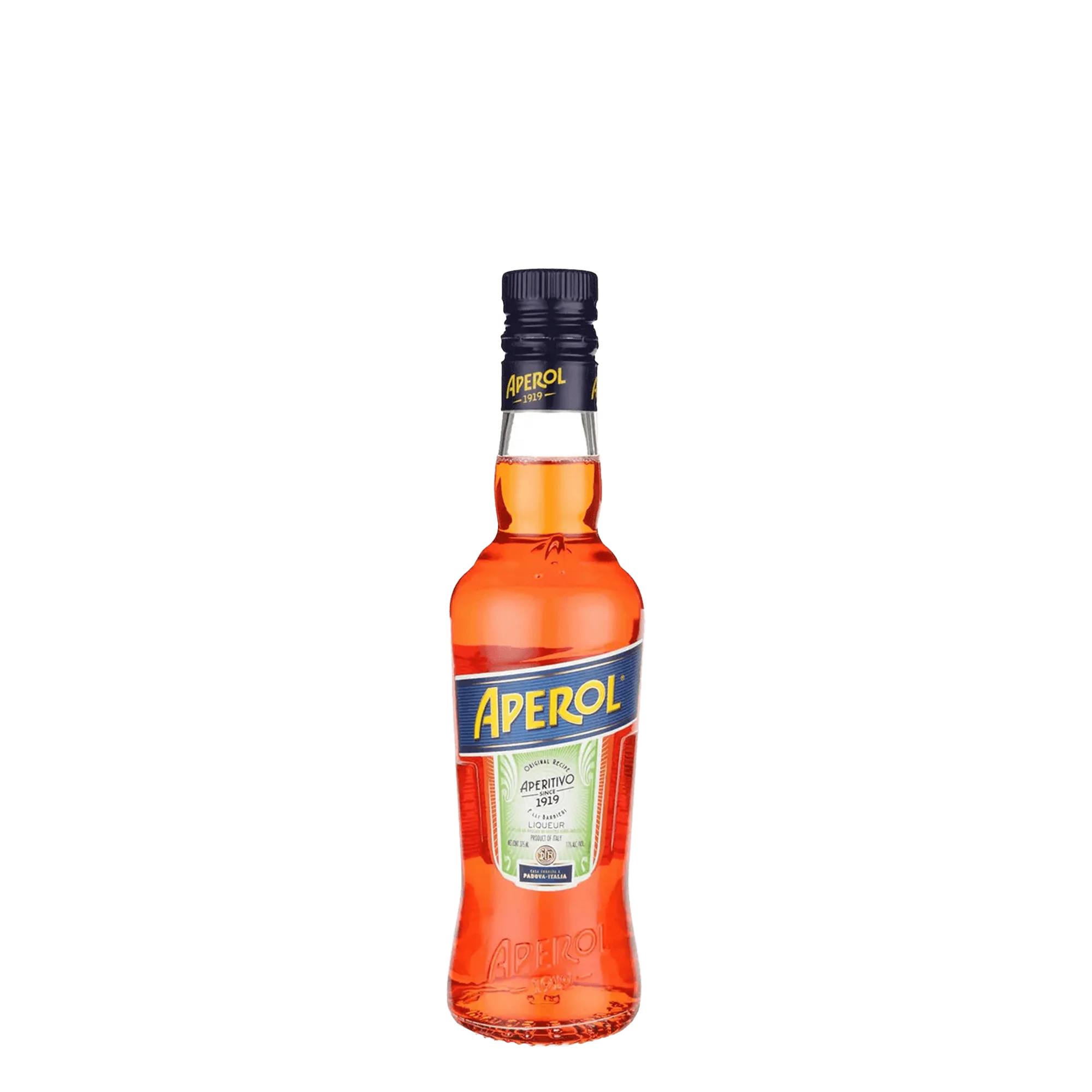
Aperol 375ml
-
Luxardo Aperitivo 750ml: Luxardo Aperitivo 750ml is an Italian aperitivo with citrus, herbal, and red fruit notes. This profile adds aromatic complexity to cocktails, making it a good choice when you want a more layered bittersweet flavor.
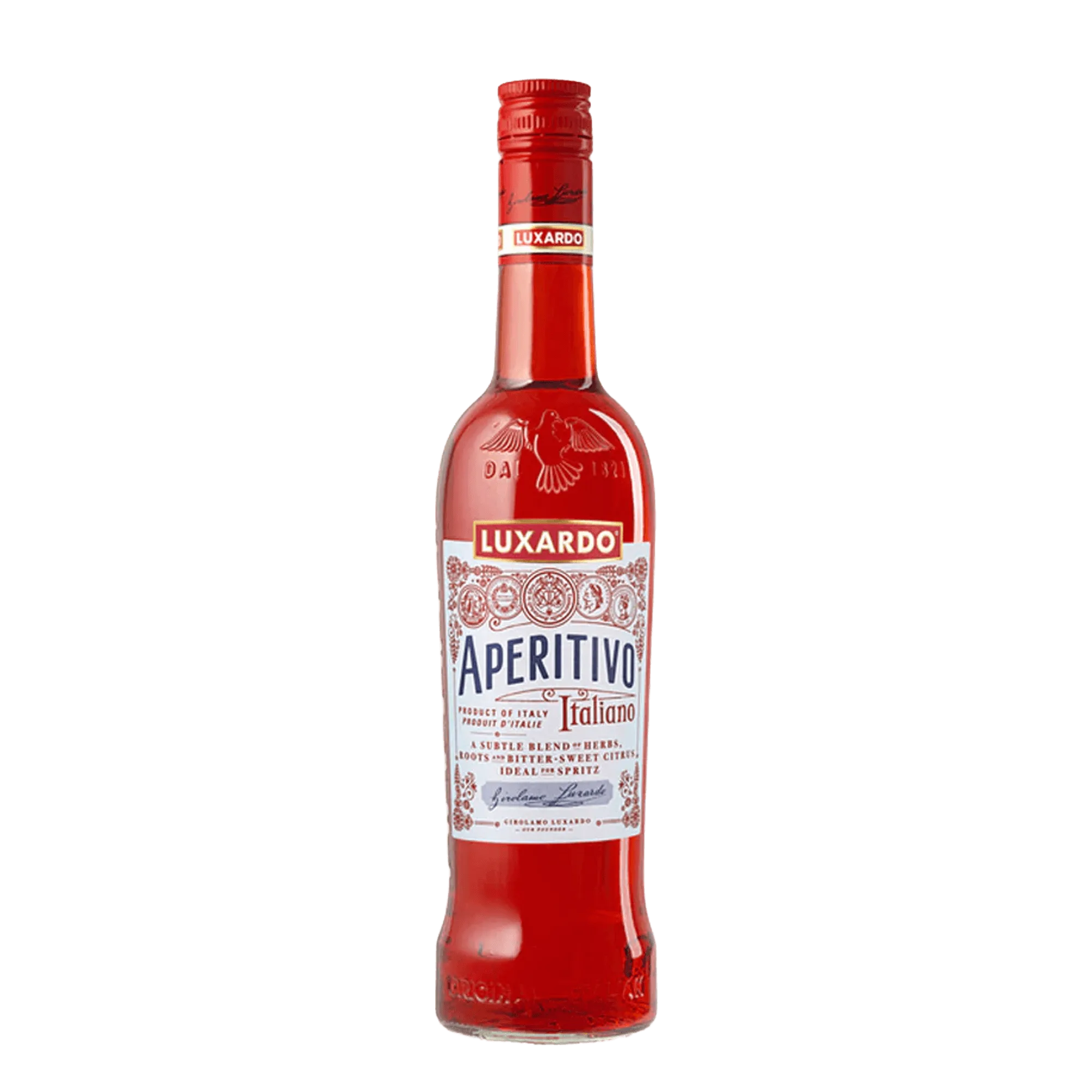
Luxardo Aperitivo 750ml
-
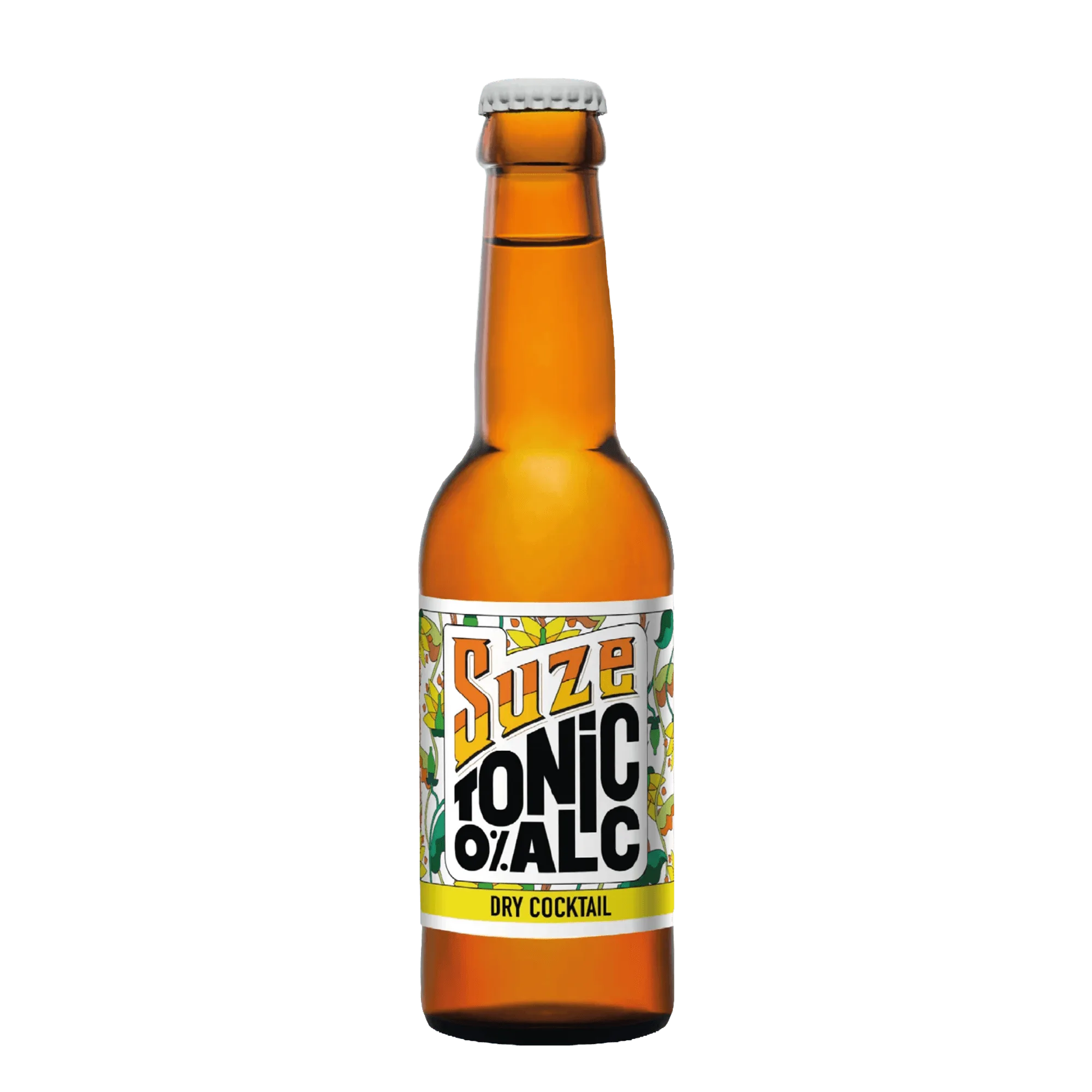
Suze Tonic Zero: Suze Tonic Zero is a French aperitif made from gentian root with earthy, bitter, and floral notes. Its pronounced bitterness works well in cocktails that need umami depth or when you want a drier, more savory drink.