Quick Answer
Keep batting scraps in a bin sorted by fiber and size, then piece them into new batting for small projects like potholders, mug rugs, and pet beds. Use a wide zigzag or butted seam to join flat pieces, and never use a scrap that is dirty, mildewed, or too thin to hold loft. For a fast first project, layer scraps into a quilt-as-you-go potholder or a simple pet bed cover.
Every quilter ends up with a pile of oddly shaped batting offcuts. They are too small for a quilt, but too useful to throw away. Learning how to use batting scraps keeps them out of the trash and turns them into practical, giftable projects.
This guide walks through a simple sorting and piecing method, then gives ten project ideas that work with the sizes you actually have. You will also find checkpoints to avoid common mistakes like lumpy joins or skipped quilting that lets batting shift.
Sort and Store Batting Scraps First
Before you sew anything, sort scraps by fiber content and size. Cotton, wool, and polyester battings behave differently when pieced and washed, so mixing them in one project can cause uneven shrinkage or loft. Keep a bin for pieces larger than a fat quarter, another for strips and small squares, and a third for thin or damaged pieces that should become stuffing or be discarded.
Label bins with fiber type and approximate loft. If you are unsure what a scrap is, test a small corner with a hot iron; polyester may melt or crisp while cotton browns slightly. When in doubt, keep unknown scraps for practice pieces rather than a gift quilt.
- Store scraps loosely, not compressed, so they do not crease permanently.
- Keep a small vacuum bag or zippered pouch for tiny bits destined for stuffing.
Piece Scraps into Usable Batting
To join flat batting pieces, butt the edges together and sew a wide zigzag stitch across the seam, catching both sides. Alternatively, use a fusible batting tape or a lightweight knit interfacing strip on one side. Keep seams flat and trim excess so the joined area does not create a ridge in your finished project.
For a soft, low-loft result, overlap edges by about half an inch and sew a gentle curve through both layers, then trim the overlap close to the stitching. This works well for small projects where a slight thickness change is acceptable. Always test a sample join before committing a large piece.
- Use a new needle and a longer stitch length to avoid perforating the batting too much.
- Do not iron directly on polyester batting; press seams with a pressing cloth on low heat.
Ten Projects for Leftover Batting
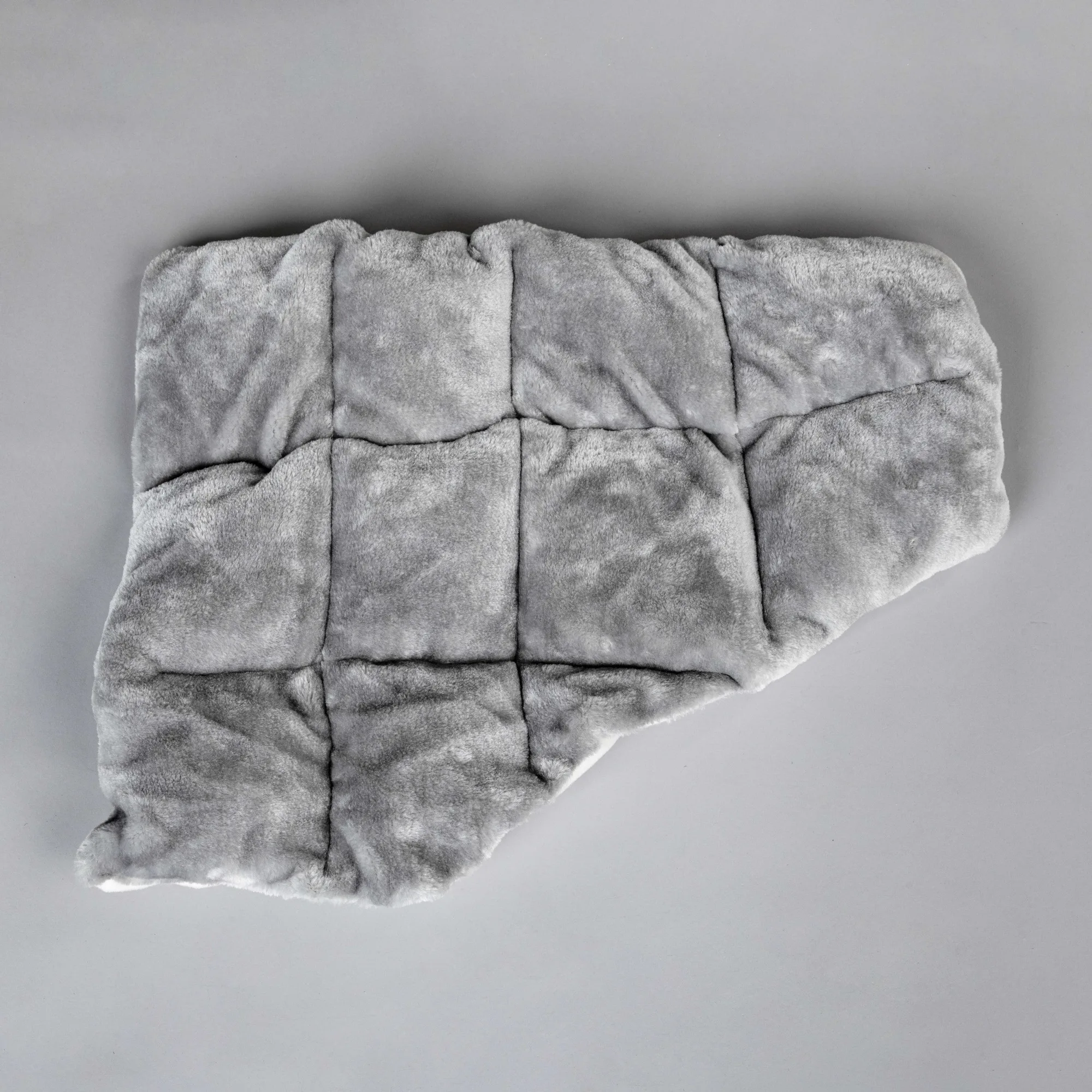
1. Potholders and trivets: layer two or three pieces of cotton batting between fabric squares and quilt densely. 2. Mug rugs: use small scraps as the filling for a quilted coaster. 3. Pet bed: piece a large rectangle, then stuff with shredded scraps for a washable bed cover. 4. Quilt-as-you-go blocks: use batting squares as the foundation for each block. 5. Bowl cozies: two layers of cotton batting make a safe, microwaveable cozy when paired with 100% cotton fabric and thread.
6. Ironing board cover pad: piece scraps into a rectangle and add a snug fabric cover. 7. Tote bag structure: quilt scraps into panels for a sturdy bag base. 8. Draft stopper: fill a fabric tube with batting scraps to block door gaps. 9. Sewing machine mat: quilt scraps into a padded mat for your machine. 10. Stuffing for toys and pillows: shred small bits and use them to fill soft projects. Each idea uses the sizes you already have.
- For microwave-safe projects, use only 100% cotton batting, fabric, and thread, and never add metallic accents.
- Keep pet bed stuffing loose so it dries completely after washing.
Match Batting Scraps to the Right Project
Not every scrap suits every project. Thin, low-loft scraps work best for mug rugs, quilt-as-you-go blocks, and garments where bulk matters. Thicker or denser scraps are better for potholders, ironing board pads, and bag bases. If a scrap is too small to piece into a flat shape, shred it for stuffing rather than forcing it into a quilt.
When you need a reliable result, choose a project that does not depend on the batting being perfectly uniform. Potholders and pet beds are forgiving. A show quilt is not. For those, buy new batting and save the scraps for practice or utility projects.
- If a scrap has been stored in a damp area, discard it; mildew will not wash out reliably.
- Do not use batting scraps as the only layer in a project that needs thermal protection.
Step-by-Step: Turn Batting Scraps into a Finished Project
- Sort and assess your scraps: Divide scraps by fiber and size. Set aside pieces large enough to piece flat; shred the rest for stuffing. Check for dirt, mildew, or thinning. Checkpoint: if you cannot identify the fiber, do not use it in a microwave-safe or gift project.
- Piece flat scraps into a usable panel: Butt edges and zigzag join, or overlap and curve-stitch, then trim. Aim for a flat, even panel slightly larger than your project template. Checkpoint: run your hand over the seam; if you feel a hard ridge, re-sew or trim before continuing.
- Choose a project that fits the panel size: Match panel size to potholders, mug rugs, bag bases, or pet bed covers. Use the ten ideas above as a starting list. Checkpoint: if the panel is too small for your first choice, switch to a smaller project instead of adding more seams.
- Layer and quilt to secure the batting: Baste or spray-baste the batting between fabric layers, then quilt at intervals appropriate for the batting type. Dense quilting prevents shifting. Checkpoint: quilt lines no farther apart than the batting manufacturer recommends; if unknown, stay under 4 inches.
- Finish edges and wash test: Bind, turn, or zigzag raw edges. Wash a small sample or the finished project according to the fabric and batting care instructions. Checkpoint: if the project puckers or the batting bunches, the quilting was too sparse; add more lines next time.
Products That Help You Use Batting Scraps
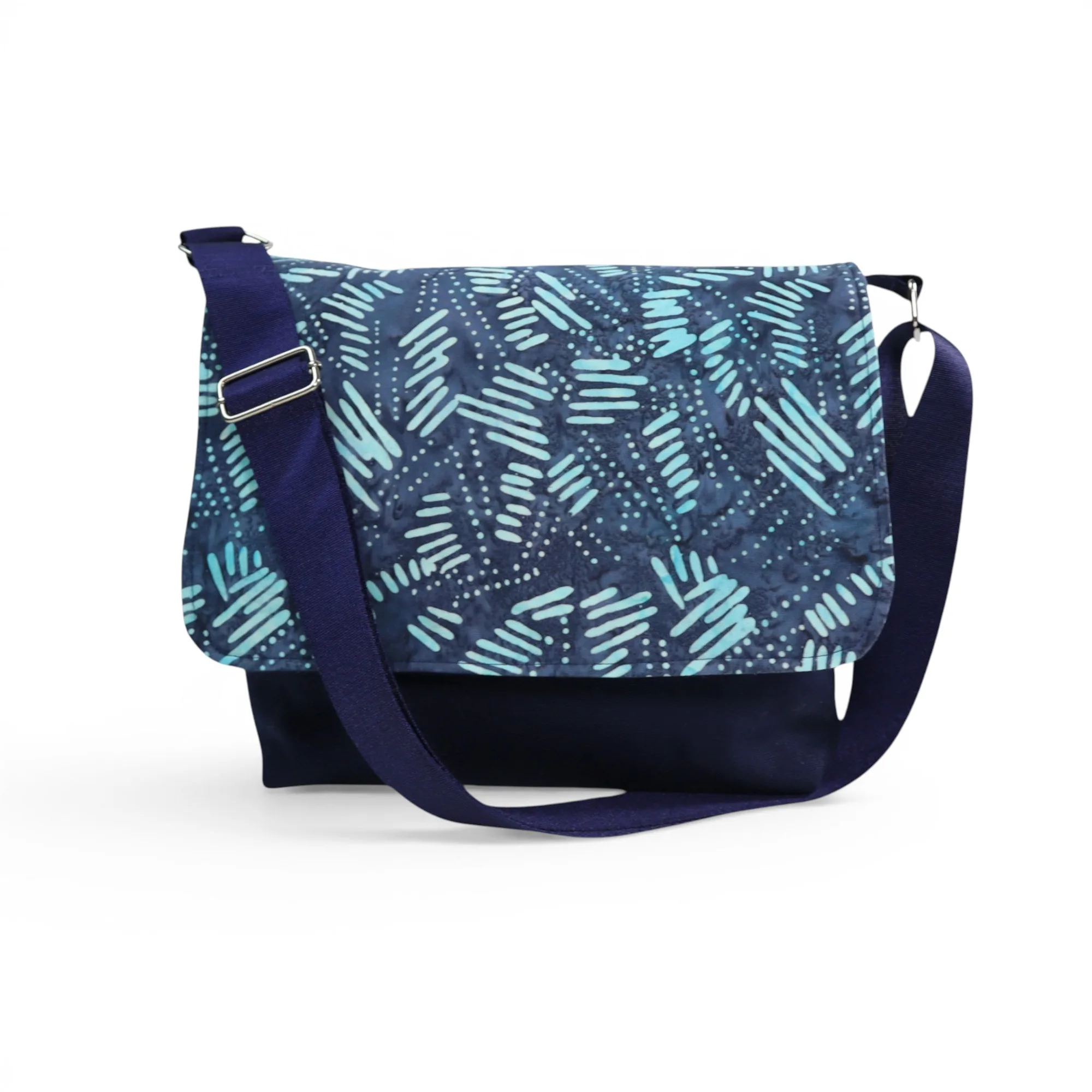
- Messenger Bag Sewing Kit: All-in-one sewing kit with pattern, fabric, and step-by-step video tutorial; features an adjustable strap and professional hardware. A structured bag like this can use quilted batting scrap panels for the base or flap, turning leftovers into a reinforced, shop-made look.
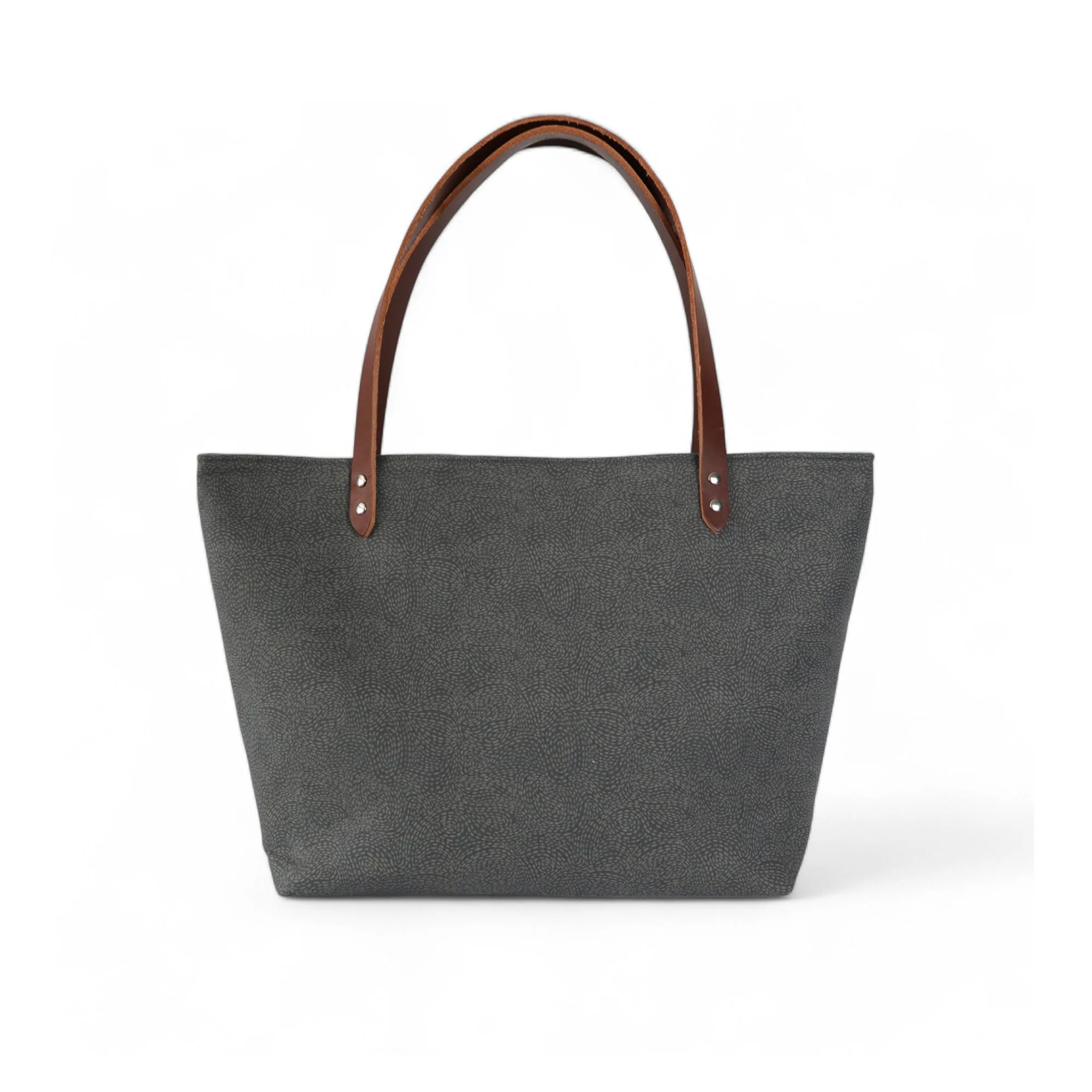
- Market Tote Bag Sewing Kit: Beginner-friendly tote kit designed for work, knitting projects, errands, or travel; handles sized to sit over the arm. Quilting batting scraps into the tote body adds body and cushioning without changing the beginner-friendly construction.
Batting scraps are not trash; they are pre-cut materials for small, useful projects. Sort them, piece them flat, and match them to forgiving projects like potholders, pet beds, and quilted bag bases. With a few checkpoints, your leftovers can become gifts instead of guilt.