Quick answer
To use a bell on your dog's collar for potty training, attach the bell to the collar, then teach your dog to touch it with their nose or paw before going outside. For communication, use the bell to signal other needs like attention or playtime. Consistency and positive reinforcement are key.
Bell training is a popular and effective method for potty training and enhancing communication with your dog. By attaching a bell to your dog's collar, you can teach them to signal when they need to go outside, reducing accidents and frustration. The same bell can also serve as a communication tool, allowing your dog to ask for attention, food, or playtime.
This guide will walk you through the step-by-step process of using a bell on your dog's collar, from choosing the right bell to troubleshooting common issues. Whether you're a new puppy owner or training an adult dog, these techniques will help you build a stronger bond and a well-behaved companion.
Why Use a Bell on Your Dog's Collar?
Using a bell on your dog's collar offers several benefits. It provides a clear, audible signal that your dog can easily produce, making it easier for them to communicate their needs. This is especially useful for potty training, as it allows your dog to tell you when they need to go outside, even if you're in another room. Additionally, bell training can be adapted for other forms of communication, such as requesting playtime or attention.
Bell training also helps prevent accidents by giving your dog a reliable way to alert you. Unlike barking or scratching at the door, a bell is a distinct sound that you can quickly recognize and respond to. It's a positive, non-verbal way for your dog to interact with you, strengthening your bond and reducing frustration for both of you.
- Bell training is suitable for dogs of all ages, from puppies to seniors.
- It can be used in conjunction with other training methods, such as crate training or positive reinforcement.
Choosing the Right Bell and Collar
Before you start training, you'll need to select a bell that is appropriate for your dog's size and activity level. Bells come in various sizes and materials, but for collar use, a lightweight, durable bell that won't cause discomfort is ideal. You can find bells specifically designed for dogs, or use a small, jingle bell from a craft store. Ensure the bell is securely attached to the collar, either by threading it onto the collar or using a sturdy clip.
The collar itself should be comfortable and properly fitted. A collar that is too tight can cause choking, while one that is too loose may slip off. You should be able to fit two fingers between the collar and your dog's neck. If you're using a training tab leash for additional control during training, you can attach it to the collar as well. For example, the 10-Inch Training Tab Leash is a great tool for maintaining control while teaching your dog to use the bell.
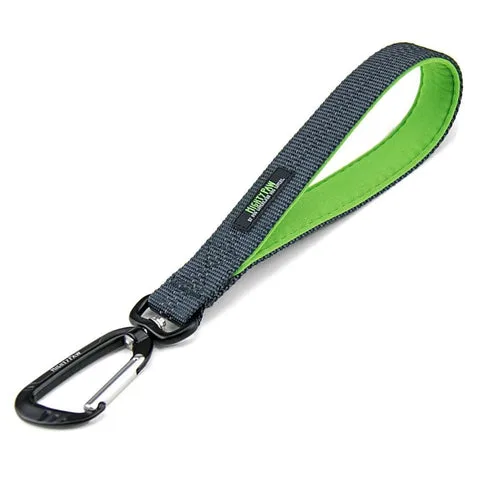
10-Inch Training Tab Leash
- Choose a bell with a clear, pleasant sound that isn't too loud or harsh.
- If your dog is sensitive to noise, start with a softer bell or introduce it gradually.
Step-by-Step Bell Training Process
Introduce the bell to your dog gradually. Let them sniff and investigate it while it's attached to their collar. Reward them with treats and praise for showing interest. This helps create a positive association with the bell.
Next, teach your dog to touch the bell with their nose or paw. Hold a treat near the bell and encourage them to touch it. As soon as they do, say 'yes' or 'good' and give them the treat. Repeat this several times until they consistently touch the bell on command.
- Keep training sessions short (5-10 minutes) to maintain your dog's focus.
- Use high-value treats to motivate your dog during training.
Step-by-Step Bell Training Guide
- Step 1: Attach the Bell: Securely attach the bell to your dog's collar, ensuring it's tight enough not to fall off but loose enough to jingle easily. Let your dog wear the collar for a few days to get used to the new sound. Check that the bell is comfortable and doesn't irritate your dog's skin.
- Step 2: Teach the Touch: Hold a treat near the bell and encourage your dog to touch it with their nose or paw. As soon as they touch it, say 'yes' and give the treat. Repeat this step until your dog touches the bell on cue. Keep sessions short and positive; never force your dog to touch the bell.
- Step 3: Associate Bell with Going Outside: Before taking your dog out for a potty break, have them touch the bell. Then immediately open the door and go to the designated potty spot. Repeat this every time you take them out. Be consistent; your dog will learn that touching the bell leads to going outside.
- Step 4: Reinforce and Generalize: Once your dog consistently touches the bell to go out, start using the bell for other needs like attention or playtime. Reward them each time they use the bell appropriately. Celebrate successes, but avoid rewarding accidental bell touches to prevent confusion.
- Step 5: Troubleshooting Common Issues: If your dog doesn't seem to get it, go back to step 2 and practice the touch more. If they ring the bell excessively, ignore non-potty rings and only reward when they actually need to go out. Patience is key; most dogs learn bell training within a few weeks.
Essential Products for Bell Training
- 10-Inch Training Tab Leash: A 10-inch short dog leash designed for optimal control and training. Perfect for maintaining the heel position during training sessions, navigating busy environments like vet offices, or ensuring safety at street crossings. This short leash is ideal for keeping your dog close during bell training sessions, ensuring they stay focused and under control while learning to use the bell.
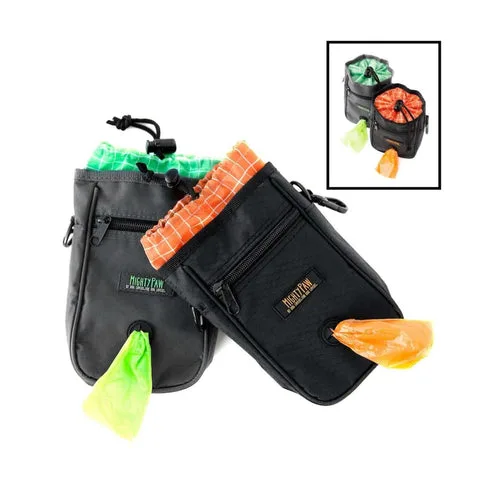
- Adjustable Training Pouch with Poop Bag Dispenser: Maximize your training sessions with this versatile pouch designed for convenience and efficiency. Supports carrying essential items, making it a must-have for active pet owners. Keep treats and poop bags within reach during bell training, so you can reward your dog immediately and handle any outdoor trips without fumbling.
Bell training is a rewarding process that enhances communication and can make potty training a breeze. With consistency and positive reinforcement, your dog will soon be using the bell to tell you exactly what they need. For more training tools, check out the Adjustable Training Pouch with Poop Bag Dispenser to keep treats and supplies handy during your sessions.