Quick Answer
To use books effectively in class, start by selecting books that match your students' interests and reading levels, then structure activities that promote active engagement, discussion, and reflection. Incorporate a mix of read-alouds, independent reading, and group work to cater to diverse learning styles.
Integrating books into your classroom goes beyond simply assigning chapters. Effective use of literature can enhance comprehension, vocabulary, and a love for reading. Whether you're teaching French immersion or language arts, the key is intentional planning and student-centered activities.
This guide offers practical steps to help you maximize the impact of books in your teaching, from selection to assessment. By following these strategies, you'll create a dynamic reading environment that supports all learners.
Selecting the Right Books for Your Class
Choosing appropriate books is the foundation of effective classroom reading. Consider your students' ages, interests, and reading levels. For younger learners, picture books with engaging illustrations and simple text work well. For older students, novels that explore relevant themes can spark deeper discussions.
Also, think about the curriculum goals. Are you teaching vocabulary, grammar, or cultural topics? Books that align with your objectives can reinforce learning while providing authentic language. Don't forget to include a variety of genres and formats to appeal to different preferences.
- Use a mix of fiction and non-fiction to cater to varied interests.
- Involve students in the selection process to increase engagement.
Structuring Reading Activities
Once you have your books, plan structured activities that go beyond simple reading. For younger students, interactive read-alouds where you pause to ask questions and discuss illustrations can enhance comprehension. For older students, literature circles or guided reading groups allow for differentiated instruction.
Incorporate pre-reading activities to build background knowledge and post-reading activities to reinforce learning. For example, before reading a story about a market, discuss local markets and introduce relevant vocabulary. After reading, have students create a story map or act out scenes.
- Use graphic organizers to help students track plot, characters, and themes.
- Incorporate drama or puppetry to bring stories to life.
Fostering Discussion and Critical Thinking
Encourage students to think deeply about what they read. Use open-ended questions that require more than yes-or-no answers. For instance, ask 'How would you have handled the situation?' or 'What do you think the author is trying to say?' This promotes critical thinking and personal connection.
Create a safe environment where all opinions are valued. Use think-pair-share activities to allow students to discuss with a partner before sharing with the class. This ensures that even shy students have a chance to voice their thoughts.
- Have students write journal entries from a character's perspective.
- Use Socratic seminars for more advanced learners.
Assessing Reading Progress
Assessment should be ongoing and varied. Use informal assessments like observation and anecdotal notes to track participation and comprehension. Formal assessments can include quizzes, book reports, or projects.
However, avoid over-testing, which can diminish the joy of reading. Instead, use authentic assessments like having students create a book trailer or give a book talk. This allows them to demonstrate understanding in creative ways.
- Use reading logs to monitor independent reading.
- Provide feedback that is specific and encouraging.
Step-by-Step Guide to Using Books in Class
- Assess Student Needs and Interests: Survey your students to learn their reading preferences and levels. Use this data to select books that will capture their attention and meet them where they are. For example, if many students enjoy adventure stories, choose a novel like 'Gabriel entre chien et loup' which offers a voyageur adventure. Checkpoint: Ensure the chosen books are accessible yet challenging for your students.
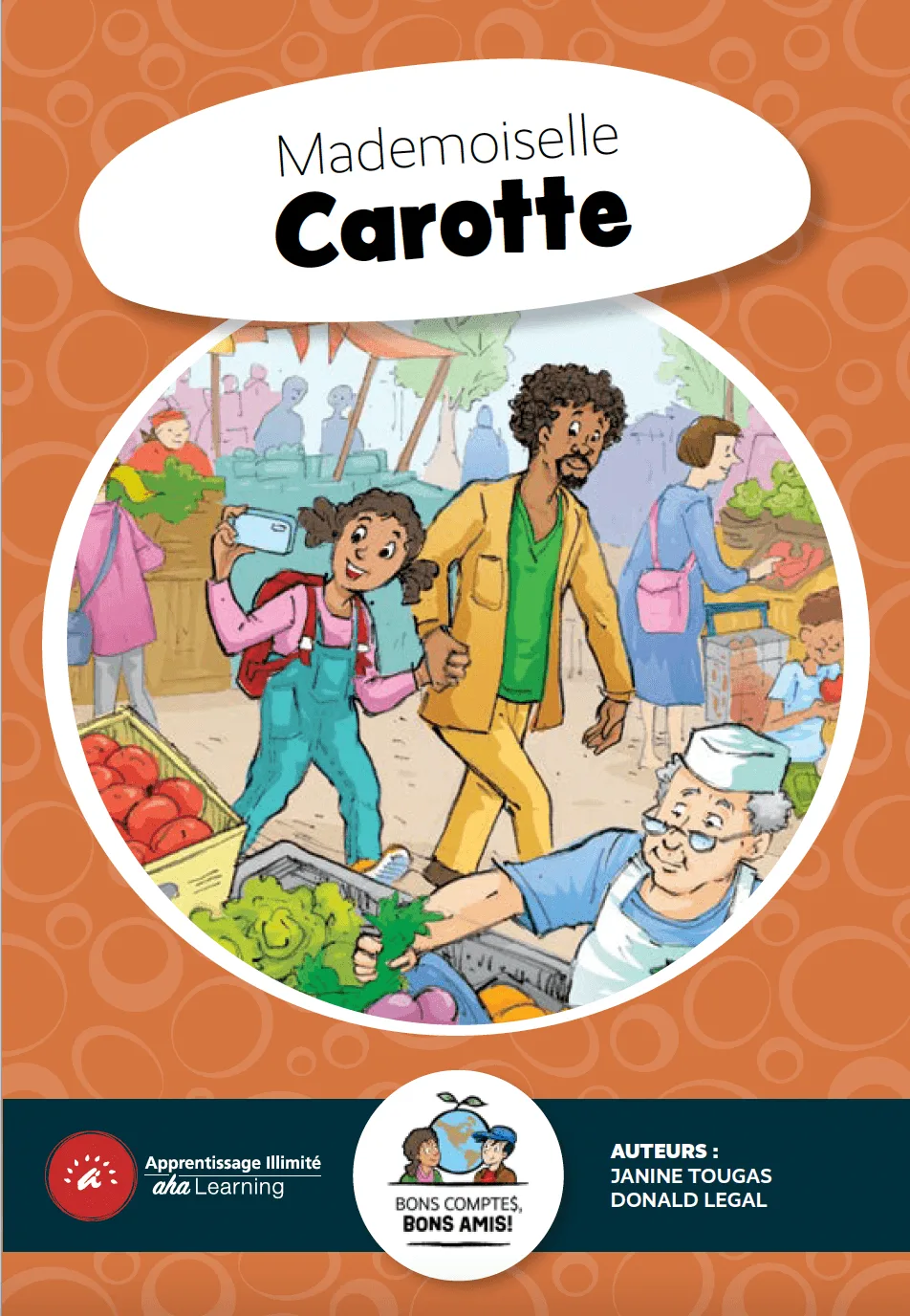
- Plan Engaging Pre-Reading Activities: Before diving into the book, activate prior knowledge and introduce key vocabulary. For instance, if reading 'Mademoiselle Carotte', discuss local food and markets. Use images or realia to make connections. Checkpoint: Students should be able to make predictions about the story based on the pre-reading activities.
- Implement Interactive Reading Sessions: During reading, use a variety of strategies: think-alouds, partner reading, or literature circles. For younger students, use puppets or drama to act out scenes. For older students, encourage them to read with expression and pause to discuss. Checkpoint: Monitor student engagement and adjust the pace as needed.
- Facilitate Post-Reading Discussions and Projects: After finishing the book, engage students in discussions that require them to analyze themes, characters, and plot. Have them create projects like book trailers, dioramas, or presentations. For example, after reading 'Lisa et Théo', students could perform a scene. Checkpoint: Ensure each student has an opportunity to demonstrate their understanding in a way that suits their strengths.
- Assess Learning and Reflect: Use a mix of formative and summative assessments to gauge comprehension and skill development. Provide feedback that helps students grow. Reflect on what worked and what could be improved for next time. Checkpoint: Celebrate successes and identify areas for improvement in your teaching approach.
Resources to Support Your Classroom
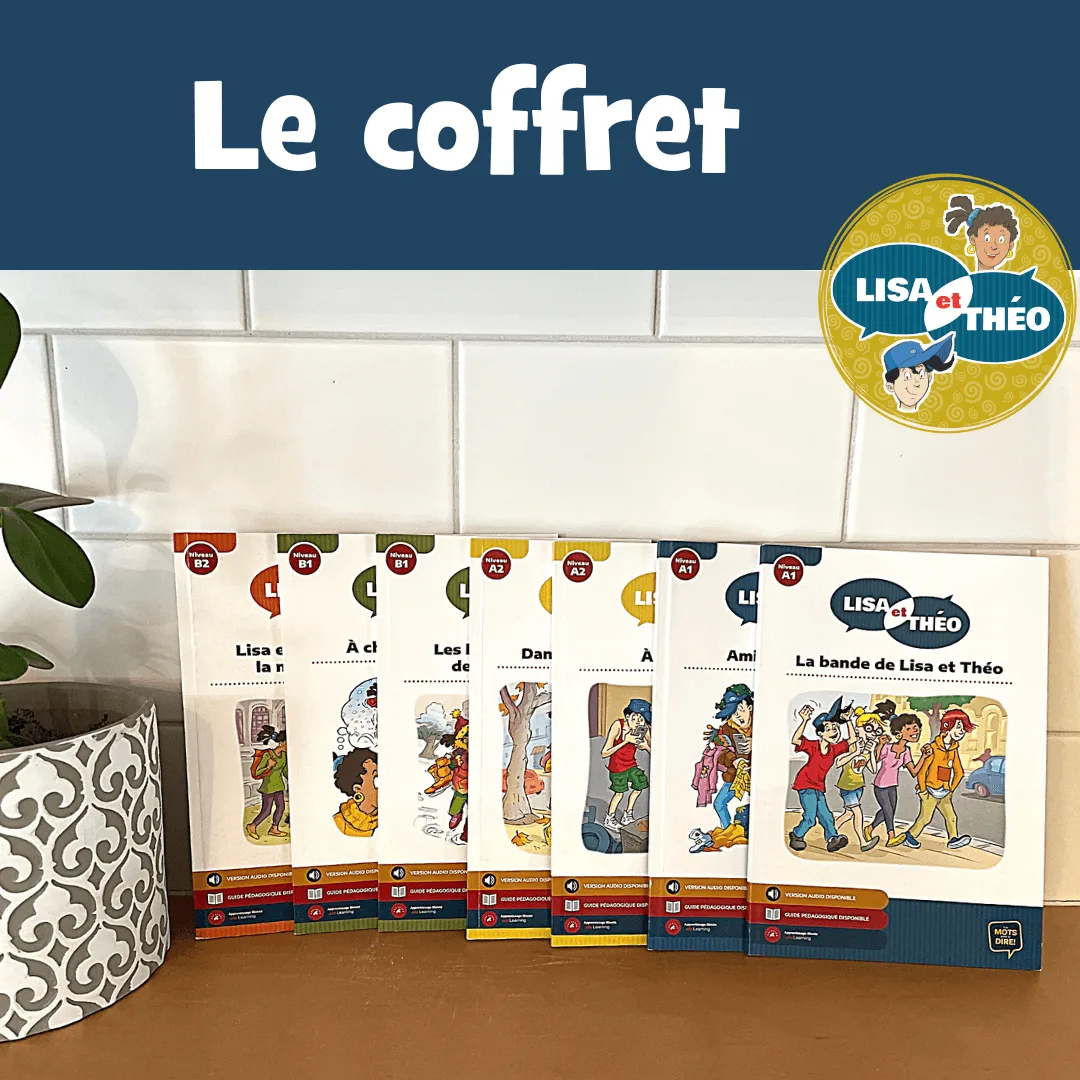
- Lisa et Théo - Box Set: Lisa et Théo Box Set! Where Reading Meets Performance! Bring French to life with Lisa et Théo! This innovative collection combines reading, humor, speaking, and drama to create an engaging learning experience for teens and adults. This box set is ideal for structuring interactive reading activities that include drama and speaking, making it perfect for older students who benefit from active engagement.
- Mademoiselle Carotte: Mademoiselle Carotte is part of the collection 'Bons comptes, bons amis', a collection of 12 books for youth ages 9 to 12 that address financial literacy and citizenship education to promote personal and community success. This book can be used to integrate cross-curricular topics like financial literacy and citizenship, fostering discussion on real-world issues.
- Va à la pêche - Les émotions: French Emotions Card Game Interactive French Learning Resource for Classrooms and Home Use. Transform French vocabulary learning with our engaging 'Va à la pêche' (Go Fish) card game! This card game is a great tool for reinforcing vocabulary in a fun, hands-on way, especially for younger learners or as a center activity.
Incorporating books into your classroom is a rewarding endeavor that requires thoughtful planning and flexibility. By selecting the right materials, structuring engaging activities, and fostering meaningful discussions, you can create a rich learning environment that benefits every student. Start with these steps and adapt them to your unique teaching context.