Quick answer
Start by letting your toddler explore the Buckle Barrel freely, then model buckling and unbuckling slowly. Gradually increase the challenge and encourage self-dressing by making the activity part of a daily routine.
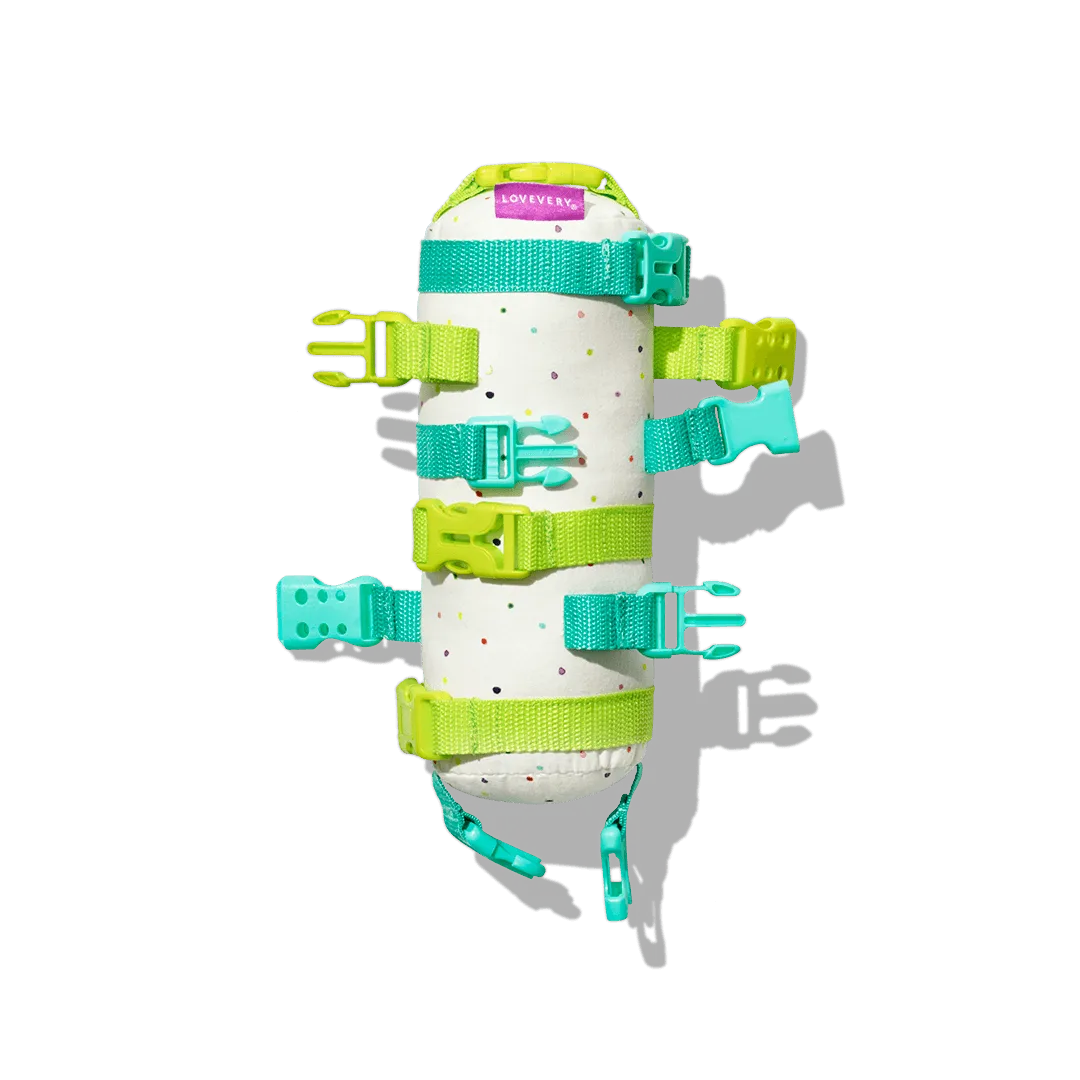
Buckle Barrel
The Buckle Barrel is a simple yet powerful tool for toddlers who are learning to manage their own clothing and gear. With its variety of buckles, it invites little fingers to practice the exact motions needed for car seats, strollers, and shoes.
Beyond the motor skill work, the Buckle Barrel offers a safe space for your child to practice persistence and problem-solving—two foundations of independence. Here’s how to get the most out of it.
Why the Buckle Barrel Works for Toddlers
Toddlers are naturally driven to do things 'by myself.' The Buckle Barrel taps into that drive by giving them a low-stakes way to master buckles before they need to use them on real gear. Each successful buckle builds confidence and hand strength.
The repetitive motion of pushing, pulling, and snapping helps develop the small muscles in the hands and fingers. Over time, these skills transfer to real-life tasks like fastening a car seat or putting on a backpack.
- Let your child lead the pace—don't rush the process.
- Keep the Buckle Barrel accessible so your toddler can practice whenever they want.
Setting Up for Success
Find a comfortable spot where you and your child can sit face-to-face. A low table or the floor works well. Show your child the different buckles and let them touch and explore before you start any structured activity.
Make sure the Buckle Barrel is clean and in good condition. If any buckles are stiff, you can gently work them a few times to loosen them up before presenting the activity.
- Use a warm, encouraging tone—this is play, not a test.
Common Mistakes to Avoid
One common mistake is expecting your toddler to master all the buckles at once. Each buckle type requires a different fine motor pattern, so introduce them one at a time.
Another mistake is taking over when your child gets frustrated. Instead, offer a small hint or model the motion again, then let them try once more. Frustration is part of learning—your calm presence helps them push through.
- Avoid using the Buckle Barrel as a reward or punishment—it should stay a fun, voluntary activity.
Step-by-Step Guide to Using the Buckle Barrel
- Introduce with free play: Hand the Buckle Barrel to your child and let them explore the buckles on their own. Don't demonstrate right away—let them discover how the pieces move. Checkpoint: If your child shows no interest, try again later or model a single buckle.
- Model one buckle type: Choose one type of buckle (e.g., the side-release). Slowly show how to push the prongs and pull apart. Then show how to click it back together. Use simple words like 'push' and 'click'. Checkpoint: Watch to see if your child attempts to imitate. If not, place your hand over theirs to guide the motion.
- Practice with hand-over-hand help: Place your hand gently over your child's hand and guide them through the motion of unbuckling and buckling. Then let them try alone, even if they struggle. Mistake to avoid: Don't do it for them—your goal is to let them feel the motion.
- Gradually increase difficulty: As your child masters one buckle, introduce another type. Have them practice on the Buckle Barrel first, then try buckling a real seatbelt or backpack strap. Checkpoint: Celebrate small successes to build confidence.
- Make it part of a routine: Set aside a few minutes each day for Buckle Barrel practice, perhaps before a walk or car ride. Consistency helps turn the skill into a habit. Next step: Once your child is confident, encourage them to buckle their own car seat (with you checking afterward).
Related Lovevery Products
- Mirror Straps: Mirror Straps are replacement components designed for Lovevery's https://loveveryshop.com/products/framed-mirror-59066Framed Mirror Kit. These straps help secure the mirror in place, ensuring safe and reliable use during play. If you use a mirror near the Buckle Barrel so your child can watch their own hands, these straps keep the mirror safely mounted, letting your child see their progress.
- Wearable Rattles: Encourage your baby's natural curiosity and movement with Lovevery's Wearable Rattles, designed to attach easily to wrists or ankles. These engaging accessories provide gentle auditory stimulation as your little one moves. For younger siblings, Wearable Rattles support the same fine motor development by motivating reaching and kicking, which builds the arm and hand strength needed for buckling.
With patience and regular practice, the Buckle Barrel can become a favorite tool for building fine motor skills and independence. Remember to follow your child's lead and celebrate every small win along the way.