Oily skin can be a blessing and a curse. While it tends to age slower and stay moisturized, the constant shine, enlarged pores, and frequent breakouts can be frustrating. If you're looking for a powerful solution to tame excess oil and deep-clean your pores, a clay mask is likely already on your radar. But using it incorrectly can lead to dryness, irritation, and even more oil production. In this guide, we'll walk you through the best practices for using a clay mask on oily skin, so you can enjoy a clear, balanced complexion without the downsides.
Whether you're a skincare novice or a seasoned enthusiast, understanding the nuances of clay masks is essential. From choosing the right formula to mastering the application technique, every step matters. We'll also share some Korean skincare secrets that elevate the clay mask experience, making it a truly transformative step in your routine.
Why Clay Masks Are a Game-Changer for Oily Skin
Clay masks work by absorbing excess sebum, drawing out impurities, and gently exfoliating the skin's surface. The key ingredient, clay, is rich in minerals that have a natural affinity for oil and dirt. When applied, the clay creates a temporary barrier that adheres to these impurities and lifts them away as it dries. This deep-cleaning action is particularly beneficial for oily skin, which is prone to clogged pores and blackheads.
Not all clays are created equal. Kaolin clay is gentle and suitable for sensitive oily skin, while bentonite clay is more powerful and better for very oily, acne-prone skin. Many Korean skincare brands, like Dermaesthetics Beverly Hills, incorporate a blend of clays and botanical extracts to balance oil without stripping the skin. For example, the BHA Toner is an excellent companion to a clay mask, as it helps to further unclog pores and smooth the skin after your mask routine.
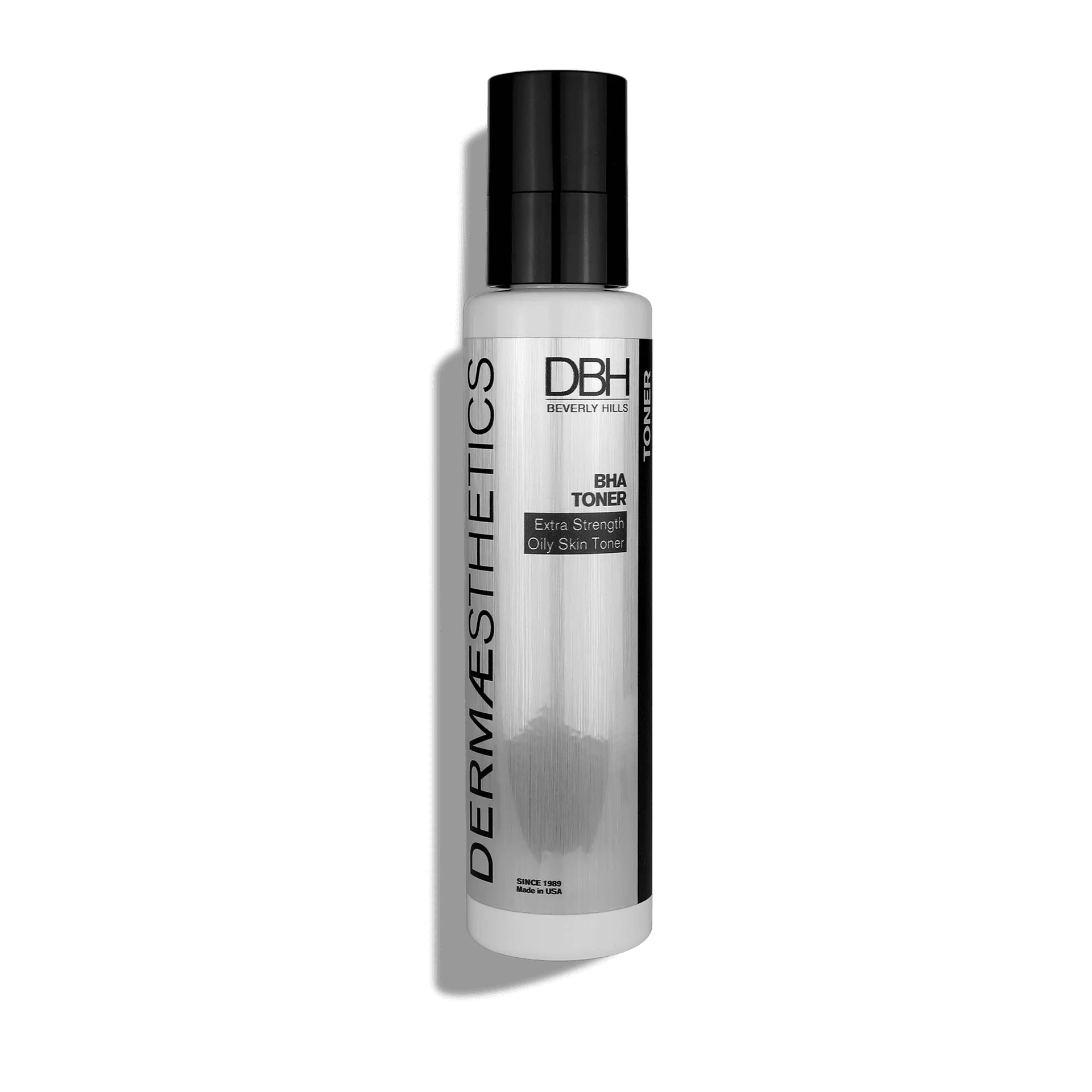
BHA Toner
- Clay masks are ideal for oily skin because they absorb excess oil, reduce shine, and minimize the appearance of pores.
- Look for masks with kaolin or bentonite clay, along with soothing ingredients like aloe or green tea to prevent irritation.
How to Choose the Right Clay Mask for Your Skin
When selecting a clay mask for oily skin, consider your skin's sensitivity and your primary concerns. If you have very oily, acne-prone skin, a mask with bentonite clay or sulfur can help combat breakouts. For combination skin, a gentler kaolin-based mask is preferable to avoid over-drying the drier areas. You should also look for masks that contain hydrating and soothing ingredients, such as hyaluronic acid or centella asiatica, to maintain a healthy moisture balance.
Korean clay masks often incorporate unique ingredients like volcanic ash, snail mucin, or propolis, which offer additional benefits such as brightening and healing. Dermaesthetics Beverly Hills offers a range of skincare products that complement clay masking. For instance, the Skin Balance Cream is perfect to apply after your mask to restore hydration and lock in moisture, ensuring your skin doesn't become tight or dry.
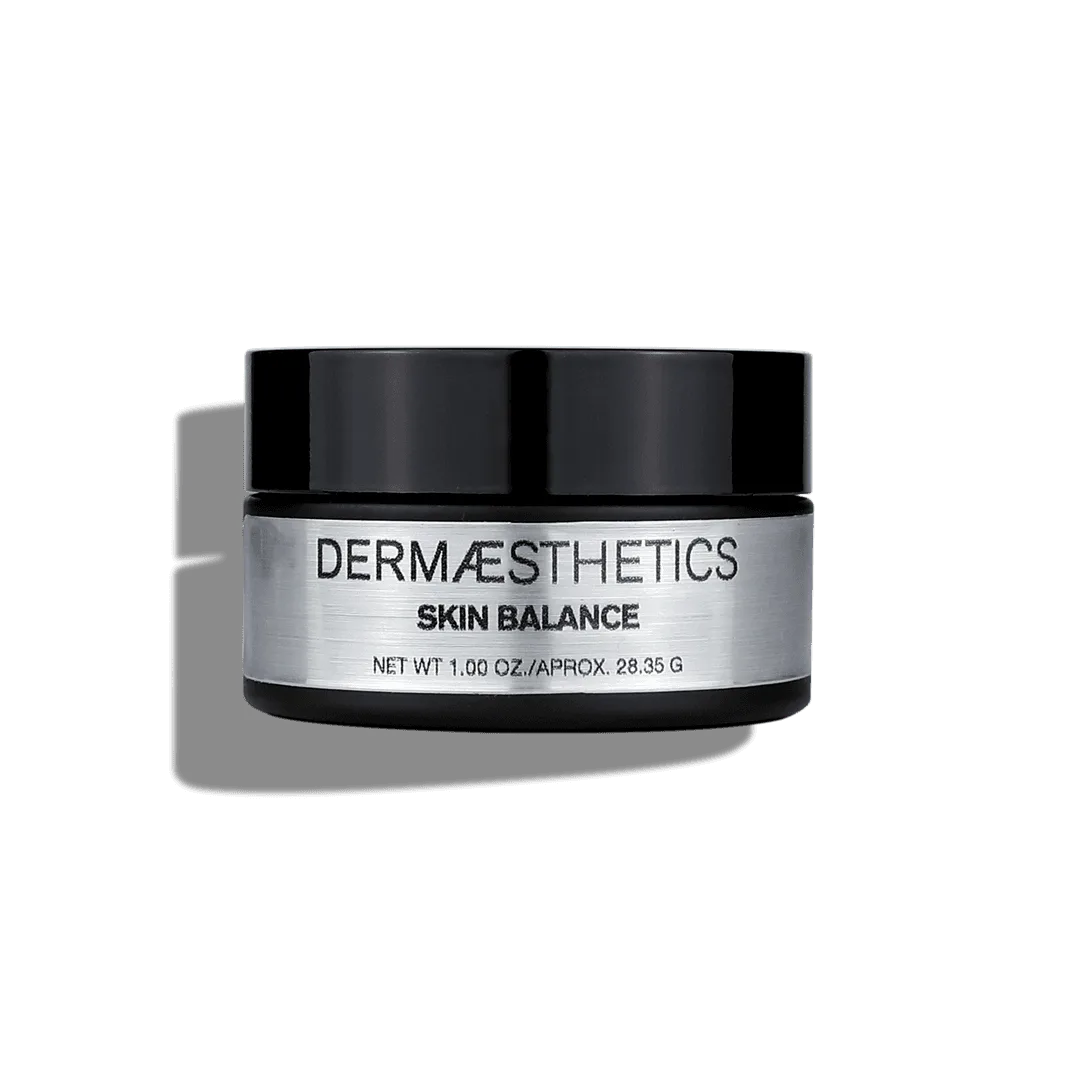
Skin Balance Cream
- For sensitive oily skin, choose a clay mask with kaolin clay and calming botanicals.
- For stubborn blackheads, opt for a mask with charcoal or bentonite clay for deeper purification.
Step-by-Step Guide: How to Apply a Clay Mask
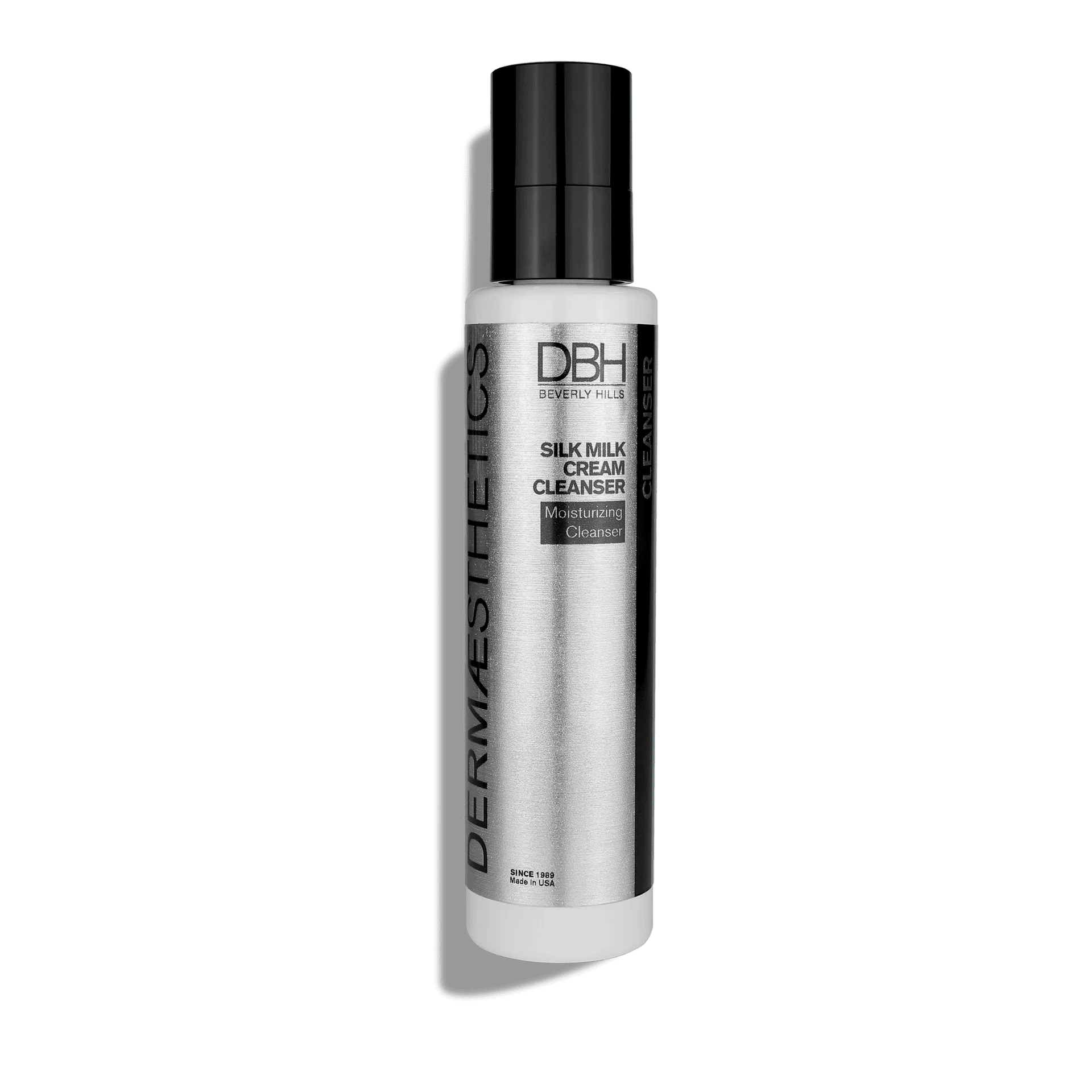
To get the most out of your clay mask, start with a clean face. Use a gentle cleanser like the Silk Milk Cleanser to remove makeup, sunscreen, and daily grime. Pat your skin dry with a soft towel, leaving it slightly damp. Applying a clay mask to damp skin can help it spread more evenly and prevent it from drying too quickly.
Using a clean brush or your fingertips, apply a generous, even layer of the clay mask, avoiding the delicate eye and lip areas. Focus on your T-zone (forehead, nose, and chin) where oil production is highest. Let the mask sit for the recommended time, usually 10-15 minutes. Do not let it dry completely, as this can pull moisture from your skin. When you feel the mask starting to tighten, it's time to rinse.
- Always apply clay mask to clean, slightly damp skin.
- Avoid the eye area and lips, as they are more delicate.
- Rinse off before the mask fully dries to prevent over-drying.
How Often Should You Use a Clay Mask for Oily Skin?
Frequency is key when it comes to clay masks. For oily skin, using a clay mask 2-3 times a week is generally safe and effective. However, if you have sensitive or combination skin, you may want to start with once a week and gradually increase to twice a week as your skin builds tolerance. Over-masking can strip your skin of its natural oils, leading to a compromised moisture barrier and increased oil production.
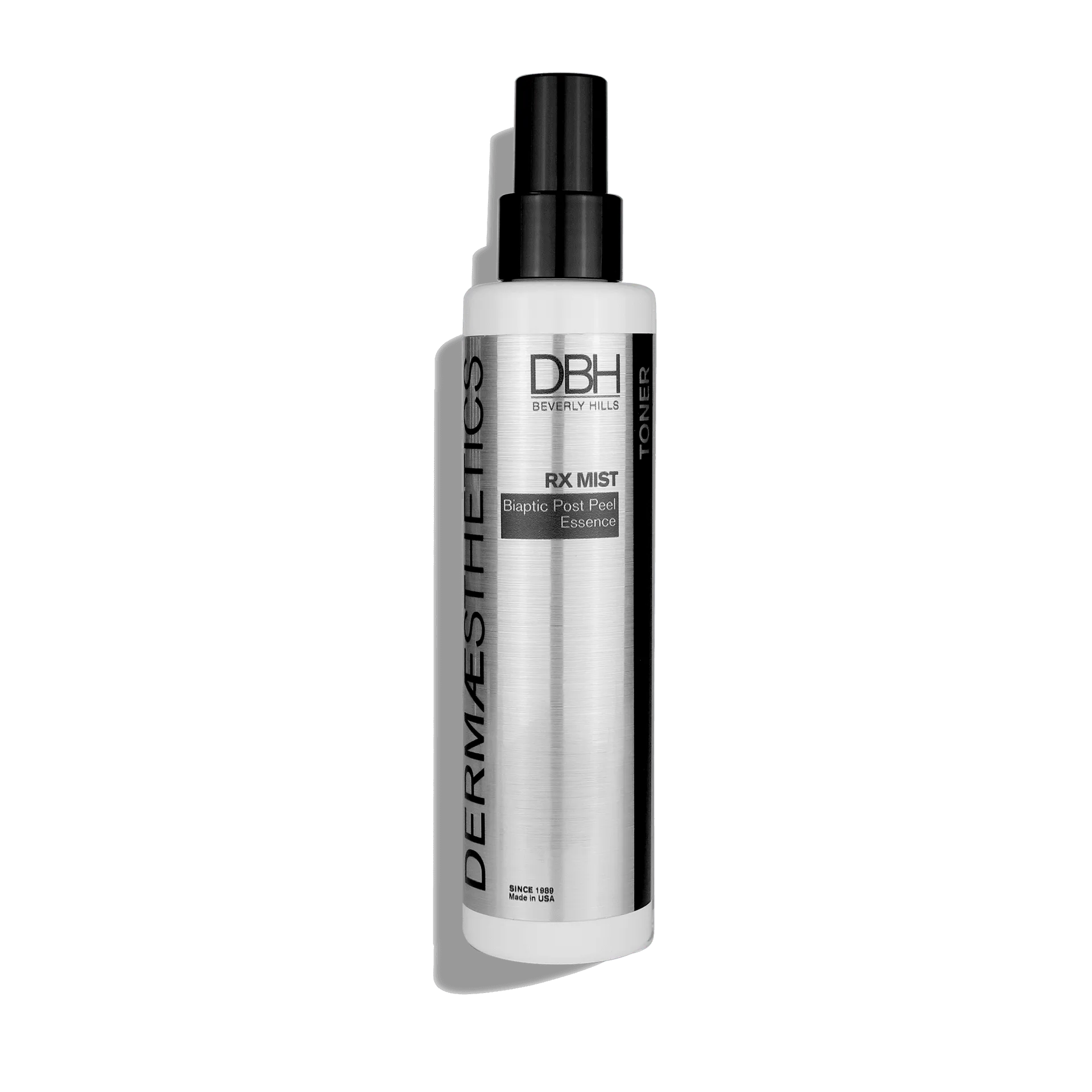
Listen to your skin. If you notice redness, flakiness, or excessive tightness, reduce the frequency. It's also wise to pair your clay mask with hydrating and soothing products to maintain balance. After rinsing off the mask, follow with a hydrating toner like the RX Mist, which helps to calm and refresh the skin, and then apply a moisturizer to seal in hydration.
- 2-3 times a week is ideal for oily skin, but adjust based on your skin's reaction.
- Always follow up with a hydrating toner and moisturizer after masking.
Aftercare: Essential Steps to Maximize Results
The steps you take after removing a clay mask are just as important as the mask itself. Once you've rinsed off the mask, your pores are clean and primed for absorption. This is the perfect time to apply a serum or treatment that targets your specific concerns. For oily skin, look for serums with niacinamide or salicylic acid to control oil and prevent breakouts.
Hydration is crucial even for oily skin. Skipping moisturizer after a clay mask can send your skin into overdrive, producing more oil to compensate. Apply a lightweight, oil-free moisturizer like the Skin Balance Cream to keep your skin hydrated and balanced. You can also use a hydrating sheet mask or a gel-based moisturizer for an extra boost.
- Apply a hydrating serum or treatment immediately after masking.
- Never skip moisturizer – it prevents rebound oiliness.
- Use a lightweight, oil-free moisturizer to avoid clogging pores.
Common Mistakes to Avoid When Using a Clay Mask
One of the biggest mistakes people make is leaving the clay mask on for too long. It's tempting to wait until it's completely cracked and dry, but this can cause severe dehydration and irritation. Another mistake is applying the mask to dirty or makeup-covered skin, which prevents the clay from penetrating and can trap impurities. Always start with a clean face.
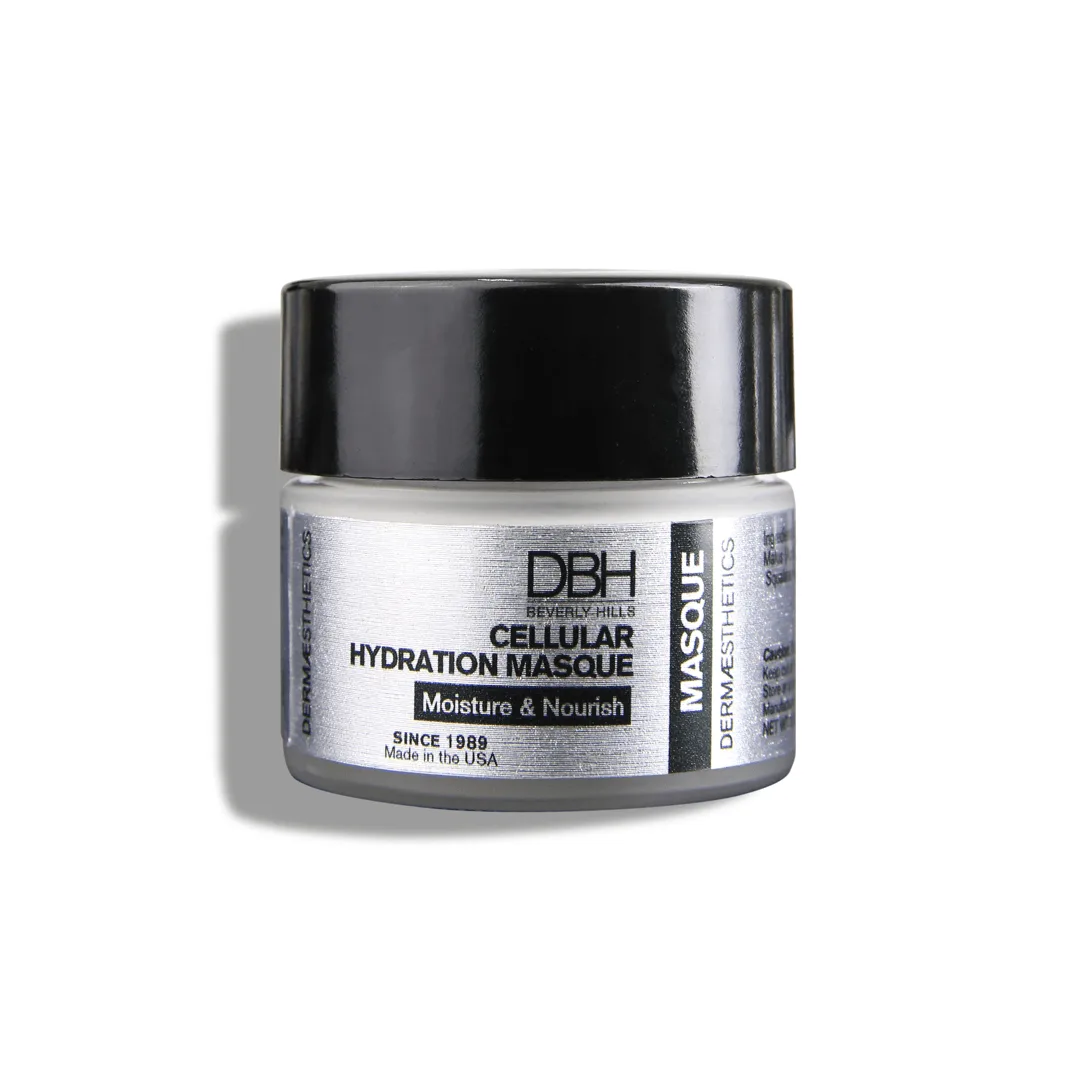
Additionally, avoid using clay masks too frequently or in combination with other strong exfoliants, such as physical scrubs or high-strength acids. This can lead to over-exfoliation and damage your skin barrier. If you're using a BHA or AHA exfoliant, schedule your clay mask on different days. For a comprehensive routine, consider a product like the Cellular Hydration Masque, which provides deep hydration and can be used on alternate days to nourish your skin.
- Don't leave the mask on until it cracks – rinse before it fully dries.
- Always apply to clean skin.
- Avoid over-exfoliating by alternating clay masks with other active treatments.
Korean Skincare Tips for Oily Skin: Beyond the Clay Mask
Korean skincare emphasizes balance and hydration, even for oily skin. The philosophy is to keep the skin barrier healthy so it can regulate oil production naturally. Incorporate a gentle double cleanse, use a pH-balanced toner, and never skip moisturizer. Lightweight, gel-based moisturizers are perfect for oily skin types.
In addition to your clay mask, consider adding a vitamin C or antioxidant serum to your morning routine to protect against environmental stressors. And of course, always wear sunscreen during the day. For a complete solution, you might explore the Routine: Melasma Set, which includes products designed to brighten and even skin tone, complementing your oil-control efforts.
- Korean skincare focuses on hydration and barrier health, not over-drying.
- Incorporate a gentle double cleanse and pH-balanced toner.
- Use sunscreen daily to prevent hyperpigmentation and premature aging.
Clay masks are a powerful tool in managing oily skin, but they must be used correctly to avoid over-drying and irritation. By choosing the right mask, applying it properly, and following up with hydration, you can enjoy a clearer, more balanced complexion. Ready to elevate your oily skin routine? Explore the Skin Balance Cream to keep your skin hydrated and balanced after masking, and experience the difference a well-rounded approach can make.