Quick answer
Use cleansing grains no more than two or three times a week, and only if your skin tolerates them. Mix a small amount with water into a soft paste, press and roll it over damp skin with your fingertips, then rinse. Skip the grains on days your skin stings, flakes, or feels tight, and never scrub hard to make them work faster.
Why cleansing grains can tip into over-exfoliation
Cleansing grains are usually made from ground seeds, oats, or clays that physically lift dead cells when you massage them over your face. That manual action is the point, but it is also the risk: pressure and frequency matter more than the powder itself. If you press hard or use them daily, you remove the surface cells that help hold in moisture, and your skin can respond with redness, tightness, or extra oil.
The difference from a face scrub is mostly texture and how you control it. Many scrubs contain suspended beads or larger particles in a cream base, so the grit is fixed. Cleansing grains are dry, so you decide how much water to add. A wetter, thinner paste is gentler; a thick, dry paste drags across the skin. That control is useful, but it also means the same product can be mild or harsh depending on how you mix and apply it.
How to mix and apply cleansing grains gently
Start with a clean, damp face. Pour about a half-teaspoon of grains into your palm, add a few drops of water, and stir with one finger until it looks like thin oatmeal, not sand. If the paste still feels scratchy, add more water. Apply it with the flat of your fingers and use small circles for no more than 20 to 30 seconds, avoiding the eye area and any active breakouts.
Rinse with lukewarm water and pat dry. Follow with a moisturizer or balm while the skin is still slightly damp. If you use a cleansing grain as your only cleanser, check whether your skin feels clean but not squeaky. A squeaky, tight feeling after rinsing is a sign the grains were too aggressive for that day. For sensitive skin, test the paste on your jawline first and wait a few hours before using it on the full face.
How often to use cleansing grains
For most skin types, two or three times a week is enough. Oily skin may tolerate every other day, while dry or sensitive skin often does better with once a week or less. The goal is gentle exfoliation natural skincare, not a daily scrub. If you also use retinol, acids, or a physical brush, space those out so you are not layering exfoliation on the same day.
Watch how your skin feels the morning after. If it looks calm and feels soft, your frequency is probably fine. If it feels tight, looks shiny in a stripped way, or stings when you apply moisturizer, cut back to once a week or pause for a week. You can always add a session back later.
When to stop and choose a different option
Stop using cleansing grains if you see persistent redness, flaking, burning, or tiny bumps that were not there before. Those are signs your skin barrier needs a break, not more scrubbing. Go back to a mild cleanser and a moisturizer for one to two weeks. If your skin does not settle, or if you have a diagnosed skin condition, ask a dermatologist before resuming any exfoliant.
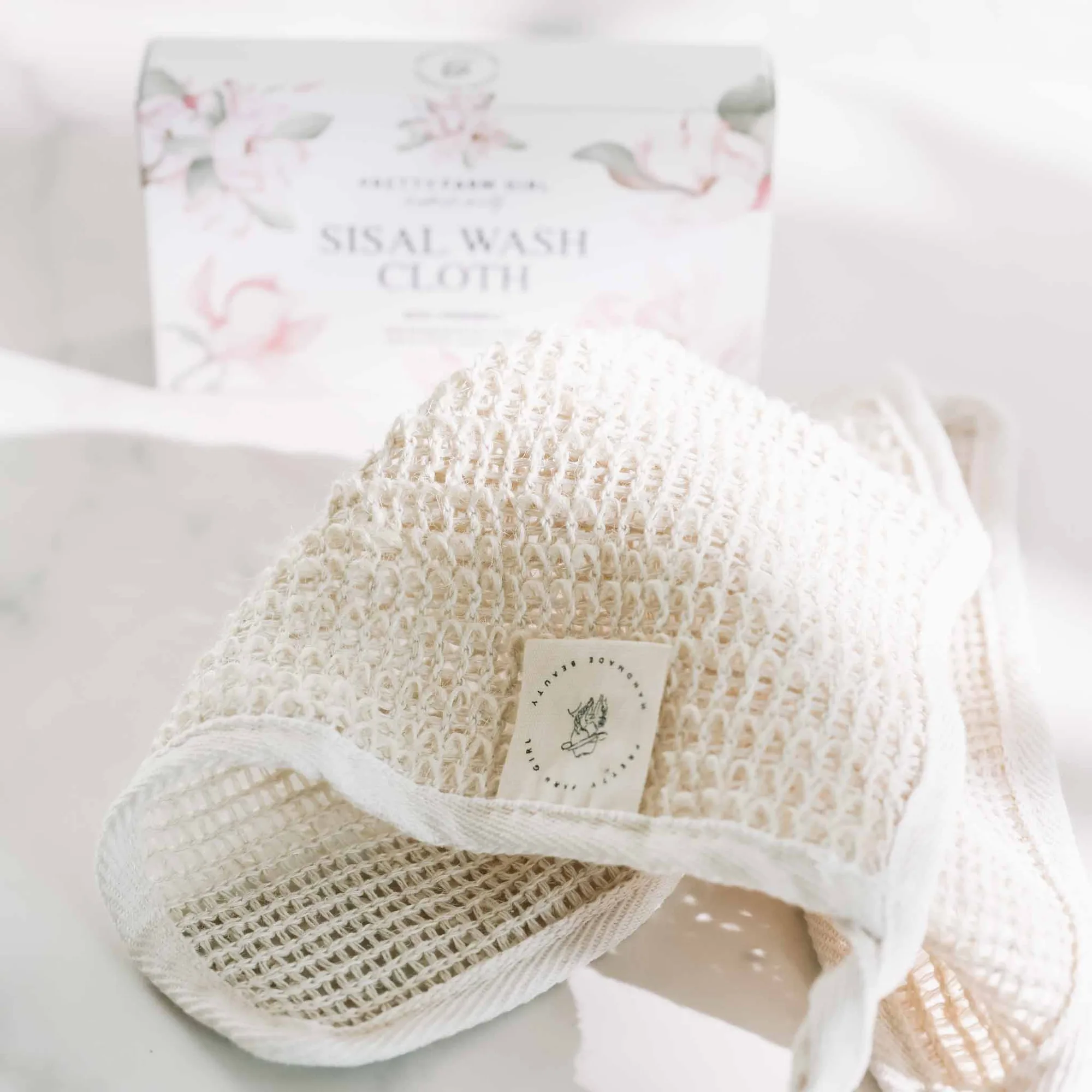
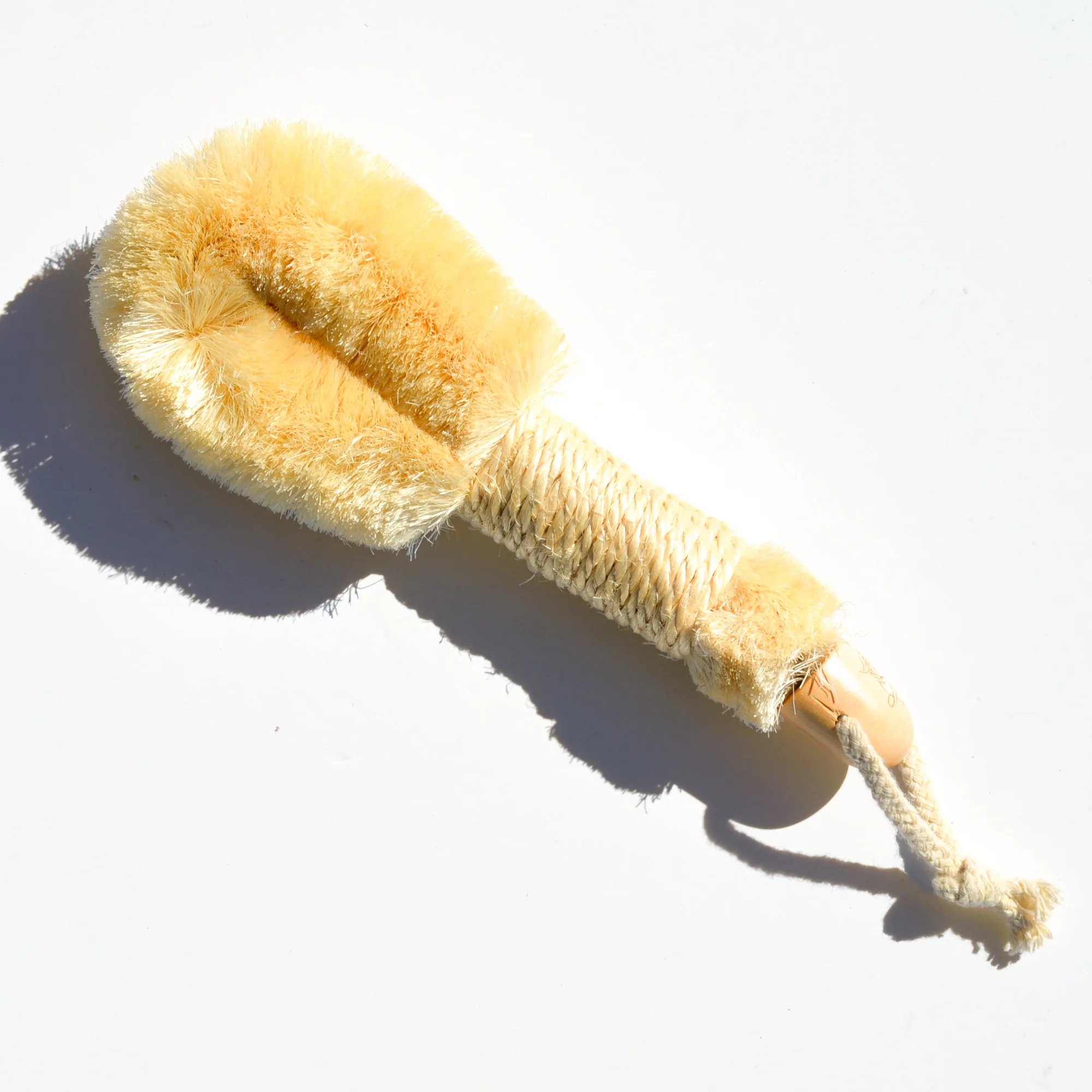
If you want exfoliation but grains feel too rough, a soft wash cloth or a gentle dry brush may be a better fit. A sisal cloth used with a creamy cleanser gives light friction with less loose grit, and a dry brush used before showering is easier to keep away from the delicate eye area. Neither is automatically gentler, but both let you control pressure more steadily than a handful of dry grains.
Diagnose your cleansing grain reaction
- Symptom: tight, squeaky skin right after rinsing: Likely cause: the paste was too thick, you pressed too hard, or you used grains more often than your skin needs. Corrective action: mix a wetter paste, use fingertips only, and cut back to once a week for two weeks. If tightness fades, stay at once a week and add a second session only if skin stays comfortable.
- Symptom: redness or stinging when you apply moisturizer: Likely cause: over-exfoliating with cleansing grains has compromised the surface, especially if you also use acids or retinol. Corrective action: stop all exfoliation, use a mild cleanser and moisturizer, and wait until skin feels normal for several days. If stinging continues beyond a few days, see a dermatologist before restarting grains.
- Symptom: flaking or new tiny bumps: Likely cause: too much physical friction or a reaction to an added ingredient in the grains. Corrective action: pause grains and simplify your routine to cleanser, moisturizer, and sunscreen. Reintroduce one product at a time. If the bumps clear, choose a softer exfoliation method such as a damp wash cloth instead of grains.
- Symptom: no irritation but you want more exfoliation: Likely cause: your current frequency is tolerable but you are tempted to scrub harder or more often. Corrective action: keep the same frequency and change the tool instead, such as using a sisal cloth with a creamy cleanser on non-grain days. Do not increase pressure or frequency just to feel more grit. More friction is not better.
Products that support gentle exfoliation
- Sisal Exfoliating Wash Cloth: The Sisal Exfoliating Wash Cloth is made from plant-based sisal fibers and is compostable. The brand recommends replacing it every 2-3 months and letting it air dry. A cloth gives you a reusable, low-grit option for days you want light exfoliation without mixing grains. Because it is compostable and needs air drying, it fits a natural routine but requires a replacement schedule.
- Sisal Exfoliating Dry Brush: The Sisal Exfoliating Dry Brush uses natural sisal fibers and is described as gentle enough for sensitive skin. It is intended for dry brushing to stimulate circulation and support lymphatic drainage. If cleansing grains feel too abrasive on your face, a dry brush used on the body before showering can be a separate way to exfoliate without touching your facial skin.
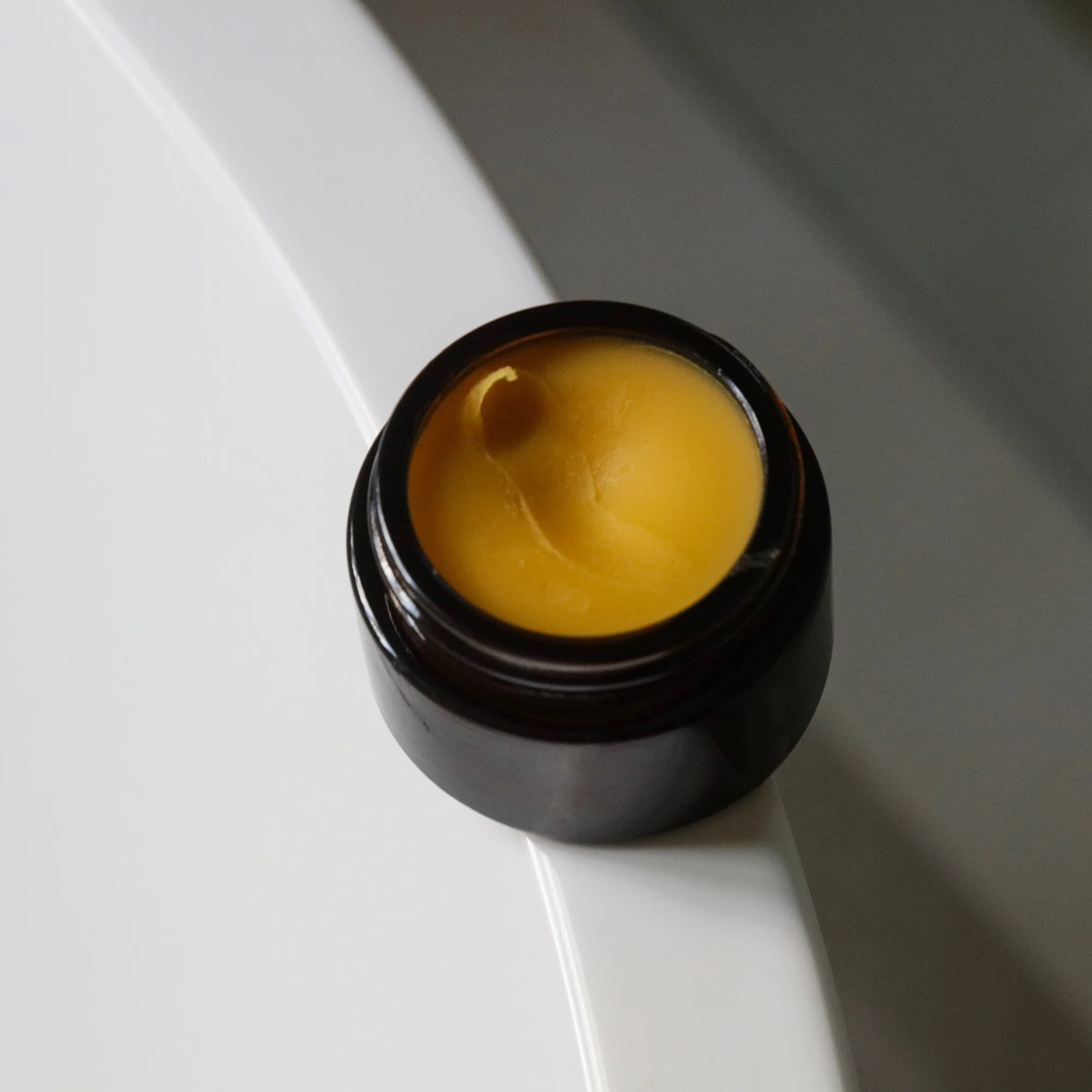
- Gold Balancing Face Balm - 0.5oz: The Gold Balancing Face Balm is a beeswax-free balm designed to hydrate dry skin, soften fine lines and scarring, and sink in without blocking pores. It is described as suitable for all skin types. After any exfoliation, a concentrated balm can help replace moisture while your skin is still damp. Because it is beeswax-free, it may suit readers who avoid beeswax but still want a rich finish.