Quick Answer
Conversation cards are a simple, low-pressure tool to warm up teams, break silos, and unlock creative thinking. Use them as structured icebreakers at the start of meetings or as brainstorming prompts to explore ideas from fresh angles. Choose a set that matches your team's interests and meeting goals.
Meetings often start with awkward silence or jump straight into business, leaving little room for connection or creative thinking. Conversation cards offer a lightweight, structured way to change that. By asking a thought-provoking question, you can get everyone talking, listening, and thinking together—whether you're in a conference room or on a video call.
In this guide, you'll learn how to use conversation cards for team meetings and brainstorming. We'll cover where to start, which sets work best for different situations, and common mistakes to avoid, so you can run sessions that feel natural and productive.
Why Conversation Cards Work in a Work Setting
Conversation cards are not just for dinner parties. In a work context, they serve as neutral ground: everyone gets a turn, no one feels put on the spot, and the question format keeps things light. This is especially useful for remote teams, where informal chats happen less often.
They also help with brainstorming. A question like 'What’s one wish you would like to fulfill for someone you know?' might not sound work-related, but it can unlock empathy and out-of-the-box thinking that carries over into problem-solving. The key is to frame the activity clearly and keep it time-boxed.
- Use cards as a warm-up to shift from 'task mode' to 'people mode'.
- Pick a question that relates to the meeting's theme without being too on-the-nose.
Choosing the Right Conversation Card Set for Your Team
Not all conversation card sets are the same. For a general team meeting, a versatile set like 'Who Knew? Conversation Cards' can work well because its zany mix of questions is designed to get people talking and is perfect for family dinners, game nights, or any time you want to spark a great conversation. That same energy translates to a team that needs a laugh and a fresh perspective.
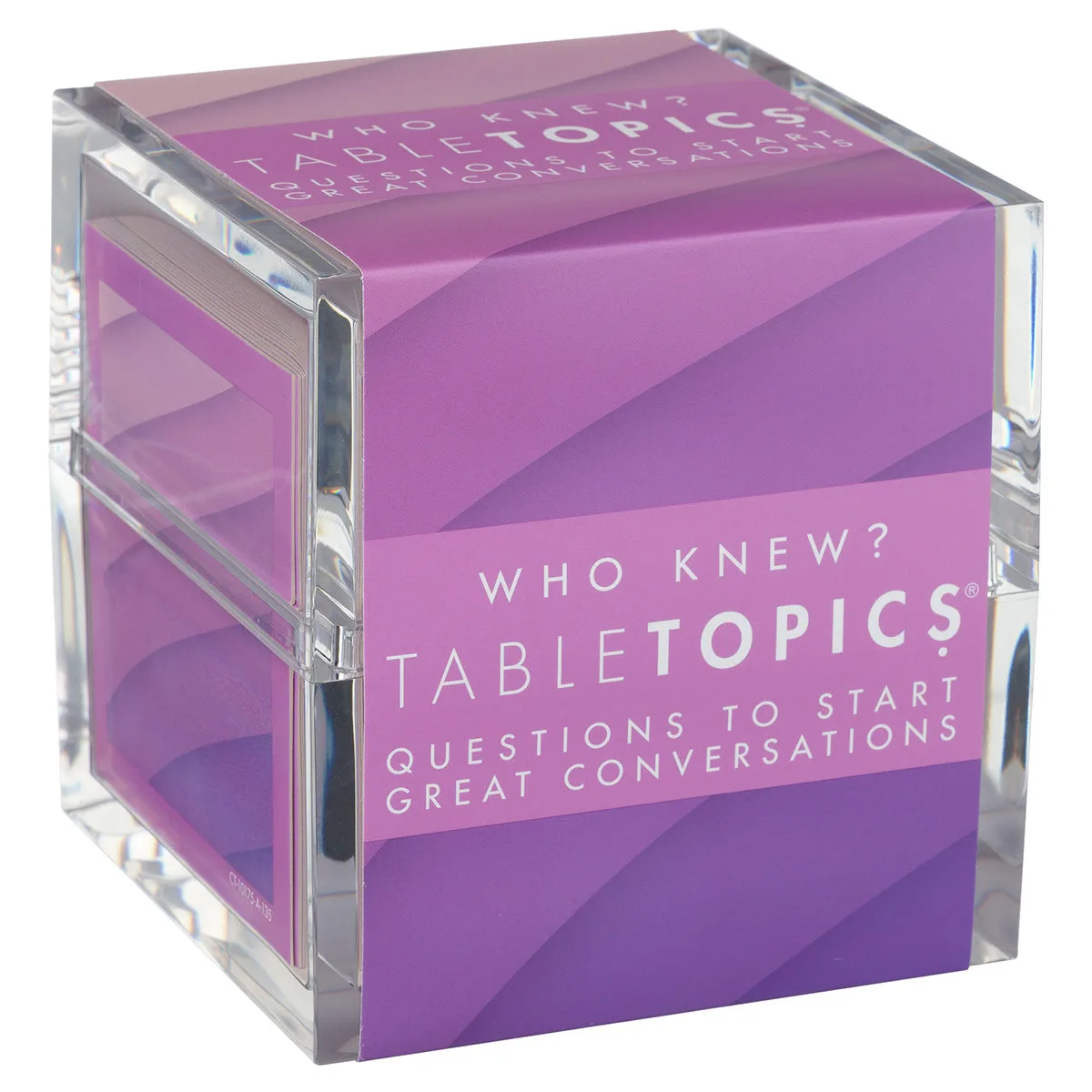
Who Knew? Conversation Cards
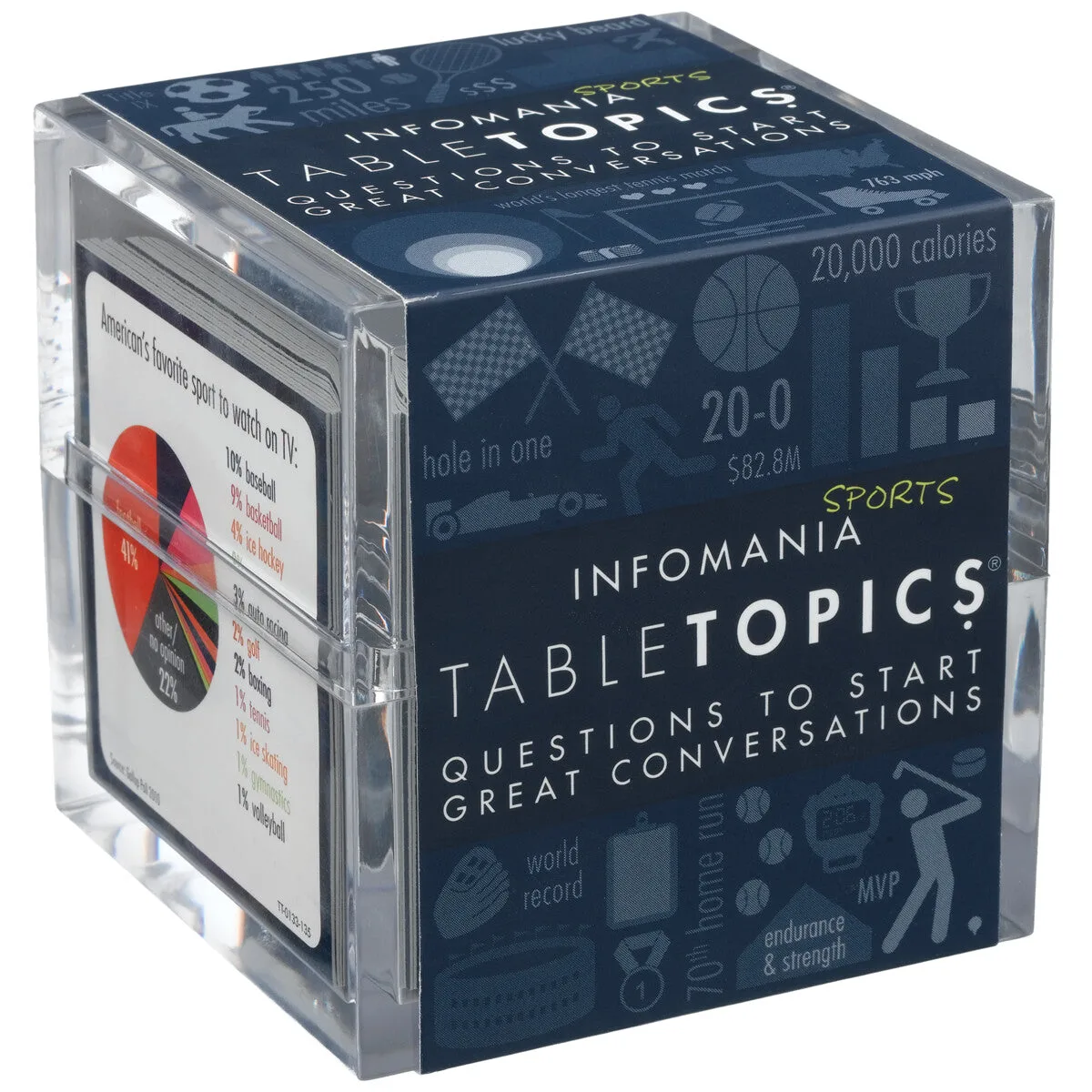
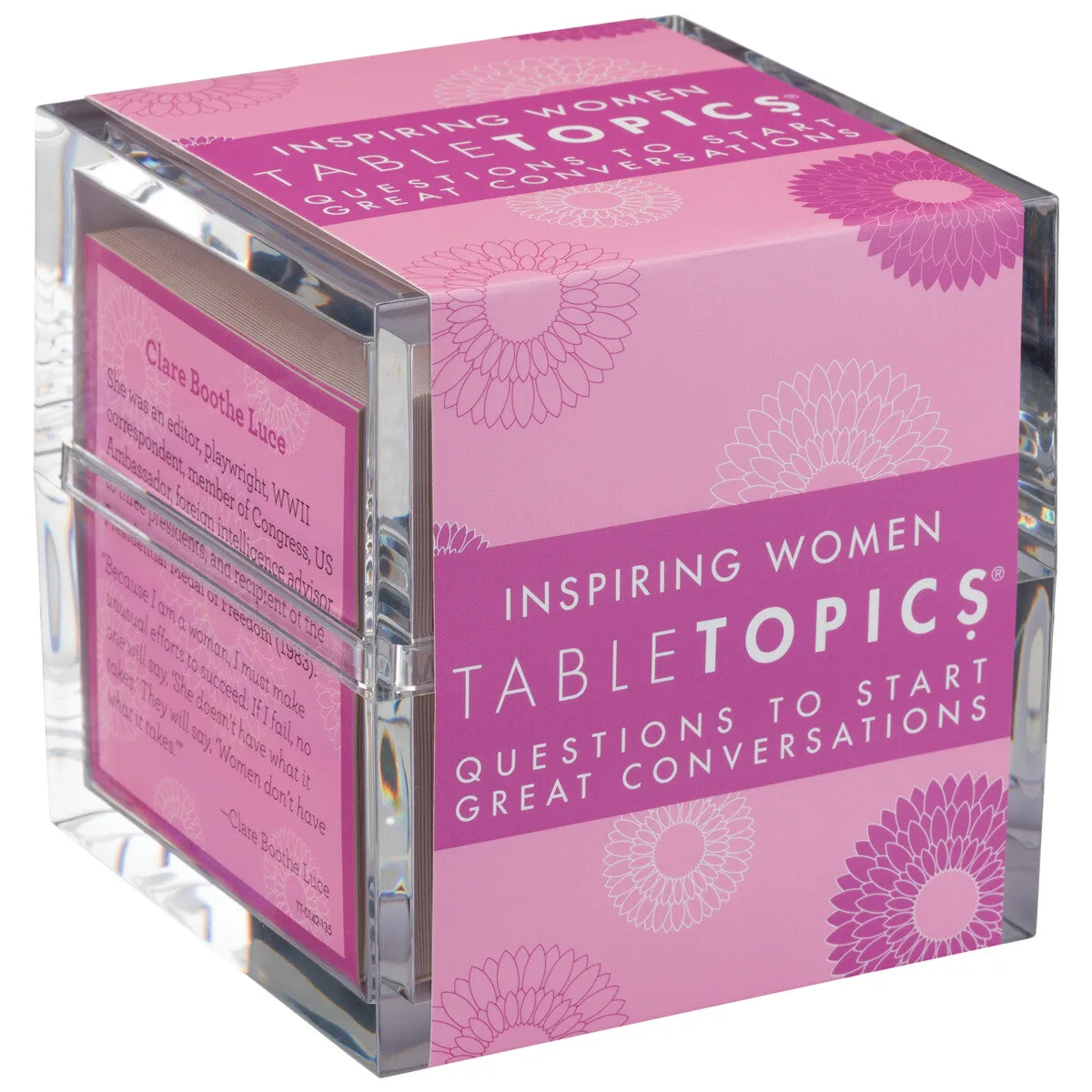
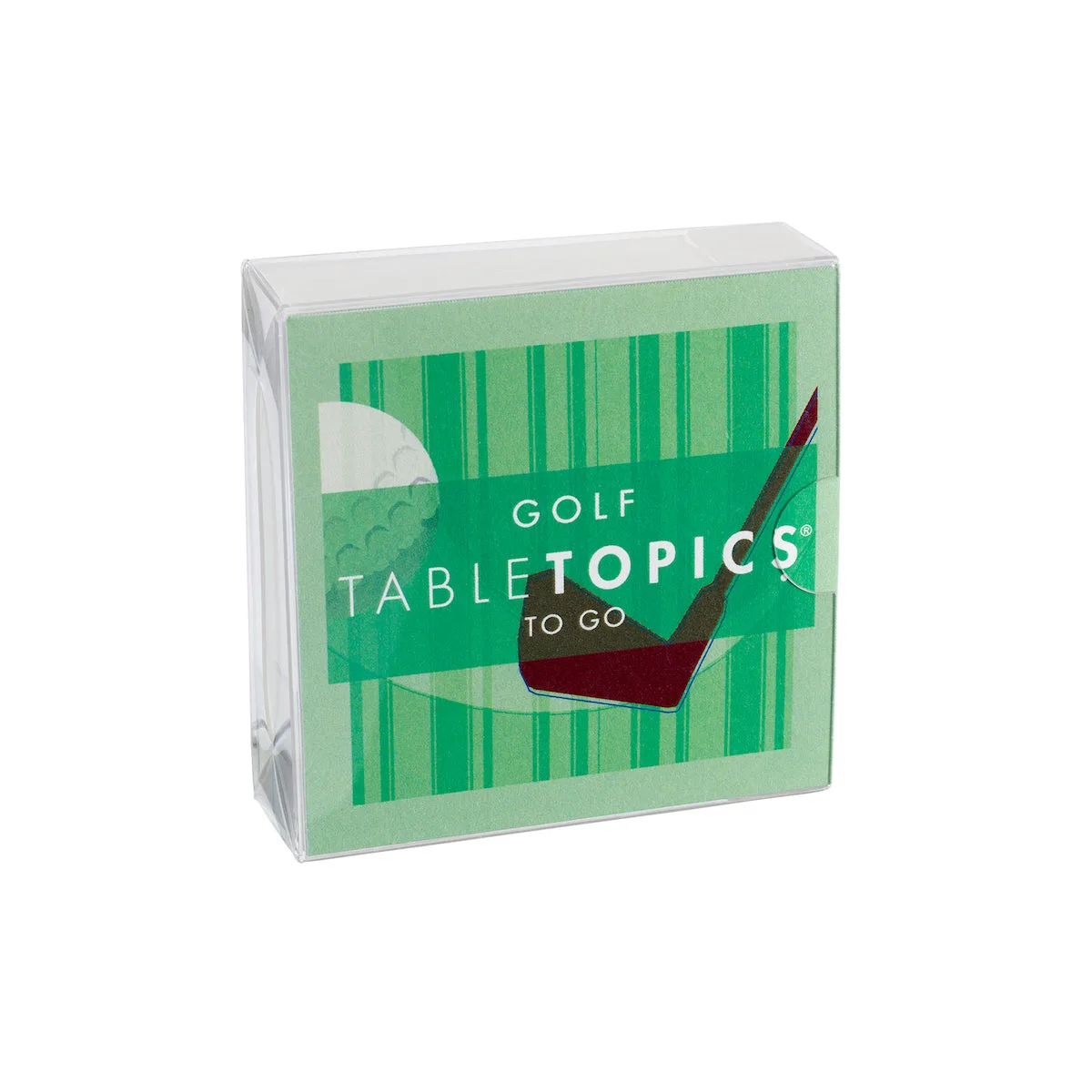
If your team is sports-crazy, consider 'Infomania Sports Conversation Cards' or 'Golf To Go Conversation Cards'. These themed sets tap into personal passions, making it easier for people to open up. For a more reflective session, 'Inspiring Women Conversation Cards'—with questions about accomplishments and character—can help a team think about values and legacy.
- Match the set to your team's interests: sports, hobbies, or general curiosity.
- Keep a few sets on hand so you can rotate themes.
How to Use Conversation Cards as Meeting Icebreakers
Icebreakers work best when they're short and inclusive. Start by explaining the purpose: to get to know each other better and to warm up for the meeting. Then, draw a card and give each person 30–60 seconds to answer. You can go around the room or let people pass if they prefer—though most will join in once they hear others' answers.
A common mistake is forcing everyone to answer a question they're not comfortable with. Instead, allow a 'pass' option and model a light-hearted answer yourself. This builds trust and makes the activity feel safe.
- Set a timer to keep the icebreaker under 5 minutes.
- Use the same question for the whole team to create a shared experience.
Using Conversation Cards to Fuel Brainstorming Sessions
Brainstorming often gets stuck because people think too narrowly or fear judgment. Conversation cards can break that pattern by introducing random, open-ended prompts. For example, a question like 'If you were offered a seat on the next space flight, would you take it?' (from Inspiring Women) might seem unrelated, but it can spark metaphors about risk and adventure that apply to a new project.
To use cards for brainstorming, first state the problem you're trying to solve. Then, draw a card and challenge the team to connect the answer to the problem. This forced connection often leads to novel ideas. Keep the session playful and defer judgment—write down all ideas, no matter how wild.
- Pair each brainstorming prompt with a specific business challenge.
- Encourage 'yes, and...' responses to build on each other's ideas.
Tips for Virtual and Hybrid Teams
Conversation cards work just as well on Zoom or Teams. You can share your screen with the question visible, or read it aloud. For hybrid meetings, make sure remote participants get a turn before moving on, and consider using a digital whiteboard to capture answers.
One mistake is letting the icebreaker drag on because people start side conversations. Keep it structured: one question, one round, and then transition to the agenda. This respects everyone's time and keeps the energy focused.
- Use breakout rooms for smaller groups to increase participation.
- Have a facilitator keep track of time and gently move things along.
Step-by-Step: How to Run a Conversation Card Session at Work
- Set the intention: Decide whether the session is for team bonding, brainstorming, or both. Choose a card set that matches the mood and goal. Checkpoint: Ensure the chosen set's questions align with your objective—mismatched topics can derail the session.
- Explain the rules and time limit: Tell participants they'll each get a turn to answer, and they're welcome to pass. Keep the activity to 5–10 minutes for icebreakers or 15–20 for brainstorming. Common mistake: Skipping the explanation leads to confusion. Always set expectations upfront.
- Draw a card and start the round: Read the question aloud and give everyone a moment to think. For brainstorming, ask participants to connect their answer to the work problem. Checkpoint: Model an answer yourself to demonstrate the level of depth and encourage participation.
- Facilitate the discussion: Go around the room or call on people randomly. Keep the energy positive and avoid letting one person dominate. Common mistake: Allowing tangents to go on too long. Use a timer and gently steer back to the agenda.
- Wrap up and connect to work: Summarize key insights or ideas that emerged, and explicitly link them to the meeting's goals. Thank everyone for sharing. Checkpoint: If the activity felt disconnected, note what you'd change next time—maybe a different set or a shorter format.
Recommended Conversation Card Sets for Work
- Who Knew? Conversation Cards: The zany mix of questions in TableTopics® Who Knew? provides a fun way to get your family talking. Perfect for family dinner conversations, game nights, or anytime you want to spark a really great conversation that the kids will love and you will too! This set's playful tone works well as a team icebreaker, helping colleagues relax and bond over unexpected topics.
- Inspiring Women Conversation Cards: Thought-provoking: TableTopics® Inspiring Women has 135 conversation starter questions... Sample Questions: What’s one wish you would like to fulfill for someone you know? Would you like to be remembered for your accomplishments or your character? The reflective questions encourage deeper discussions about values and aspirations, making it a good fit for team-building or leadership workshops.
Conversation cards are a low-cost, high-impact tool for improving team meetings and brainstorming sessions. By choosing the right set and following a simple structure, you can turn routine meetings into opportunities for connection and creativity. Start small, experiment, and watch your team's engagement grow.