Quick Answer
Use conversation cards in the classroom as structured yet flexible tools for icebreakers, brain breaks, and discussion prompts. Start with low-stakes activities, set clear expectations, and adapt questions to your subject and grade level to keep students engaged and building communication skills.
Conversation cards are more than just party games—they're powerful tools for teachers. Whether you're looking for classroom icebreakers at the start of the year or educational conversation starters to deepen understanding of a topic, these cards can transform your classroom dynamics. They help students practice speaking and listening, build community, and make learning more interactive.
This guide shows you how to use conversation cards effectively, with step-by-step activities, common pitfalls to avoid, and product recommendations that fit your teaching style. You don't need to be a seasoned facilitator; just a willingness to let conversations flow.
Why Use Conversation Cards in the Classroom?
Conversation cards provide a low-pressure way for students to share ideas. Unlike open-ended prompts that can feel intimidating, cards offer a specific question that everyone can answer. This levels the playing field for shy students and ensures that discussions stay on track.
They also support social-emotional learning by encouraging empathy and active listening. When used regularly, they can improve classroom climate and student relationships, which research shows boosts academic outcomes.
- Use them as a daily warm-up to build routine and predictability.
- Pair them with writing prompts to extend the activity.
- Rotate cards to keep topics fresh and inclusive.
Choosing the Right Cards for Your Classroom
Not all conversation cards are created equal. For younger students, look for decks with simple, imaginative questions like 'If you owned your own island, what would you do for fun?' from the Can You Imagine To Go Conversation Cards. For older students or subject-specific discussions, consider themed decks that align with your curriculum.
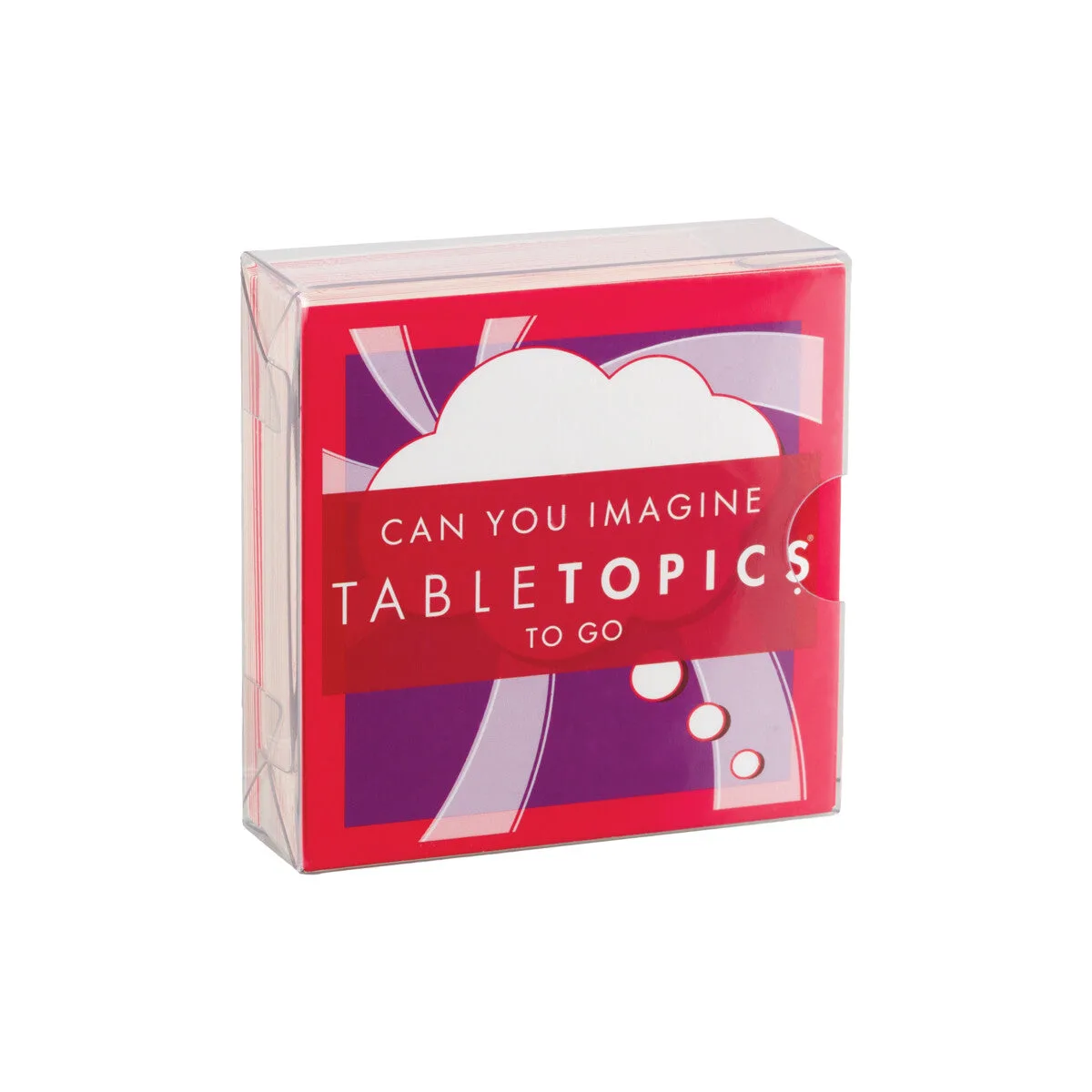
Can You Imagine To Go Conversation Cards
Consider the format: To Go decks are compact and easy to pass around, while tabletop sets offer more cards and a sturdy box for frequent use. The Kids Conversation Pack bundles three decks, giving you variety without extra cost.
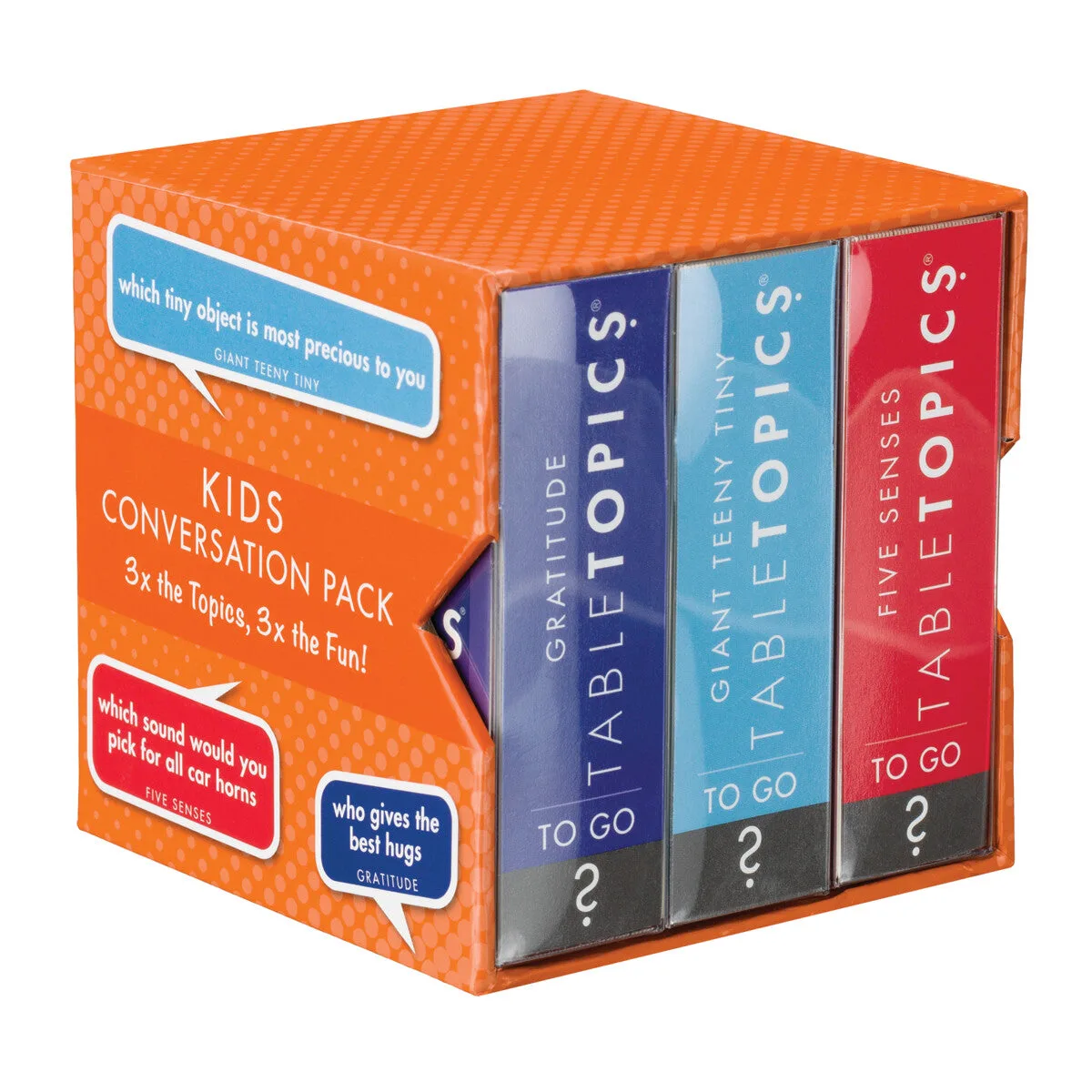
Kids Conversation Pack
- Check the age range and question complexity before purchasing.
- Choose decks with open-ended questions to encourage elaboration.
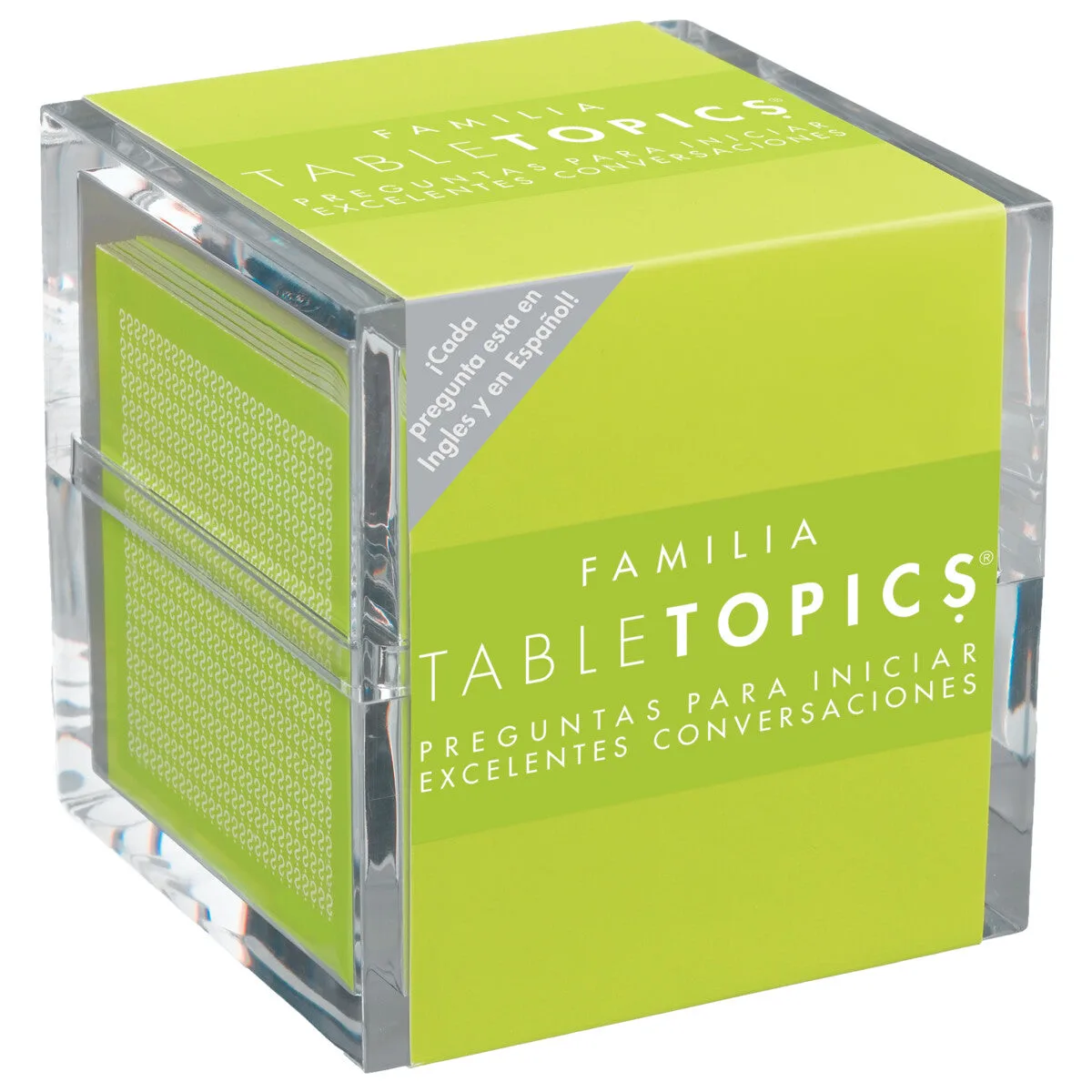
- If you teach language learners, bilingual options like Familia En Español can be a game-changer.
Step-by-Step Guide to Using Conversation Cards in Class
- Set Clear Expectations: Introduce the cards by explaining the purpose: to share ideas and listen. Establish rules like 'everyone gets a turn' and 'no wrong answers.' Model a response so students know what's expected. Common mistake: skipping this step leads to off-topic chatter. Checkpoint: students can repeat the rules.
- Start with a Low-Stakes Icebreaker: Use a simple, fun question like 'What's your favorite part of the day?' from the Kids Conversation Pack. Have students answer in pairs or small groups first, then share with the class. This builds comfort. Pitfall: putting shy students on the spot too early. Checkpoint: everyone participates in pairs.
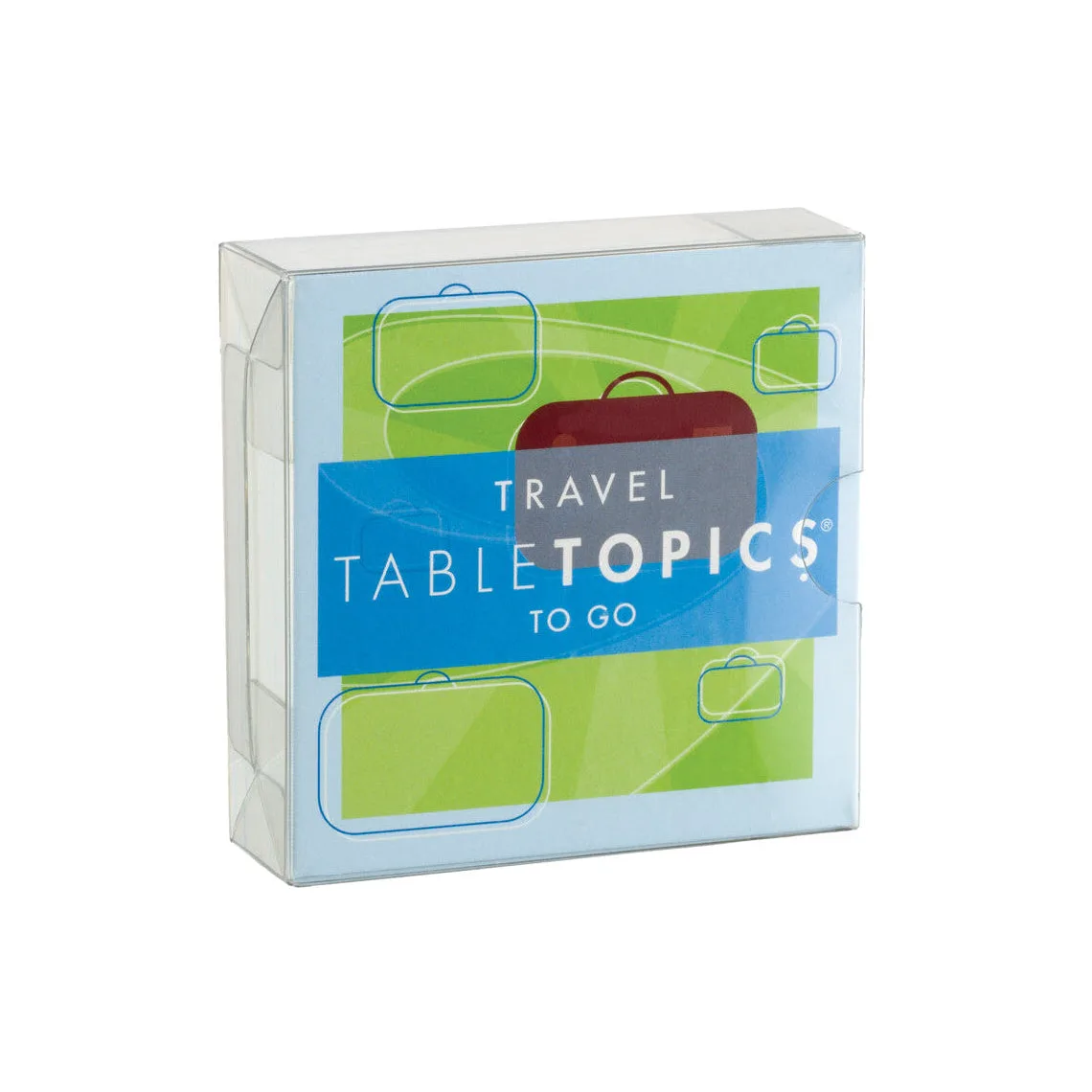
- Integrate Cards into Your Lesson: Select questions that relate to your subject. For example, in a social studies unit, use travel-themed questions from Travel To Go Conversation Cards to discuss culture and geography. This makes learning relevant. Mistake: forcing unrelated questions. Checkpoint: students can connect the question to the lesson.
- Use Cards as Brain Breaks or Transitions: Keep a deck handy for transitions between activities. Pull a card and ask for quick answers as students settle in. This refocuses attention. Common error: letting the activity drag on. Set a time limit.
- Reflect and Adjust: After the activity, ask students what they enjoyed and what they'd change. Use this feedback to choose better questions next time. Continuous improvement. Pitfall: repeating the same questions. Rotate decks.
Product Facts
- Can You Imagine To Go Conversation Cards: Ideal for families with school-age children and teachers. Includes 40 open-ended questions that inspire kids and grown-ups to share. These cards are perfect for quick classroom icebreakers or brain breaks, with questions that spark creativity and imagination.
- Kids Conversation Pack: A boxed set of three 40-card To Go decks on different topics, ideal for families and teachers. This pack gives you three themed decks in one, offering variety for different lessons or group activities without needing multiple purchases.
- Familia En Español Conversation Cards: Every question in both English and Spanish. Great for families learning conversational English or Spanish. In a bilingual classroom or ESL setting, these cards help students practice both languages while building confidence in discussion.
Conversation cards are a versatile addition to any classroom. By starting with clear expectations and integrating them into your routine, you'll foster a more connected and communicative learning environment. Try a few of these steps and see the difference for yourself.