Quick Answer
To deepen friendships with conversation cards, create a comfortable setting, choose the right deck for your group, and use open-ended questions to encourage genuine sharing. Rotate who asks and listens actively, then follow up on what you learn to show you care.
Friendships thrive on meaningful conversations, but in our busy lives, we often stick to surface-level topics like work and weather. Conversation cards for friends offer a simple, structured way to go deeper, whether you're catching up with an old friend or bonding with someone new.
These card decks are designed with thought-provoking questions that spark reflection and sharing. By using them intentionally, you can turn an ordinary coffee date or dinner party into an opportunity for real connection. Here's how to make the most of them.
Choose the Right Deck for the Occasion
Not all conversation cards are the same. Some are playful, others are introspective, and some are tailored to specific relationships. For deepening friendships, look for decks that encourage sharing personal stories and values. The Past Present Future Conversation Cards, for instance, ask questions like 'What's your most treasured photograph?' which naturally lead to nostalgic storytelling and comparisons of younger selves.
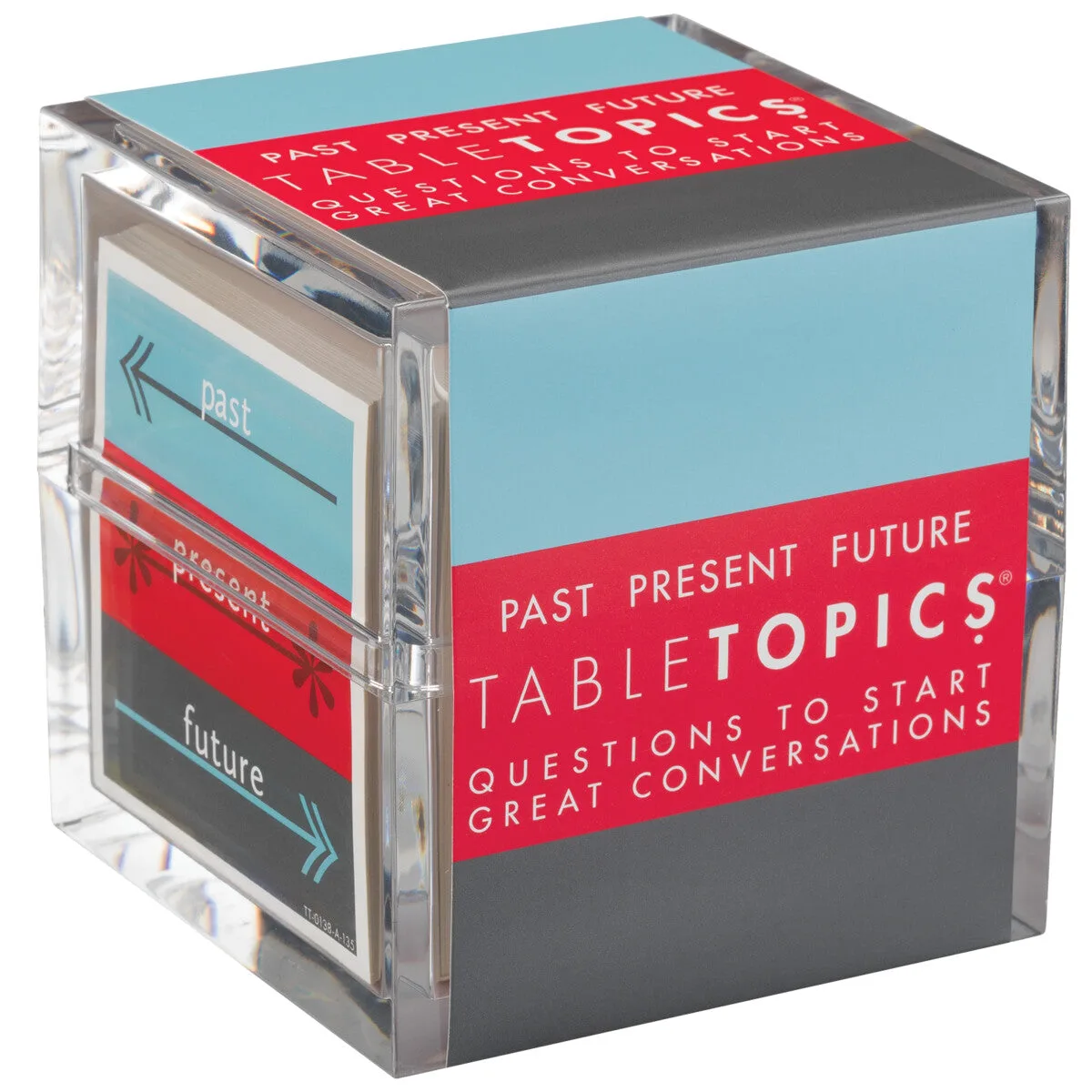
Past Present Future Conversation Cards
If you're with a group that enjoys humor and self-reflection, the Do-It-Yourself Therapy Conversation Cards include playful prompts like 'When was the last time you tried to push someone's buttons?' These can break the ice and lead to laughter, making it easier to open up later.
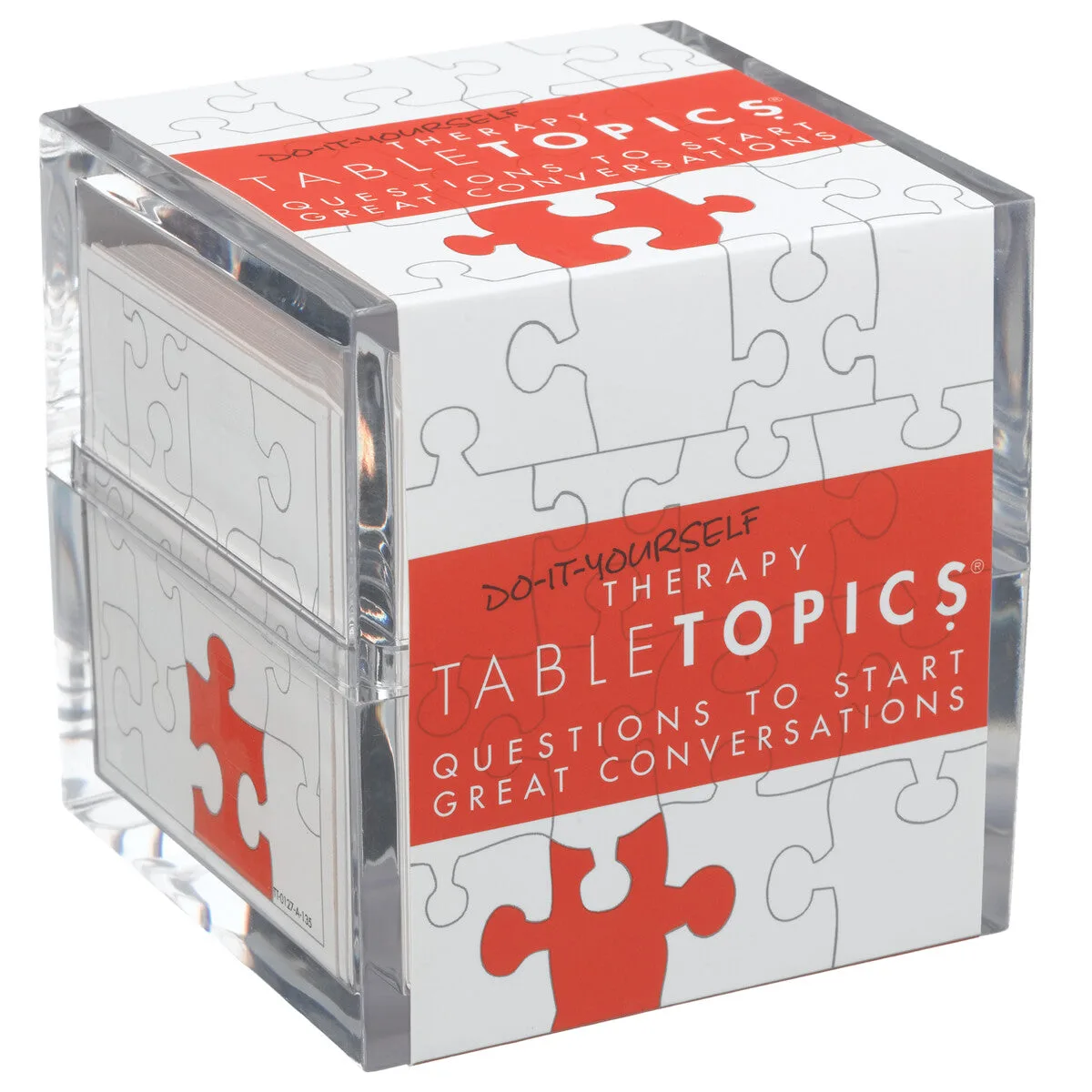
Do-It-Yourself Therapy Conversation Cards
- Match the deck to the mood: lighthearted for casual get-togethers, deeper for one-on-one time.
Set the Scene for Open Sharing
The environment plays a huge role in how willing people are to open up. Choose a quiet, comfortable space where everyone can sit facing each other without distractions. Turn off the TV and put phones away—this signals that the conversation is the main event.
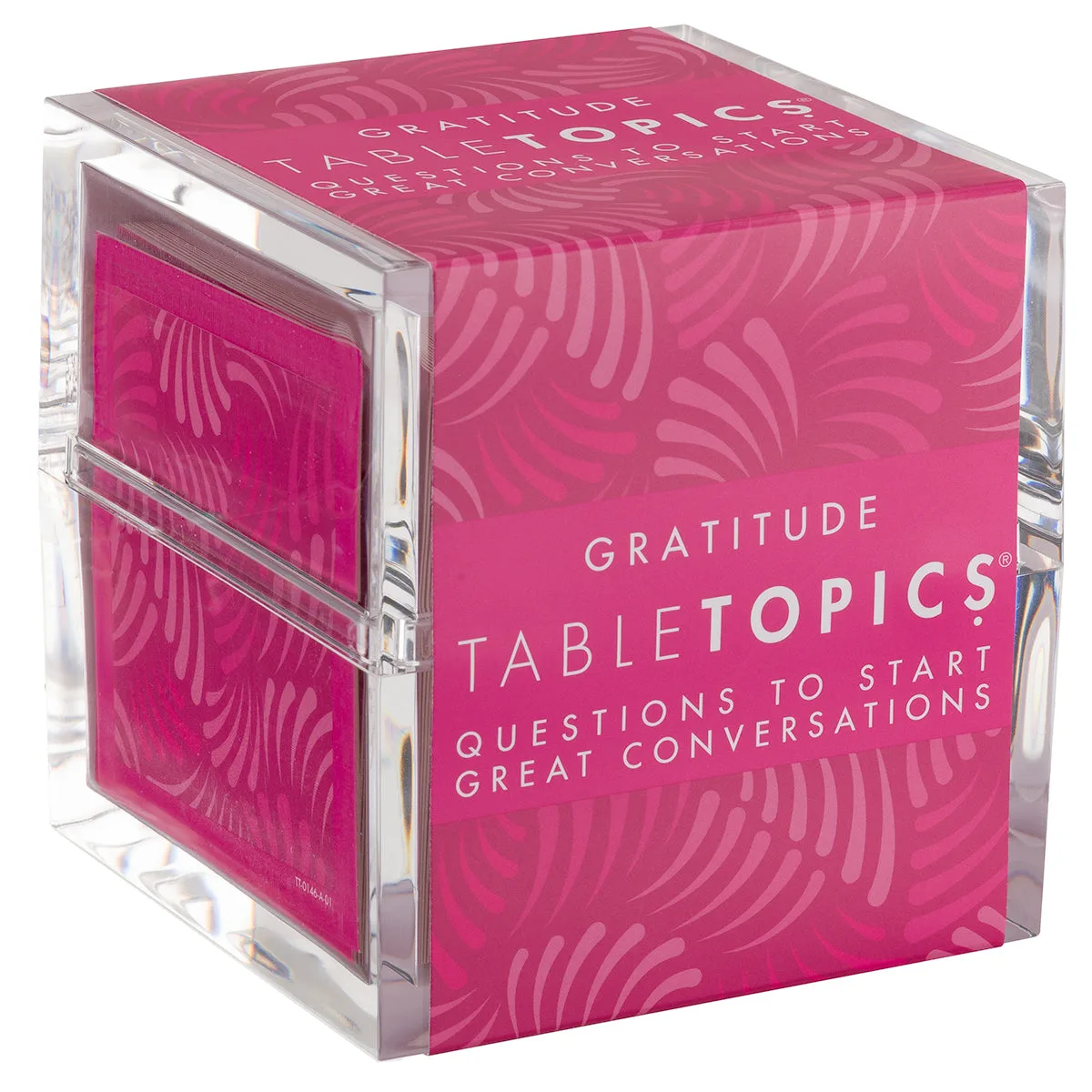
Start with a few easy questions to warm up. For example, the Gratitude Conversation Cards ask, 'Who makes you feel important?' which is a gentle but meaningful prompt. As the group relaxes, they'll naturally move to deeper topics.
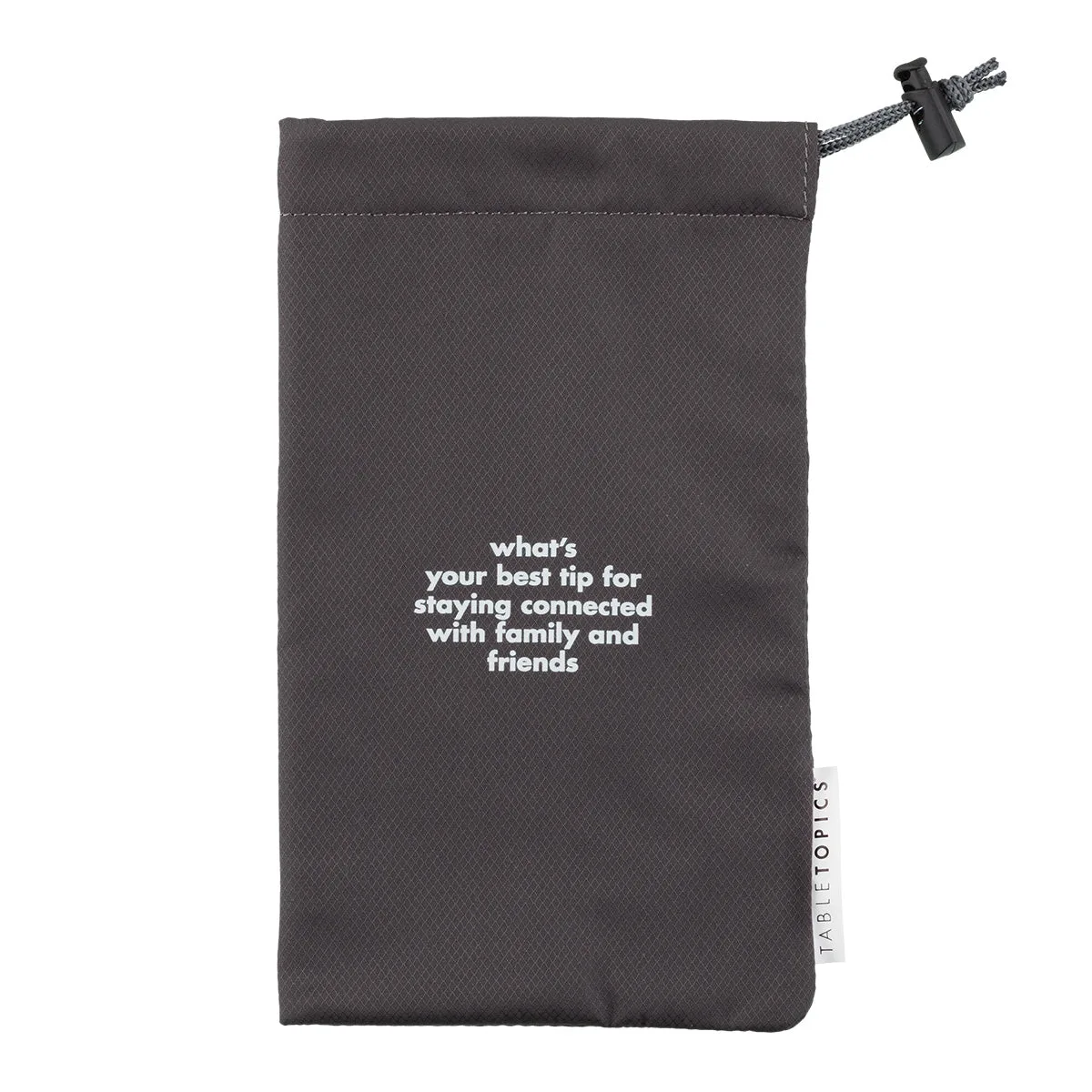
- Consider using a Phone Away Bag to keep devices out of sight and minds focused.
Practice Active Listening
The real magic happens when you listen to understand, not just to reply. When a friend answers a card, give them your full attention. Nod, maintain eye contact, and ask follow-up questions like 'How did that make you feel?' or 'Tell me more about that.'
Active listening shows respect and builds trust. It encourages your friend to share more, knowing they're being heard. This is the heart of using conversation starters for friends effectively.
- Resist the urge to jump in with your own story immediately—let their answer breathe.
Keep the Conversation Flowing Naturally
Don't treat the cards as a strict script. If a question sparks a tangent, follow it—that's often where the most meaningful exchanges happen. The cards are a starting point, not a rigid agenda.
You can also let each person draw a card and answer, then invite others to comment. This ensures everyone gets a turn and feels included. For smaller groups, you might go around the circle multiple times with different cards.
- If the conversation lulls, have a few extra cards ready to keep momentum.
Follow Up After the Conversation
Deepening friendships doesn't end when the cards go back in the box. Show your friend you were truly listening by bringing up something they shared days later. Send a text like, 'I've been thinking about what you said regarding your trip—have you looked into that photography class?'
Following up demonstrates that you value their thoughts and experiences. It turns a single conversation into an ongoing thread of connection, which is the essence of friendship building activities.
- Make a mental or written note of key things they mention—this small effort pays off.
Step-by-Step Guide to a Friendship-Deepening Card Session
- Pick the right moment and deck: Choose a relaxed setting and a deck that matches your friends' personalities. For nostalgic bonding, choose Past Present Future; for lighthearted fun, choose Do-It-Yourself Therapy. Checkpoint: Is the setting free from distractions? Does the deck feel appropriate for the group?
- Warm up with simple questions: Start with low-stakes prompts to get everyone talking. Ask about favorites or recent happy moments before moving to deeper topics. Checkpoint: Are people smiling and relaxed? If not, stay with lighter questions a bit longer.
- Take turns and listen actively: Let each person draw and answer a card. When someone speaks, give them your full attention and ask a follow-up question. Checkpoint: Did everyone get a chance to speak? Did you learn something new about a friend?
- Let the conversation wander: Don't rush through cards. If a response leads to a meaningful tangent, explore it. The cards are prompts, not a timer. Checkpoint: Is the conversation flowing naturally? Are people engaging with each other's stories?
- End with a plan to reconnect: Before wrapping up, mention a topic you'd like to revisit or set a date for the next gathering. This keeps the connection alive. Checkpoint: Did you agree on a follow-up? This turns a good conversation into an ongoing friendship habit.
Products That Help You Connect
- Past Present Future Conversation Cards: Sample questions include 'What's your most treasured photograph?' and prompts encourage recounting enjoyable stories from the past and comparing younger selves with who you are now. These questions naturally invite friends to share personal history, making them ideal for deepening long-term friendships.
- Gratitude Conversation Cards: They encourage you to share fondest memories, favorite experiences, and what you appreciate in people and the world around you. Focusing on gratitude helps friends notice the positives in their lives and each other, fostering a supportive and appreciative bond.
- Do-It-Yourself Therapy Conversation Cards: These lively, playful questions foster self-reflection, humor, and bonding between friends. For groups who enjoy humor, this deck adds fun while still encouraging meaningful self-disclosure, perfect for breaking the ice.
Conversation cards are more than just icebreakers—they're tools for building lasting friendships. By choosing the right deck, creating a safe space, and listening with intention, you can turn ordinary moments into meaningful memories. So grab a deck, invite a friend, and start asking the questions that matter.