Quick answer
Conversation cards can transform difficult conversations by providing structured prompts that encourage honest, empathetic dialogue. Start by choosing a safe setting, pick a card that resonates, and use active listening to keep the exchange constructive.
Difficult conversations are a part of life, whether you're addressing a misunderstanding with a partner, discussing sensitive topics with a teenager, or navigating generational differences. The challenge often lies in finding the right words and creating a space where both parties feel heard. Conversation cards offer a simple yet powerful tool to break the ice and guide the discussion in a productive direction.
Unlike free-form talks that can veer off course or become defensive, conversation cards provide a structured starting point. They give you a prompt to focus on, which reduces anxiety and helps everyone stay on the same topic. By using cards designed for deep connection, you can turn a potentially awkward or tense moment into an opportunity for genuine understanding.
Why Use Conversation Cards for Tough Talks?
When emotions run high, it's easy for conversations to spiral into blame or avoidance. Conversation cards act as a neutral ground—they offer a question or topic that both parties can address without feeling personally attacked. This is especially helpful in family settings where patterns of communication may be deeply ingrained.
family
Cards also help level the playing field. In a parent-teen dynamic, for example, a card can give the teenager a sense of control because it's the card 'speaking,' not the parent. Similarly, in couples, a card can prevent one partner from dominating the discussion. The structure encourages turn-taking and equal participation.
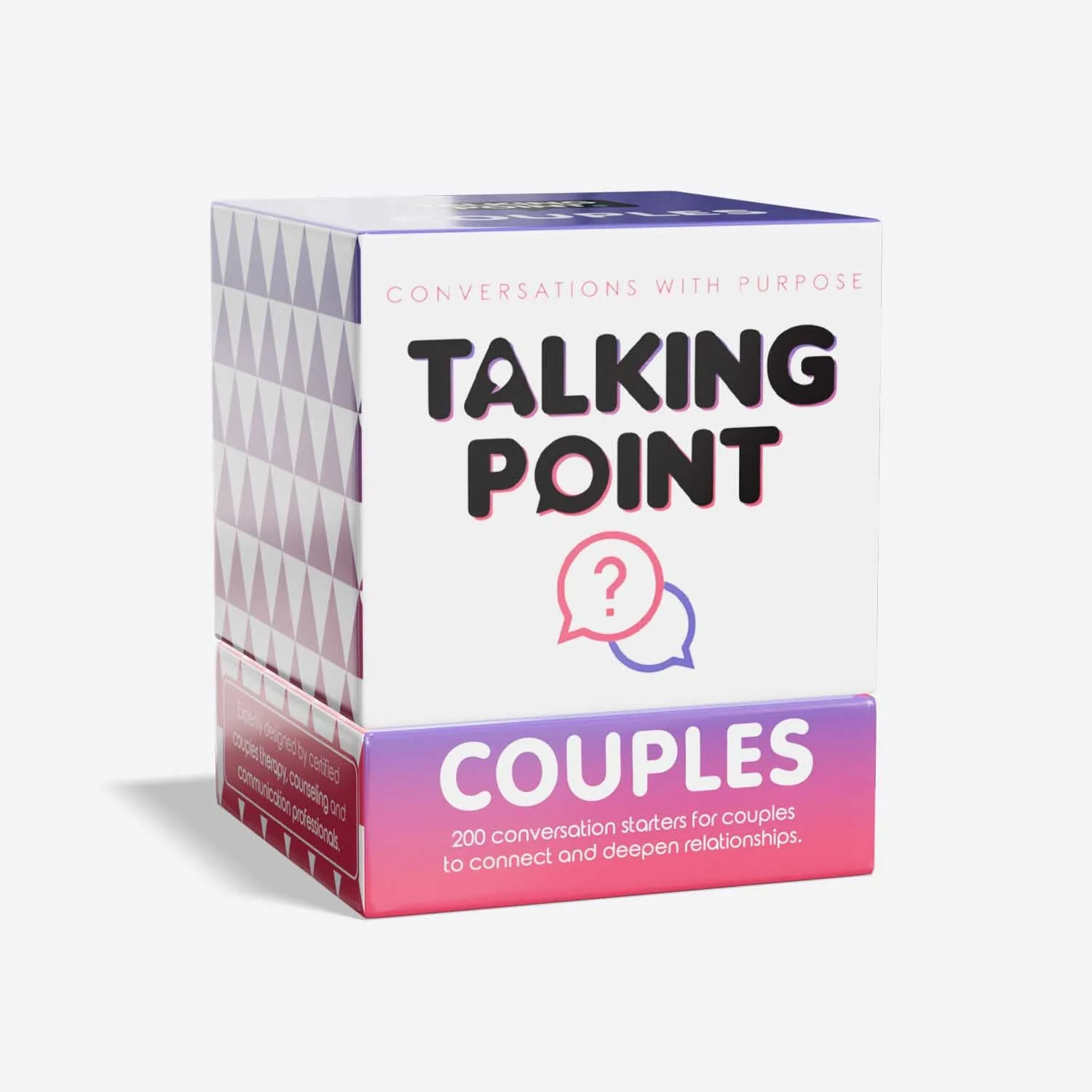
couples
- Use a card to open the conversation, then let it flow naturally—don't treat it like a script.
- Choose a card that feels relevant to the issue at hand, but don't force it if a better topic emerges.
Setting the Stage for Success
Before you even pick a card, consider the environment. A quiet, private space with minimal distractions is essential. For family conversations, that might mean turning off the TV and putting phones away. For couples, it could be a regular weekly check-in where you both know this time is reserved for deeper talks.
Timing matters too. Avoid starting a difficult conversation when you're both tired, hungry, or stressed. Instead, choose a moment when you're relatively calm and have enough time to really talk. Rushing a sensitive discussion can leave issues unresolved and increase frustration.
- Agree on a 'safe word' or signal to pause the conversation if it becomes too heated.
- Set a time limit for the initial discussion, so you don't feel pressure to solve everything at once.
Choosing the Right Deck for Your Situation
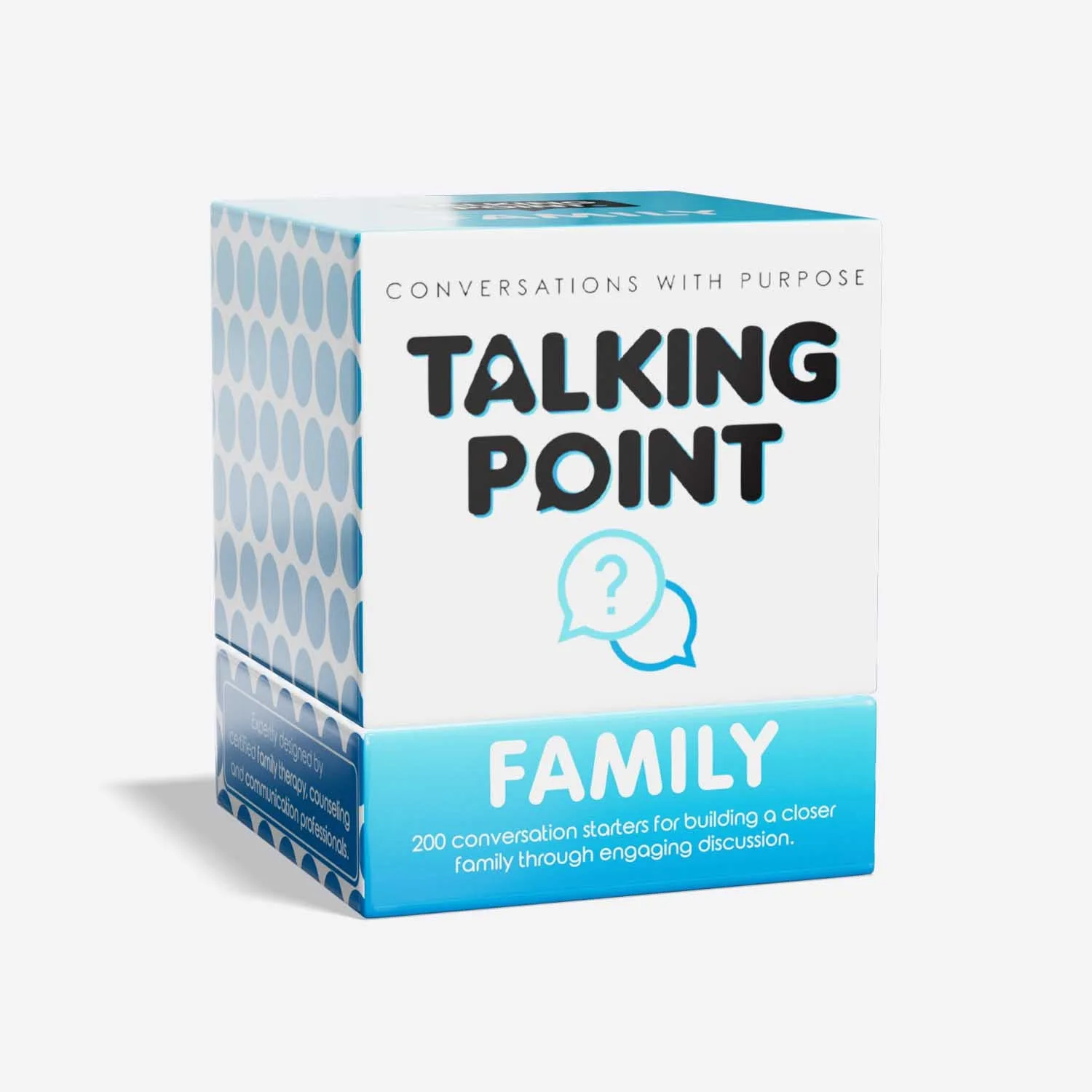
Different decks serve different purposes. For family-wide discussions, the Family Edition is designed to help you 'skip small talk and build a deeply connected family effortlessly.' It includes prompts that are suitable for various ages, making it a versatile choice for family meetings or dinners.
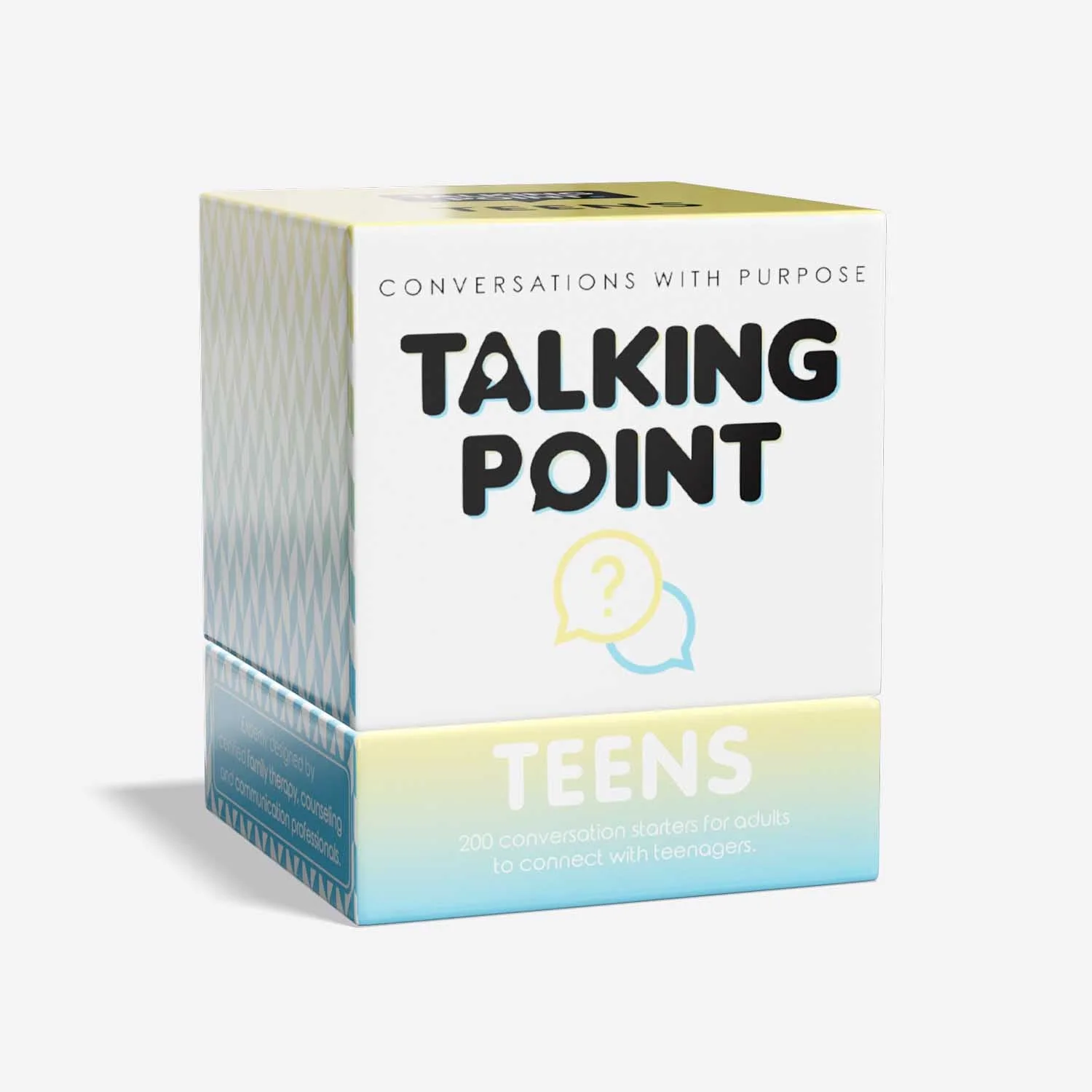
If you're specifically trying to connect with a teenager, the Teens Edition is crafted to 'get quiet teenagers to happily open up without the awkward cringe.' Its prompts are tuned to their world, addressing topics they actually care about in a way that feels less like an interrogation.
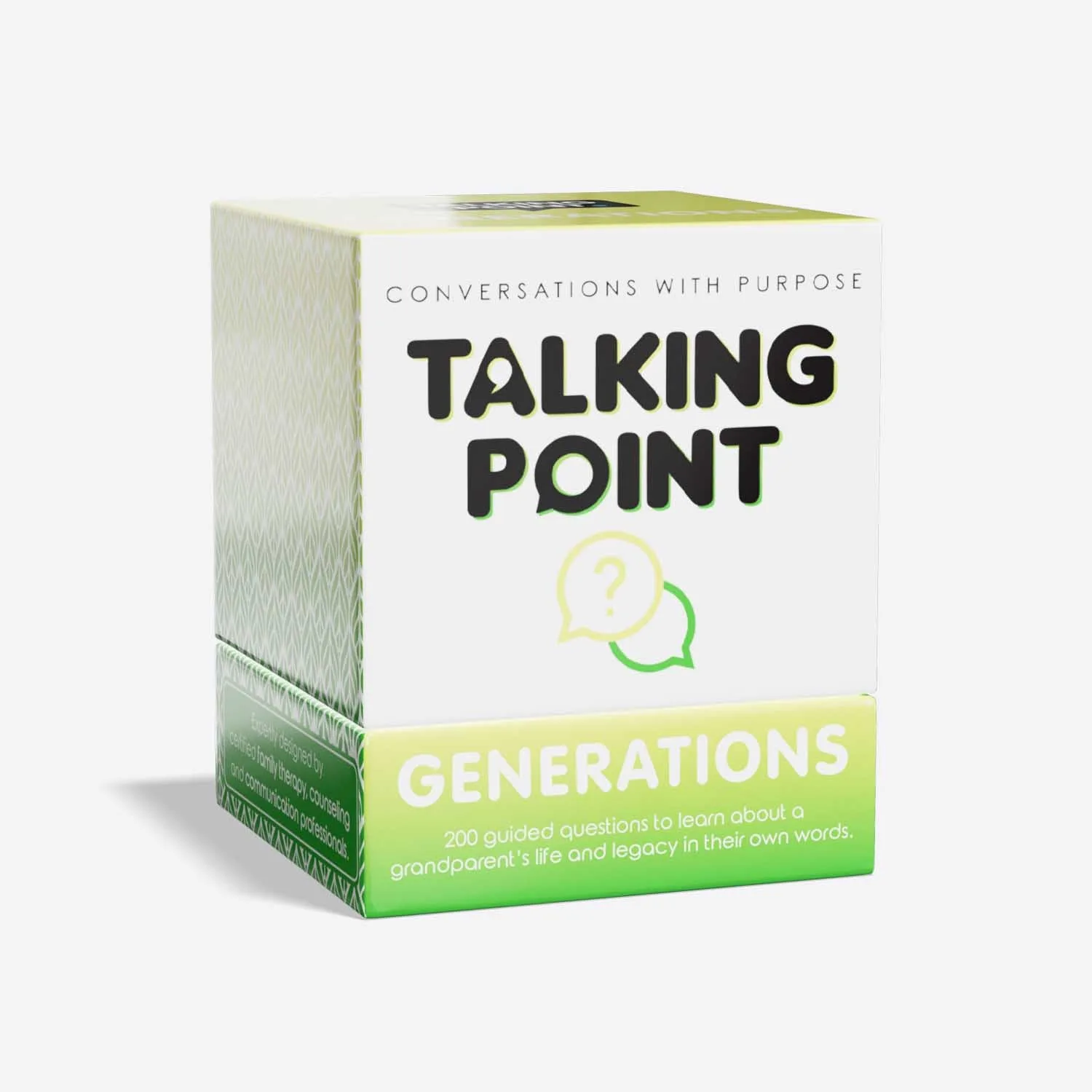
For cross-generational conversations, the Generations Edition helps 'connect across ages and share priceless memories with your grandparents.' This can be particularly valuable when discussing family history or addressing differences in values—the cards provide a gentle bridge.
- Consider the ages and relationships of participants when selecting a deck.
- If you're not sure, a general deck like the Family Edition is a good starting point.
Techniques for Productive Dialogue
Once you've selected a card, read it aloud and give each person a chance to respond without interruption. Use 'I' statements to express your own feelings, and encourage others to do the same. This reduces defensiveness and promotes empathy.
Active listening is crucial. This means not just hearing words, but trying to understand the emotion behind them. You can paraphrase what the other person said to confirm you understood, and ask follow-up questions like 'Can you tell me more about that?' This shows you're genuinely engaged.
Be prepared for silence. Sometimes people need a moment to gather their thoughts. Don't rush to fill the gap; let the pause breathe. If the conversation gets too heavy, it's okay to take a break and return to the card later.
- Acknowledge emotions with phrases like 'I can see this is really important to you.'
- Avoid 'yes, but'—it often negates the other person's point. Try 'I hear you, and I also feel...'
Step-by-step guide to using conversation cards for tough talks
- Step 1: Identify the core issue: Before the conversation, take a moment to clarify what you really want to address. Is it a specific behavior, a recurring pattern, or a misunderstanding? Write it down if it helps. Checkpoint: If you can't summarize the issue in one sentence, you may need more time to reflect before starting the talk.
- Step 2: Choose the right card: Scan the deck for a prompt that feels close to the topic. You don't need a perfect match—sometimes a related question can open the door. For example, if you're concerned about a teen's mood, a card about 'what's been on your mind lately' might work. Checkpoint: If no card seems relevant, use a general one about feelings or experiences and adapt it to your situation.
- Step 3: Set the scene and time: Pick a quiet, private time when you won't be interrupted. Let the other person know you'd like to have a conversation and that you have a card to help guide it. This reduces surprise and defensiveness. Checkpoint: If the other person seems resistant, suggest a specific time later that day or week—don't push.
- Step 4: Start with the card and listen actively: Read the card aloud and share your own answer first if that helps set the tone. Then invite the other person to respond. Use active listening techniques: nod, maintain eye contact, and avoid interrupting. Checkpoint: If the conversation veers off, gently guide it back with 'That's interesting—can we tie that back to what you said earlier?'
- Step 5: Validate and explore: Acknowledge the other person's feelings, even if you disagree with their perspective. Say things like 'I can see why that would make you feel that way.' Then ask open-ended questions to dig deeper. Checkpoint: If the talk becomes too heated, suggest a short break and agree to return to the card in 10 minutes.
- Step 6: Summarize and plan next steps: Before ending, summarize the key points you both made and any agreements or compromises. This ensures everyone feels heard and clarifies what will happen next. Checkpoint: End on a positive note—thank the other person for being open, and schedule a follow-up if needed.
Products mentioned in this guide
- Family: Skip small talk and build a deeply connected family effortlessly. This deck is a versatile tool for family discussions, offering prompts that help break the ice and encourage meaningful exchanges among members of different ages.
- Teens: Get quiet teenagers to happily open up without the awkward cringe. When discussing sensitive topics with teens, this deck provides relatable prompts that reduce resistance and make it easier for them to share their true feelings.
- Generations: Connect across ages and share priceless memories with your grandparents. For intergenerational talks, this deck helps bridge the gap, making it simpler to discuss values, history, and even sensitive subjects with older family members.
Difficult conversations are never easy, but with the right tools and a willingness to listen, they can become opportunities for deeper connection. Conversation cards provide a gentle structure that helps you stay focused, empathetic, and open. Whether you're talking with a teenager, a grandparent, or your partner, a simple card might be all you need to turn a hard talk into a meaningful one.