Quick Answer
Conversation cards are a simple, screen-free way to spark meaningful dialogue and strengthen family bonds. Start with a low-pressure setting, let everyone answer or pass, and use the prompts as a springboard for deeper stories.
Family bonding doesn't have to mean elaborate outings or forced activities. Sometimes the most powerful connections happen over a simple question, asked at the dinner table or during a quiet evening at home. Conversation cards for family use are designed to do exactly that: they offer thought-provoking prompts that encourage everyone—from grandparents to young kids—to share stories, opinions, and laughter.
In this guide, you'll learn a step-by-step approach to using conversation cards effectively, turning them into a regular ritual that improves family communication and creates lasting memories. Whether you're looking for family dinner conversation ideas or ways to enjoy quality time with kids, these tips will help you get the most out of your card decks.
Why Conversation Cards Work
Conversation cards work because they remove the pressure of coming up with interesting topics on the spot. Instead of staring at each other in silence, you have a ready-made prompt that's open-ended enough to lead anywhere. Questions like 'What's the most exciting thing you've received in the mail?' invite personal stories, while playful ones like 'Would you rather have a good burger, a perfect peach, or a homemade pie?' get everyone talking and laughing.
For families with different age groups, these cards level the playing field. A grandparent and a grandchild can both answer the same question from their own perspectives, leading to cross-generational insights. This is especially valuable for strengthening bonds between family members who might not interact often.
- Choose a deck that matches your family's interests and age range for the best engagement.
Setting the Right Environment
The setting matters more than you might think. For family dinner conversation ideas, the table is a natural spot, but you can also use conversation cards during car rides, after school snacks, or before bedtime. The key is to pick a time when everyone is relatively relaxed and not rushed.
Create a rule of 'no wrong answers' and let anyone pass if they're not in the mood. This takes the pressure off shy family members and keeps the activity fun. You might also establish a tradition, like 'Question of the Day' during dinner, so it becomes something everyone looks forward to.
- Keep the mood light—conversation cards are about connection, not interrogation.
Making It a Habit
Consistency turns a one-time activity into a bonding ritual. Start with a few times a week, then let it become a natural part of your routine. You might find that after a few sessions, family members start bringing their own questions to the table.
Rotate who gets to draw the card and ask the question. This gives everyone a sense of ownership and encourages active listening. Over time, you'll notice that conversations become deeper, and family members feel more comfortable sharing their thoughts and feelings.
- Pair conversation time with a favorite snack or dessert to make it feel special.
Step-by-Step Guide to Using Conversation Cards
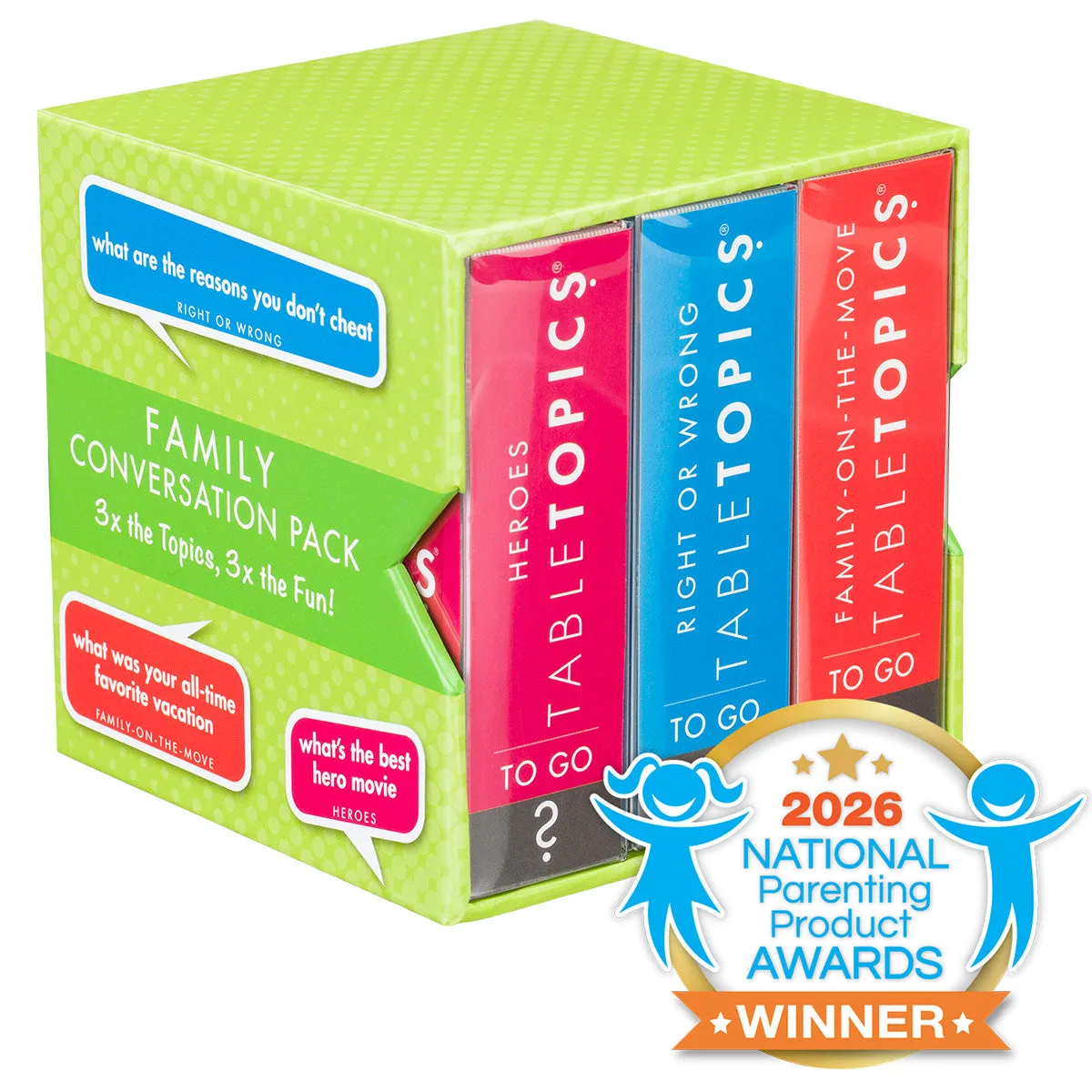
- Pick the right deck: Choose a deck that matches your family's composition and interests. For example, the Grandparents & Grandkids set is ideal for cross-generational bonding, while the Family Conversation Pack offers variety for all ages. Checkpoint: Match the deck to your family's needs. If you're unsure, start with a versatile option like the Family Conversation Pack.
- Set a regular time: Decide when you'll use the cards—maybe during dinner, on a weekend morning, or before bed. Consistency helps build the habit. Common mistake: Trying to force a session when everyone is tired or distracted. Choose a time when energy levels are good.
- Create a comfortable atmosphere: Explain that there are no wrong answers and that passing is okay. Keep the tone light and encouraging. Checkpoint: If someone passes, gently invite them to answer later or ask a follow-up question to draw them in.
- Take turns asking: Rotate who draws a card and reads the question. This keeps everyone involved and gives each person a chance to lead. Common mistake: Letting one dominant voice take over. Make sure each family member gets a turn to ask and answer.
- Listen actively and follow up: When someone answers, show genuine interest. Ask follow-up questions like 'Why?' or 'Tell me more.' This deepens the conversation and shows you value their input. Checkpoint: Aim for a balance—let the conversation flow naturally, but guide it back if it veers off track.
- End on a positive note: Wrap up the session by thanking everyone for sharing. You might also note a fun fact you learned about a family member. Next step: Consider making conversation cards a weekly tradition, and gradually introduce new decks to keep things fresh.
Conversation Card Options from TableTopics
- Family Conversation Pack: The Family Conversation Pack is a boxed set of three 40-card To Go card decks on different topics. Take the whole pack together or separate To Go decks. This pack offers variety, so you can rotate topics based on your family's mood or the occasion. Its portable size makes it easy to bring along for dinners out or travel.
- Grandparents & Grandkids Conversation Cards: This set of conversation cards will help grandparents and grandchildren enjoy getting to know each other better. The questions are designed to help them share personal stories. If you're looking to bridge the generation gap, these cards are tailored to spark meaningful exchanges between older and younger family members, making them perfect for family gatherings.
- Who Knew? Conversation Cards: The zany mix of questions in TableTopics Who Knew? provides a fun way to get your family talking. Perfect for family dinner conversations, game nights, or anytime you want to spark a really great conversation. This deck adds an element of surprise and humor, which can be especially effective for engaging kids and teens who might be resistant to 'serious' talks.
Conversation cards are a simple yet powerful tool for strengthening family bonds. By choosing the right deck, setting a regular time, and fostering an open atmosphere, you can turn ordinary moments into opportunities for deeper connection. Whether you're sharing stories across generations or just enjoying a laugh at dinner, these cards help you create the kind of quality time with kids that they'll remember for years.