Quick Answer
To teach kids empathy and emotional intelligence, use conversation cards as a regular, low-pressure activity. Pick a card, let your child respond freely, and use follow-up questions to explore feelings and perspectives. The goal is practice, not perfection.
kids
Empathy and emotional intelligence are skills kids build through practice, not lectures. Conversation cards offer a simple, engaging way to help children name feelings, consider others' perspectives, and respond with kindness.
Unlike open-ended questions that can feel intimidating, conversation cards provide a clear starting point. They turn meaningful discussions into a game-like ritual that kids actually look forward to.
Why Conversation Cards Work for Emotional Learning
Conversation cards work because they lower the barrier to talking about feelings. A child who struggles to answer 'How was your day?' might happily respond to a playful prompt like 'What makes you feel proud?' The structure gives them a safe entry point.
These cards also model emotional vocabulary. When kids hear words like 'frustrated,' 'grateful,' or 'nervous' in context, they learn to label their own experiences. That labeling is a core skill in emotional intelligence.
- Keep sessions short (5–10 minutes) to match your child's attention span.
- Let your child choose the card sometimes to build ownership.
- Use a calm, curious tone—this is not a test.
Choosing the Right Cards for Your Child's Age
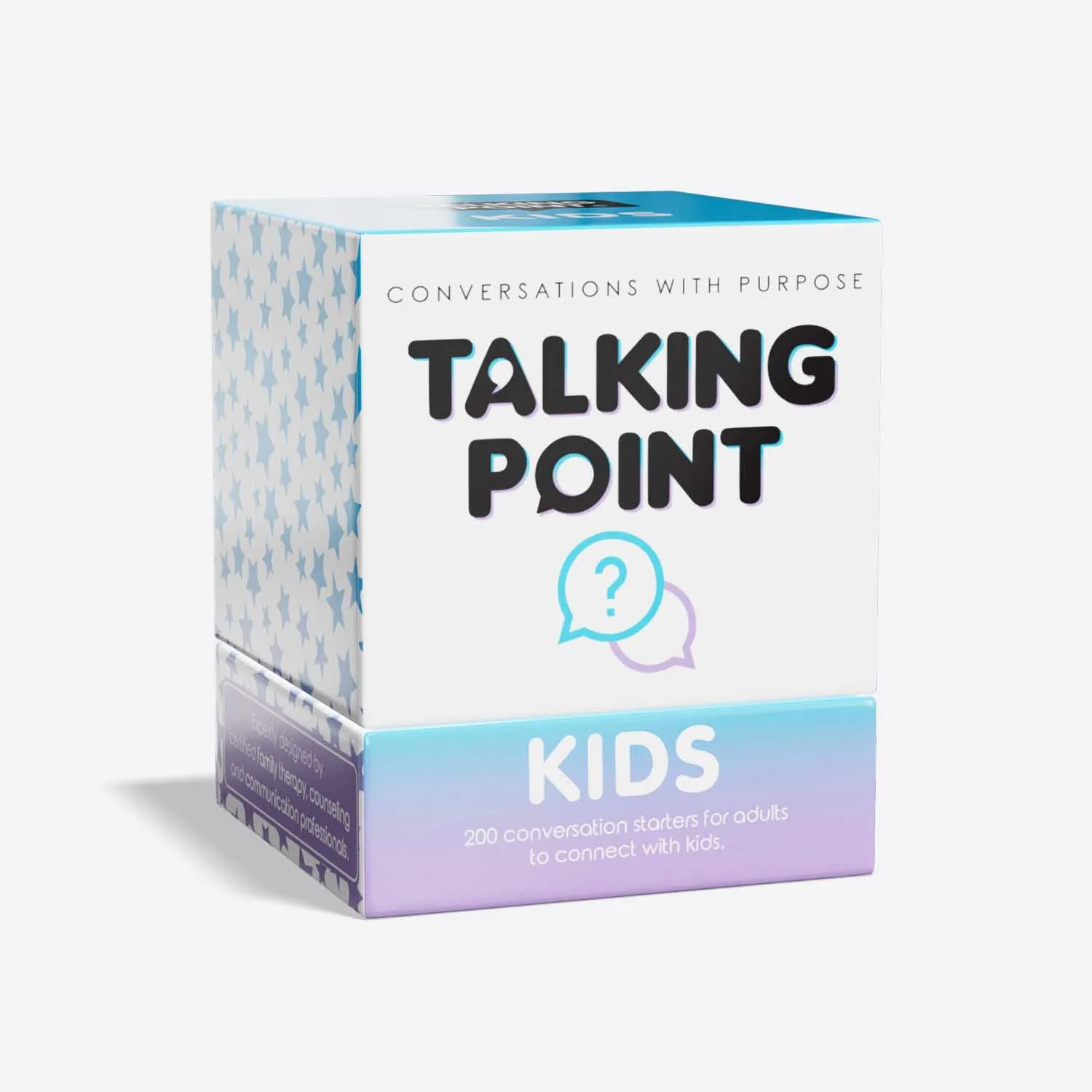
Age-appropriate prompts make a big difference. For younger kids, playful and imaginative questions work best. The Kids Edition deck is designed to spark joyful imagination and build lasting confidence, making it a great fit for early elementary ages.
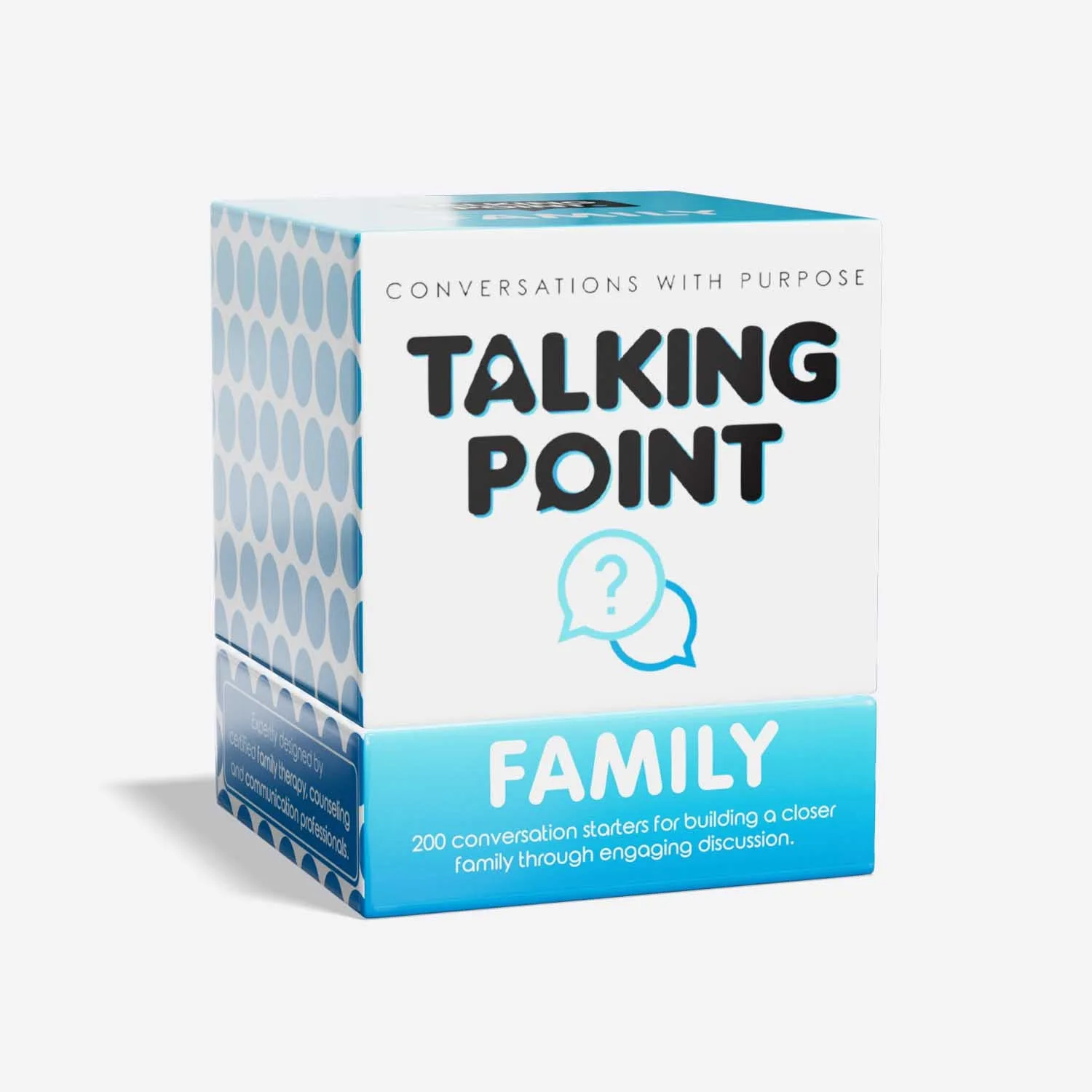
For families with multiple ages, a versatile deck like the family-playing-cards-20f8709d2190d2e7ccd01a1b-987842">Family Deck can be used with everyone. It's crafted to celebrate your closest loved ones, so prompts tend to be inclusive and relationship-focused.
If you're working with teens, look for decks that address more complex social scenarios. The Teens Edition is a separate product, but you can also adapt prompts from adult decks by simplifying them.
- Check the recommended age range on the product page before buying.
- When in doubt, choose a deck with open-ended prompts that can be tailored.
Setting Up a Regular Practice
Consistency matters more than duration. Aim for a few minutes a few times a week—perhaps at dinner or before bed. The goal is to make emotional check-ins a normal part of family life.
Create a relaxed environment. Put away screens, sit comfortably, and let your child know there are no wrong answers. This psychological safety encourages honesty.
- Tie card time to an existing routine, like after dinner.
- Rotate who picks the card to keep it fair and engaging.
Step-by-Step Guide to Using Conversation Cards for Empathy
- Step 1: Choose a Comfortable Setting: Pick a quiet time when your child is relaxed, like after dinner or before bed. Have the cards ready and let your child know you'll be playing a 'talking game' together. Checkpoint: If your child resists, don't force it. Try again later or let them pick the card.
- Step 2: Let Your Child Draw a Card: Allow your child to draw a card from the deck. Read the question aloud with enthusiasm. If the prompt is too complex, rephrase it in simpler terms. Checkpoint: If your child doesn't understand, offer an example from your own day to model a response.
- Step 3: Listen Without Judgment: Give your child time to answer. Listen fully without interrupting or correcting. Nod and use encouraging phrases like 'That's interesting' or 'Tell me more.' Checkpoint: Avoid saying 'That's wrong.' Instead, ask 'What makes you say that?' to explore their thinking.
- Step 4: Ask Follow-Up Questions: Dig deeper with follow-ups like 'How did that make you feel?' or 'What would you do if a friend felt that way?' This helps your child connect feelings to actions. Checkpoint: If your child gives one-word answers, gently prompt with 'Can you tell me a little more about that?'
- Step 5: Reflect and Validate: Summarize what your child said to show you were listening. For example, 'So you felt sad when your toy broke because you really liked it.' Validate their feelings: 'It's okay to feel sad about that.' Checkpoint: This step reinforces that their emotions are normal and acceptable.
- Step 6: End on a Positive Note: Close the session with a positive affirmation or a simple 'Thank you for sharing with me.' You might also ask what they enjoyed about the game. Checkpoint: Ending positively makes your child more likely to want to play again next time.
Product Spotlight
- Kids: Spark joyful imagination and build lasting confidence in younger kids. This deck is tailored for younger children, making it easier to introduce emotional concepts in a playful, age-appropriate way.
- Family Deck: Beautifully crafted playing cards designed to celebrate your closest loved ones. A family-focused deck allows siblings and parents to join in, reinforcing empathy through shared experiences.
Using conversation cards regularly can help your child develop empathy and emotional intelligence in a natural, enjoyable way. Start with one card a day, stay patient, and watch your child's confidence grow. The key is to make the practice a shared ritual that brings you closer.