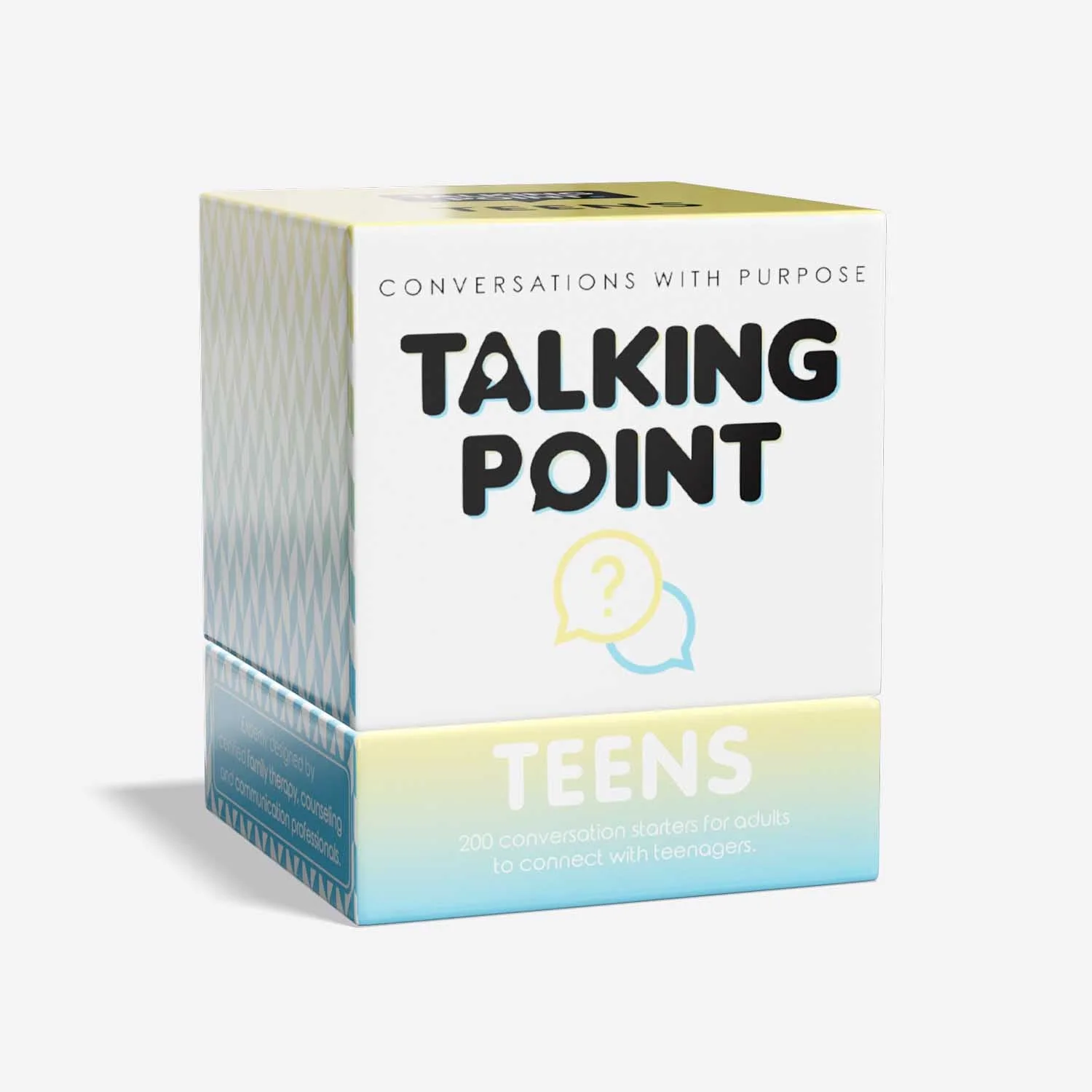
Quick Answer
To deepen family bonds with conversation starter cards, set a regular time, choose the right deck for your family, and create a judgment-free space. Use open-ended prompts to encourage sharing, and follow up with active listening to turn simple questions into meaningful conversations.
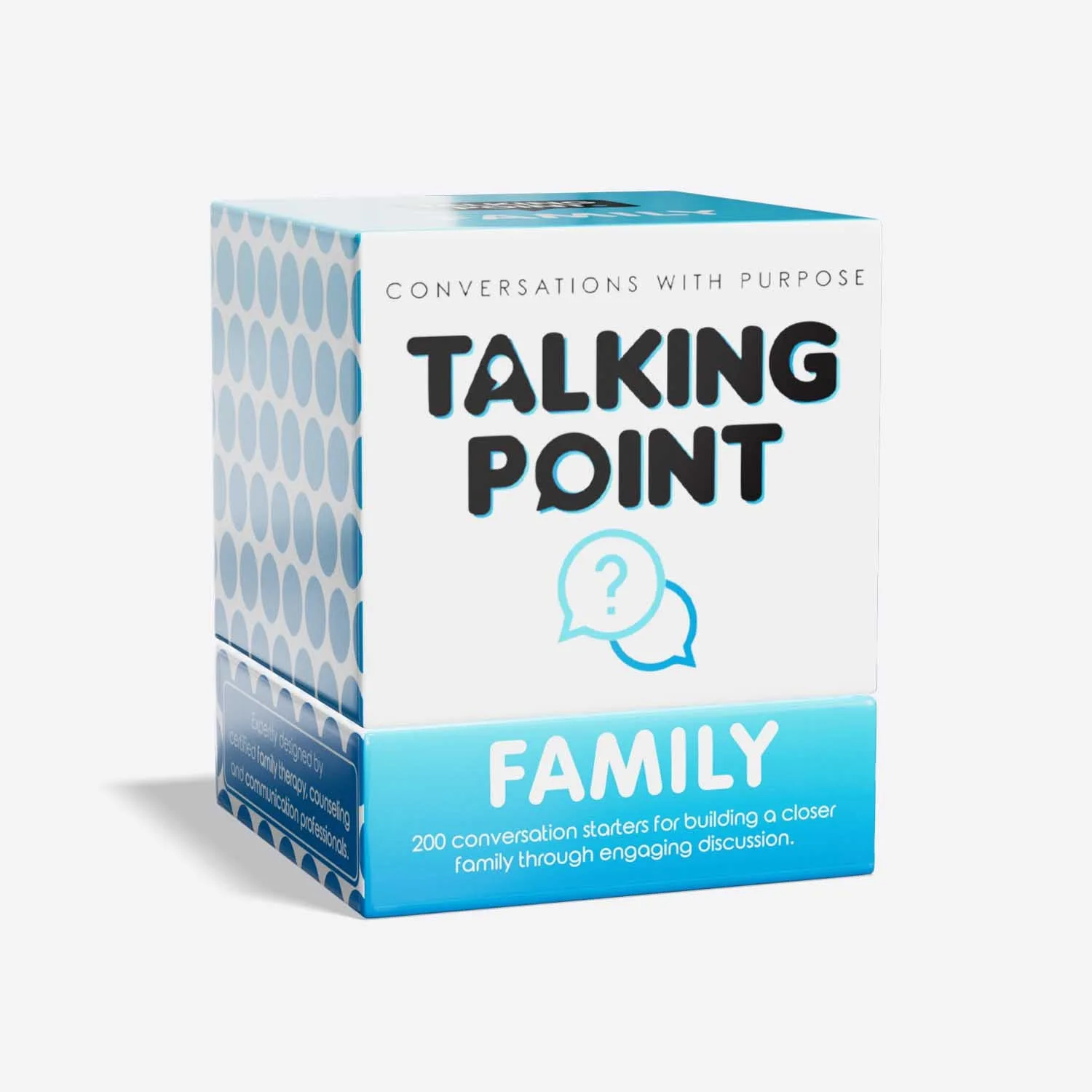
family
Family life moves fast. Between school runs, work deadlines, and endless to-do lists, real conversations often get squeezed out. That's where conversation starter cards come in—they offer a simple, structured way to slow down and actually listen to each other.
Whether you have teenagers who grunt instead of talk or young kids who need a little prompting, the right deck can turn an ordinary evening into a chance to learn something new about the people you love most.
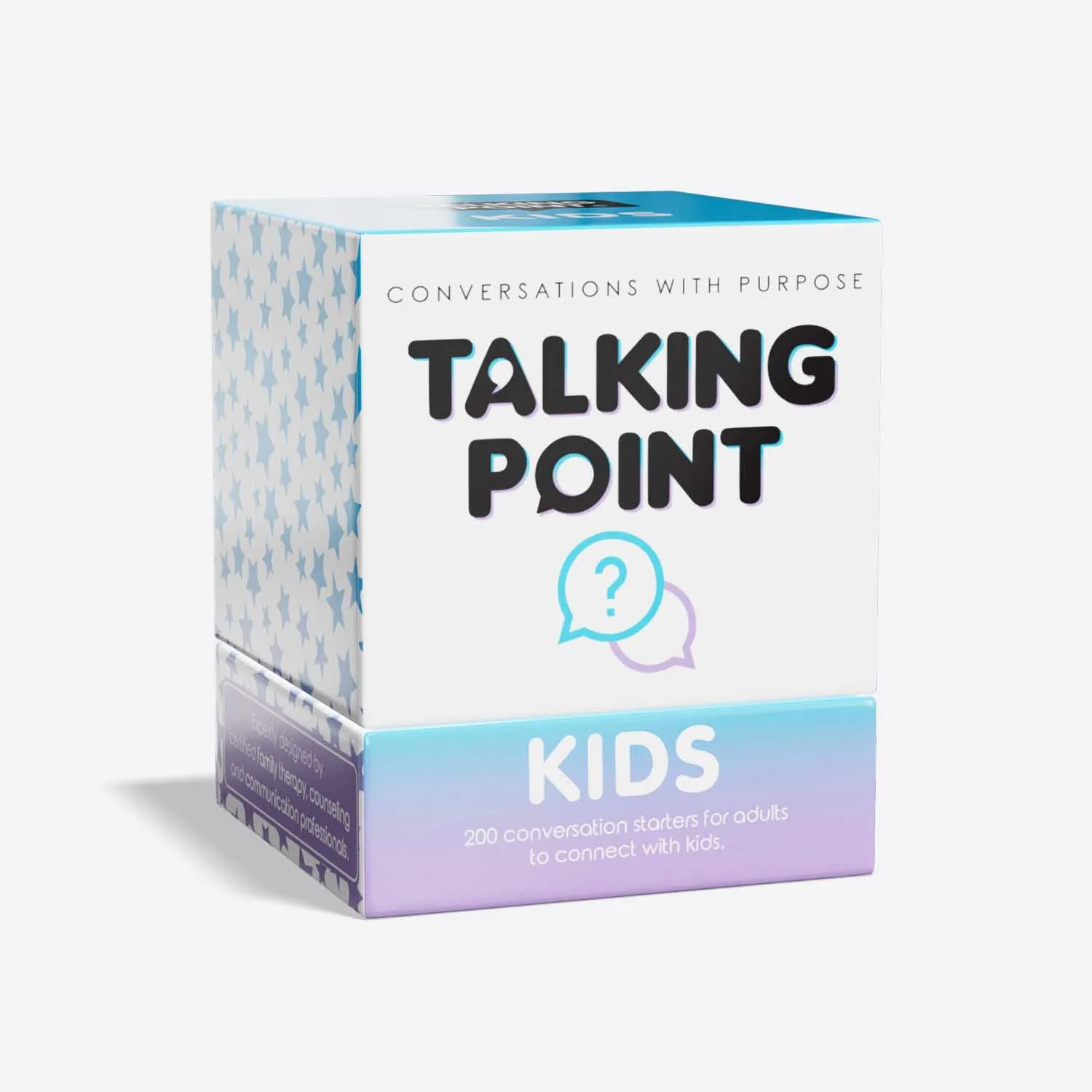
kids
Why Conversation Cards Work for Families
Conversation starter cards are more than just questions on paper. They create a shared activity that levels the playing field—everyone gets a turn, and no one feels put on the spot. For families, this can break down the usual barriers: the parent who always asks 'How was school?' and the kid who answers 'Fine.'
The prompts are designed to be open-ended, which invites longer answers. Instead of yes-or-no responses, you get stories, opinions, and feelings. This kind of exchange builds empathy and trust, which are the foundation of strong family bonds.
- Choose a quiet time when everyone is relaxed, like after dinner or on a weekend afternoon.
- Let each family member take turns drawing and answering a card.
- Encourage follow-up questions to keep the conversation flowing.
Choosing the Right Deck for Your Family
Not all conversation cards are the same. Some are designed for deep, thoughtful topics, while others are lighter and more playful. For family bonding, consider the ages and comfort levels of your kids. A deck with complex questions might frustrate younger children, while a too-silly deck might not engage teens.
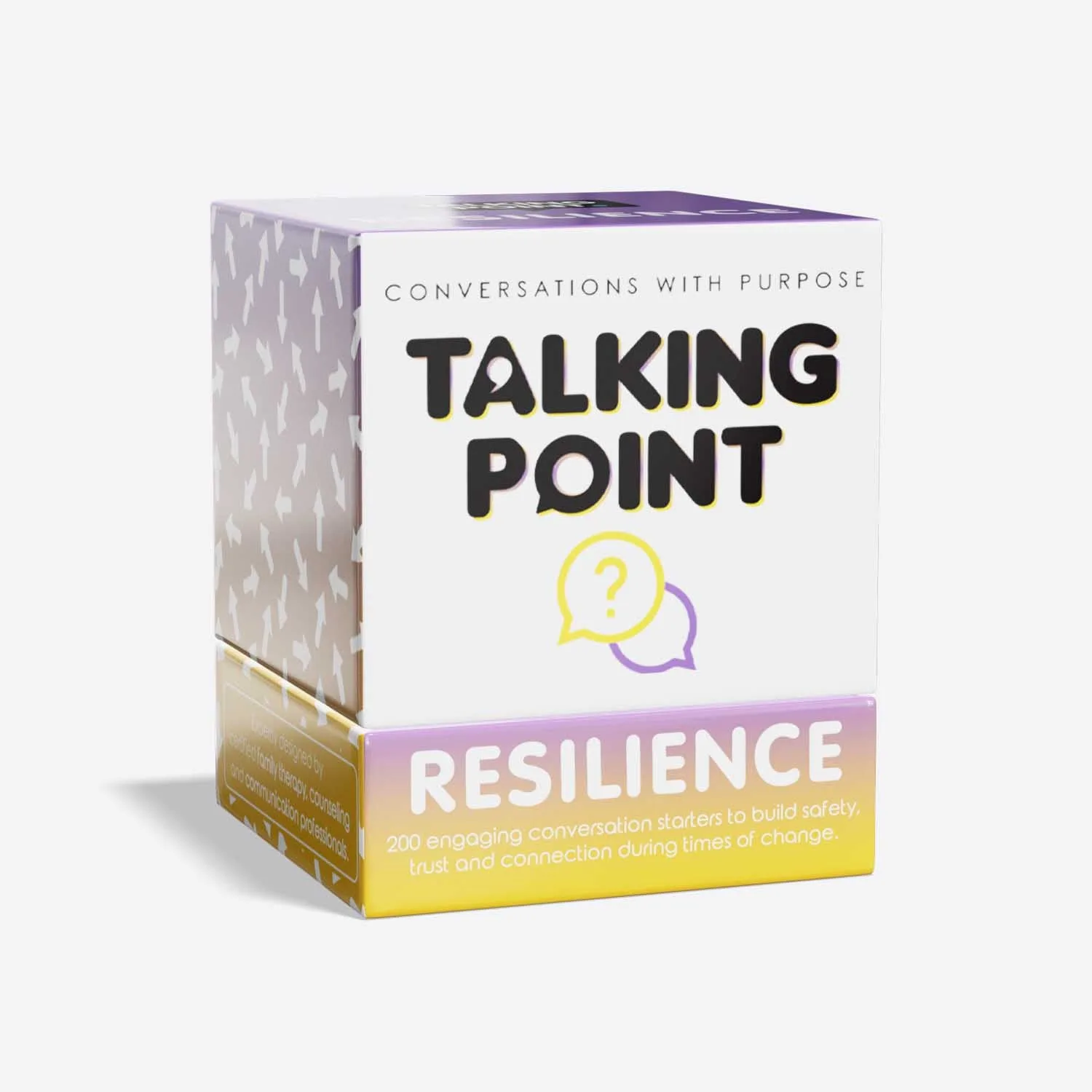
Talking Point Cards offers a range of options. The 'Small Talk' edition is perfect for breaking the ice and getting everyone comfortable. For families looking to go deeper, the 'Resilience' edition can help navigate challenges together. If you enjoy the outdoors, the 'Great Outdoors Deck' combines fun prompts with adventure-ready themes.
- For younger kids, look for decks with simple, fun questions.
- For teens, choose decks that respect their maturity and encourage genuine sharing.
- Consider a themed deck that matches your family's interests, like nature or travel.
Setting the Right Atmosphere
The environment matters as much as the questions. If the TV is blaring or phones are buzzing, it's hard to focus. Create a cozy, distraction-free zone. Dim the lights, grab some snacks, and make it clear that this time is special.
Set ground rules: no interrupting, no judging, and no wrong answers. This is about listening, not debating. When family members feel safe, they're more willing to open up.
- Put away all devices before you start.
- Use a talking piece (like a spoon or a cushion) to indicate whose turn it is.
- Model good listening by giving your full attention.
How to Use Conversation Starter Cards: Step-by-Step
- Pick a Regular Time: Schedule a weekly family conversation session, like Sunday brunch or Friday game night. Consistency helps everyone look forward to it. Checkpoint: If you miss a week, don't stress—just pick it up next time.
- Choose the Right Deck: Select a deck that fits your family's vibe. For lighthearted fun, try the 'Small Talk' edition. For deeper topics, 'Resilience' might be better. Checkpoint: If a question feels too heavy, skip it and move on.
- Create a Safe Space: Turn off distractions, sit in a circle, and establish a rule that everyone's answer is valid. No mocking or eye-rolling. Checkpoint: If someone is hesitant, start with an easy question yourself to model vulnerability.
- Take Turns Drawing: Let each person draw a card and answer it. Encourage follow-up questions from others to explore the answer further. Checkpoint: If the conversation stalls, have a few backup prompts ready.
- Reflect and Connect: After the session, share one thing you learned about each other. This reinforces the bonding and gives everyone a sense of accomplishment. Checkpoint: End on a positive note, maybe with a round of appreciations.
Product Spotlight: Tools to Get You Talking
- Small Talk: Break the ice and build instant connections at any event. Perfect for families who are new to conversation cards or have young kids who need a light, fun start.
- Resilience: Build unbreakable confidence and navigate stress with ease. Great for families going through transitions or challenges, helping members share feelings and support each other.
- Great Outdoors Deck: Adventure-ready playing cards perfect for camping trips and cabin nights. Combines the fun of playing cards with conversation prompts, ideal for family trips or outdoor bonding time.
Conversation starter cards are a simple yet powerful tool to bring your family closer. By setting aside dedicated time, choosing the right prompts, and fostering an open atmosphere, you'll create lasting memories and stronger connections. So grab a deck, gather your loved ones, and start talking—you might be surprised by what you discover.