Quick answer
Use create a story cards for kids as a low-pressure writing prompt: draw 3–5 cards, tell a story out loud first, then write it down. Start with 5–10 minutes a day. This works for creative writing activities children enjoy and for building a story card game that feels like play, not schoolwork.
Why story cards work for reluctant writers
Many kids freeze at a blank page because they don't know what to write about. Story cards solve that by giving a concrete starting image. When you use storytelling cards writing prompts, the child only has to connect what they see, which lowers the mental load. That is why story cards homeschool families often keep them on the shelf next to pencils and paper. The cards also invite oral storytelling first, which is a natural bridge to writing for kids who say they hate writing.
Set up a simple writing station
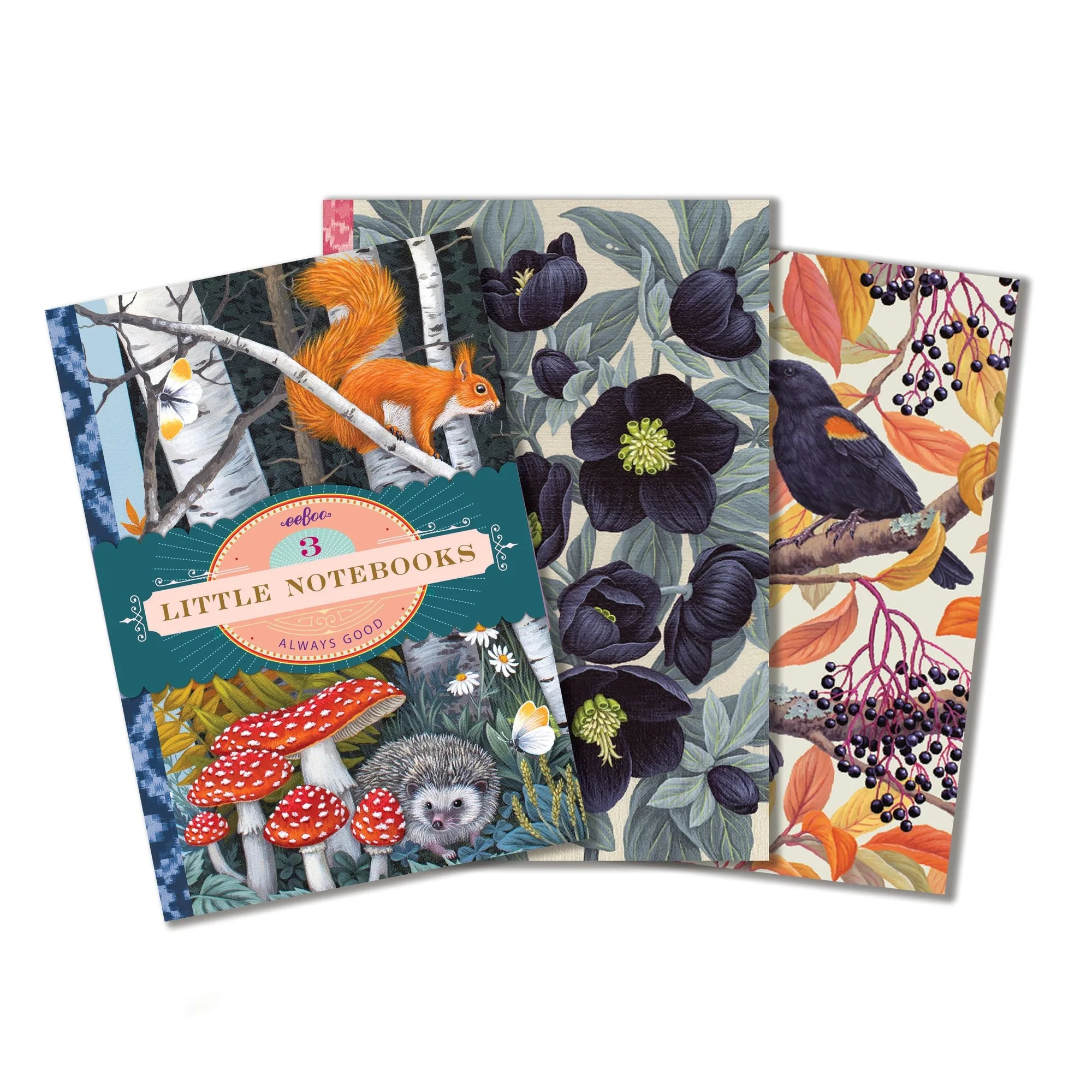
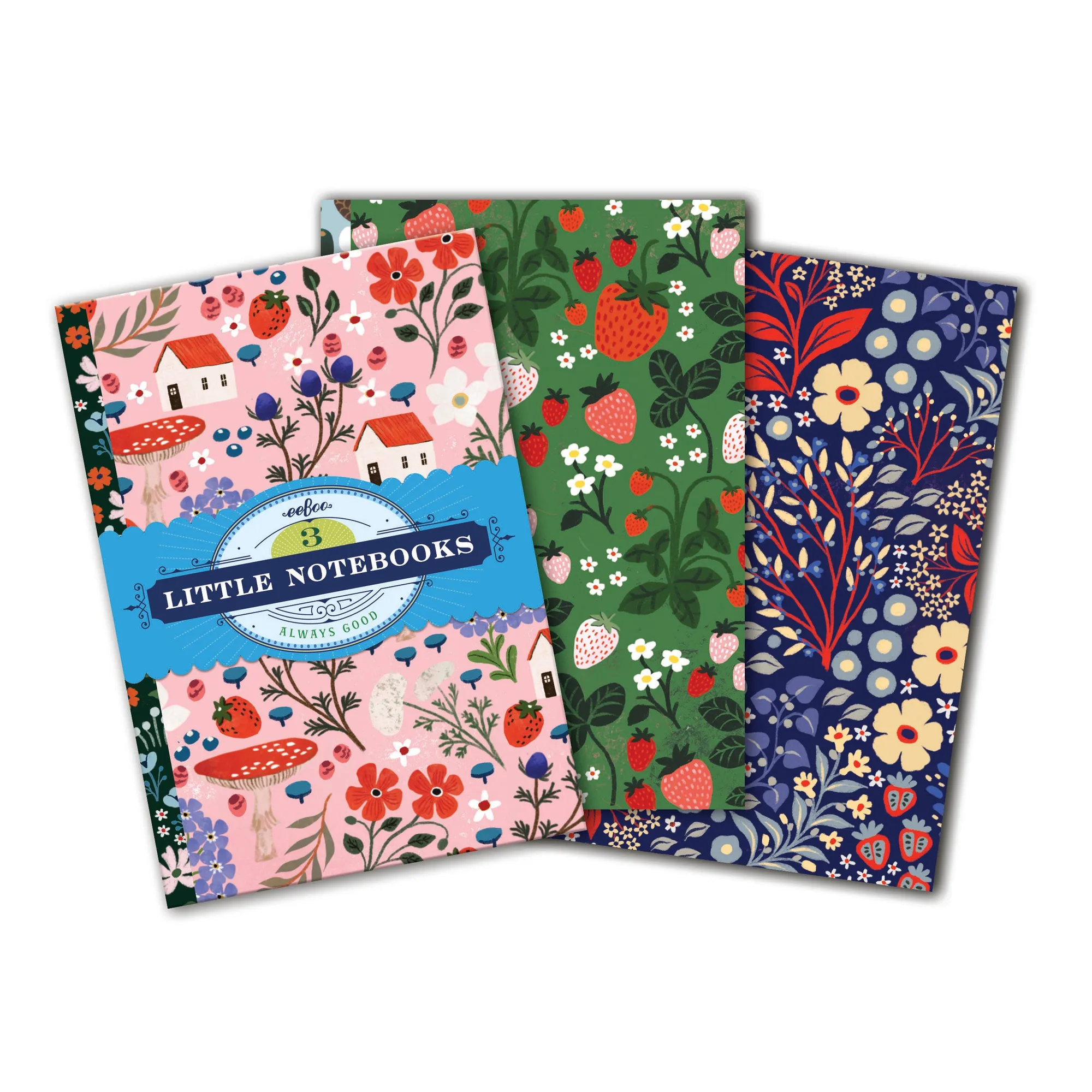
Keep a small bin with story cards, pencils, and a notebook on the kitchen table or a shelf. If the materials are visible, kids are more likely to use them without being asked. Choose a consistent time—after breakfast or before quiet time—so the routine becomes automatic. Ten minutes is enough; the goal is consistency, not volume.
Pick a card draw that fits your child's level
For beginners, draw one card and ask for a single sentence. For more confident writers, draw three cards and ask for a beginning, middle, and end. You can also let the child choose the number of cards. When they have control over the draw, they feel ownership over the story. If your child is stuck, draw a card yourself and model a silly sentence to get things moving.
Your step-by-step story card writing routine
- 1. Draw and tell: Have your child draw 3–5 cards and tell a story out loud using the images. Listen without correcting. This step builds oral language and confidence before writing. Common mistake: asking them to write first. Always let them talk it through before picking up a pencil.
- 2. Map the story: Ask your child to say what happens first, next, and last. You can jot down three words as a mini outline. This keeps the writing focused and prevents mid-story stalls. Checkpoint: if they can't say the order out loud, they aren't ready to write it yet. Try one more oral pass.
- 3. Write for five minutes: Set a timer for five minutes and write alongside your child. Resist correcting spelling or grammar during this time. The goal is to get words on the page. Common mistake: editing while they write. Save corrections for later, or not at all for the first draft.
- 4. Share and celebrate: Let your child read their story aloud or tell it to a stuffed animal. Praise one specific thing—a funny word, a surprising detail, a strong ending. This positive feedback makes them want to do it again tomorrow. Next step: keep the cards and notebook out so tomorrow's session starts without friction.
Product facts
- Frog Hopkins Board Game: Frog Hopkins Board Game is a simple, satisfying game of spatial intelligence and strategic blocking. Players take turns placing and hopping their own frogs to earn dragonflies. Easy instructions and scalable rules engage the whole family for any level of play. This game builds the same planning and sequencing muscles kids use when structuring a story, so it pairs well with a short writing session as a warm-up or break.