Quick Answer
Cut cards are simple plastic or paper cards used to protect the bottom card of a deck and prevent accidental exposure during shuffling. In poker, place the cut card on top of the deck after shuffling; in bridge, use it to mark the bottom card and ensure a clean deal. This guide walks you through the correct placement for both games.
Cut cards might look like a simple piece of plastic, but they serve a critical role in card games. Whether you're playing a casual poker night or a serious bridge tournament, a cut card protects the integrity of the deck and keeps the game fair. In this guide, you'll learn exactly what cut cards are, why they matter, and how to use them properly.
Many players overlook cut cards until they've accidentally revealed the bottom card or dealt a marked deck. By understanding the purpose and proper placement, you can avoid common mistakes and keep your games smooth and professional. We'll cover the basics for both poker and bridge, and share tips on choosing the right cut card for your needs.
What Are Cut Cards and Why Do You Need Them?
A cut card is a small, usually plastic, card placed on top of the deck after shuffling. Its primary job is to protect the bottom card from being seen or marked during the game. In poker, it also prevents the bottom card from being accidentally dealt. In bridge, it helps ensure a clean, fair deal by providing a barrier between the deck and the table.
Cut cards are especially important in games where the deck is handled frequently, like poker and bridge. They reduce wear on your playing cards and add a layer of security against cheating. While paper cards can work, plastic cut cards are more durable and easier to clean, making them a favorite among serious players.
- Always use a cut card that is slightly larger than your playing cards to ensure full coverage.
- Keep a spare cut card in your card box to replace worn ones.
How to Use a Cut Card in Poker
In poker, the cut card is placed on top of the deck after the shuffle, before the first card is dealt. This prevents the bottom card from being exposed and ensures that the dealer doesn't accidentally deal it. To place it correctly, hold the deck in one hand, place the cut card on top, and then turn the deck over so the cut card is on the bottom.
Common mistake: placing the cut card on the bottom of the deck instead of the top. This defeats its purpose. Always remember: the cut card goes on top of the deck after shuffling, and then the deck is inverted so the cut card ends up on the bottom, facing the table.
- Use a plastic cut card for easy cleaning and longevity.
- If you're using a card shuffler, place the cut card on top after the shuffle.
How to Use a Cut Card in Bridge
In bridge, the cut card serves a similar purpose but is used slightly differently. After shuffling, place the cut card on the bottom of the deck. This marks the bottom card and prevents it from being accidentally dealt. The dealer then deals from the top, and the cut card remains at the bottom until the deal is complete.
A common mistake in bridge is using a cut card that is too small or thin, which can slip and expose the bottom card. Choose a cut card that is the same size as your bridge cards (2.25 x 3.5 inches) for a snug fit. Plastic cut cards are recommended because they don't bend or crease like paper.
- In bridge, the cut card stays at the bottom of the deck during the deal.
- Check that the cut card is not warped, as this can cause it to slide.
Choosing the Right Cut Card
Cut cards come in various materials and sizes. Plastic cut cards are the most popular because they are durable, easy to clean, and don't absorb moisture. They also slide smoothly over the table, making them ideal for both poker and bridge. Paper cut cards are cheaper but wear out quickly and can bend, compromising their protective function.
When selecting a cut card, consider the size of your playing cards. For bridge, use a bridge-size cut card (2.25 x 3.5 inches). For poker, a standard poker-size cut card (2.5 x 3.5 inches) is appropriate. Some cut cards come with a textured surface to prevent slipping, which can be a nice feature.
- If you play multiple games, consider buying a set of cut cards in different sizes.
- Look for cut cards with a matte finish to reduce glare.
Step-by-Step: Using Cut Cards Correctly
- Choose the right cut card: Select a plastic cut card that matches the size of your playing cards (bridge or poker size). Ensure it is clean and free of bends. A proper fit prevents slipping and accidental exposure.
- Place the cut card correctly: For poker: after shuffling, place the cut card on top of the deck, then turn the deck over so the cut card is on the bottom. For bridge: place the cut card on the bottom of the deck after shuffling. Double-check that the cut card is on the bottom, facing the table, to protect the bottom card.
- Deal and maintain: Deal normally. If the cut card shifts or slides, pause and reposition it. After the game, store the cut card with your deck to keep it clean. Consistent placement and maintenance keep your games fair and your cards in good condition.
Products That Make Cut Card Use Easier
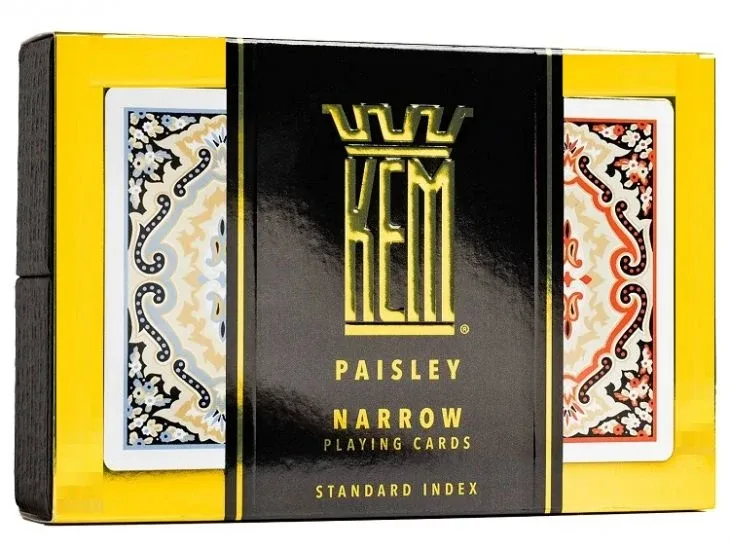
- Kem Paisley Playing Cards: Bridge, Regular Index, 2-Deck Set: Includes one red paisley deck and one blue paisley deck. Bridge size cards measure 3.5 inches high x 2.25 inches wide. Each deck includes two jokers - one red joker and one black joker. These durable plastic cards are perfect for bridge, and the bridge size ensures a proper fit with your cut card. The two-deck set means you always have a spare.
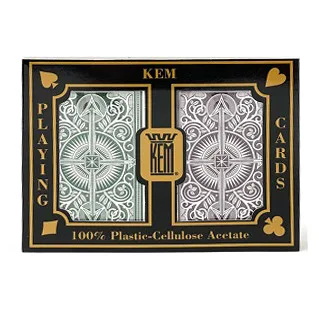
- Kem Arrow Playing Cards: Green/Brown, Bridge Size, Regular Index 2-Deck Set: KEM brand playing cards are made of a unique blend of paper and plastic that provides superior flexibility and strength. A set-up consists of one Green and one Brown deck. The sturdy plastic material resists bending, so your cut card will sit flat and protect the deck effectively. The two-deck setup is ideal for games that require multiple decks.
Using a cut card is a simple habit that protects your cards and keeps your games fair. Whether you're playing poker or bridge, a quality plastic cut card is a worthwhile investment. Pair it with durable plastic playing cards for the best experience.