Quick answer
Start by offering one Dinkum Doll during a calm, familiar part of the day, then step back and let your child lead. Keep the setup simple, avoid directing the story, and add new props only when interest dips. This turns doll play into self-directed play that builds focus and confidence.
Set up a simple invitation to play
Choose a low-traffic spot where your child can reach the doll without asking for help. Place one Dinkum Doll on a small blanket or cushion, and leave one open-ended prop nearby, such as a wooden bowl or a folded cloth. Resist the urge to arrange a full scene; a single doll and one prop give your child a clear starting point without overwhelming them. This is especially useful for encouraging solo play in toddlers, who often need a visual cue to begin.
Match the doll to your child’s current stage
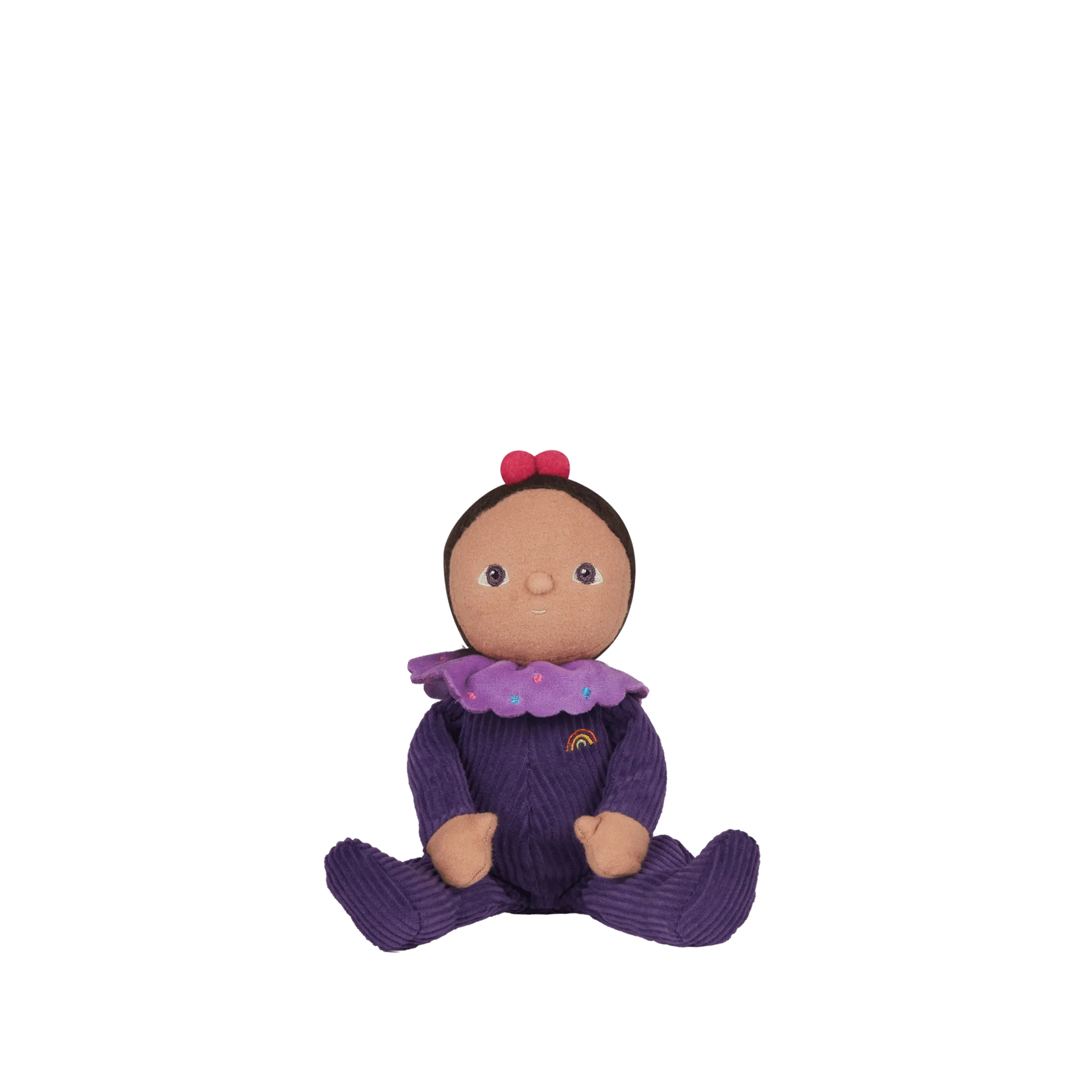
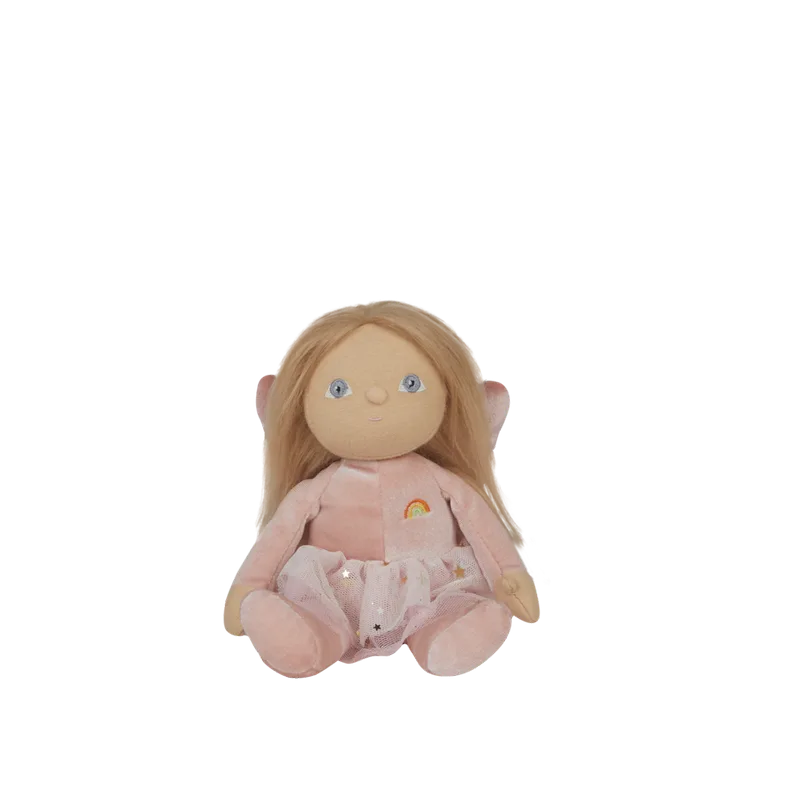
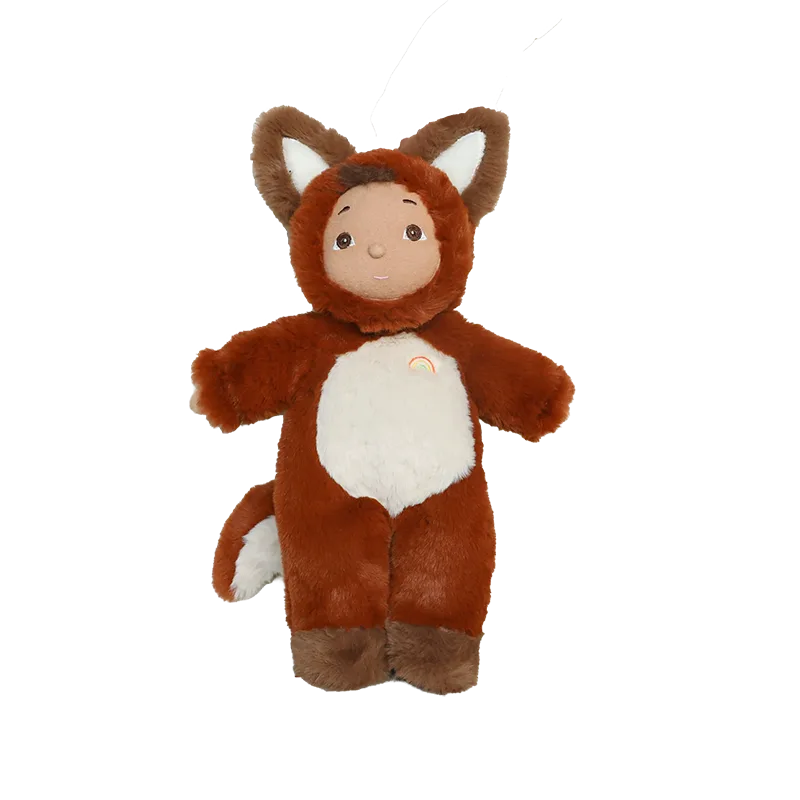
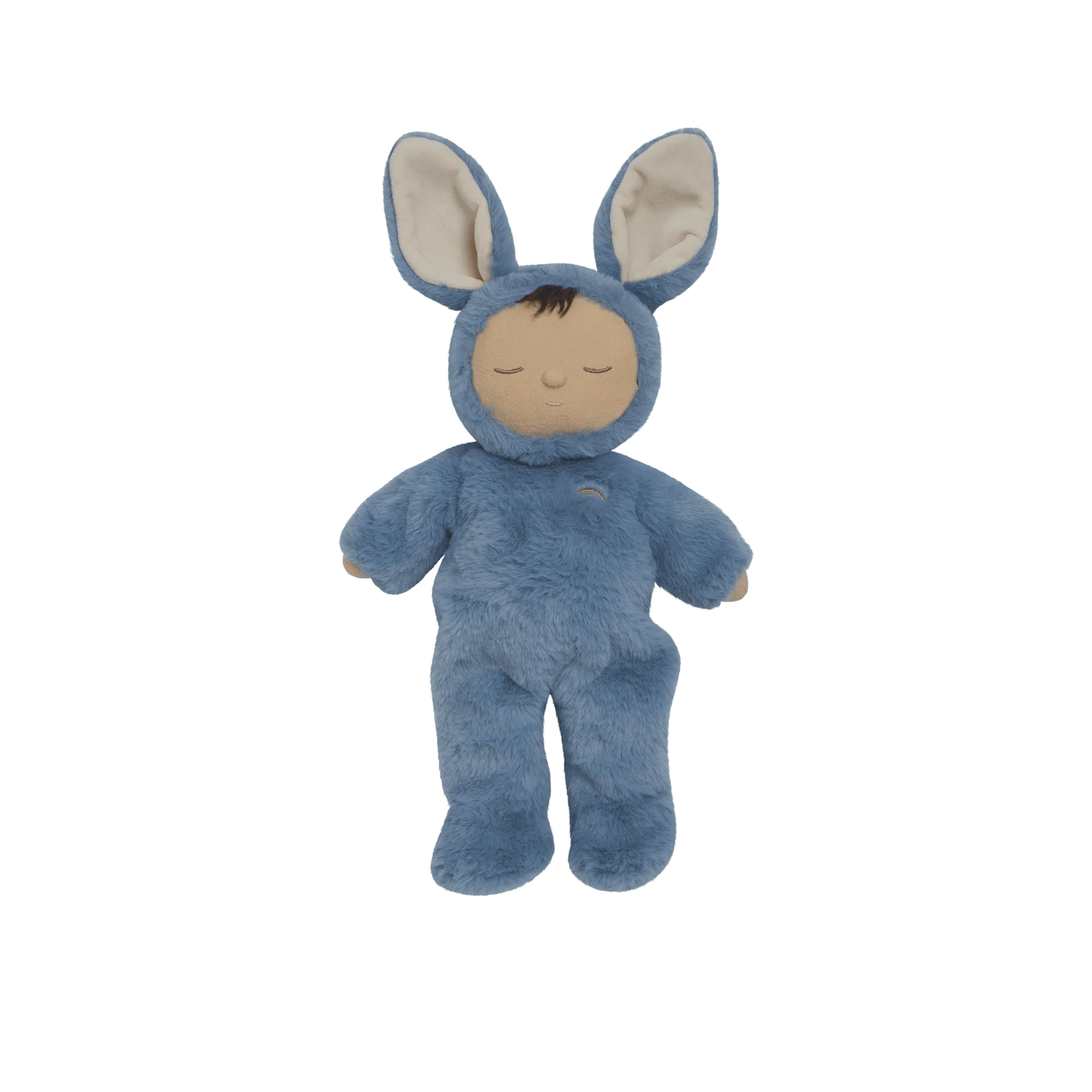
For younger toddlers, a soft, posable doll like Cozy Dinkums Lamby Pip works well because it is easy to hold and cuddle. For preschoolers who are ready for more story, a smaller collectible like Dinky Dinkums - Lily or Dinky Dinkums - Magnolia can become a character in their own narrative. The goal is not to choose the “right” doll but to offer one that fits how your child already plays. If your child is still mouthing toys, keep the doll within reach only during supervised play.
Use a short, predictable play window
Independent play grows when children know what to expect. Try a 10- to 15-minute window right after snack or quiet time, and say, “You can play with your doll while I sit nearby.” Stay close but busy with your own quiet task. If your child invites you in, respond briefly and then return to your task. Over time, this routine helps them associate doll play with calm, self-directed time rather than a performance for you.
Add props gradually, not all at once
When your child seems stuck, add one new open-ended item, such as a small basket, a scarf, or a block. Avoid themed sets that dictate a single story. Open-ended doll play works best when the same doll can be a baby, a friend, or a traveler from one day to the next. Rotate props every few days so the play space stays interesting without becoming cluttered.
Know when to step in and when to wait
If your child is focused, wait. If they look frustrated, offer one sentence of narration, such as “Your doll looks sleepy,” and then pause. Avoid solving the problem for them. For preschoolers, you can ask a single open question like “What happens next?” and then let them answer through play. This is how doll play for preschoolers shifts from copying adults to generating their own ideas.
Step-by-step: building independent play with Dinkum Dolls
- Step 1: Pick one doll and one prop: Set out a single Dinkum Doll with one open-ended item, such as a cloth or small bowl. Keep the setup minimal so your child can choose what to do first. Checkpoint: If your child asks what to do, point to the doll and say, “You can decide.”
- Step 2: Choose a consistent time and place: Use the same 10–15 minute window each day, right after a routine like snack or nap. Sit nearby with your own quiet activity. Checkpoint: If your child protests, shorten the window rather than skipping it.
- Step 3: Narrate once, then step back: If your child seems unsure, offer one short observation, such as “Your doll is looking around.” Then stay quiet and let them continue. Checkpoint: Avoid asking multiple questions; one prompt is enough.
- Step 4: Add a new prop only when interest fades: When your child stops playing, introduce one new open-ended item. Do not replace the doll or introduce a full themed set. Checkpoint: If they ignore the new prop, end the session calmly and try again tomorrow.
- Step 5: Let your child end the play: When your child walks away or says they are done, accept it. Put the doll in a visible spot so they can return to it later. Checkpoint: A short session that ends on your child’s terms is more likely to repeat than a long one you extend.
Dinkum Dolls that support independent play
- Cozy Dinkums: Cozy Dinkums Lamby Pip is posable, made from a plush outer, and features an embroidered face with a small tuft of hair. A posable, soft doll is easy for small hands to hold and reposition, which helps toddlers start self-directed play without needing adult help.
- Dinky Dinkums - Lily: Dinky Dinkums - Lily is a small first-release collectible dressed in pale green and soft white, described as tender and timeless. A smaller doll with a simple outfit gives preschoolers a character they can carry and name, supporting open-ended storytelling.
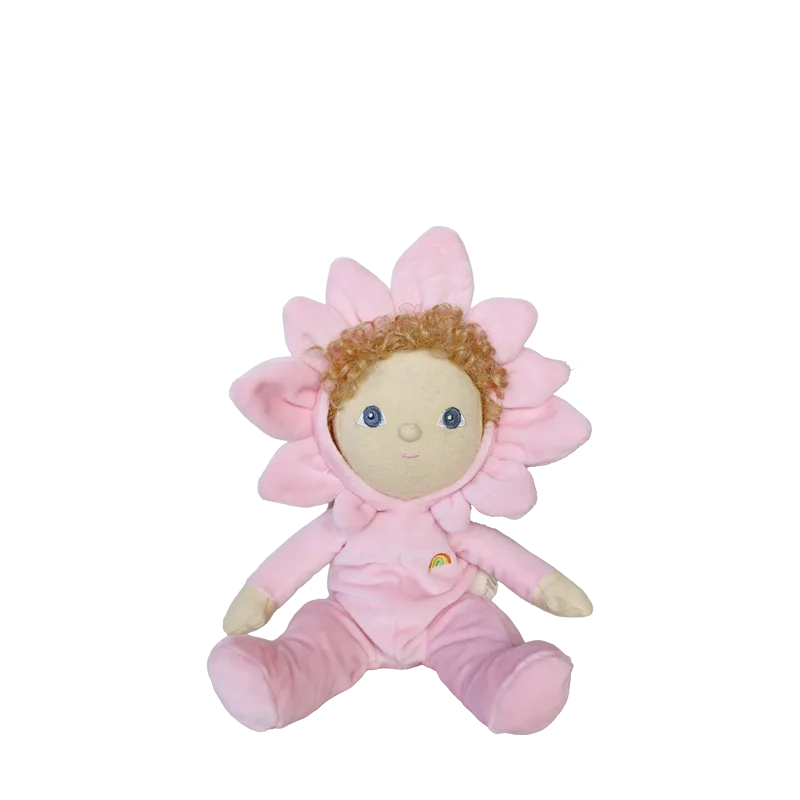
- Dinky Dinkums - Magnolia: Dinky Dinkums - Magnolia is a pocket-sized floral collectible in a sorbet-pink outfit, part of the floral Dinky Dinkum collection. Its small size makes it easy to bring into different play areas, which can extend independent play beyond a single room.