Long-distance running places unique demands on your body. Whether you’re training for a marathon, half-marathon, or an ultramarathon, staying properly hydrated is essential for performance, recovery, and safety. Water alone isn’t enough—when you sweat for hours, you lose not just fluid but also key electrolytes like sodium, potassium, and magnesium. Replacing these minerals is what separates a strong finish from a mid-run bonk.
In this guide, we’ll walk you through exactly how to use electrolytes for long-distance running hydration. You’ll learn when to start sipping, how much to take, and which Virtue products can help you stay balanced mile after mile. Whether you prefer tangy citrus or tropical fruit, there’s an option that fits your taste and your training plan.
Why Electrolytes Matter for Endurance Running
When you run for more than 60 minutes, your body loses significant amounts of sodium, potassium, calcium, and magnesium through sweat. These electrolytes are critical for muscle contraction, nerve signaling, and fluid balance. If you only drink plain water, you can actually dilute your blood sodium levels—a condition called hyponatremia—which leads to nausea, confusion, and even collapse. That’s why runners need a targeted electrolyte strategy.
Electrolytes also help you absorb water more efficiently. Sodium, in particular, triggers the body to retain fluid and speeds up the movement of water from your gut into your bloodstream. This means you stay hydrated faster and longer. For long-distance runners, this translates to better energy levels, fewer cramps, and a lower risk of heat-related issues.
- Sodium: the most critical electrolyte lost in sweat; helps maintain fluid balance and prevents muscle cramps.
- Potassium: supports heart function and muscle contractions; low levels can cause weakness.
- Magnesium: aids energy production and reduces muscle fatigue and soreness.
When and How to Take Electrolytes During a Long Run
Timing matters. For runs under 60 minutes, plain water is usually sufficient. But for any run longer than an hour—especially in warm weather—you should start taking electrolytes around the 30- to 45-minute mark. A good rule of thumb is to consume one sachet of electrolytes per hour of running. You can mix it in your water bottle and sip steadily, or take a concentrated dose followed by plain water.
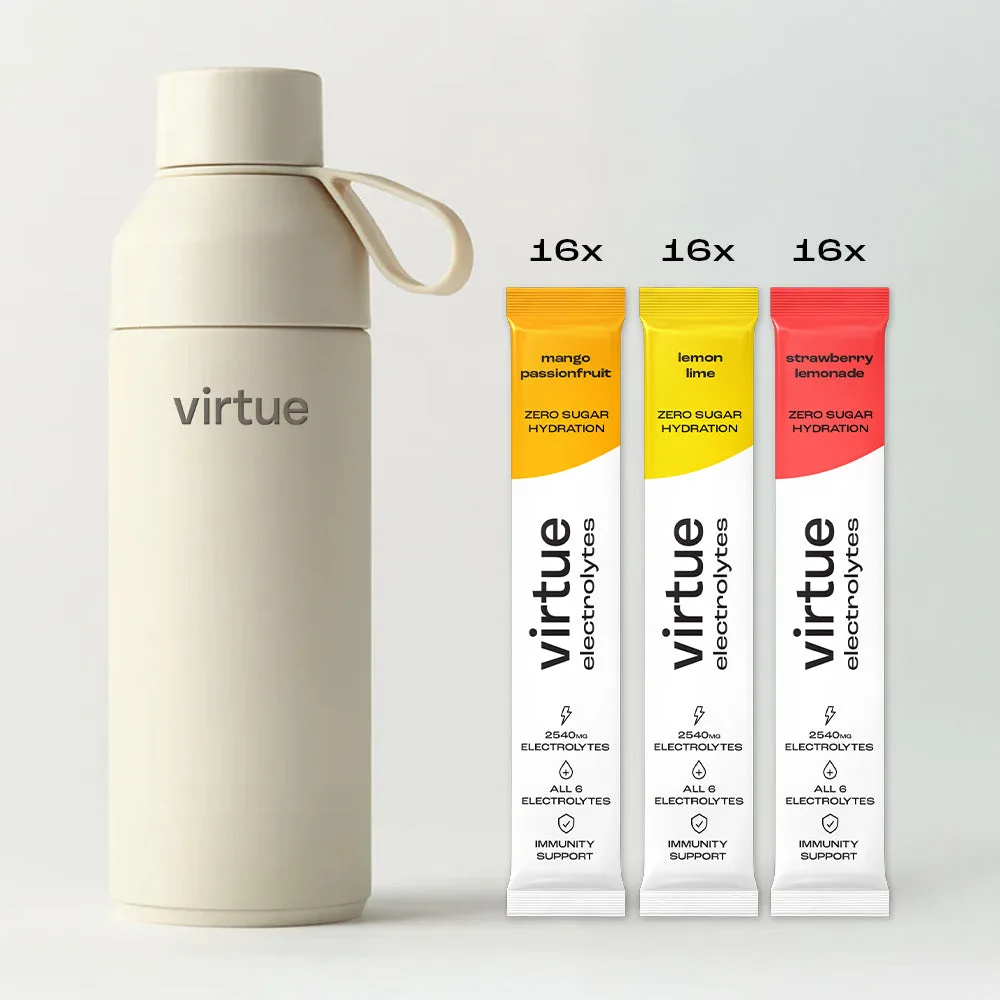
For marathoners, consider pre-loading electrolytes the night before and the morning of the race. This helps top off your sodium and magnesium stores before you even start. During the race, alternate between water and an electrolyte drink every 15–20 minutes. Products like the Electrolytes - Strawberry Lemonade (16 Pack) offer a refreshing, balanced flavor that’s easy to drink on the move. If you prefer a classic taste, the Electrolytes - Lemon Lime (16 Pack) is a runner favorite for its crisp, clean profile.
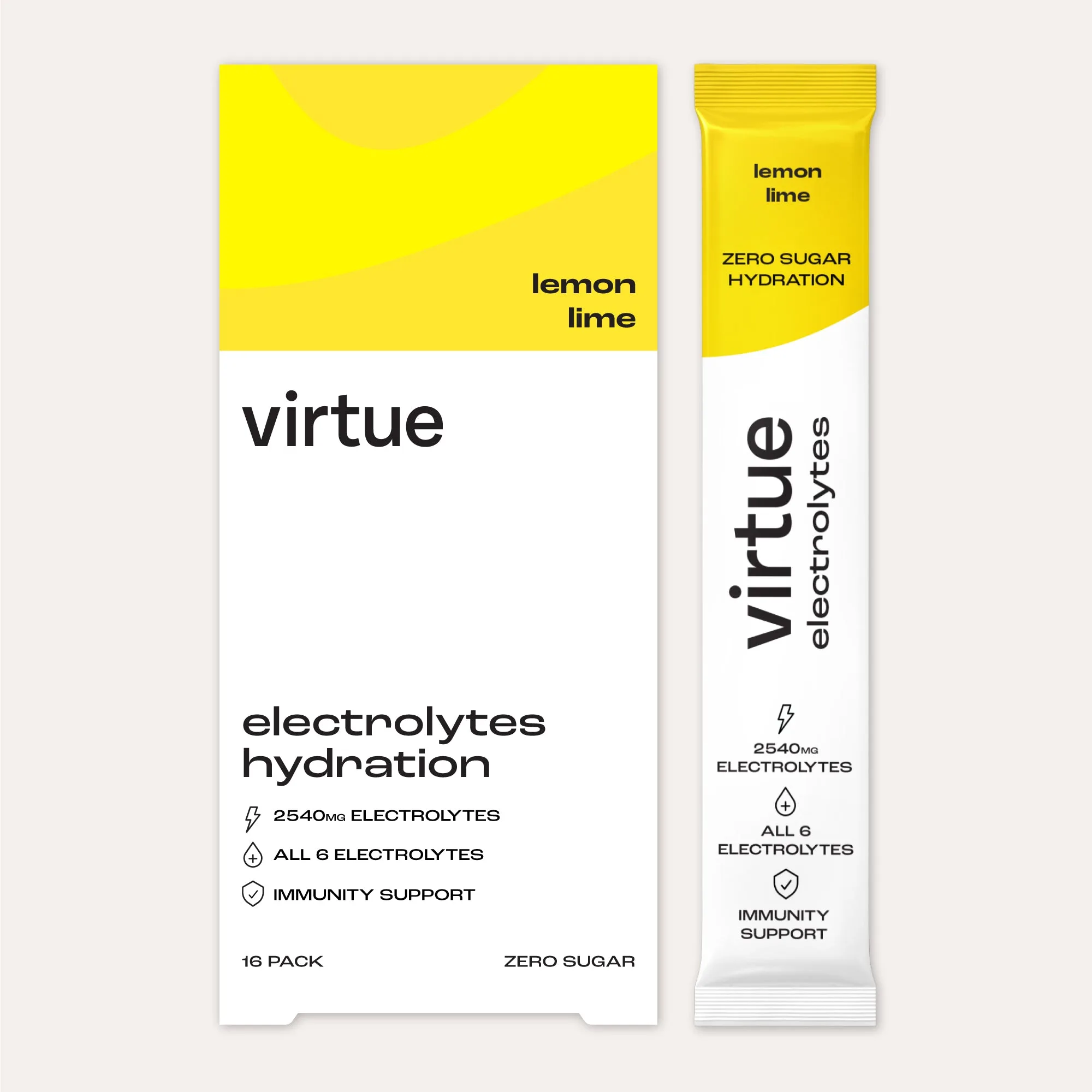
Electrolytes - Lemon Lime (16 Pack)
- Pre-run (2–3 hours before): Drink 500 ml water with one electrolyte sachet to prime your system.
- During run (every 30–45 min): Sip 150–200 ml of electrolyte solution or take a sachet mixed in 500 ml water.
- Post-run (within 30 min): Rehydrate with another sachet plus a small snack to speed recovery.
Choosing the Right Electrolyte Product for Running
Not all electrolyte products are created equal. For long-distance running, you want a formula that provides a balanced ratio of sodium, potassium, and magnesium without excessive sugar or artificial additives. Virtue’s electrolyte sachets are designed with endurance athletes in mind—each serving delivers a precise blend of key minerals and is sweetened naturally, so you get hydration without a sugar crash.
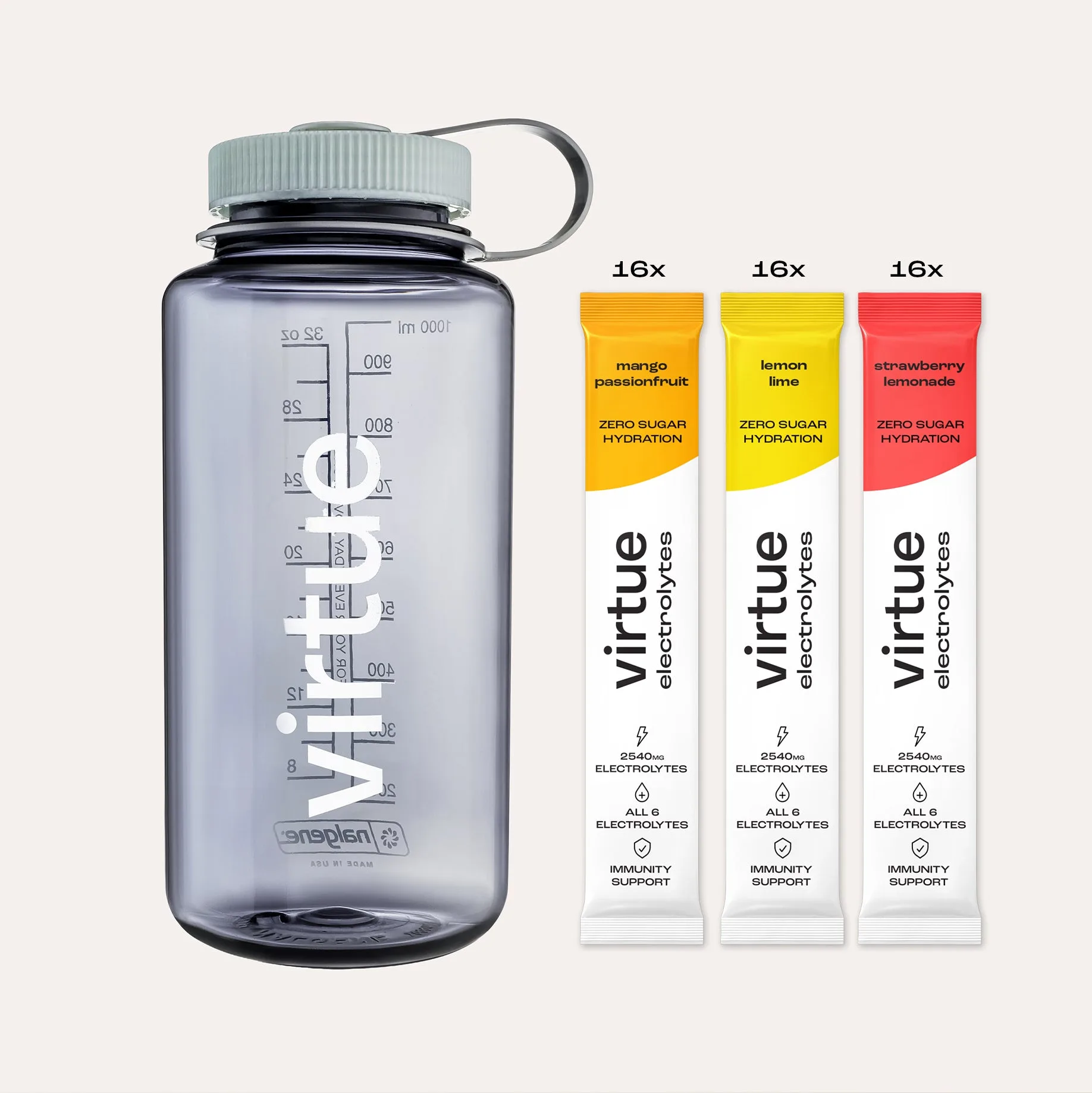
If you’re training for a marathon and want variety, the Electrolytes - Variety Pack (12 Pack) lets you sample multiple flavors so you never get bored. For those who prefer a single favorite, the Electrolytes - Mango Passionfruit (16 Pack) offers a tropical twist that’s especially refreshing on hot runs. Pair your sachets with a reusable bottle like the Virtue Nalgene Water Bottle 1L for easy mixing and durability on long training days.
- Look for at least 200–300 mg sodium per serving for endurance activity.
- Avoid high-sugar sports drinks; they can cause GI distress during long runs.
- Choose flavors you enjoy—you’re more likely to drink enough if it tastes good.
Practical Tips for Race Day Hydration
Race day is not the time to experiment. Stick with the electrolyte routine you’ve practiced during training. Pack your sachets in a small belt or pocket, and know where water stations are located on the course. If you’re using a hydration vest, pre-mix your electrolyte drink and carry it with you. For longer races (marathon and beyond), consider carrying a backup sachet in case you need extra sodium later in the race.
Weather also affects your hydration needs. On hot, humid days, you’ll sweat more and lose more sodium—so you may need to increase your electrolyte intake. On cooler days, you can dial it back slightly. Listen to your body: if you feel lightheaded, crampy, or unusually thirsty, take an extra sip of your electrolyte mix. A well-planned hydration strategy can make the difference between a personal best and a DNF.
- Practice your hydration plan during long training runs to find what works for you.
- Use a reusable bottle like the Virtue Nalgene Water Bottle 1L to mix and carry your drink.
- If you start to feel thirsty, you’re already slightly dehydrated—stay ahead of it.
Long-distance running demands more than just miles—it demands smart hydration. By incorporating electrolytes into your pre-run, during-run, and post-run routine, you’ll support your muscles, maintain energy, and finish stronger. Ready to upgrade your hydration game? Check out the Electrolytes - Variety Pack (12 Pack) to find your perfect flavor and start training with the right fuel.