Quick Answer
Ordering fabric samples before committing to a full cut is the smartest way to avoid costly mismatches. Use them to check color accuracy, texture, drape, and sewability against your project's needs. For most bag-making projects, a cork or faux leather sample will tell you everything you need to know about how it will handle.
Fabric samples—also called swatches—are small pieces of fabric that let you see and feel the real material before you buy a larger cut. Whether you're choosing a cork fabric for a new handbag or deciding between faux fur options, samples help you avoid the disappointment of a color that looks different on your screen or a texture that doesn't sew the way you expected.
At Sallie Tomato, we sell fabric by the inch, but we also offer individual samples so you can test before you invest. In this guide, we'll walk you through how to order and use fabric samples effectively, what to look for, and how to make confident decisions.
Why Fabric Samples Matter
Fabric samples are your best defense against buying a material that doesn't match your vision. Colors can vary significantly between a computer monitor and the actual fabric, and texture is impossible to judge from a photo. A swatch lets you hold the material, see how it drapes, and even test how it sews on your machine.
For bag-making, where fabric behavior is critical, samples are especially valuable. Cork fabric, for example, feels different from faux leather, and a sample can help you decide if it's the right weight and flexibility for your pattern. Ordering samples is a small investment that can save you from wasting money on yardage you can't use.
- Check color accuracy in natural and artificial light.
- Feel the texture and flexibility to see if it suits your project.
- Test a few stitches on your machine to see how it handles.
How to Order Fabric Samples
Ordering fabric samples is straightforward. Look for the item you're considering and check if a sample option is available. At Sallie Tomato, we sell fabric by the inch, but some products are available as individual sample cuts. If you're unsure, reach out to customer service—they can guide you to the right sample for your project.
When ordering, consider getting samples of all the fabrics you're considering for a single project. This allows you to compare them side by side. For example, if you're making a bag and are torn between two cork fabrics, order samples of both. The small cost is worth the clarity it brings.
- Order samples of all candidate fabrics for a project to compare.
- Keep notes on each sample: color, feel, and how it sews.
- Use samples to test with your hardware and interfacing.
What to Check When Your Samples Arrive
When your fabric samples arrive, don't just look at them—put them to work. Start by examining the color in different lighting conditions. What looks like a warm beige in your kitchen might appear cooler in daylight. Hold the sample against your pattern pieces or other fabrics to see how it coordinates.
Next, test the texture and flexibility. Bend the sample to see how it creases. Does it spring back? For bag making, you want a fabric that holds its shape but is also pliable enough to sew around curves. Try pinning and sewing a few stitches on a scrap to see how it feeds through your machine. This is especially important for cork and faux leather, which can behave differently from cotton.
- Test the sample with the needle and thread you plan to use.
- Check how the fabric responds to folding and pressing.
- See if the sample picks up marks or scratches easily.
Making the Final Decision
After you've tested your samples, you'll have a clear sense of which fabric meets your needs. Consider the project's requirements: durability, flexibility, and ease of care. For a bag that will see daily use, you might prioritize a durable, wipeable surface like cork. For a decorative piece, a delicate cotton might be fine.
Remember that samples are a guide, not a guarantee. The full yardage will behave similarly, but there can be slight variations between dye lots. Order your full cut soon after testing to ensure you get fabric from the same batch. And if you're still unsure, don't hesitate to order another sample or ask for advice from the Sallie Tomato community.
- Weigh the pros and cons of each sample against your project's demands.
- Consider the care requirements—some fabrics need special handling.
- Trust your hands: if a fabric feels right, it's likely a good choice.
Decision Rules for Ordering Fabric Samples
- Rule 1: Sample Before You Splurge: Always order a sample if you're considering a fabric for a project that requires more than a half yard. The cost of a sample is minimal compared to wasting full yardage on the wrong material. If the project is large or you're unsure, sample first.
- Rule 2: Test Sewability: Don't just look at the sample—sew on it. Use the same needle and thread you plan for the project to see how the fabric feeds and whether it skips stitches. A fabric that sews well in a sample will likely sew well in full.
- Rule 3: Compare in Context: Hold the sample against your pattern pieces, zippers, and other fabrics to see how it works in the overall design. Colors can change perception when placed next to other materials. Evaluate samples in the context of your final project.
Sample Products to Try
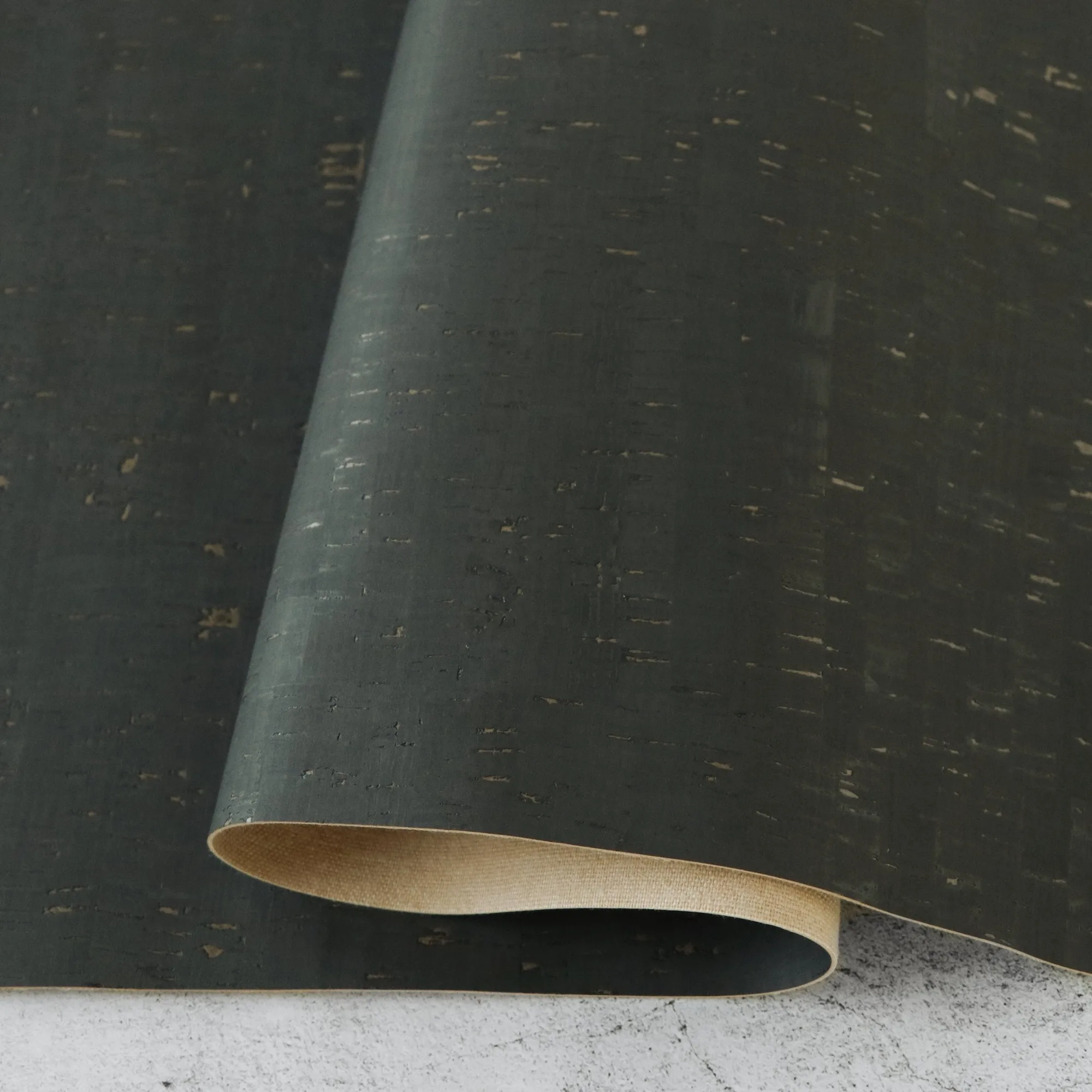
- Rustic Mineral Cork Fabric: This premium cork fabric, also known as cork leather, is easy-to-sew through, pliable, and durable. Cork fabric has a similar handle to faux leather or genuine leather because it is soft, smooth, and pliable. It is not hard or brittle. A sample lets you feel the softness and flexibility that makes cork a favorite for bags and accessories. You can test how it sews and whether it has the right drape for your pattern.
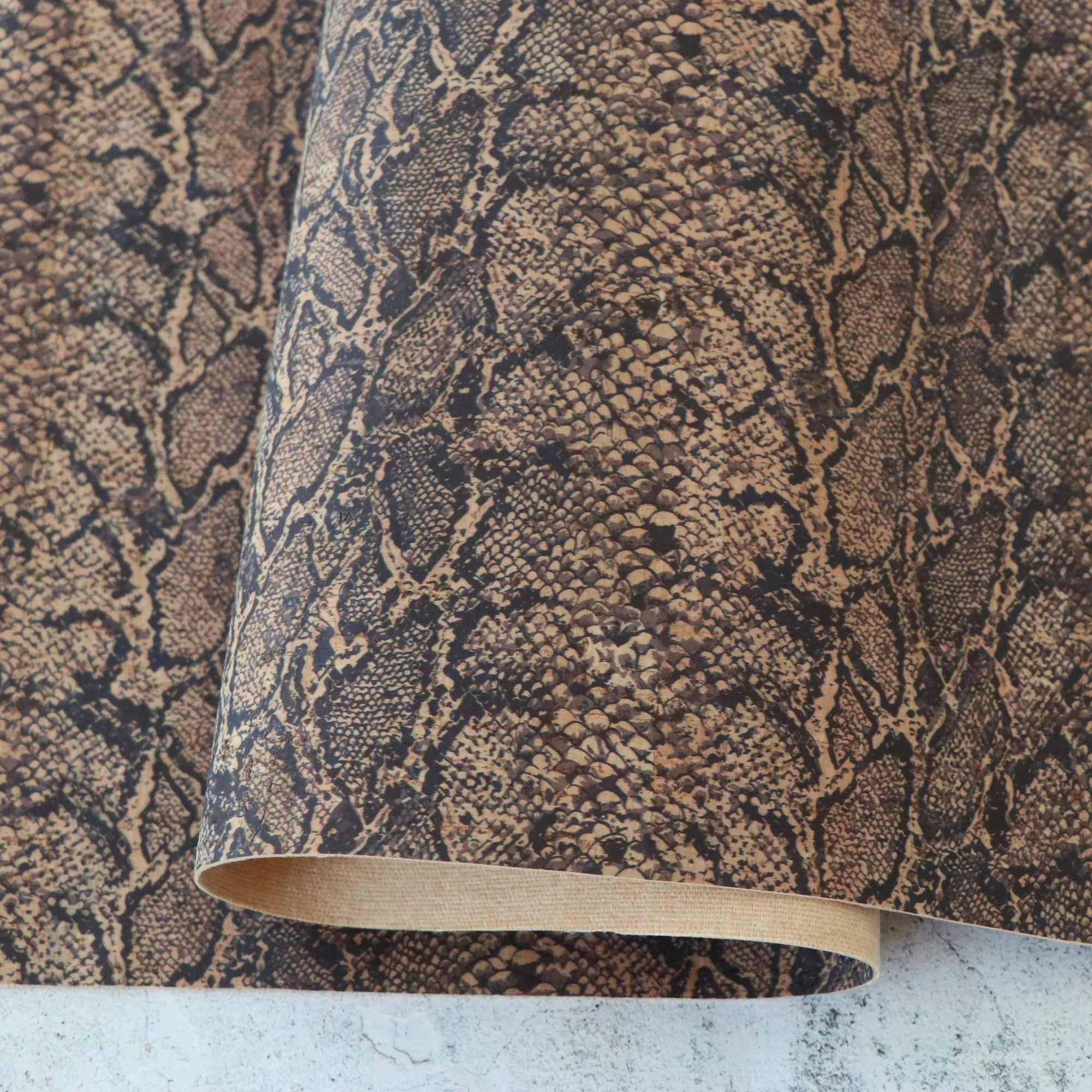
- Snake Cork Fabric: Our premium cork fabric is carefully renowned for its softness, durability, and consistent quality so it sews beautifully on both domestic and industrial machines. Unlike lower-grade corks that can crack, flake, or feel stiff, ours is smooth, pliable, and designed specifically for bag making and detailed sewing projects. Ordering a sample of this cork lets you verify the quality and texture before buying a larger cut. You can test for any tendency to crack or flake, ensuring it meets your standards.
Is Ordering Samples Right for You?
Best for
- Sewists who are particular about color and texture and want to avoid mistakes.
- Bag makers who need to test how a fabric handles curves, interfacing, and hardware.
Not for
- Shoppers who need fabric immediately and don't have time to wait for a sample.
- Those who are confident in their choice and prioritize saving on shipping costs.
Fabric samples are a small step that can save you time, money, and frustration. By ordering a few swatches, you can make informed decisions and ensure your next project turns out exactly as you imagined. So next time you're eyeing a beautiful cork or faux fur, grab a sample first—you'll be glad you did.