Quick answer
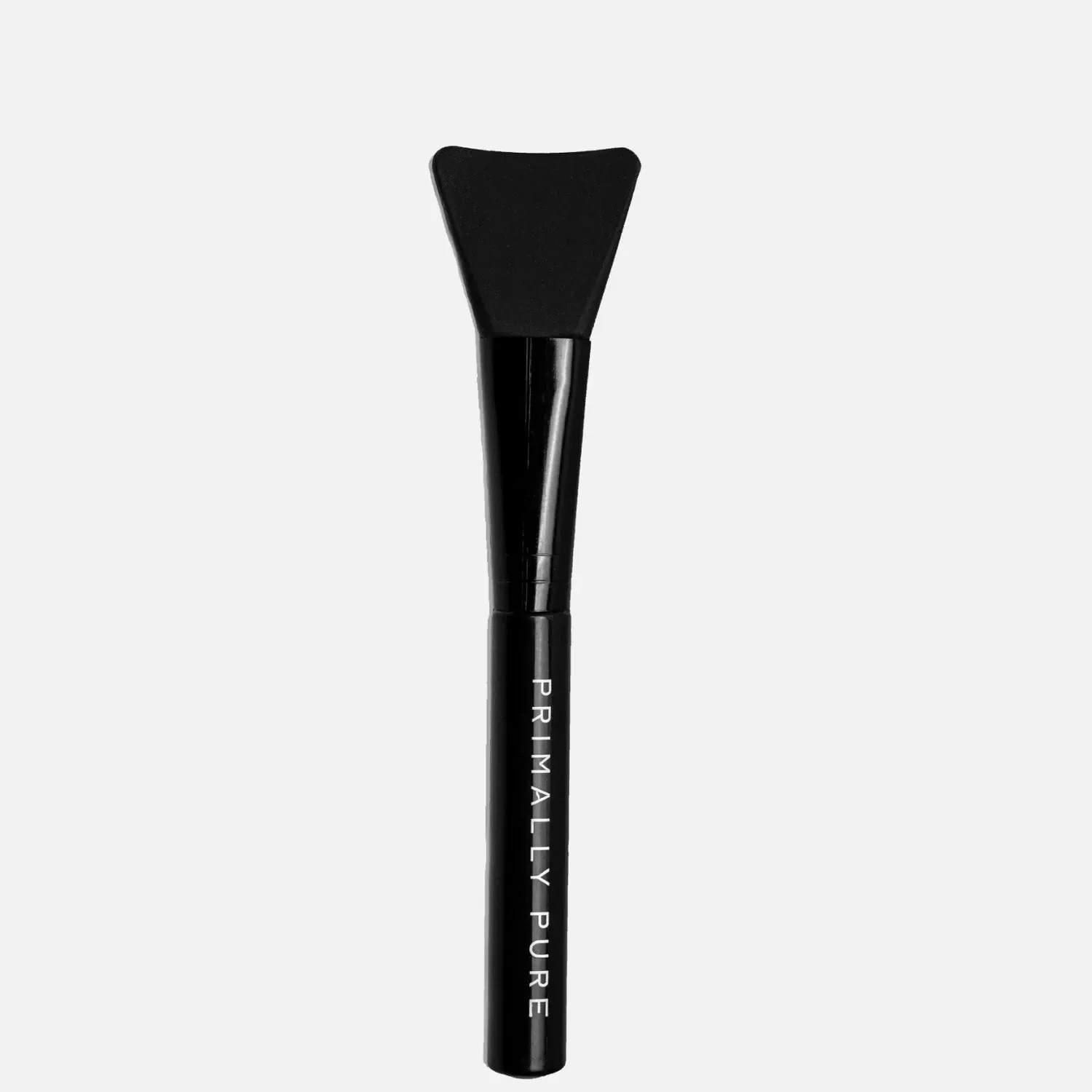
Scoop a pea-sized amount onto the angled edge of a silicone face mask brush, then sweep it across your face in thin, upward strokes, starting at the jaw and finishing at the hairline. Rinse the bristles under warm water immediately after use so dried clay does not clog the silicone.
Why a silicone brush beats fingers for clay and cream masks
Fingers work, but they absorb product, push clay into your nails, and apply uneven pressure. A silicone face mask brush gives you a smooth, non-porous surface that releases product instead of soaking it up. That means less waste and a more even layer, which matters most with fast-drying clay masks where thick patches crack and thin patches do nothing.
The other practical win is hygiene. Silicone does not hold bacteria the way a porous sponge or bristle brush can, and it rinses clean in seconds. If you regularly use the same mask on different areas or share it with a partner, a dedicated applicator keeps the jar itself cleaner because you never dip fingers back into the container.
Prep your skin and mask before you load the brush
Start with clean, dry skin. If you just washed your face, pat it dry completely; residual water dilutes the mask and makes it slide. For clay masks, a slightly damp face can help the formula spread, but for cream or gel masks, dry skin gives you more control.
Check the mask texture. Thick clay needs a firm scoop and a quick application because it starts setting on contact. Runny gels need a lighter touch and a smaller amount. If your mask has been sitting in a cold bathroom, let it come to room temperature for a few minutes so it spreads smoothly instead of dragging.
Step-by-step: applying a face mask with an applicator brush
- Scoop a controlled amount: Dip the angled edge of the brush into the jar and lift out a pea-sized amount. Do not overload the brush; you can always add more. Common mistake: scooping a huge blob that drips before it reaches your face. Checkpoint: the product should sit on the brush edge, not run down the handle.
- Start at the jaw and work upward: Use light, upward strokes to spread the mask from your jawline toward your cheeks, then your nose, then your forehead. Avoid the immediate eye area and lips unless the mask is labeled for them. Common mistake: starting at the forehead and dragging downward, which pulls the skin and leaves a thicker layer at the top. Checkpoint: aim for a thin, even layer about the thickness of a credit card.
- Use the angled edge for hard-to-reach spots: Turn the brush so the angled edge fits along the sides of your nose, under your lower lip, and along your hairline. These are the areas where fingers usually miss or over-apply. Common mistake: using the flat side of the brush and pressing hard, which pushes product into your hairline and eyebrows. Checkpoint: no visible clumps or skipped patches when you look in the mirror.
- Rinse the brush immediately after use: Hold the brush under warm running water and rub the silicone with your thumb to release leftover mask. If the mask is clay-based, do not let it dry on the brush; dried clay is much harder to remove. Common mistake: tossing the brush in the sink to clean later, which lets product harden in the crevices. Checkpoint: the silicone should feel smooth and squeaky, not tacky.
- Air-dry and store bristles-up: Shake off excess water and stand the brush upright in a cup or lay it on a clean towel with the silicone head not touching anything. Storing it wet in a closed drawer encourages mildew. Common mistake: putting it away damp, which can leave a musty smell. Next step: once dry, keep it with your mask jar so you actually use it next time.
Product facts
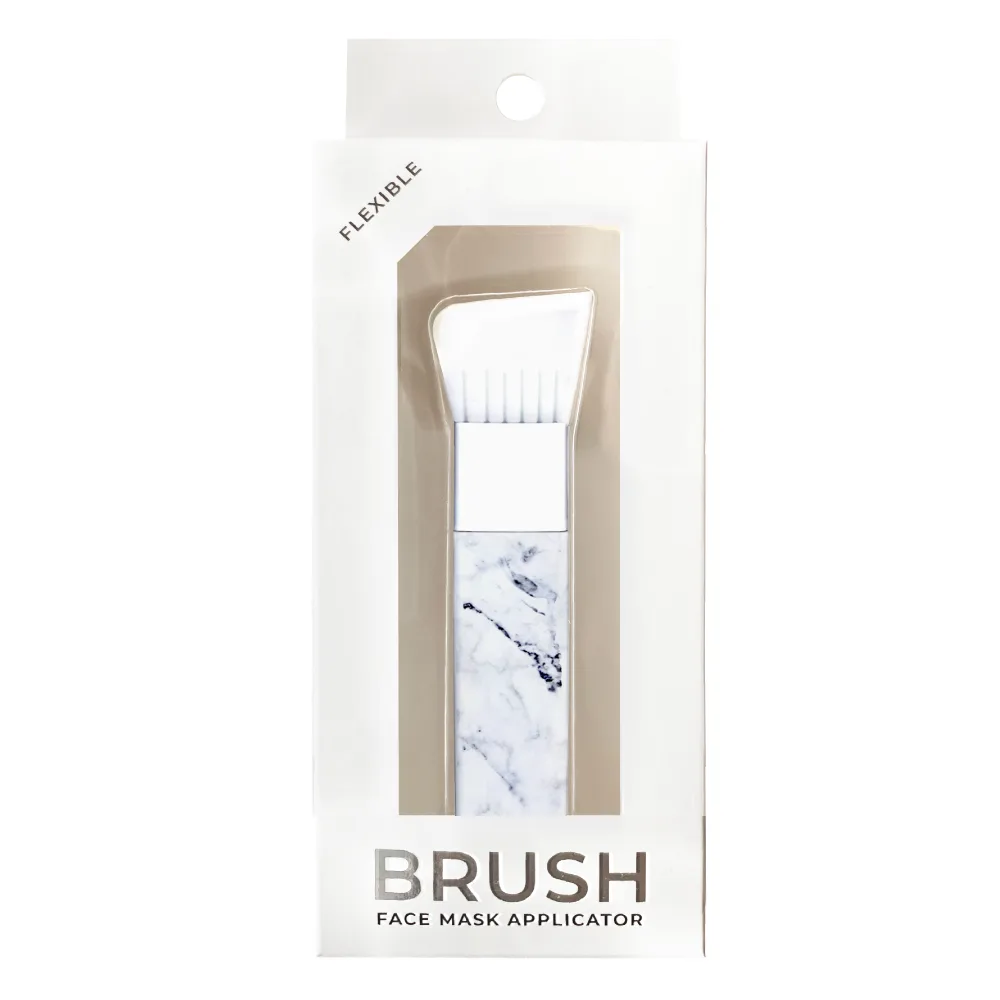
- Face Mask Applicator Brush: This uniquely sculpted Face Mask Applicator Brush is like using a spatula to scoop up the perfect amount of product for your skin. It has a unique, angled edge to help smooth the product onto your skin, getting into all the hard to reach areas of your face for the most flawless application. A soft, silicone texture helps the product seamlessly glide onto your face. The angled edge and silicone texture are what let you scoop a controlled amount and spread it thinly without dragging, which is the core of a less-mess application.