Managing your horse's weight can be a delicate balancing act. Whether your horse is a good doer that gains weight on air or a hard keeper that struggles to maintain condition, finding the right feeding strategy is essential. Feed blocks have become a popular tool for horse owners looking to manage weight while keeping their horses occupied and satisfied.
In this guide, we'll explore how feed blocks work, their benefits for weight management, and practical tips for incorporating them into your horse's daily routine. We'll also look at how they compare to other slow-feeding options and answer common questions about their use.
What Are Feed Blocks and How Do They Help with Weight Management?
Feed blocks, also known as hay blocks or forage blocks, are compressed cubes of hay or forage that are designed to be fed in a controlled manner. They are typically made from high-fiber, low-starch ingredients, making them an excellent choice for horses that need to lose weight or maintain a healthy weight. Unlike traditional hay nets or loose hay, feed blocks are denser and require more chewing, which naturally slows down the rate of consumption.
This slow-feeding aspect is key for weight management. When horses eat too quickly, they can consume more calories than they need and may also develop behavioral issues like boredom or cribbing. By extending the time it takes to eat a meal, feed blocks help horses feel fuller for longer, reducing the urge to overeat and promoting a more natural grazing pattern.
- High-fiber, low-starch formula supports weight loss or maintenance.
- Dense texture encourages slower eating and reduces boredom.
- Provides mental stimulation and satisfies the natural need to chew.
Choosing the Right Feed Block for Your Horse
When selecting a feed block, it's important to consider your horse's specific needs. Some blocks are designed as complete feeds, while others are meant to supplement the diet. Look for blocks that are low in sugar and starch, as these are more suitable for weight management. Also, consider the size and density of the block – larger, denser blocks will last longer and provide more chewing time.
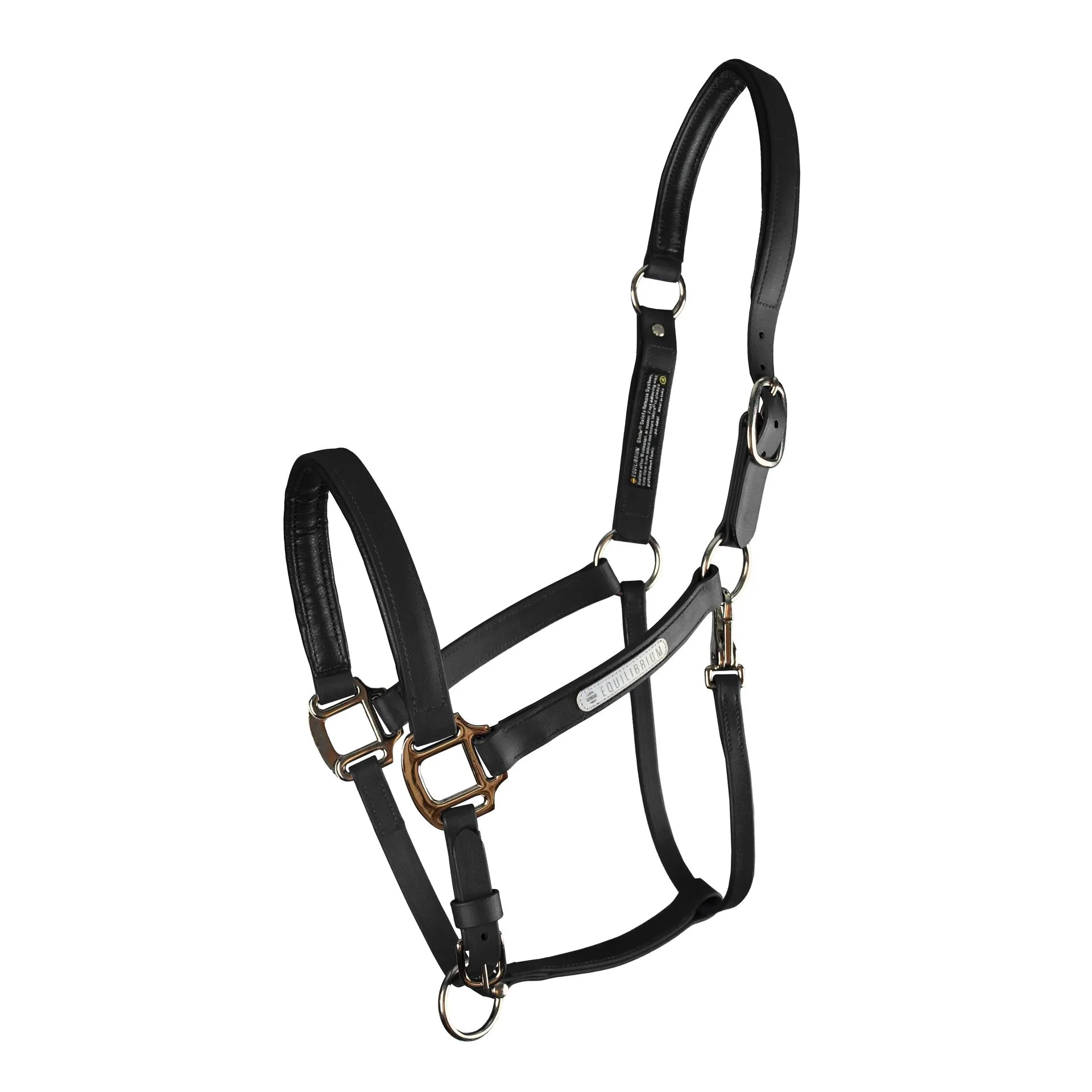
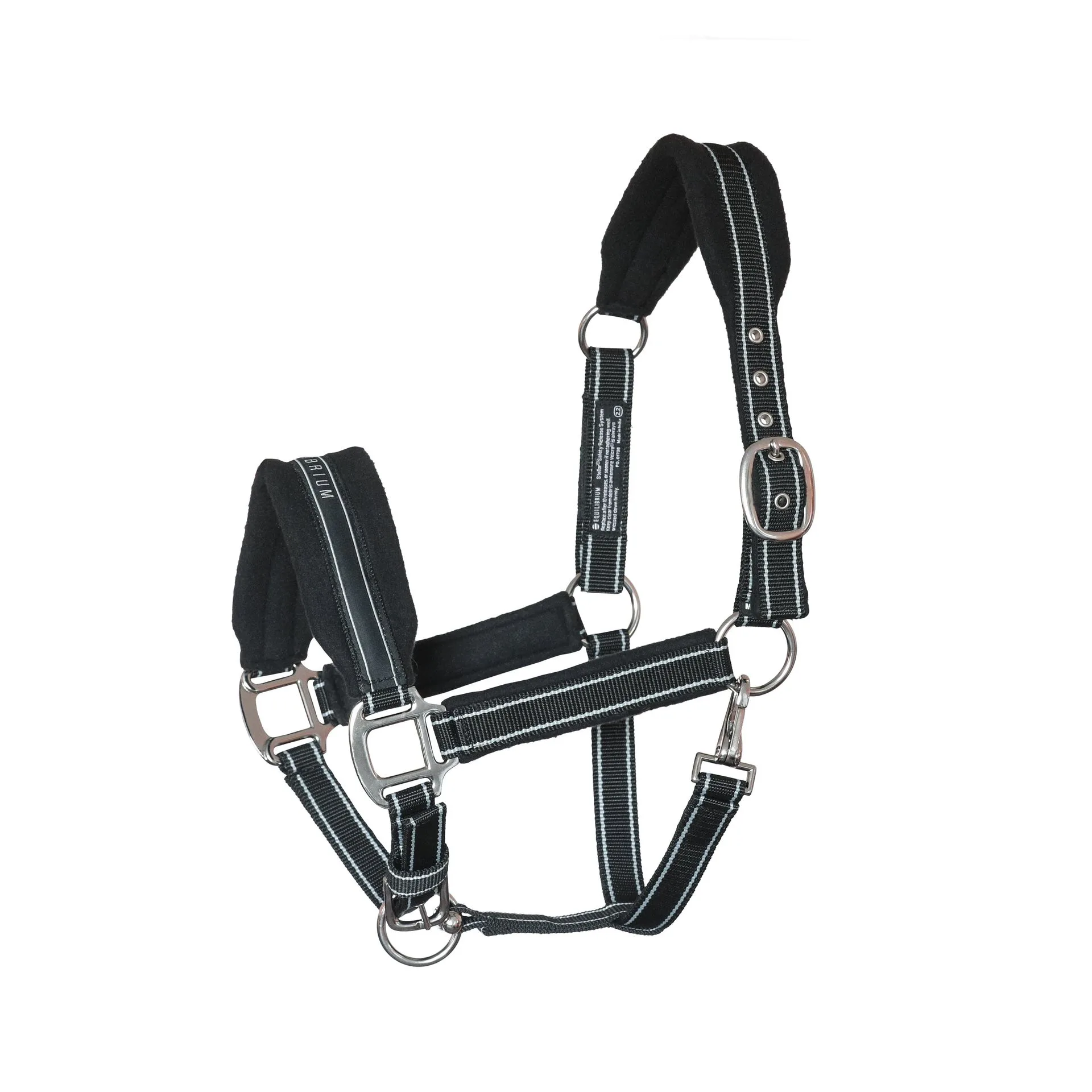
Equilibrium Products offers a range of nutrition and feed options that can support your horse's weight management goals. While they are not feed blocks per se, their products like the Stellar All Weather Headcollar and Stellar Leadrope are useful for managing your horse during feeding time, ensuring safe and controlled access to feed blocks in the field or stable.
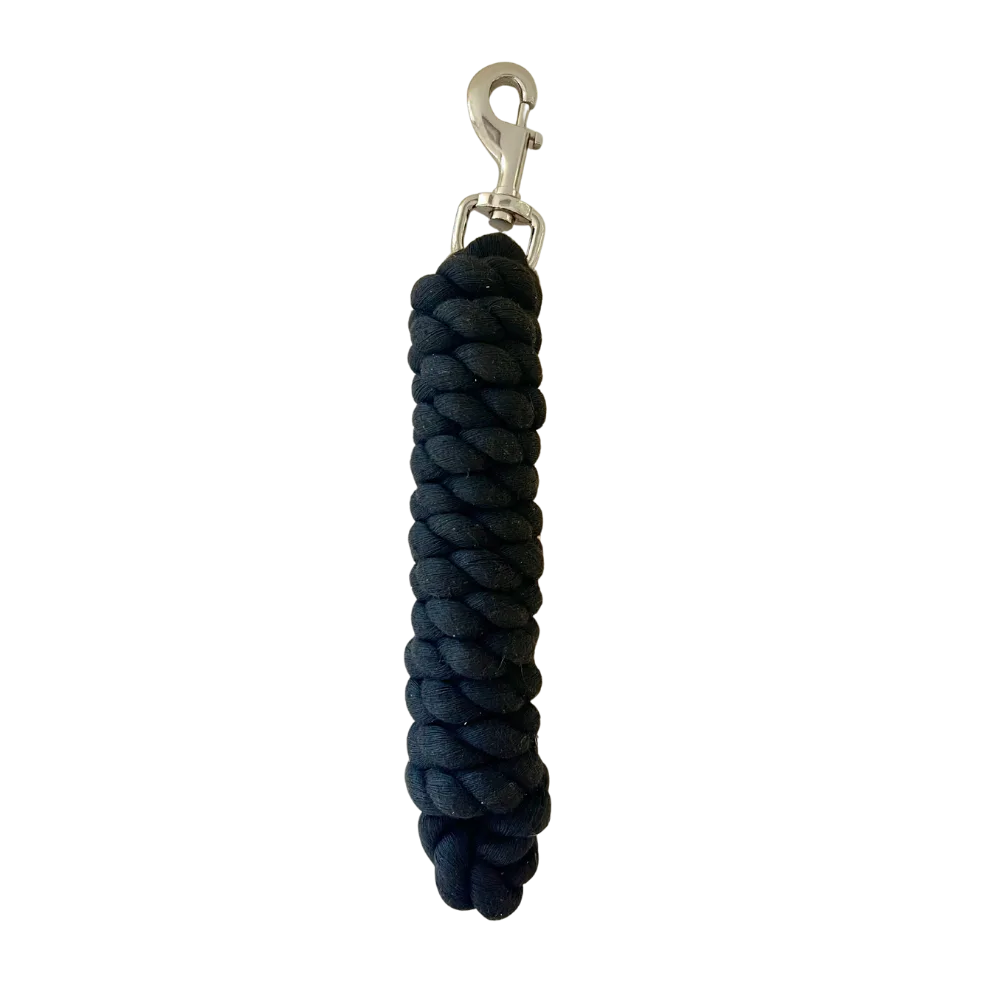
Stellar Leadrope
- Check the ingredient list for low sugar and starch content.
- Choose a block size that matches your horse's appetite and feeding duration.
- Consult your veterinarian or equine nutritionist for personalized advice.
How to Introduce Feed Blocks to Your Horse's Diet
Introducing feed blocks should be done gradually to avoid digestive upset. Start by offering a small amount alongside your horse's regular hay, then slowly increase the proportion over a week or two. Monitor your horse's weight and condition regularly to ensure the feed block is having the desired effect.
It's also crucial to provide plenty of fresh water, as feed blocks can increase thirst. Place the block in a clean, dry area, preferably in a feeder or on a mat to prevent it from becoming muddy or contaminated. Supervise your horse during the first few feedings to ensure they are eating correctly and not attempting to bite off large chunks.
- Gradually mix feed blocks with regular hay over 7-10 days.
- Always provide fresh, clean water nearby.
- Use a feeder or mat to keep the block off the ground.
Feed Blocks vs. Other Slow-Feeding Methods
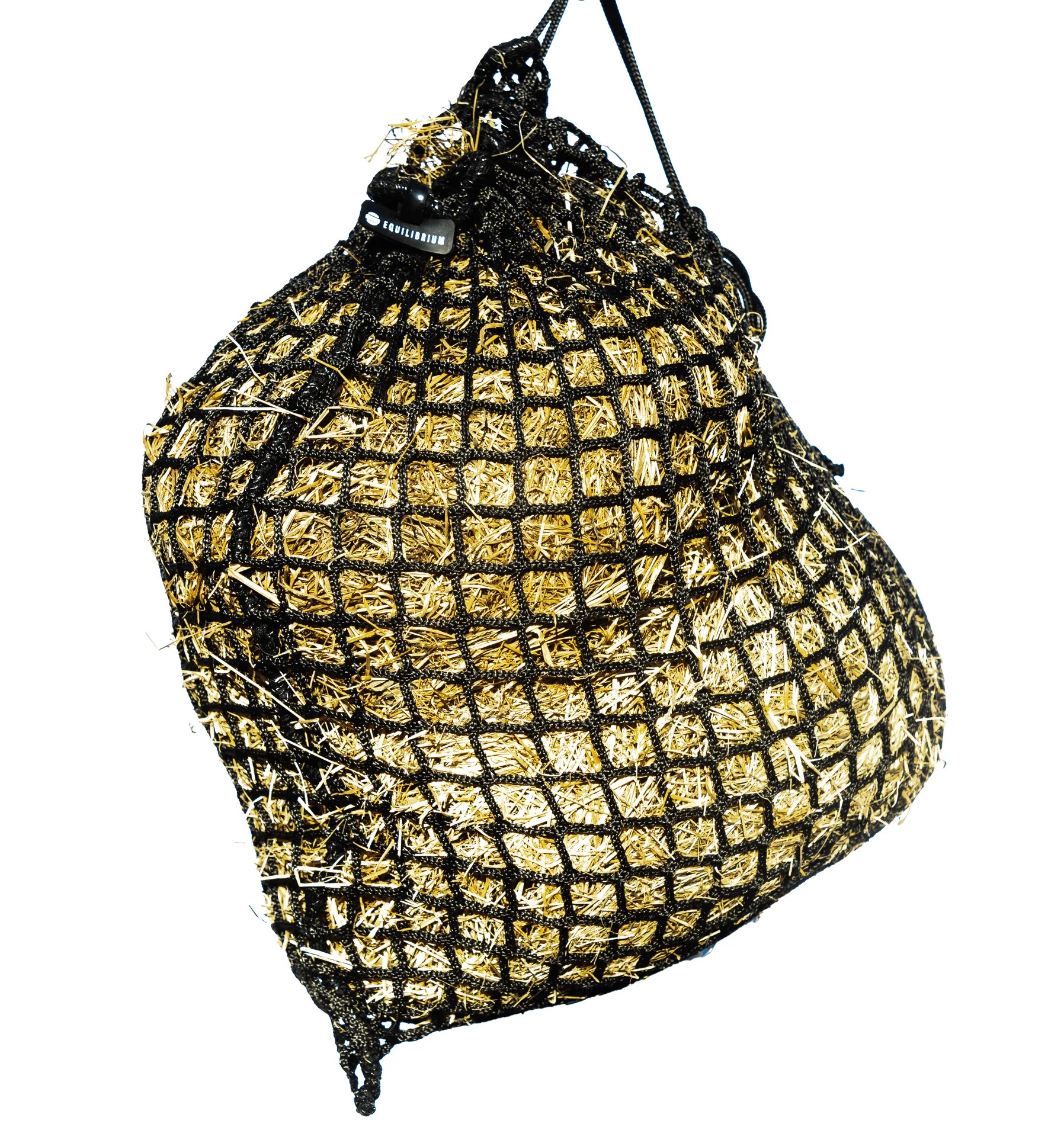
Feed blocks are just one of many slow-feeding options available. Hay nets with small holes, slow-feeders, and grazing muzzles are also popular. Each has its pros and cons. Hay nets are portable but can cause wear on teeth if too small. Grazing muzzles are useful for pasture but can be restrictive. Feed blocks offer a simple, low-maintenance solution that doesn't require constant refilling and can be left in the stable or field.
For horses that are prone to weight gain, combining feed blocks with regular exercise and a controlled grazing schedule can be highly effective. Remember that every horse is different, so what works for one may not work for another. It's always best to monitor your horse's body condition score and adjust the feeding plan accordingly.
- Feed blocks are low-maintenance and reduce waste.
- They are less likely to cause dental issues compared to very fine hay nets.
- Ideal for horses that need to lose weight gradually.
Practical Tips for Using Feed Blocks Safely
Safety should always be a priority when introducing any new feeding method. Ensure the feed block is placed in a location where your horse cannot get trapped or injured. If you have multiple horses, it's wise to feed them separately to avoid competition and ensure each gets its fair share.
Regularly check the block for signs of mold or spoilage, especially in humid conditions. Replace any block that appears damaged or contaminated. Additionally, consider using a slow-feeder basket or container designed for feed blocks to further slow consumption and reduce waste.
- Feed horses separately to prevent aggression and overeating.
- Inspect blocks regularly for mold or debris.
- Use a slow-feeder container to extend feeding time even more.
Feed blocks can be a valuable tool in managing your horse's weight, offering a slow, natural way to consume forage while reducing boredom and overeating. By choosing the right block, introducing it gradually, and using it safely, you can help your horse achieve and maintain a healthy weight. For more equine care products, explore the range at Equilibrium Products, including the Stellar All Weather Headcollar and Stellar Leadrope, to support your horse's daily routine.