Quick answer
Use a filter carry case to protect your lens filters from scratches, dust, and impact. Follow a simple process: choose the right case, organize filters by size and type, secure them properly, and maintain the case for long-term use.
Why a filter carry case matters
Lens filters are delicate optical accessories. Even a small scratch can degrade image quality, and dust or moisture can cause spots in your photos. A dedicated filter carry case provides padded compartments that keep filters separated and cushioned, preventing damage during transport or storage.
A good case also helps you stay organized. Instead of rummaging through a bag for the right filter, you can quickly grab the one you need. This saves time on a shoot and reduces the risk of dropping or scratching a filter.
Choosing the right filter carry case
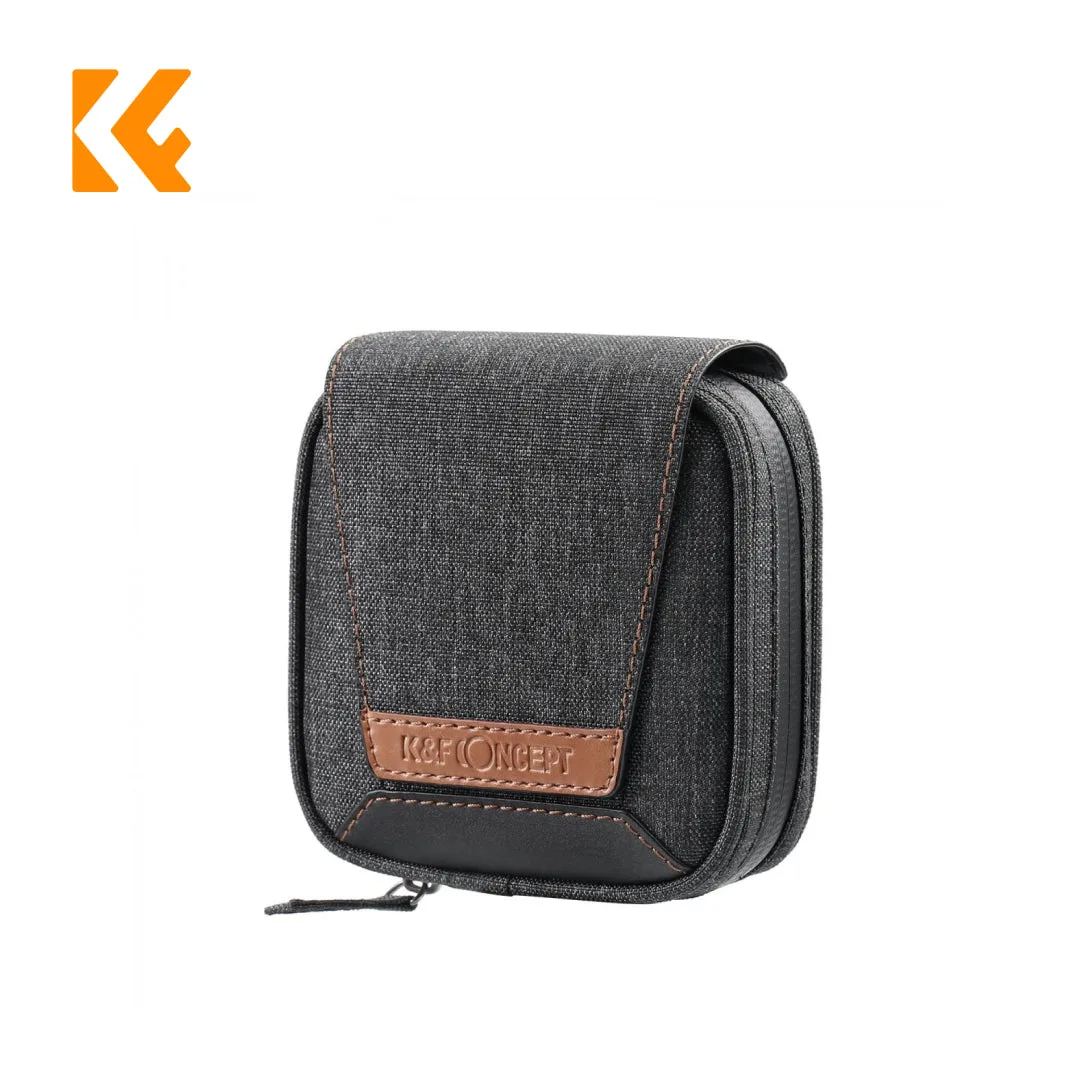
Not all filter cases are the same. Consider the size and number of filters you carry. A case with multiple pockets, like the K&F Concept 4-Pocket Filter Carry Case, can hold up to four filters up to 95mm diameter. This is enough for most photographers who carry a polarizer, ND, and UV filter.
Look for a case with a waterproof exterior and padded interior. EVA and high-density pearl cotton compartments provide shock absorption, which is key for protecting filters from drops or bumps inside your camera bag.
Common mistakes to avoid
One common mistake is overstuffing the case. If you try to force more filters than the pockets allow, the padding can't protect them effectively, and the zipper may strain. Another is leaving filters loose in the case without securing them in their slots, which can cause them to rub against each other.
Also, avoid storing the case in extreme heat or direct sunlight for long periods. The padding materials may degrade over time, reducing protection.
Step-by-step guide: How to use a filter carry case
- 1. Choose the right case for your filters: Select a case that matches the number and size of filters you own. For example, the K&F Concept 4-Pocket Filter Carry Case accommodates filters from 37mm to 95mm. Check the pocket dimensions to ensure your filters fit snugly without being forced. A case that is too small can damage filters; one that is too large may allow them to shift.
- 2. Organize filters by size and type: Place filters of similar diameter in separate pockets to avoid scratches. If you have multiple types (e.g., UV, polarizer, ND), group them by function so you can quickly find the one you need. Label pockets with a permanent marker or use color-coded cases. Mixing different sizes in one pocket can cause edge scratches.
- 3. Insert filters carefully: Slide each filter into its pocket with the glass side facing inward or toward the padded side. Ensure the filter is fully seated and not protruding. Close the case flap or zipper gently to avoid pinching the filter edge. A protruding filter can be damaged when the case is closed or dropped.
- 4. Secure the case in your camera bag: Place the filter case in a dedicated compartment of your camera bag, away from heavy items like lenses or tripods. If the case has a loop or strap, attach it to a D-ring or clip to prevent shifting during movement. Loose cases inside a bag can get crushed or cause filters to rattle.
- 5. Maintain the case regularly: Periodically wipe the exterior with a damp cloth to remove dust and moisture. Check the zipper and padding for wear. If the case gets wet, air-dry it thoroughly before storing filters again. A dirty or damp case can transfer grit or moisture to your filters.
Product facts
-
K&F Concept 4-Pocket Filter Carry Case: K&F Concept 4-Pocket Filter Carry Case holds up to four filters up to 95mm diameter. It features EVA and high-density pearl cotton compartments for shock absorption and a waterproof exterior. This means your filters are protected from impact and moisture, making the case suitable for outdoor shoots or travel where conditions can be unpredictable.
K&F Concept 4-Pocket Filter Carry Case