Quick answer
Use flash cards in short, playful bursts: 3–5 minutes, 5–10 cards, once or twice a day. Show one card at a time, say the word or sound clearly, and let your child respond however they can. Stop while they are still interested, and repeat the same small set for several days before adding new cards.
Flash cards work best at home when they feel like a game, not a quiz. A toddler or preschooler does not need a big stack or a long session. They need a few cards, your voice, and a reason to look, point, and try.
The routine below is built for real family life: short sessions, simple games, and clear checkpoints so you know when to keep going and when to put the cards away. It also works with mixed ages, because you can adjust how many cards you use and how fast you go.
Set up a short, repeatable flash card routine
Pick one time of day when your child is fed and rested, such as after breakfast or before bath. Keep the cards in one small spot so setup takes seconds. Start with 5–10 cards from a single category, like animals or everyday objects, and sit at eye level with your child.
A common mistake is turning the first sessions into a test. At this age, the goal is exposure and back-and-forth talk, not perfect answers. If your child looks away or grabs the cards, that is a signal to shorten the session, not to push through it.
- Use 5–10 cards per session, not the whole deck.
- Keep the same small set for several days before swapping in new cards.
- End on a successful, happy moment.
Show one card at a time and keep your language simple
Hold a card at your child's eye level, pause for one or two seconds, then say the word clearly. For a toddler, one word is enough: 'dog.' For a preschooler, add one detail: 'dog — woof.' Then wait. Give your child time to point, sign, or say something before you move on.
Avoid stacking cards or flipping quickly. Speed can make the activity feel like a performance. If your child repeats the word, repeat it back and move to the next card. If they do not respond, simply name it again and continue — silence is fine.
- One card, one word, one short pause.
- Match your pace to your child's attention, not to the size of the deck.
- Never correct a wrong answer harshly; just model the correct word.
Turn flash cards into flash card games
Once your child knows a few cards, add a simple game. Lay three cards face up and ask, 'Where is the cat?' Let them point or pick it up. This is matching and listening practice, and it feels like play. You can also hide a card under a cushion and ask your child to find it.
For older preschoolers, try a sorting game: put all the animal cards in one pile and the food cards in another. Another favorite is 'show me': 'Show me something that says moo.' These flash card games build vocabulary and thinking skills without turning the session into a drill.
- Start with 3 cards for a matching game, then add more as it gets easy.
- Let your child be the teacher and hold up a card for you.
- Stop the game while your child is still smiling.
Pair flash cards with books, puzzles, and everyday talk
Flash cards are one tool, not the whole plan. The words stick better when they show up elsewhere. If you use animal cards, read a board book about animals the same day. If you use shape cards, point out circles and squares around the house. This is how early learning at home becomes part of normal conversation.
Hands-on activities also help. A simple matching game like Little Traveler Bingo uses picture tiles and gameboards, so children practice naming and matching in a social setting. The point is to connect the card to something real, not to add more screen time.
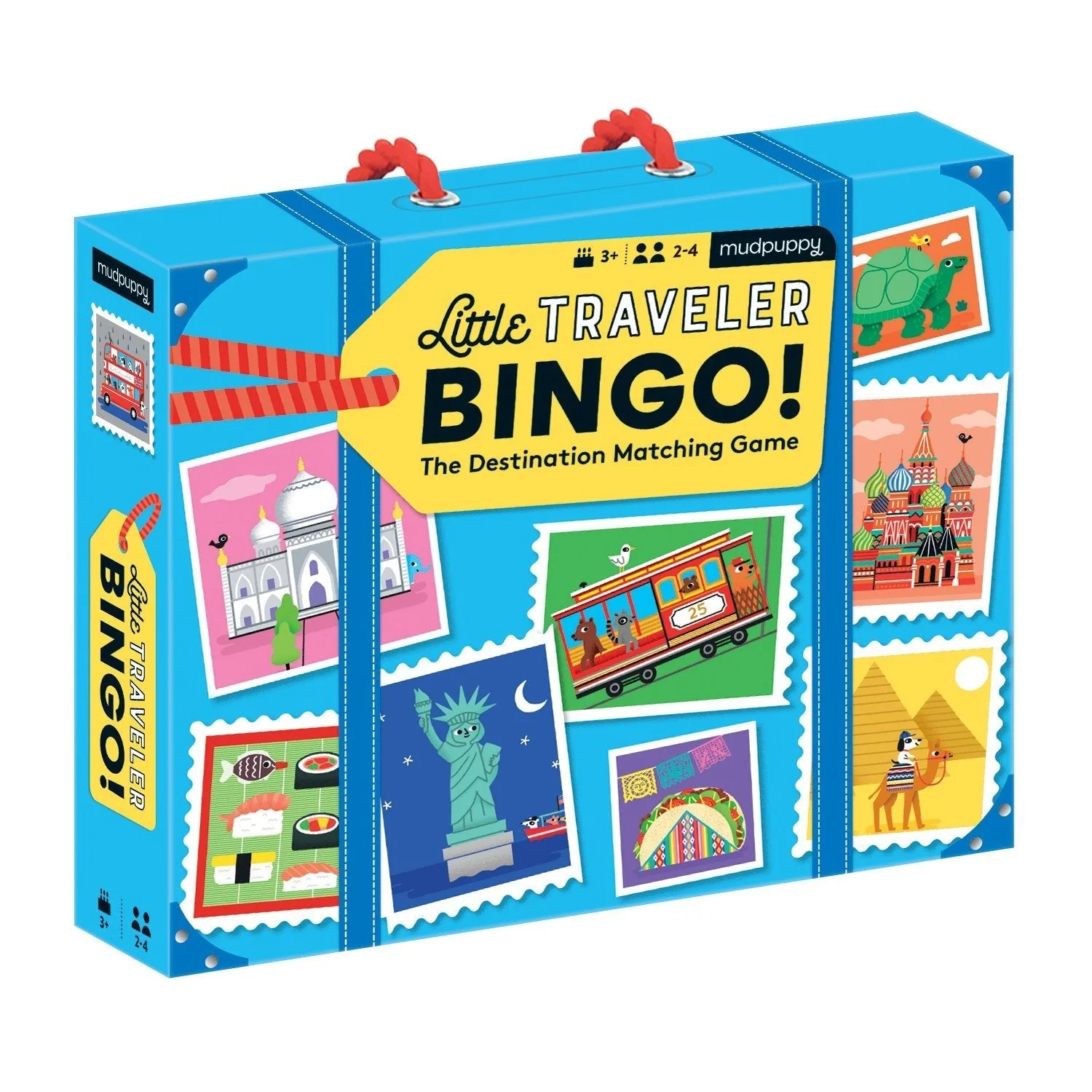
Little Traveler Bingo
- Use one or two cards as a bridge into a book or puzzle.
- Name objects during daily routines: bath, snack, walk.
- Keep flash cards as one small part of a play-filled day.
Know when to pause, repeat, or move on
Repeat the same set for several days. Young children enjoy familiarity, and repetition is how words move into long-term memory. When your child names most of the cards without help, add 2–3 new cards to the pile and keep the old ones in rotation.
If your child starts guessing wildly, looking away, or saying 'no,' stop for the day. That is not failure; it is a checkpoint. Try again tomorrow with fewer cards or a different game. If flash cards consistently cause frustration, switch to a hands-on activity for a week and come back later.
- Add new cards only when the current set feels easy.
- Keep sessions under 5 minutes for toddlers.
- A short, happy session beats a long, tense one.
Your 5-step flash card routine
- Pick a calm moment and a small set: Choose a time when your child is fed and rested. Pull 5–10 cards from one category and keep them in a single spot. Checkpoint: if your child is already tired or hungry, skip the session.
- Show one card and say one word: Hold the card at eye level, pause, and say the word clearly. Wait a moment for a point, sign, or sound. Mistake to avoid: flipping through cards too fast.
- Add a simple game after a few days: Lay out three cards and ask your child to find one. Or sort cards into two piles together. Checkpoint: if your child loses interest, go back to showing one card at a time.
- Connect the words to books and play: Read a board book or play a matching game that uses the same pictures or ideas. Mistake to avoid: treating flash cards as the only learning activity.
- Repeat, then add two or three new cards: Keep the same set for several days. When your child names most cards easily, add a few new ones and keep the old favorites in the mix. Checkpoint: stop while your child is still interested, and try again tomorrow.
Mudpuppy products that support early learning play
- Little Traveler Bingo: Little Traveler Bingo is a destination matching game with 4 gameboards and 24 tiles, for 2–4 players, ages 3+. It turns naming and matching into a group game, which is a natural next step after one-on-one flash card practice.
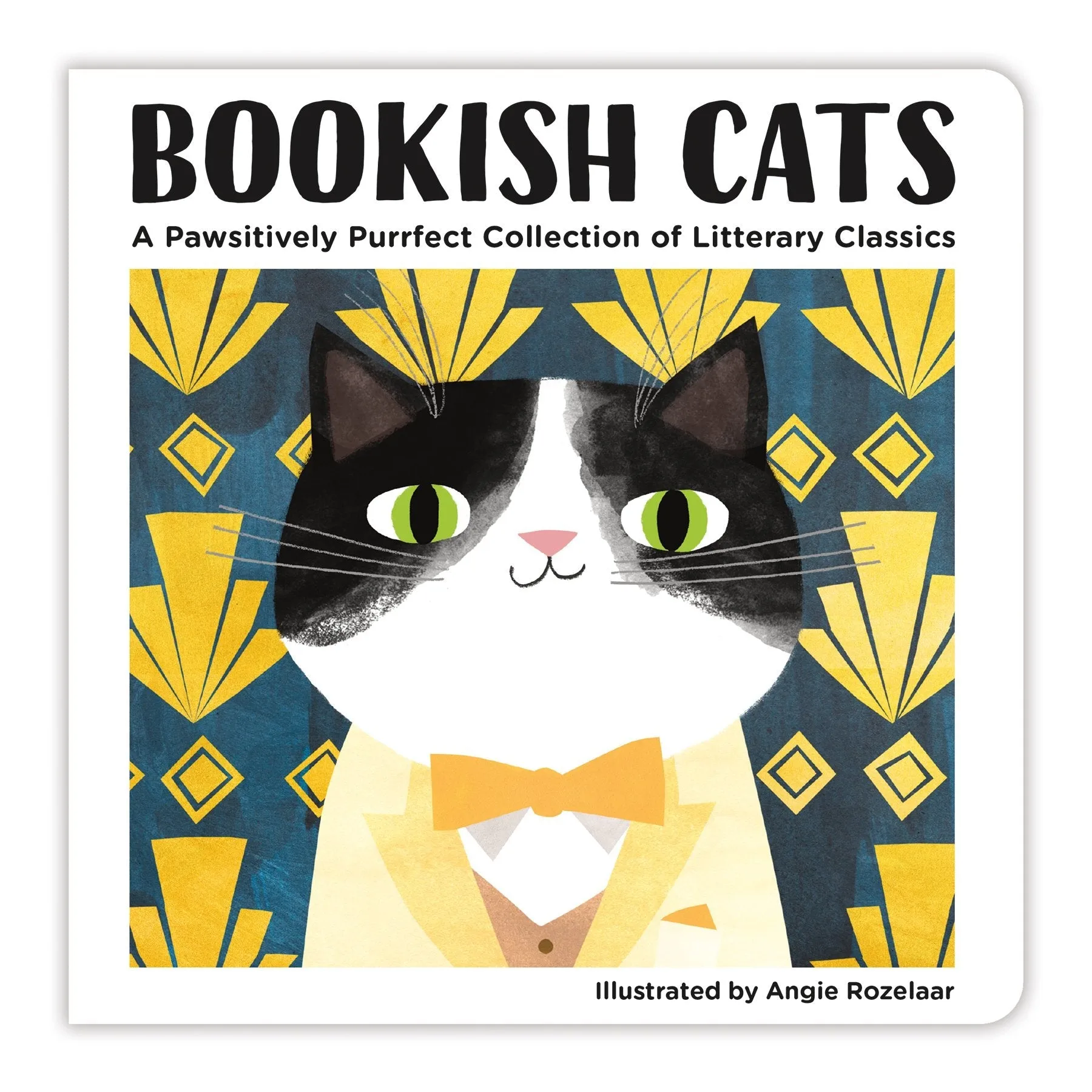
- Bookish Cats Board Book: Bookish Cats Board Book is a collection of cat portraits and punny classic titles, such as Romeow & Juliet by William Shakespurr. Reading it together reinforces the same words and pictures you show on cards, so early learning at home stays playful and connected.
Flash cards do not need to be a formal lesson. A few minutes of looking, naming, and playing — repeated often — is enough to support early learning at home. Keep the stack small, the mood light, and the sessions short, and your child will get the most from them.