Quick answer
Insert FlyFit earplugs before takeoff, not after pressure starts. Pull your ear up and back, gently push the plug in until it sits snugly, and keep them in through descent. The filter balances pressure gradually, so it works best when it is already in place before the cabin altitude changes.
Why timing matters more than technique
Most in-flight ear pain happens because pressure changes faster than your middle ear can equalize. FlyFit earplugs use a filter that acts like a valve, ensuring a gradual and constant pressure balance between the air and your middle ear. That only helps if the earplug is already seated before the pressure change begins. Put them in at the gate, before boarding, and leave them in until you are on the ground and the cabin door opens.
What to do if your ears still feel blocked
A blocked feeling does not always mean the earplug failed. Try a gentle swallow, yawn, or chew. If that does not help, check that the earplug is not pushed in too far or sitting too loose. Remove and reinsert only if you can do it without forcing. Never push harder to clear pressure. If pain continues, take the earplugs out and use the Valsalva maneuver only if a clinician has told you it is safe for you.
Step-by-step: inserting FlyFit earplugs for flights
- Clean and dry your ears: Wipe your outer ear with a clean tissue or cloth before inserting. Moisture or wax on the plug can make it slip and break the seal. Checkpoint: your ear canal opening should feel dry and free of visible wax before you continue.
- Pull your ear up and back: Reach over your head with your opposite hand, gently pull the top of your ear up and slightly back. This straightens the ear canal so the plug can seat without force. Mistake to avoid: jamming the plug in without pulling the ear first. That usually causes discomfort and a poor fit.
- Insert with a gentle twist: Slide the FlyFit earplug into your ear canal with a slow, light twisting motion. Stop as soon as you feel a snug seal. Do not push past the point of easy entry. Checkpoint: the plug should feel secure but not painful. If it hurts, pull it out and try again.
- Check the seal before takeoff: Cup your hand over your ear and release. If the sound changes noticeably, the seal is probably good. If not, remove and reinsert. Mistake to avoid: assuming a loose plug will still balance pressure. It will not work as intended.
- Keep them in through descent: Leave FlyFit earplugs in from before takeoff until the plane has landed and the cabin pressure has stabilized. Descent is when most ear pain occurs because pressure changes fastest. Checkpoint: if you feel pressure building, swallow or yawn with the earplugs still in place.
- Remove slowly after landing: Once on the ground, twist gently while pulling out. Do not yank. Clean the earplugs according to the manufacturer instructions before storing them. Next step: store them in their case so they are ready for your return flight.
Product facts
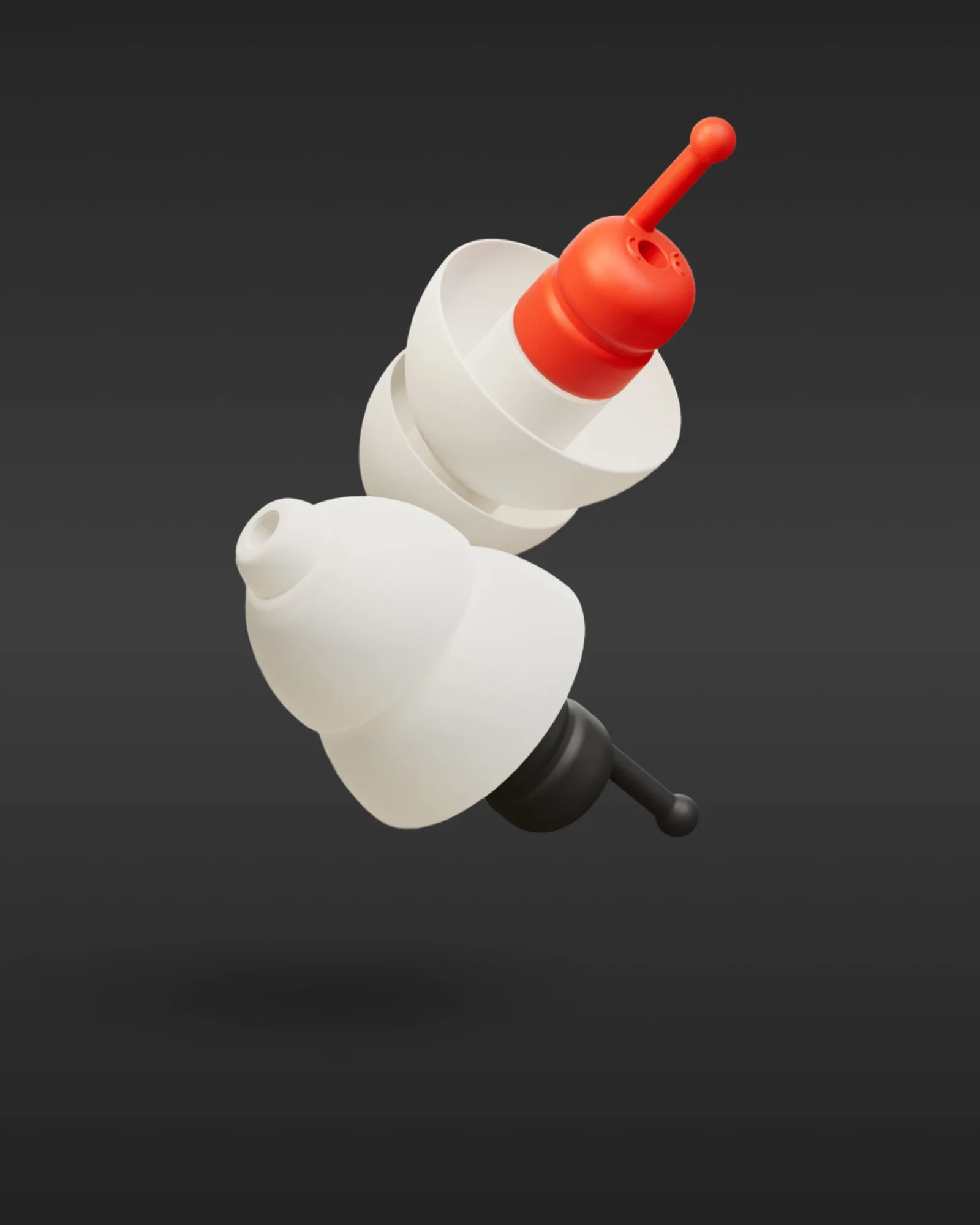
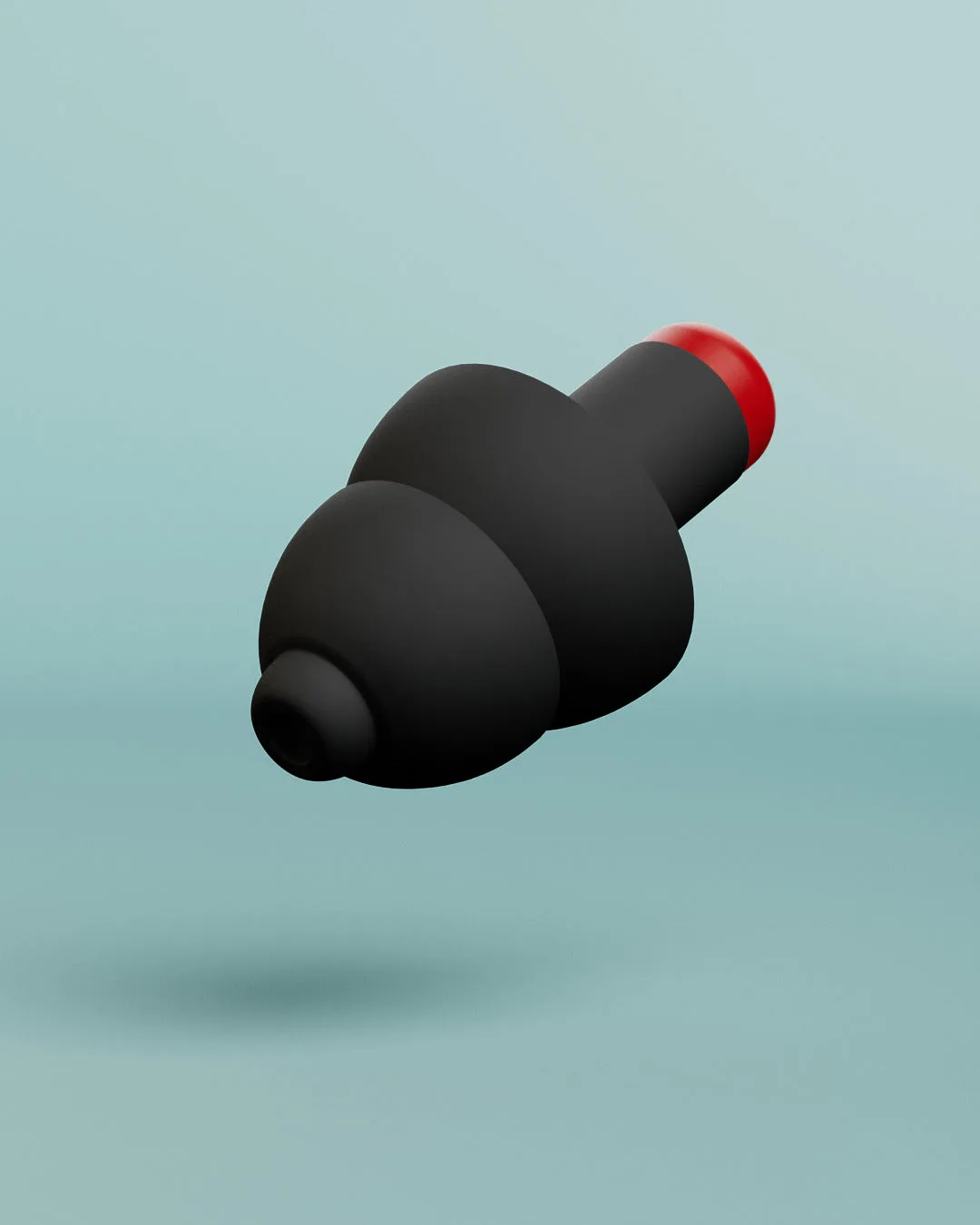
- FlyFit: Alpine FlyFit earplugs are specially designed to make your travel or flight as comfortable as possible. By wearing earplugs during your flight, the annoying pressure on the eardrum is regulated. The filters act like a valve, ensuring a gradual and constant pressure balance between the air and your middle ear. In addition, the travel earplugs provide light attenuation of ambient noise. The pressure-balancing filter is the reason you wear FlyFit before takeoff and keep them in through landing, rather than treating them like ordinary foam plugs.