Quick Answer
To use a hand carved wooden teaspoon for loose leaf tea, scoop dry leaves with a clean, dry spoon and avoid prolonged contact with water. Clean it promptly after use with mild soap and warm water, then dry it immediately to prevent cracking or warping.
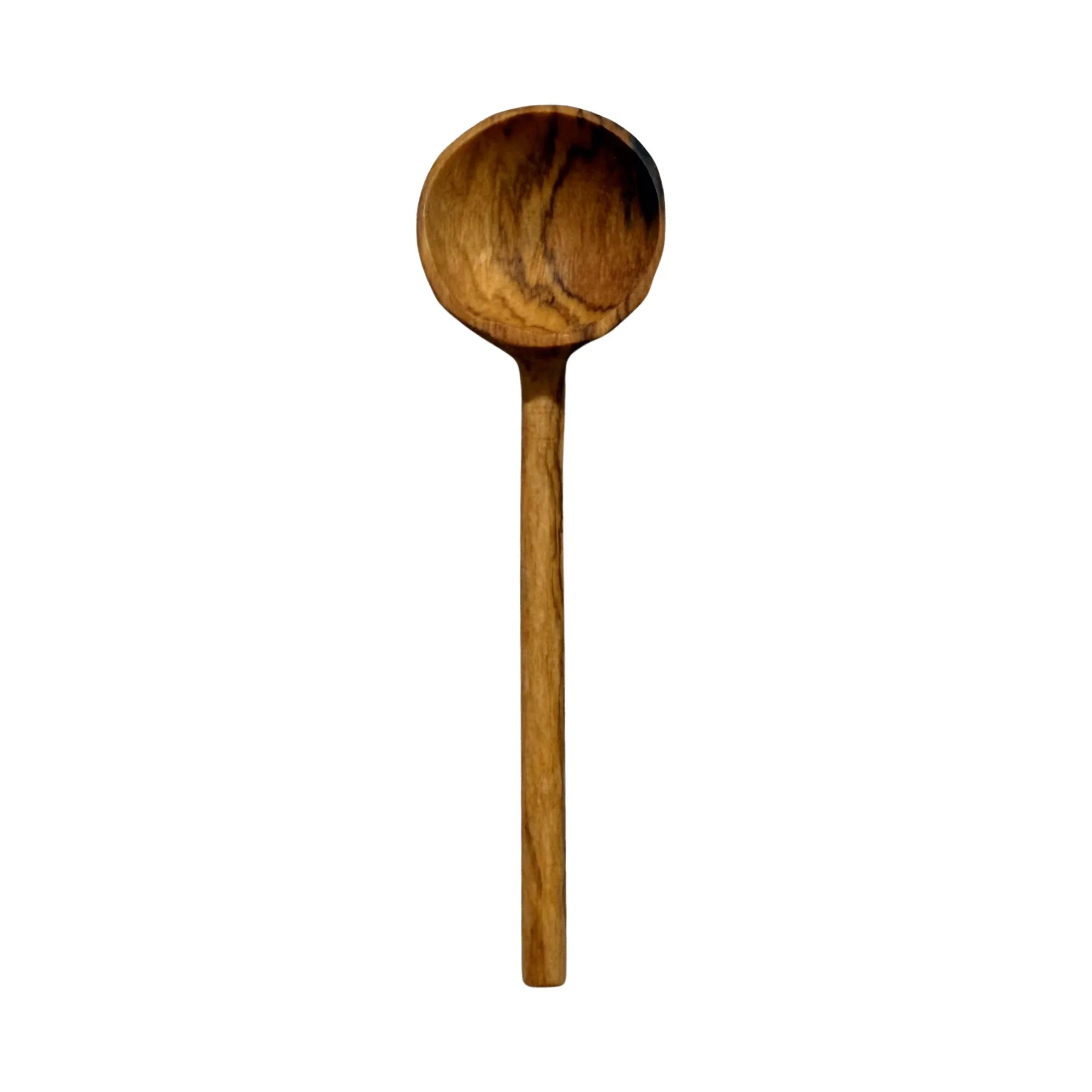
hand carved wooden teaspoon
A hand carved wooden teaspoon isn't just a pretty tool—it's a practical companion for measuring loose leaf tea. Wood is gentle on delicate leaves and doesn't impart metallic flavors, making it a favorite among tea enthusiasts. But to keep it in top shape, you need to know how to care for it properly.
In this guide, we'll walk you through the steps of using and maintaining your wooden tea spoon, so it lasts for years and enhances your brewing ritual.
Why Choose a Wooden Spoon for Tea?
Wooden spoons have been used for centuries in tea ceremonies, valued for their neutral flavor and gentle touch. Unlike metal spoons, wood won't react with the tea's natural compounds, preserving the true taste of your brew. Plus, a hand carved wooden spoon adds a touch of craftsmanship to your tea routine.
When measuring loose leaf tea, a wooden spoon helps you scoop the right amount without crushing the leaves. This is especially important for delicate teas like white or green tea, where bruising can lead to bitterness. The natural texture of wood also provides a comfortable grip, making it easy to handle.
- Use a dedicated spoon for tea to avoid cross-flavors from other spices or foods.
How to Clean Your Wooden Tea Spoon
Cleaning a wooden spoon requires a gentle touch. Avoid soaking it in water or putting it in the dishwasher, as excess moisture can cause the wood to crack or warp. Instead, rinse it briefly under warm running water and use a soft cloth or sponge with mild dish soap to wipe away any residue.
For stubborn stains or odors, make a paste of baking soda and water, gently rub it on the spoon, and rinse immediately. Never use harsh chemicals or abrasive scrubbers, as they can strip the wood's natural oils and finish. After cleaning, dry the spoon thoroughly with a towel and let it air dry completely before storing.
- If your spoon develops a rough texture, lightly sand it with fine-grit sandpaper and reapply food-safe mineral oil.
Seasoning and Maintaining Your Wooden Spoon
To keep your wooden spoon hydrated and prevent cracking, season it regularly with food-safe mineral oil or beeswax. Apply a thin layer with a soft cloth, let it soak in for a few hours or overnight, then wipe off any excess. This helps maintain the wood's natural luster and creates a protective barrier against moisture.
How often you season depends on how frequently you use the spoon. As a rule of thumb, do it once a month or whenever the wood looks dry. Avoid using olive oil or vegetable oil, as they can turn rancid and affect the taste of your tea.
- Store your wooden spoon in a dry place away from direct sunlight to prevent fading and warping.
Step-by-Step Use and Care Guide
- Start with a clean, dry spoon: Before scooping your loose leaf tea, ensure your wooden spoon is completely dry. Any moisture can cause tea leaves to stick and may lead to mold growth over time. Checkpoint: Wipe the spoon with a dry cloth if it's been stored in a humid area.
- Scoop the right amount of tea: Use the spoon to gently scoop loose leaf tea into your infuser or teapot. Aim for about one teaspoon per 8 ounces of water, adjusting to your taste. Avoid pressing down hard to prevent crushing the leaves. Checkpoint: If you're using a blend with larger pieces, use a heaping spoonful for the same weight.
- Brew your tea as usual: After adding the tea, proceed with your normal brewing process. The wooden spoon can rest on a saucer or tea tray while your tea steeps. No special handling needed during brewing.
- Rinse and dry immediately: Once you're done, rinse the spoon under warm water and gently wash with mild soap if needed. Dry it thoroughly with a towel and let it air dry completely before storing. Common mistake: Leaving the spoon to soak in the sink can cause cracking. Always dry it right away.
- Season monthly: Once a month, apply a thin coat of food-safe mineral oil to keep the wood conditioned. Rub it in, let it sit, then buff off any excess. Checkpoint: If the wood feels rough or looks dull, it's time to season.
Pairing Your Wooden Spoon with the Right Tea
- Sugarproof Tea - Caffeine-Free Tea For Sugar Cravings: Sugarproof Tea is a blend of botanicals that block your ability to taste the sweet flavor for approx. 20 minutes. Regular use can help reduce your sugar cravings. When measuring this herbal blend, a wooden spoon helps you scoop the exact amount without introducing metallic tastes, preserving the delicate botanical flavors.
- Joint Support Tea: This lightly-spiced, fragrant tea is a great addition to your health-conscious daily routine. The botanicals used in our Joint Support Tea can help keep inflammation in check, while promoting gut health and focused energy. For spiced teas like this, using a wooden spoon prevents flavor transfer and keeps the spoon from absorbing strong spices, so it stays neutral for other teas.
A hand carved wooden teaspoon is a durable and beautiful tool for any tea lover. With proper care—cleaning, drying, and seasoning—you'll enjoy its benefits for years. Pair it with your favorite loose leaf teas, and you'll find that the ritual of measuring and brewing becomes even more satisfying.