Quick Answer
Heirloom Tomato Dish Soap isn't just for plates—its plant-based formula is gentle enough for produce, tough on grease, and refreshing for your kitchen. Use it to clean fruits and vegetables, wipe down counters, shine stainless steel, and deodorize your sponge. Always dilute for delicate surfaces and rinse thoroughly.
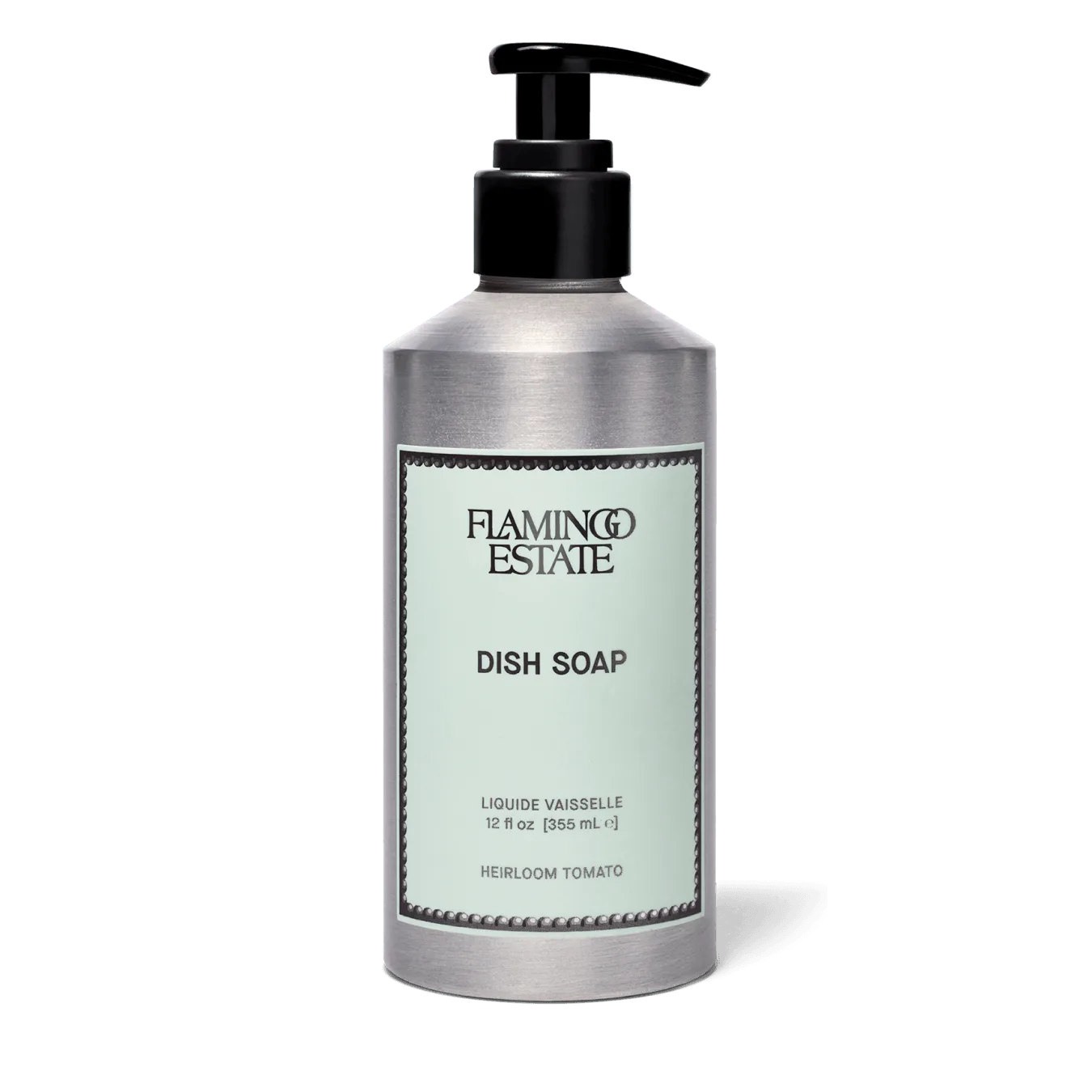
Heirloom Tomato Dish Soap
You might think dish soap is only for the sink, but a good natural cleaner can do so much more. Heirloom Tomato Dish Soap brings a fresh, garden-inspired scent to your whole kitchen, not just your dishes. Whether you're tackling a greasy stovetop or washing berries, this versatile soap earns its spot on your counter.
In this guide, you'll learn five practical ways to use Heirloom Tomato Dish Soap beyond washing dishes—each with a simple step and a common mistake to avoid. You'll also see how it compares to other Flamingo Estate favorites for your home.
Why Heirloom Tomato Dish Soap Is a Smart Natural Cleaner
Many conventional dish soaps contain harsh detergents that can leave residues on surfaces you eat from. Heirloom Tomato Dish Soap is formulated with plant-based ingredients that cut grease without the chemical aftertaste. Its fresh tomato leaf scent is a natural fit for kitchens, making it a pleasant alternative to lemon or unscented options.
Because it's gentle enough for your hands, it's also safe for food-contact surfaces when rinsed properly. That versatility means you can replace several single-purpose cleaners with one bottle—saving money and reducing clutter under your sink.
- Always dilute dish soap with water for general cleaning—it's more economical and easier to rinse off.
- Keep a separate spray bottle for produce cleaning to avoid cross-contamination.
How to Clean Produce with Dish Soap
Yes, you can use a mild dish soap to wash fruits and vegetables—especially those with tougher skins like tomatoes, apples, or cucumbers. The key is to use a tiny amount and rinse thoroughly. Fill a bowl with cool water, add a drop of Heirloom Tomato Dish Soap, and swish your produce for about 30 seconds.
This method helps remove dirt, wax, and surface residues that plain water might miss. It's particularly useful for farmers' market finds that come straight from the soil. After rinsing, pat dry with a clean towel or let them air-dry on a rack.
Common mistake: using too much soap. A single drop is enough—more soap means more residue to rinse, and you don't want a soapy taste on your salad.
- For leafy greens, swish gently to avoid bruising.
- Don't soak berries for more than a minute—they can absorb water and become mushy.
Refreshing Your Kitchen Sponge and Dish Brush
Sponges harbor bacteria and odors, even when they look clean. A quick wash with Heirloom Tomato Dish Soap can help. Squeeze out excess water, apply a few drops of soap, and work it into a lather. Rinse thoroughly and let it air-dry in a well-ventilated spot.
The soap's fresh tomato leaf scent helps neutralize odors, leaving your sponge smelling garden-fresh rather than sour. For a deeper clean, you can soak the sponge in a diluted soap solution for 10 minutes before rinsing.
Common mistake: skipping the drying step. A damp sponge is a breeding ground for bacteria, so always wring it out and store it upright.
- Replace sponges every two to three weeks, even with regular cleaning.
- Use the same method for silicone scrubbers and dish brushes.
Wiping Down Kitchen Counters and Stovetops
Your counters and stovetop see daily spills, grease splatters, and sticky fingerprints. A diluted solution of Heirloom Tomato Dish Soap can handle these without leaving streaks or harmful residues. Mix a few drops in a spray bottle filled with water, spray onto the surface, and wipe with a microfiber cloth.
This is especially effective on tile, quartz, and stainless steel. The soap cuts through grease while the scent leaves your kitchen smelling like a summer garden. For tough, baked-on splatters on the stovetop, apply a few drops directly and let it sit for a minute before scrubbing.
Common mistake: using too much soap on porous surfaces like unsealed stone. Always test in an inconspicuous spot first.
- Avoid using on unsealed wood—soap can strip the finish.
- Rinse with a damp cloth to remove any soapy residue.
Shining Stainless Steel Sinks and Fixtures
Stainless steel sinks can look dull and streaky, but a little dish soap can bring back the shine. Apply a few drops of Heirloom Tomato Dish Soap to a damp cloth, wipe the sink in the direction of the grain, then rinse with warm water and dry with a soft towel.
This method removes grease and water spots while leaving a protective, streak-free finish. It's also safe for faucets and other stainless fixtures. The soap's mild formula won't scratch or dull the metal like abrasive cleaners can.
Common mistake: letting the soap dry on the surface. Rinse and dry immediately to avoid water spots and soap film.
- Use a soft cloth—avoid steel wool or abrasive pads.
- For extra shine, buff with a dry microfiber cloth after drying.
5 Steps to Get More from Your Dish Soap
- Dilute for a multi-purpose cleaner: Mix 2–3 drops of Heirloom Tomato Dish Soap with water in a spray bottle. Use it on counters, stovetops, and even windowsills. This creates a gentle, food-safe cleaner that's always ready. Checkpoint: Label your spray bottle to avoid confusion with other cleaners.
- Wash produce in a soapy bath: Fill a bowl with cool water, add one drop of soap, and soak firm-skinned fruits and vegetables for 30 seconds. Swish gently, then rinse thoroughly under running water. Checkpoint: Rinse each piece individually to ensure no soap residue remains.
- Deodorize your sponge: Apply a few drops of soap directly to a damp sponge, work into a lather, and rinse. Squeeze out excess water and let it air-dry upright. Checkpoint: Replace your sponge every two weeks to prevent bacterial buildup.
- Shine stainless steel: Wipe sinks and fixtures with a soapy cloth, following the grain of the metal. Rinse with warm water and dry immediately with a soft towel. Checkpoint: Avoid letting soap dry on the surface to prevent streaks.
- Spot-clean stovetop splatters: Apply a drop of dish soap directly to stubborn grease spots, let it sit for a minute, then scrub with a non-abrasive sponge. Wipe away with a damp cloth. Checkpoint: Test on a small area first if your stovetop has a special coating.
Related Flamingo Estate Products to Pair
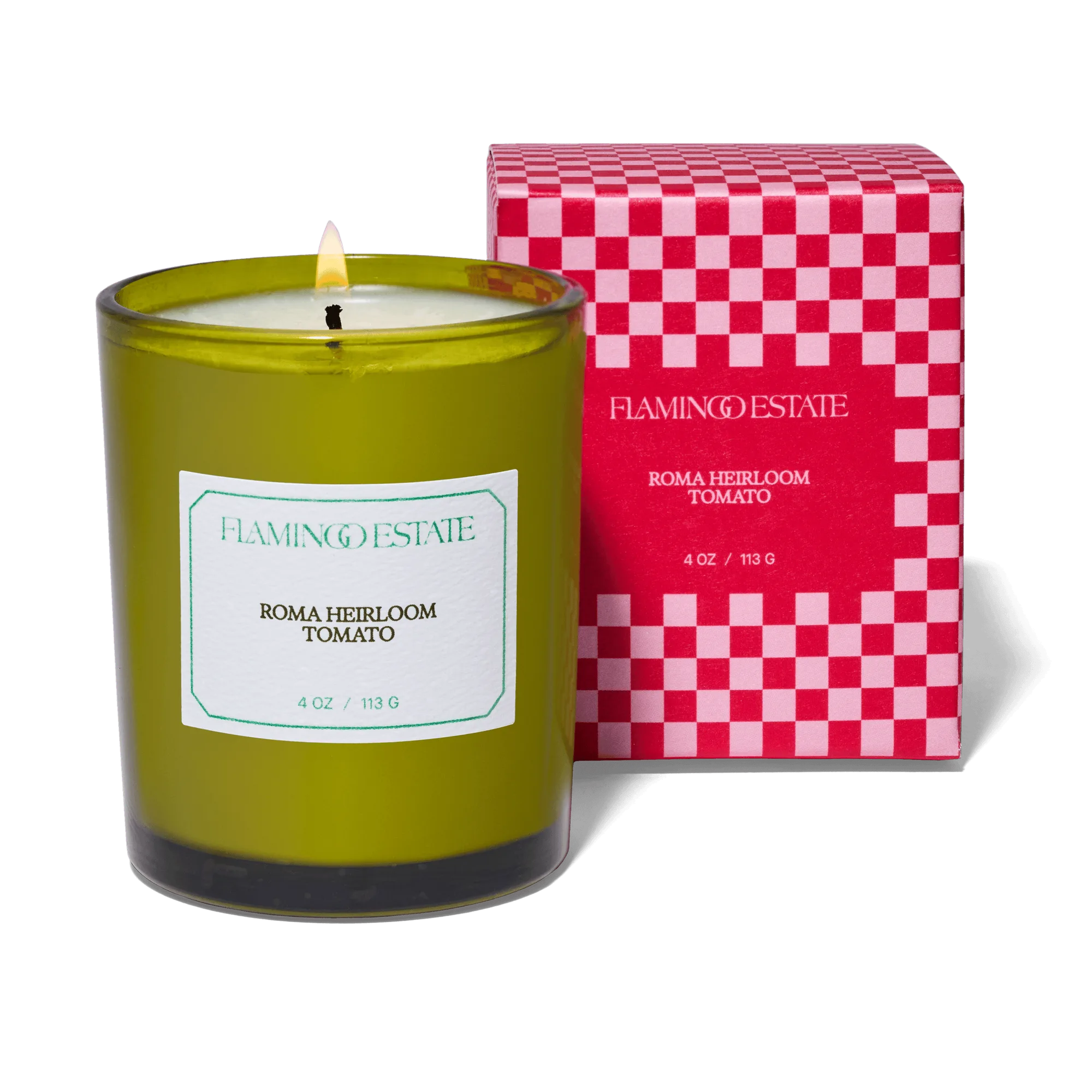
- Roma Heirloom Tomato Candle 4oz: Our most beloved scent, the Heirloom Tomato Candle, captures the supple, green essence of balmy Summer nights in the garden. Think ripe Tomatoes hanging heavy from freshly watered vines, when their leaves are the most fragrant. Light this candle after cleaning to extend the fresh tomato leaf aroma throughout your kitchen, creating a cohesive sensory experience.
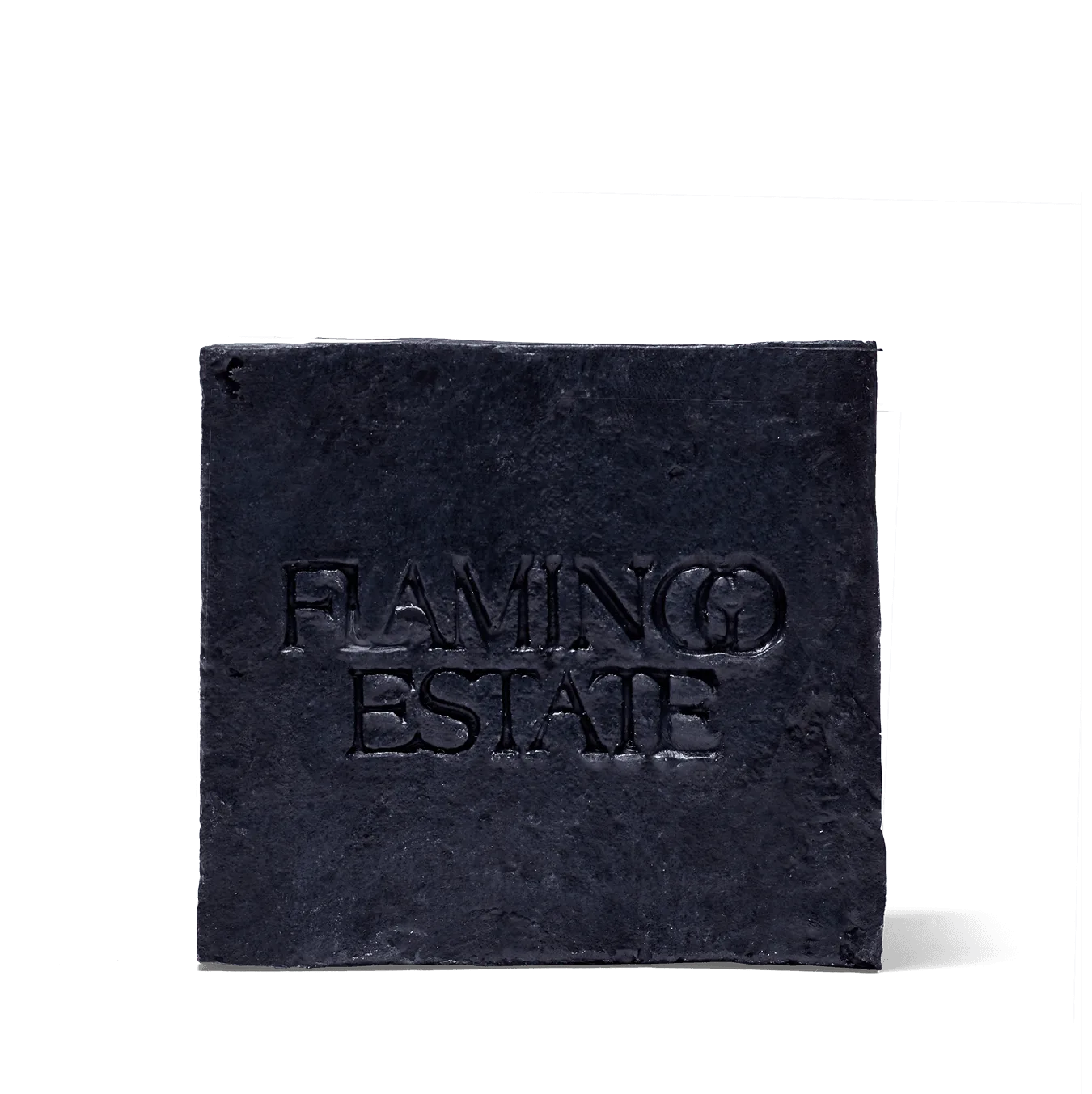
- Lavender Activated Charcoal Soap Brick: This Bar Soap purifies the skin with Sage and activated Charcoal; then, regenerative California Lavender warms and soothes you into reverie. Pair with your dish soap routine to keep your hands soft and clean—the charcoal helps remove lingering odors, while lavender calms your senses.
Heirloom Tomato Dish Soap is more than a dish cleaner—it's a versatile natural solution for your whole kitchen. From produce to stainless steel, these five uses help you get the most out of every drop. Pair it with a Flamingo Estate candle or soap brick to complete the experience, and enjoy a fresher, cleaner home.