Quick answer
To use hibiscus flower in tea blends, start with a 1:3 ratio of hibiscus to milder herbs, adjust to your preferred tartness, and brew at 200°F for 5–7 minutes. Use cut and sifted hibiscus for even flavor and easy straining, and balance its tartness with sweet or creamy ingredients.
Why Hibiscus Works in Tea Blends
Hibiscus sabdariffa brings a deep burgundy color and a tart, floral flavor that can brighten almost any herbal blend. Because it is naturally caffeine-free, it works well for evening cups or cold brews. The cut and sifted form steeps quickly and releases color evenly, making it a reliable base for both hot and iced tea.
When blending, think of hibiscus as the sour note that balances sweet or fruity ingredients. It pairs well with citrus peel, berries, and mild florals like rose or chamomile. A little goes a long way, so start with a smaller ratio and adjust to taste.
How to Choose Hibiscus for Blending
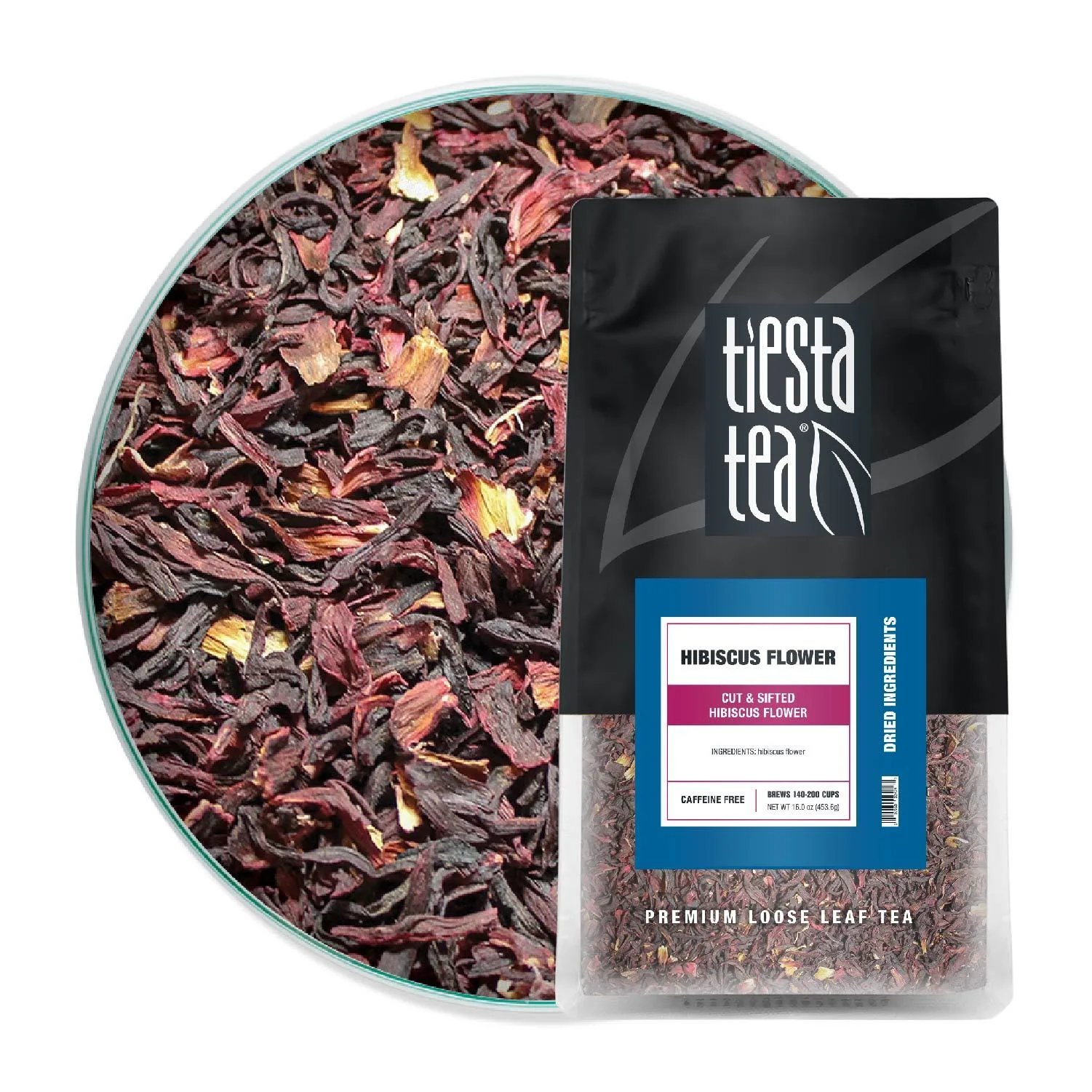
For tea blends, look for cut and sifted hibiscus rather than whole flowers or powder. The cut pieces release flavor steadily and are easier to measure and strain. Whole flowers are prettier but can be bulky; powder can turn a cup cloudy and bitter if steeped too long.
Check the color and aroma. Deep burgundy petals with a tangy, floral scent indicate good quality. Avoid pieces that look faded or have a musty smell, as they may be old or poorly stored.
How to Balance Hibiscus Flavor
Hibiscus is naturally tart and can overwhelm a blend if used too generously. Start with a small proportion—about 10 to 20 percent of the total blend by volume—and adjust to taste. Pair it with sweeter or creamier ingredients like rooibos, chamomile, or citrus peel to round out the tang.
Because hibiscus is high in acidity, it can make a blend taste sharp if overdone. If you want a balanced cup, combine it with naturally sweet herbs such as licorice root or stevia, or add a splash of honey after brewing. Cold brewing also softens the tartness and brings out floral notes.
How to Blend Hibiscus: Step-by-Step
- Choose your base: Start with a neutral herbal base like rooibos or honeybush to let hibiscus shine, or use green tea for a caffeinated twist. Cut and sifted hibiscus blends easily and steeps evenly. Checkpoint: Pick a base that complements tartness—sweet rooibos or grassy green tea both work.
- Measure the ratio: Start with 1 part hibiscus to 3 parts base tea. Adjust to taste: more hibiscus for tartness, less for a milder cup. For a 12 oz serving, use about 1 teaspoon of the blend. Taste as you go; the tartness can overpower milder leaves.
- Balance with sweetness or creaminess: Hibiscus is tart, so pair it with naturally sweet or creamy ingredients like dried apple, orange peel, or a touch of stevia. Avoid overly bitter herbs that clash. A small sweet addition can round out the cup without masking the floral notes.
- Brew with the right temperature and time: Use water at 200–212°F (93–100°C) and steep 5–7 minutes. Longer steeping increases tartness, not bitterness, so adjust to taste. Checkpoint: Taste at 5 minutes, then decide if you want more tartness.
- Store and measure properly: Keep cut and sifted hibiscus in an airtight container away from light and moisture. Use about 1 tablespoon per 8 ounces of water, then adjust to your preferred tartness. Proper storage preserves color and flavor for months.
Hibiscus Flower (Cut & Sifted) at a Glance
- Hibiscus Flower (Cut & Sifted): Cut & Sifted Raw Organic Hibiscus is a deep burgundy flower with a tart, floral flavor. It is rich in vitamins, amino acids, and antioxidants, and its anti-inflammatory properties are a noted benefit. The cut and sifted form steeps quickly and evenly, so you can rely on consistent color and tartness in every batch—no need to crush or measure whole petals.