Quick Answer
To use a horse massage pad, start with a clean, dry horse, position the pad over the back and secure it, then run a session of 15–30 minutes. Always monitor your horse's reaction and adjust placement as needed.
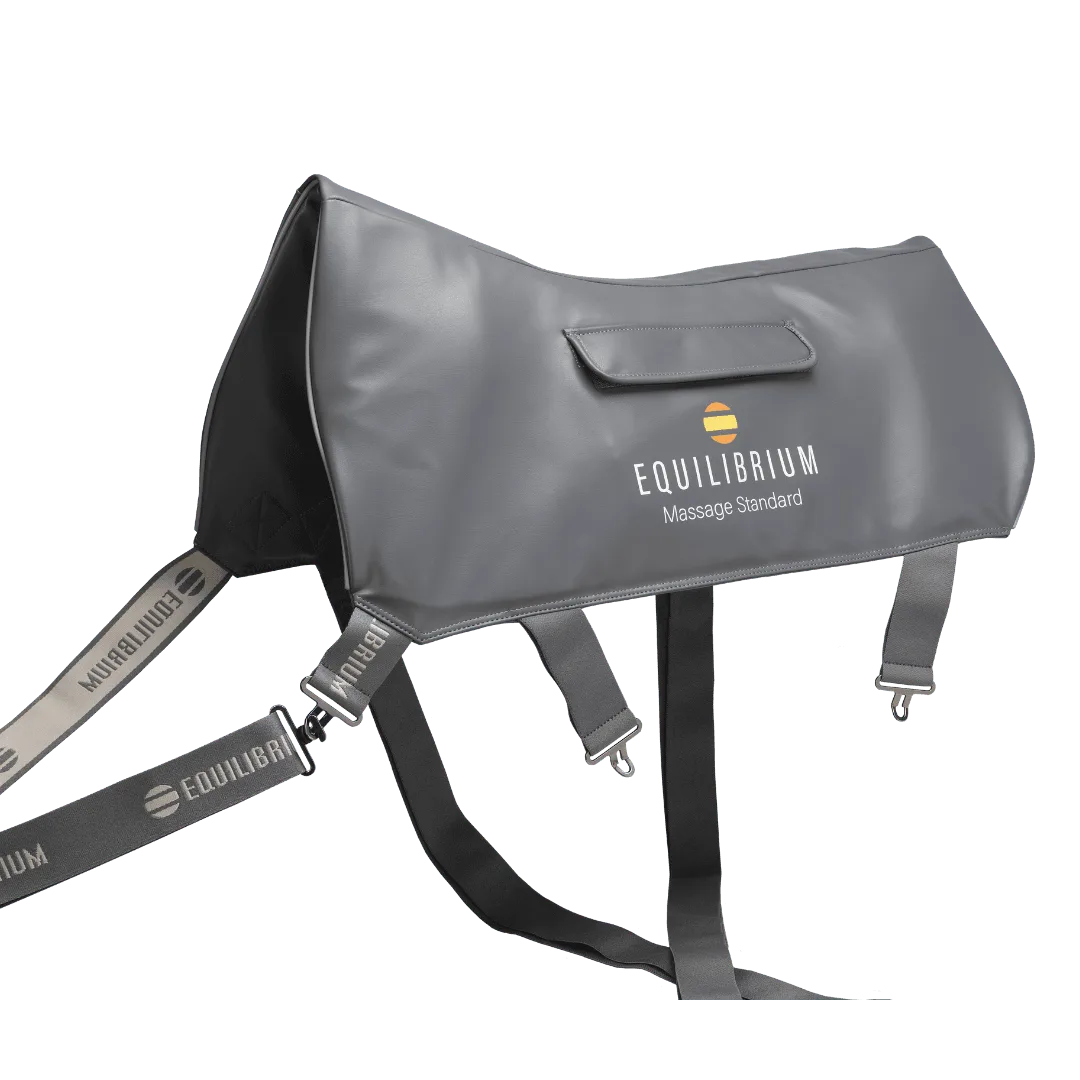
massage pad
A horse massage pad can be a convenient way to support your horse's recovery and relaxation without booking a therapist for every session. But if you're new to using one, it's natural to have questions about placement, session length, and safety.
This guide walks through the basics of using a massage pad on your horse, with practical steps and common pitfalls to avoid. Whether you're targeting a specific muscle area or just want to help your horse unwind after work, a little preparation goes a long way.
Before You Start: Prepare Your Horse and Equipment
Begin with a clean, dry horse. Dirt and moisture can reduce the effectiveness of the massage and make the pad less comfortable. Groom your horse thoroughly, especially along the back and sides where the pad will sit.
Check the massage pad for any signs of wear or damage before each use. Look for frayed wires, loose connections, or damaged fabric. If you notice any issues, stop using the pad and contact the manufacturer or a repair service. A damaged pad can be unsafe and less effective.
- Always read the manufacturer's instructions for your specific model, as settings and placement may vary.
- Have a helper available the first few times to monitor your horse's reaction.
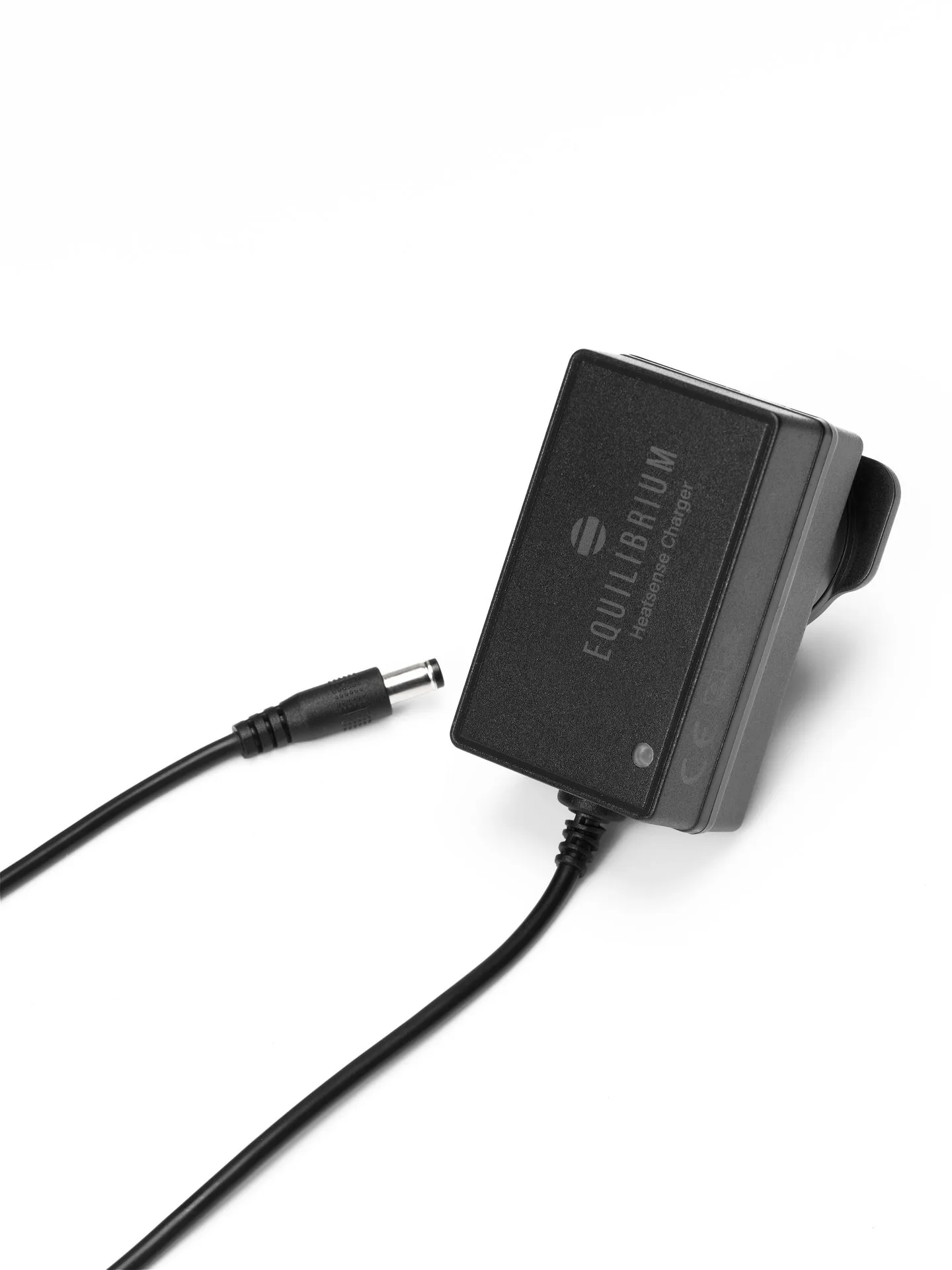
- Make sure the battery is fully charged before starting a session.
Positioning the Pad Correctly
Place the pad over your horse's back, centered along the spine, with the massage elements facing down. Most pads are designed to cover the major muscle groups of the back and loin. Ensure the pad lies flat and doesn't bunch up.
Secure the pad according to the manufacturer's guidelines, usually with straps around the girth or surcingle area. The pad should be snug but not tight—you should be able to slide a hand between the pad and your horse's body. A loose pad can shift, while a too-tight fit can restrict movement and cause discomfort.
- Double-check that the pad is not covering the withers too closely, as this area can be sensitive.
- If your horse has a specific sore spot, note it and consider adjusting the pad's position to target that area, if the pad allows.
Starting the Session and Monitoring Your Horse
Turn on the pad and start with the lowest intensity setting. Watch your horse's body language: a relaxed ear, lowered head, and soft eyes are good signs. If your horse tenses, steps away, or shows signs of discomfort, stop the session and check the placement and settings.
For a first session, keep it short—around 10–15 minutes. You can gradually increase to 20–30 minutes as your horse becomes accustomed. Always end the session before your horse gets restless. It's better to leave them wanting more than to push too long.
- Never leave your horse unattended while using a massage pad.
- Avoid using the pad on areas with open wounds, swelling, or acute inflammation unless directed by a veterinarian.
After the Session: Post-Massage Care
After turning off the pad, remove it gently and give your horse a few minutes to relax. Offer water and let them stretch. Some horses may want to roll; this is normal and can help them integrate the work.
Clean the pad according to the manufacturer's instructions. Most pads have a removable cover that can be wiped down or machine washed. Store the pad in a dry place, away from direct sunlight, to prolong its life.
- Keep a record of session duration and your horse's reactions to track progress.
- If you notice any unusual sensitivity or lameness after massage, consult your veterinarian.
Step-by-Step: Using Your Horse Massage Pad
- Groom and prepare your horse: Thoroughly groom your horse to remove dirt and loose hair, ensuring the pad sits cleanly on the coat. A clean coat helps the massage vibrations transmit effectively.
- Position the pad over the back: Center the pad along the spine, with the massage elements facing down, and secure it snugly but not tight. Check that you can slide a hand between the pad and your horse's body.
- Start with low intensity: Turn on the pad and begin at the lowest setting. Watch your horse's reaction for signs of relaxation or discomfort. If your horse is tense, stop and adjust placement or settings.
- Run a 10–15 minute session: For the first few uses, keep sessions short. Gradually increase to 20–30 minutes as your horse adapts. End the session before your horse becomes restless.
- Remove and clean the pad: After the session, remove the pad and clean it according to the manufacturer's instructions. Store it dry. Regular cleaning extends the life of your pad and keeps it hygienic.
Massage Pads from Equilibrium Products
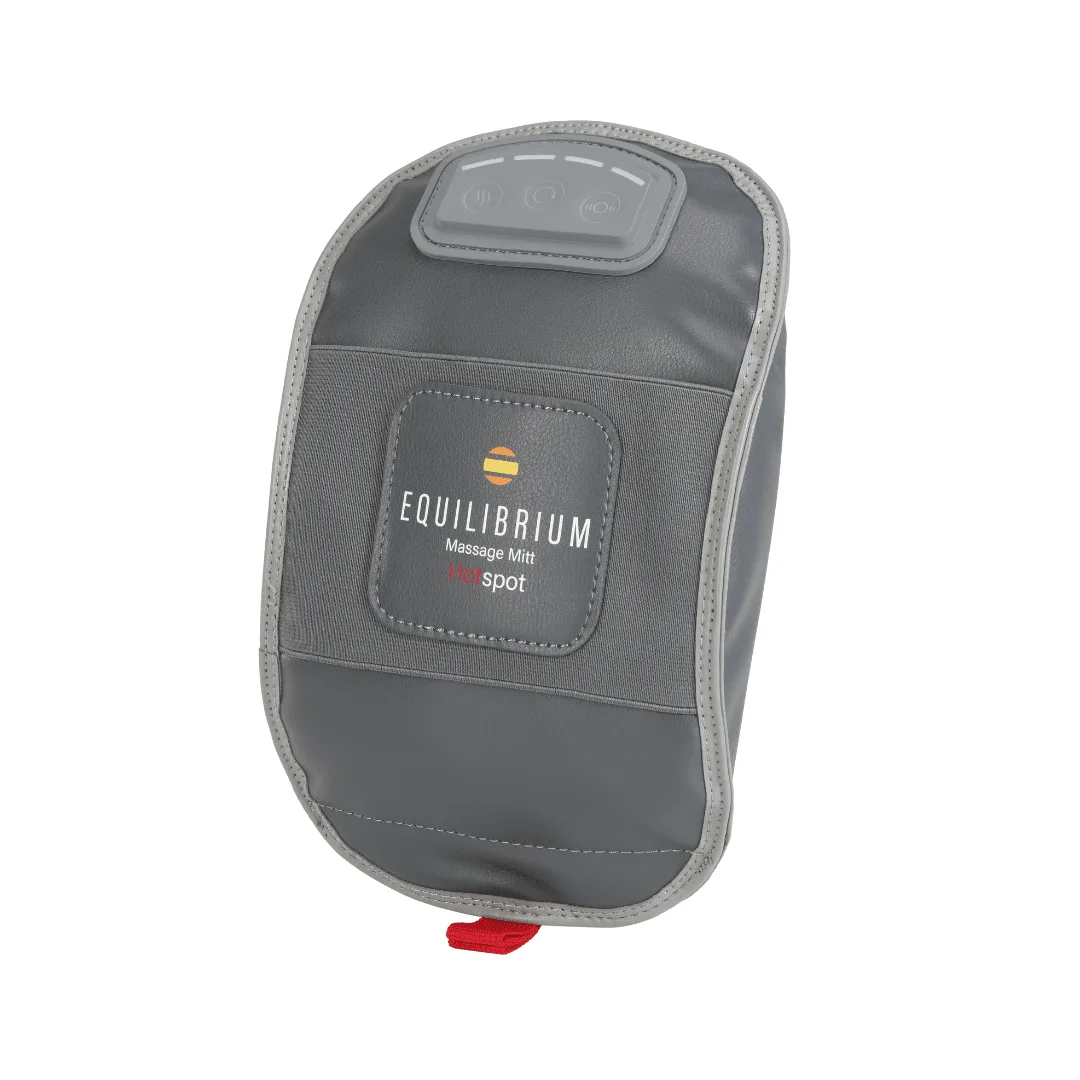
- Massage Pad Heatsense: The Equilibrium Massage Pad was independently tested by Myerscough College and the findings showed increased flexibility of approximately 46% and increased stride length by 12cms in treated horses. If you're considering a massage pad, these independent test results can give you confidence in the potential benefits for your horse's mobility and performance.
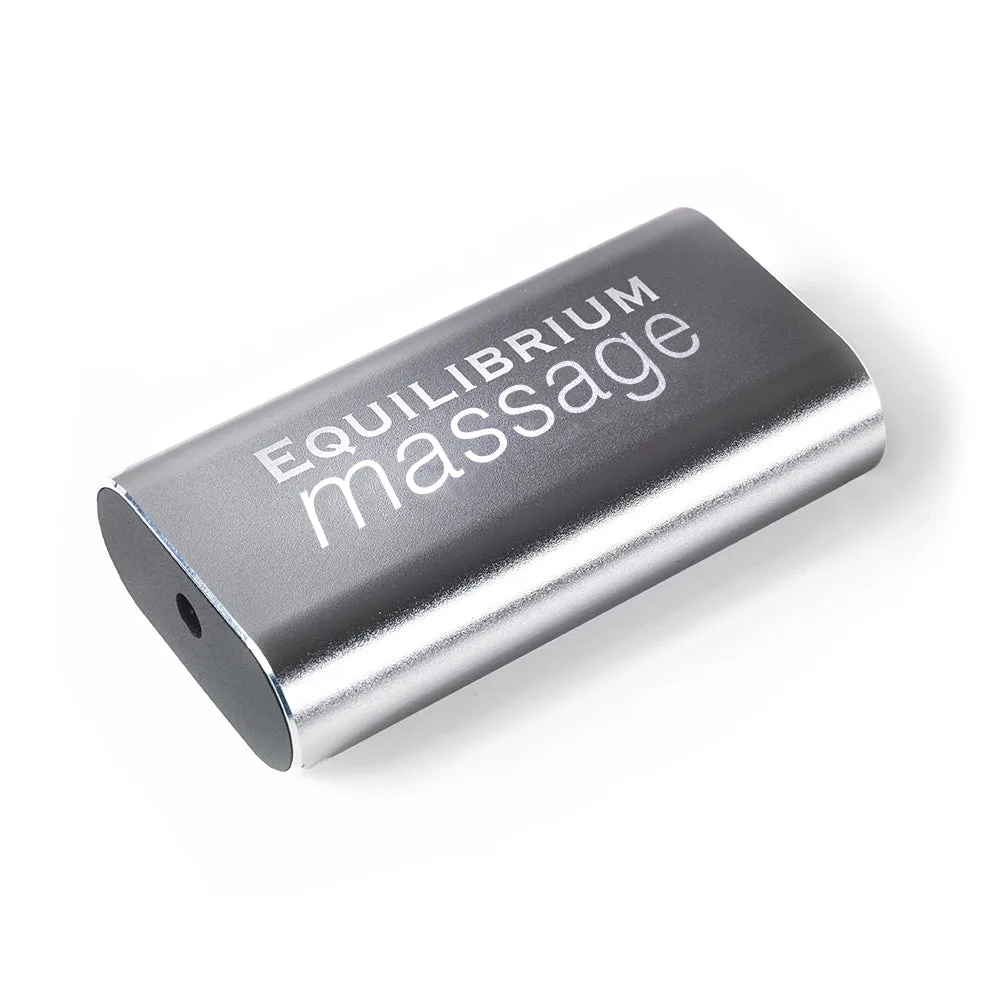
- Massage Battery: The Equilibrium Battery is a high performance battery designed so you can use it more and charge less, and it comes with a 2-year guarantee. A reliable battery means you won't have to interrupt sessions to recharge, making your massage pad more convenient for regular use.
Using a horse massage pad is a straightforward way to support your horse's recovery and relaxation. By following these steps and paying attention to your horse's responses, you can make each session comfortable and effective. Always prioritize safety and consult a professional if you have any concerns.