Quick answer
Use hot breast packs before feeding or pumping to encourage milk flow, and cold packs after to reduce swelling and pain. Always wrap the pack in a thin cloth and limit sessions to 15–20 minutes.
Why temperature matters: hot vs. cold
Heat helps dilate milk ducts and can ease the discomfort of a slow let-down or a clogged duct. Cold, on the other hand, constricts blood vessels and reduces inflammation, making it ideal for engorgement or after a feeding session.
The key is timing: heat before nursing or pumping, cold after. Using heat when you are already engorged can increase swelling, and using cold before a feed can make milk flow harder.
Safety first: avoid burns and skin irritation
Even when a pack is microwaved or chilled, extreme temperatures can damage sensitive breast tissue. Always test the pack on the inside of your wrist before applying, and never place it directly on the skin.
If you have open cracks, mastitis, or a fever, skip self-treatment and consult a lactation consultant or healthcare provider. Cold therapy is not recommended immediately after a cesarean birth due to potential sensitivity.
Step-by-step: Using hot and cold breast packs
- Warm the pack for pre-feed relief: Heat the pack according to the manufacturer's instructions (typically in the microwave for short intervals). Test the temperature on your wrist—it should feel warm, not hot. Wrap it in a thin cloth and place it on your breast for 10–15 minutes before nursing or pumping. Never heat for longer than directed; overheating can cause burns.
- Apply cold after feeding or pumping: Chill the pack in the refrigerator (not the freezer unless the instructions allow). After a feeding session, wrap the cold pack in a cloth and apply it to the breast for 10–20 minutes to reduce swelling and soothe soreness. Limit cold sessions to 20 minutes to avoid tissue stiffness.
- Position and secure the pack: Place the pack over the breast so it covers the area of discomfort. If you are using it with a Willow Pump system, follow the compatibility guidance to ensure a secure fit. Avoid pressure on the nipple or areola to prevent irritation. If the pack slips or feels uncomfortable, reposition rather than pressing harder.
- Clean and store the pack properly: After each use, wipe the pack with a damp cloth and mild soap, then air dry. Store it in a cool, dry place away from direct sunlight. Check for cracks or leaks before every use and replace if damaged. A damaged pack can leak gel or fail to hold temperature—replace it immediately.
Product spotlight
-
Hot & Cold Breast Therapy Packs: The Hot & Cold Breast Therapy Packs from Willow Pump provide both hot and cold therapy options to help address common breastfeeding discomforts. Having one pack that works for both heat and cold means you can switch between pre-feed warmth and post-feed cooling without buying separate products.
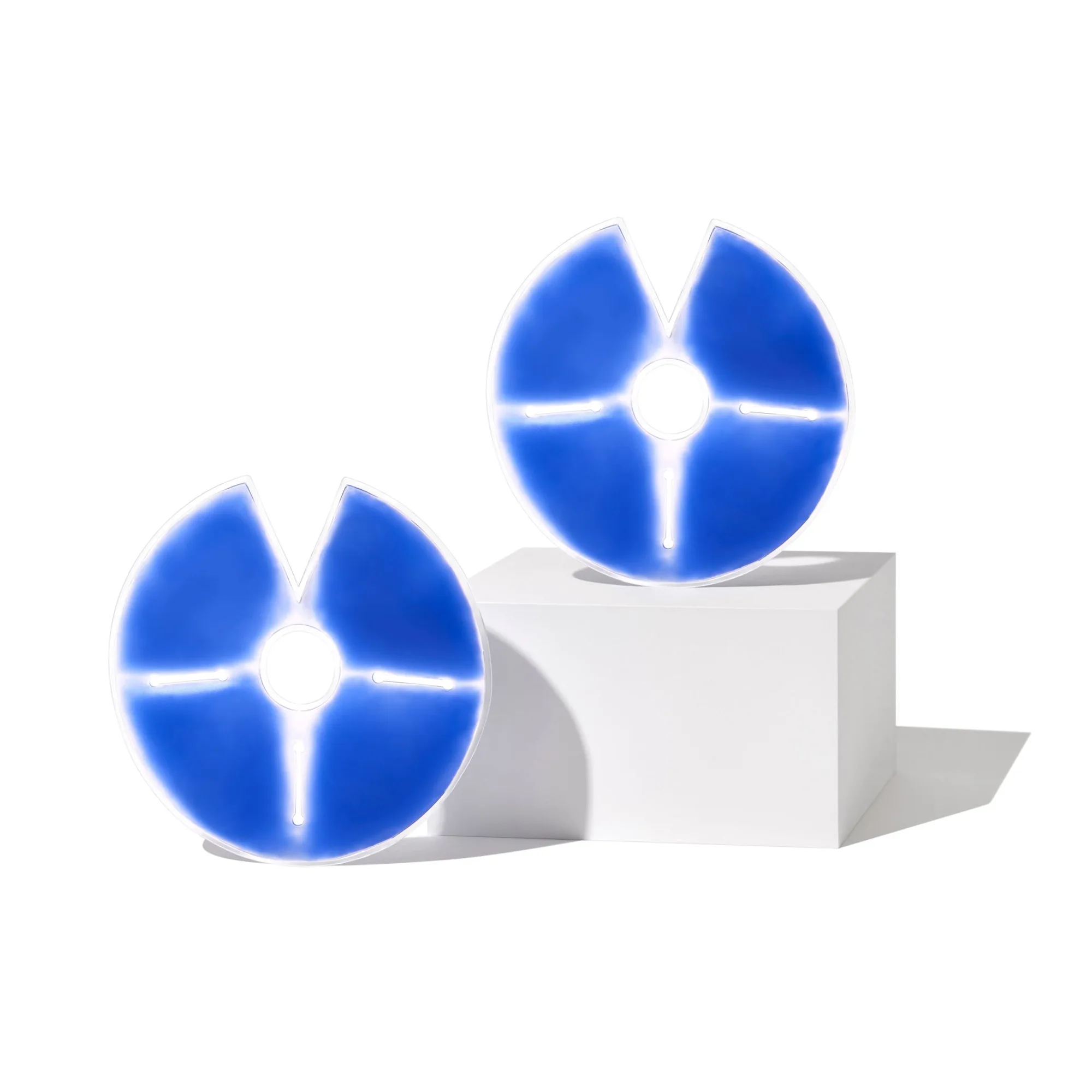
Hot & Cold Breast Therapy Packs