Quick Answer
To get perfect stir-fry with a hybrid wok, preheat it properly, control heat in stages, and use the right oil and ingredients. Master the toss and flip to achieve wok hei at home, even on standard stoves.
Stir-frying is all about high heat, quick cooking, and constant motion. A hybrid wok combines the best of stainless steel, nonstick, and cast iron, giving you even heating and easy release. But even the best wok needs proper technique.
In this guide, you'll learn how to use a hybrid wok for stir-fry, including heat levels, oil selection, ingredient prep, and the elusive wok hei. Whether you're a beginner or a home cook aiming for restaurant quality, these steps will elevate your stir-fry game.
Understanding Your Hybrid Wok
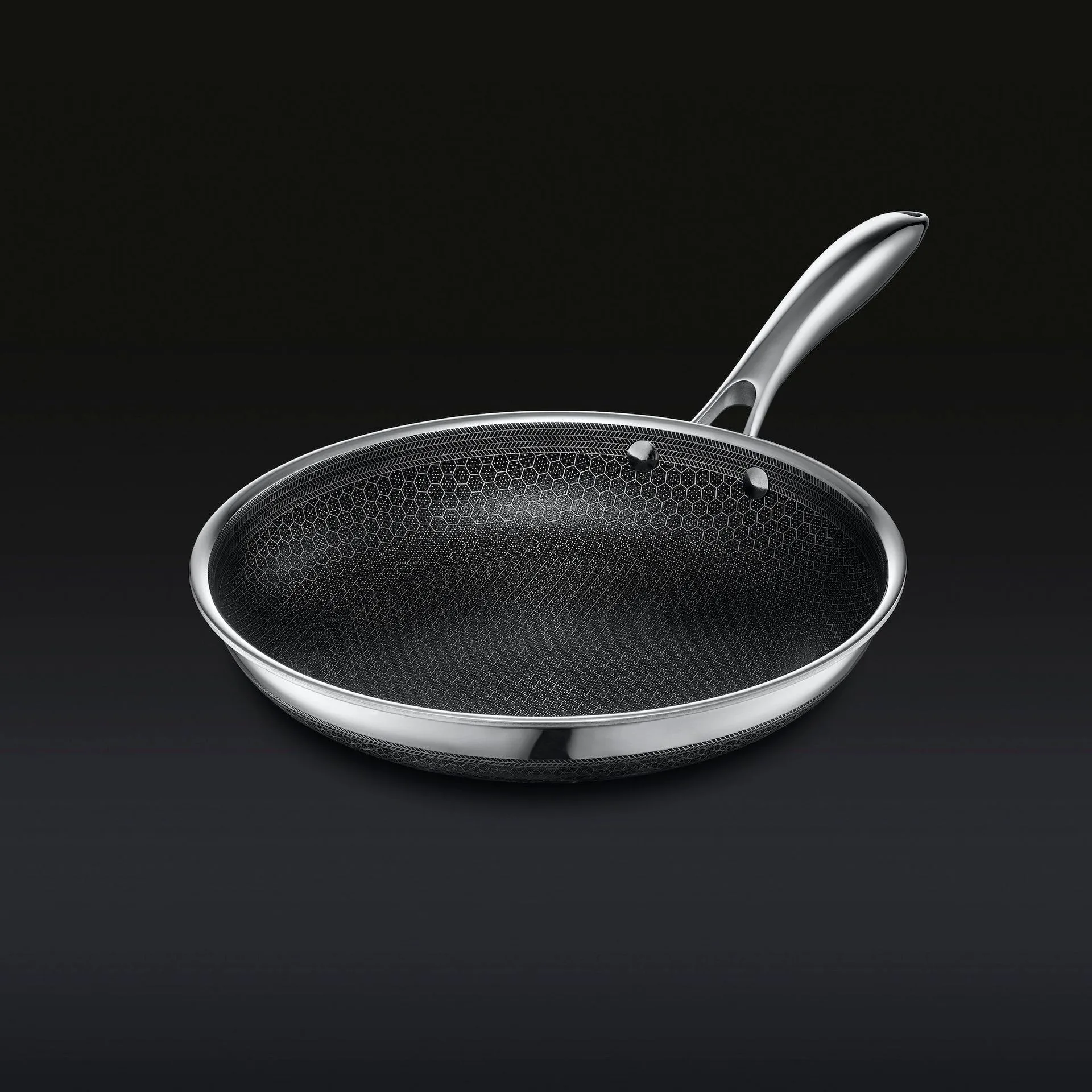
A hybrid wok like the HexClad 12" Hybrid Wok with Lid is designed with a tri-ply construction that includes stainless steel layers and a nonstick surface. This allows for high-heat searing without sticking, making it ideal for stir-fry. The wok's shape—deep and wide—promotes even heat distribution and ample space for tossing ingredients.
Unlike traditional carbon steel woks that require seasoning, hybrid woks are low-maintenance and dishwasher-safe. They heat up quickly and respond well to temperature changes, which is crucial for stir-frying. Understanding your wok's capabilities helps you adjust your technique for best results.
- Check your stovetop: Gas burners provide the best heat control, but induction and electric work fine with hybrid woks.
- Use medium-high to high heat for most stir-fry steps; reserve high heat for searing and charring.
Prepping Ingredients for Stir-Fry
Stir-frying is fast, so preparation is key. Cut all ingredients into uniform, bite-sized pieces to ensure even cooking. Separate ingredients by cooking time: quick-cooking items like leafy greens and thinly sliced meat go in later, while denser vegetables like carrots and broccoli need more time.
Marinate proteins for at least 15 minutes to enhance flavor and tenderness. Pat ingredients dry before adding to the wok to avoid steaming instead of searing. Have all sauces and seasonings measured and within reach.
- Use a high smoke point oil like peanut, avocado, or grapeseed oil for stir-frying.
- Avoid overcrowding the wok; cook in batches if needed to maintain high heat.
Mastering Heat Levels
Heat management is the soul of stir-fry. Start by preheating the wok over high heat until it's smoking slightly. Add oil and swirl to coat. For most stir-fry steps, maintain high heat, but lower it slightly when adding sauces to prevent burning.
Different stages require different heat: searing meat needs high heat, cooking vegetables can use medium-high, and finishing sauces benefit from medium. Practice adjusting the heat quickly to avoid overcooking or scorching.
- If the wok starts to smoke excessively, reduce heat immediately.
- Use a thermometer to check oil temperature: around 350°F (175°C) is ideal for most stir-fry.
Achieving Wok Hei at Home
Wok hei, the smoky flavor from high-heat cooking, is the hallmark of great stir-fry. At home, you can approximate it by using a very hot wok and a small amount of oil. The key is to let ingredients char slightly without burning.
A hybrid wok's nonstick surface allows you to use less oil, but you still need enough to promote browning. Toss ingredients frequently to expose them to the hottest parts of the wok. If you have a gas stove, you can tilt the wok to create a flame effect, but be cautious with induction or electric.
- Add a splash of wine or broth at the end to deglaze and capture flavorful bits.
- Don't be afraid of slight charring—it adds complexity.
Step-by-Step Guide to Perfect Stir-Fry
- Preheat the Wok: Place the wok over high heat for 1-2 minutes until it's hot but not smoking. Add oil and swirl to coat the surface evenly. Checkpoint: The oil should shimmer, not smoke excessively.
- Sear Proteins: Add protein in a single layer and let it sear without moving for 30-60 seconds. Then stir-fry until browned but not fully cooked. Remove and set aside. Mistake: Overcrowding the pan lowers heat and steams the meat.
- Cook Aromatics: Add garlic, ginger, or onions and stir-fry for 15-30 seconds until fragrant. Keep them moving to prevent burning. Checkpoint: Aromatics should be golden, not black.
- Add Vegetables: Add harder vegetables first, then softer ones. Stir-fry for 2-3 minutes, keeping them crisp-tender. Mistake: Overcooking vegetables makes them mushy; aim for vibrant color.
- Combine and Sauce: Return the protein to the wok, add sauce, and toss to coat. Let the sauce bubble and thicken slightly. Checkpoint: Sauce should cling to ingredients, not pool at the bottom.
- Finish and Serve: Add any final ingredients like sesame oil or nuts, give a final toss, and serve immediately. Mistake: Leaving stir-fry in the wok continues cooking; serve right away.
Product Facts
- 12" Hybrid Wok with Lid: The HexClad Wok is 12” across and 3” deep, so it’s perfect for high-volume cooking. Prepare a whole meal in one pan: stir-fries, pasta dishes, soups, and more. The generous size and depth allow you to cook large batches without overcrowding, which is essential for achieving proper sear and wok hei.
- Hybrid Deep Sauté Pan with Lid, 3.3-Qt: It has remarkably high, straight sides, which reduce spatter yet are low enough to help you get a great sear on proteins before stewing or braising them. While not a wok, this pan offers similar versatility for one-pot meals, making it a great companion for stir-fry dishes that need a lid.
With the right techniques and a hybrid wok, you can achieve delicious stir-fry at home. Practice heat control, prep efficiently, and don't forget to have fun tossing. Your wok will become your go-to for quick, flavorful meals.