In any commercial kitchen, food rotation is not just a best practice—it's a necessity. Proper rotation ensures that older products are used first, reducing waste, maintaining freshness, and preventing foodborne illness. One of the most effective tools for achieving this is the humble ID label. These labels allow you to mark containers with dates, contents, and even employee initials, creating a clear system that everyone can follow.
This guide will walk you through the steps of using ID labels effectively, from choosing the right labels to implementing a rotation schedule that keeps your kitchen running smoothly. Whether you're managing a restaurant, catering business, or institutional kitchen, these strategies will help you maintain high standards of food safety and efficiency.
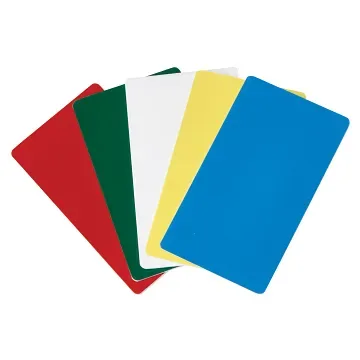
ID labels
Why Food Rotation Matters
Food rotation is the practice of using older stock before newer stock, typically following the 'First In, First Out' (FIFO) principle. This approach minimizes spoilage and ensures that ingredients are at their peak quality when used. Without a reliable rotation system, you risk serving stale or expired products, which can harm your reputation and lead to costly waste.
Moreover, food safety regulations often require clear labeling of stored items. Health inspectors look for proper date marking and labeling as part of their evaluation. Using ID labels demonstrates your commitment to compliance and helps you pass inspections with confidence.
- FIFO reduces waste and saves money.
- Proper labeling meets health code requirements.
- Clear labels prevent mix-ups and allergic reactions.
Choosing the Right ID Labels
Not all labels are created equal. For food rotation, you need labels that are durable, easy to write on, and resistant to moisture and temperature changes. Cambro's ID Labels are designed specifically for this purpose. They adhere well to various surfaces, including plastic containers, and can be removed cleanly without leaving residue.
When selecting labels, consider the size and format. You'll want labels that have enough space to write the date, product name, and initials of the person who prepared the item. Some labels come in rolls with a dispenser, making them convenient for high-volume kitchens. Cambro's ID Labels are available in a variety of sizes and colors, allowing you to color-code different food categories for even faster identification.
- Choose labels that are waterproof and oil-resistant.
- Opt for labels that peel off easily to avoid residue.
- Consider color-coding for different days or food types.
Implementing a Labeling System
Start by designating a labeling station near your prep area. Keep a dispenser of ID labels, a permanent marker, and a chart that shows the expected shelf life of common items. Train your staff on the importance of labeling every container immediately after preparation or storage.
Create a simple format: write the product name, the date it was prepared or opened, and the 'use by' date. For example, 'Salsa, 8/5, Use by 8/12.' This clarity helps everyone understand the timeline at a glance. Additionally, you can use different colored labels for each day of the week to make rotation even easier—just follow the color sequence.
- Label containers as soon as they are filled.
- Use a consistent format for all labels.
- Train staff to check labels before grabbing ingredients.
Integrating Rotation with Storage Solutions
An effective rotation system goes hand in hand with organized storage. When you store food in clear, stackable containers, you can easily see what's inside and read the labels without removing them. Cambro offers a range of storage solutions, such as Food Storage Lids and Camwear® containers, that pair perfectly with ID labels.
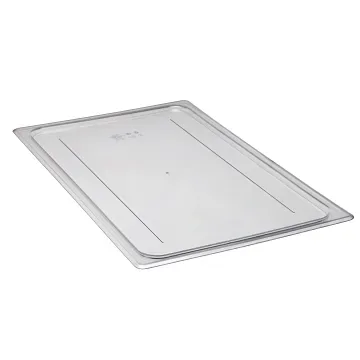
Food Storage Lids
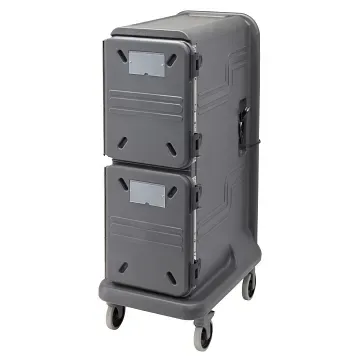
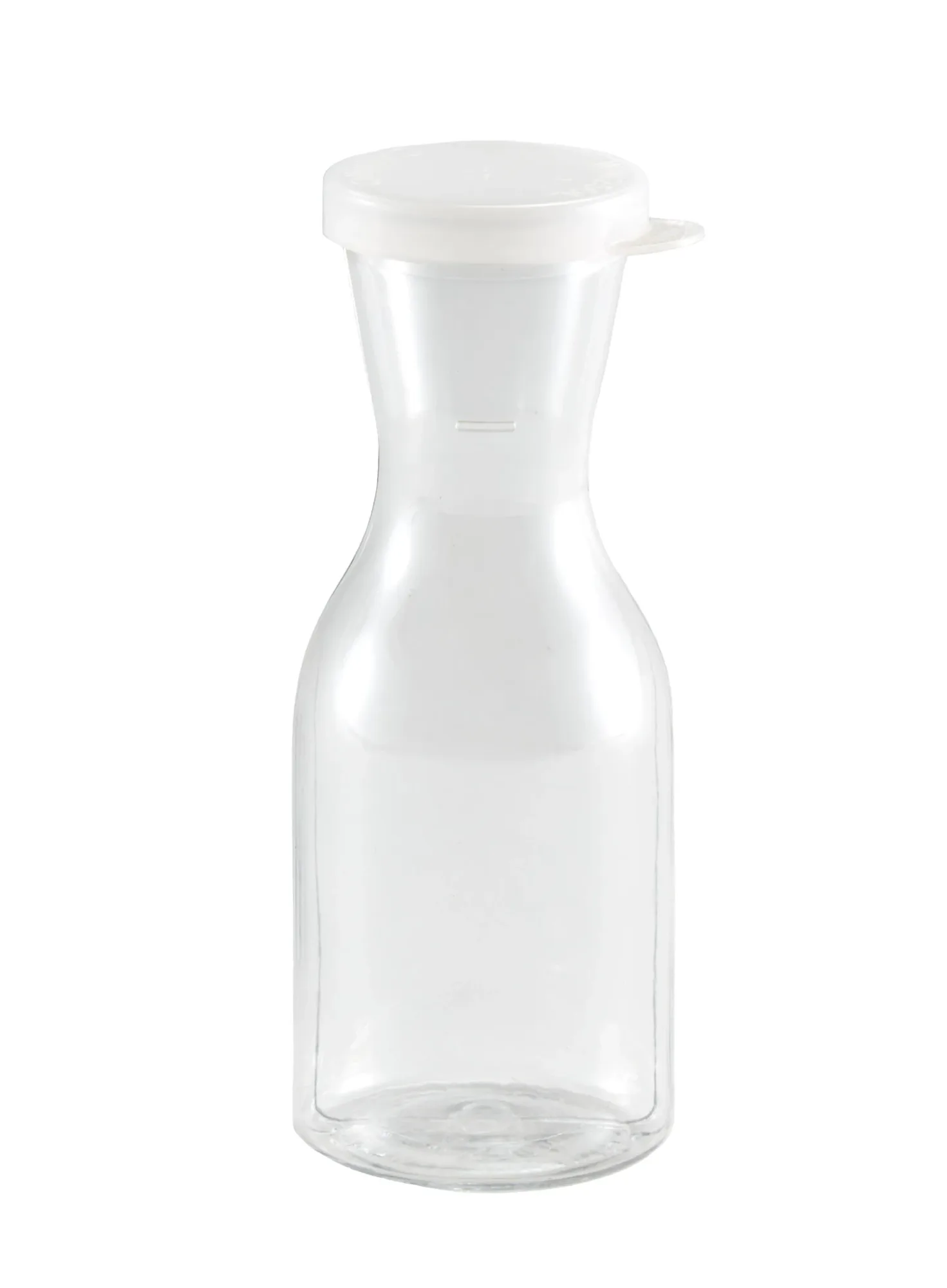
For example, using Camwear® Camliter® Beverage Decanters for liquids ensures that you can label and rotate beverages efficiently. Similarly, the Pro Cart Ultra® Pan Carriers allow you to transport labeled pans while maintaining temperature and organization. By integrating labeling with these products, you create a seamless workflow from prep to storage to service.
- Store containers with labels facing outward for easy visibility.
- Use clear containers to see contents at a glance.
- Match storage containers with appropriate lids to maintain freshness.
Best Practices for Label Maintenance
To keep your labeling system effective, regularly audit your storage areas. Check that labels are legible and intact, and remove any containers that have passed their use-by date. This not only ensures safety but also keeps your storage areas clean and uncluttered.
Additionally, encourage staff to report any labels that are missing or damaged. A quick replacement can prevent confusion and potential food safety issues. By making labeling a habit, you'll build a culture of accountability and quality in your kitchen.
- Conduct weekly label checks.
- Discard expired items promptly.
- Keep extra ID labels stocked in convenient locations.
Implementing a robust food rotation system with ID labels is a simple yet powerful way to enhance food safety, reduce waste, and streamline your kitchen operations. By choosing high-quality labels like Cambro's ID Labels and integrating them with proper storage solutions, you can ensure that your kitchen runs efficiently and meets all health standards. Start today by evaluating your current labeling practices and making improvements where needed.