Quick Answer
Yes, you can stir-fry on an induction cooktop. The key is using a flat-bottom carbon steel or cast iron wok, preheating properly, and choosing a model with precise temperature control to replicate the intense heat of a gas wok burner.
Why Induction Works for Stir-Fry
Induction cooktops heat the pan directly via magnetic fields, delivering fast, responsive power. For stir-fry, this means you can reach high temperatures quickly and maintain them without the lag of electric coils or gas. The trade-off is that traditional round-bottom woks wobble on a flat glass surface. A flat-bottom wok or a model like the Control Freak™ Home solves this by providing stable contact and even heat distribution.
Another common concern is heat control. Many induction cooktops cycle power on and off, causing temperature swings. High-end units with precise temperature holding, such as the Control Freak™ Home, avoid this by continuously measuring and adjusting the pan's temperature between 77°F and 482°F. This steady heat is ideal for searing proteins and keeping vegetables crisp.
Choosing the Right Pan for Induction Stir-Fry
Not all woks work on induction. The pan must be magnetic — test with a magnet on the base. Carbon steel and cast iron are excellent choices because they retain heat well and develop a natural non-stick seasoning. Avoid aluminum or copper woks unless they have a magnetic bottom layer.
A flat-bottom wok with a diameter of 12 to 14 inches gives you enough surface area for tossing ingredients. The base should sit flush on the cooktop to ensure efficient energy transfer. If you already own a round-bottom wok, consider a wok ring adapter designed for induction, though it may reduce heating efficiency.
Step-by-Step: Stir-Frying on an Induction Cooktop
- 1. Preheat your pan properly: Place your flat-bottom carbon steel or cast iron wok on the induction cooktop. Set the temperature to 400°F–450°F (about 200°C–230°C) and let the pan heat for 2–3 minutes. A drop of water should sizzle and evaporate instantly. Skipping preheat leads to uneven cooking and sticking. Wait until the pan is fully hot before adding oil.
- 2. Add oil and aromatics: Pour in a high-smoke-point oil (peanut, avocado, or grapeseed). Swirl to coat the surface, then add garlic, ginger, or chili. Cook for 15–20 seconds until fragrant. Do not overcrowd the pan at this stage — aromatics burn quickly if the oil is too hot or the pan is overloaded.
- 3. Sear proteins in a single layer: Add meat, tofu, or seafood in one even layer. Let it sear undisturbed for 30–60 seconds before stirring. This creates a browned crust. Flip and cook the other side. If you stir too early, the protein will steam instead of sear. Use a metal spatula to scrape up any browned bits for flavor.
- 4. Add vegetables by cook time: Start with dense vegetables like carrots or bell peppers, then add quick-cooking items like bok choy or scallions. Keep the temperature steady around 400°F. Adding all vegetables at once lowers the pan temperature and leads to soggy results. Add them in stages for the best texture.
- 5. Finish with sauce and toss: Push ingredients to the sides, pour sauce into the center, and let it bubble for 10–15 seconds. Toss everything together to coat evenly. Remove from heat immediately. Overcooking the sauce makes it clumpy. Stir-fry sauces should be added at the end and cooked just until they thicken.
Product Spotlight
-
the Control Freak™ Home: The Control Freak™ Home accurately measures, sets and holds any cooking temperature from 77°F - 482°F (25ºC- 250ºC). This means you can set a precise stir-fry temperature and trust it won't fluctuate, eliminating the guesswork of traditional burner control.
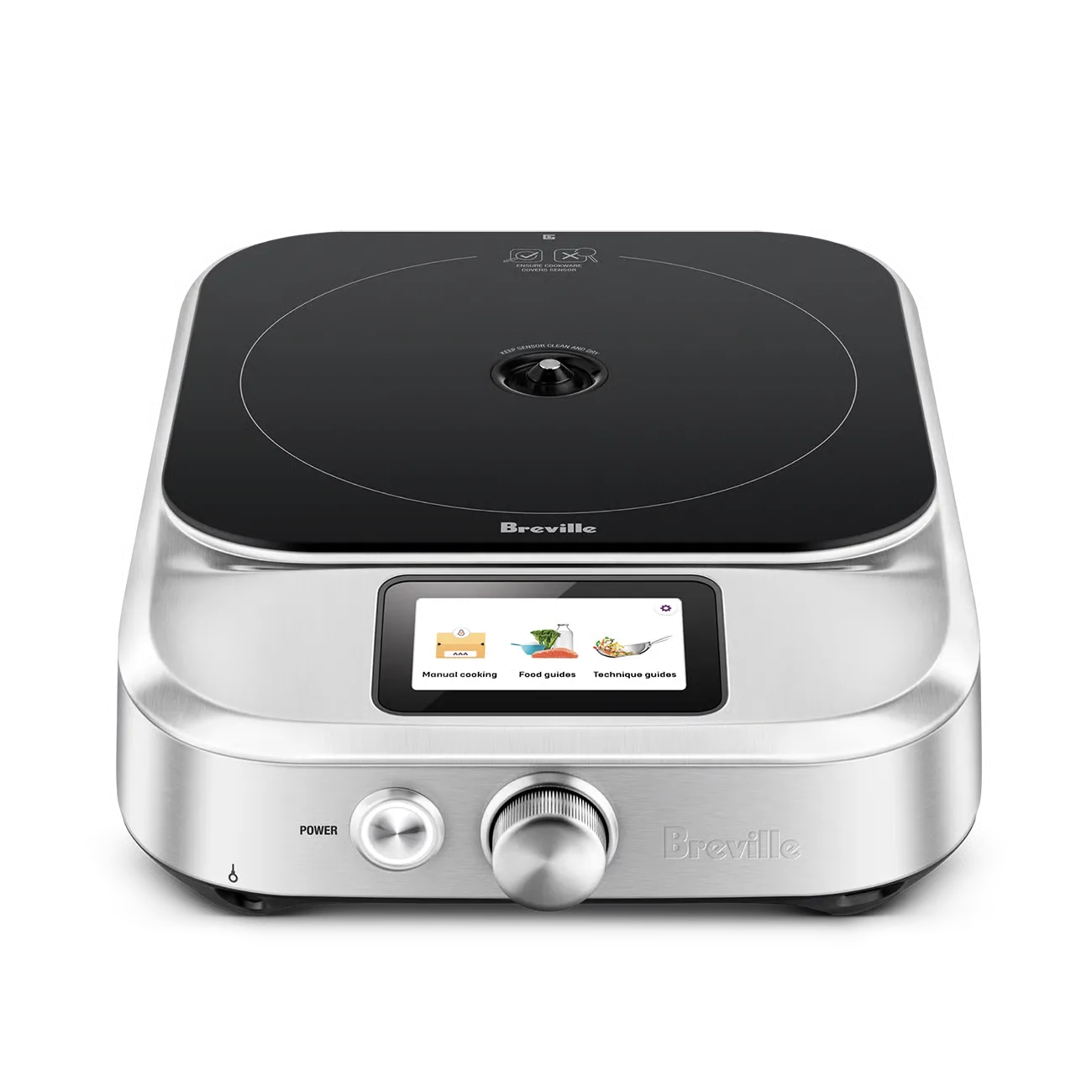
the Control Freak™ Home