Quick Answer
To keep loose leaf tea fresh, use a Japanese tea canister with its double-seal inner lid, store it in a cool, dark place, and avoid exposing it to moisture or strong odors.
Why a Japanese Tea Canister Works
Japanese tea canisters are designed with both aesthetics and function. The floral patterns add charm to your kitchen, but the real value lies in the inner plastic lid that creates a double seal. This helps protect your tea from air, which is one of the main culprits behind stale flavor.
Unlike clear glass jars or open tins, these canisters block light and minimize air exchange. This makes them a practical choice for everyday tea storage, especially if you drink loose leaf tea regularly and want to preserve its aroma and taste.
Trade-Offs to Keep in Mind
While a Japanese tea canister is great for short- to medium-term storage, it is not designed for long-term aging or vacuum sealing. If you plan to store tea for more than a few months, consider using a dedicated vacuum-sealed container or keep the tea in its original packaging inside the canister.
Also, the canister is not completely opaque if the design has lighter areas, so it's still best to store it in a cabinet away from direct sunlight. The double seal helps, but light and heat can still degrade tea quality over time.
Step-by-Step Storage Process
- Start with a Clean, Dry Canister: Before adding tea, make sure the canister is completely dry. Wipe it with a dry cloth and let it air out if you've just washed it. Any moisture can cause tea to absorb unwanted flavors or even mold. Checkpoint: If you see any condensation, dry the canister thoroughly before use.
- Fill with Fresh Loose Leaf Tea: Add your loose leaf tea to the canister, leaving a little headspace. Avoid overfilling, as that can make it hard to close the lid properly and may crush delicate leaves. Use a clean, dry scoop to avoid introducing moisture. Checkpoint: Ensure the tea is dry and free of any crumbs that could clog the seal.
- Seal the Inner Lid Firmly: Press the inner plastic lid down until it clicks or sits flush. This is the primary barrier against air. Then close the outer lid securely. A tight seal is essential for keeping tea fresh. Checkpoint: Test the seal by gently pressing the center – it should feel snug and not pop up easily.
- Store in a Cool, Dark Place: Place the canister in a cabinet or pantry away from heat sources like the stove or direct sunlight. Consistent temperature and low light help preserve tea's volatile oils and flavor. Checkpoint: Avoid storing near coffee, spices, or other strong-smelling items, as tea can absorb odors.
- Use Within a Few Months: For best flavor, use the tea within a few months of opening. The double seal slows oxidation, but it doesn't stop it. Write the tea type and date on a label if you have multiple canisters. Checkpoint: If you notice a dull aroma or flavor, it's time to replace the tea.
Recommended Canisters
-
Japanese Tea Canister - Japanese Floral: The Japanese Tea Canister - Japanese Floral features a captivating floral pattern and an inner plastic lid that provides a double seal to keep tea fresh by protecting it from air. This canister combines visual appeal with practical airtight storage, making it easy to keep your daily loose leaf tea fresh and within reach.
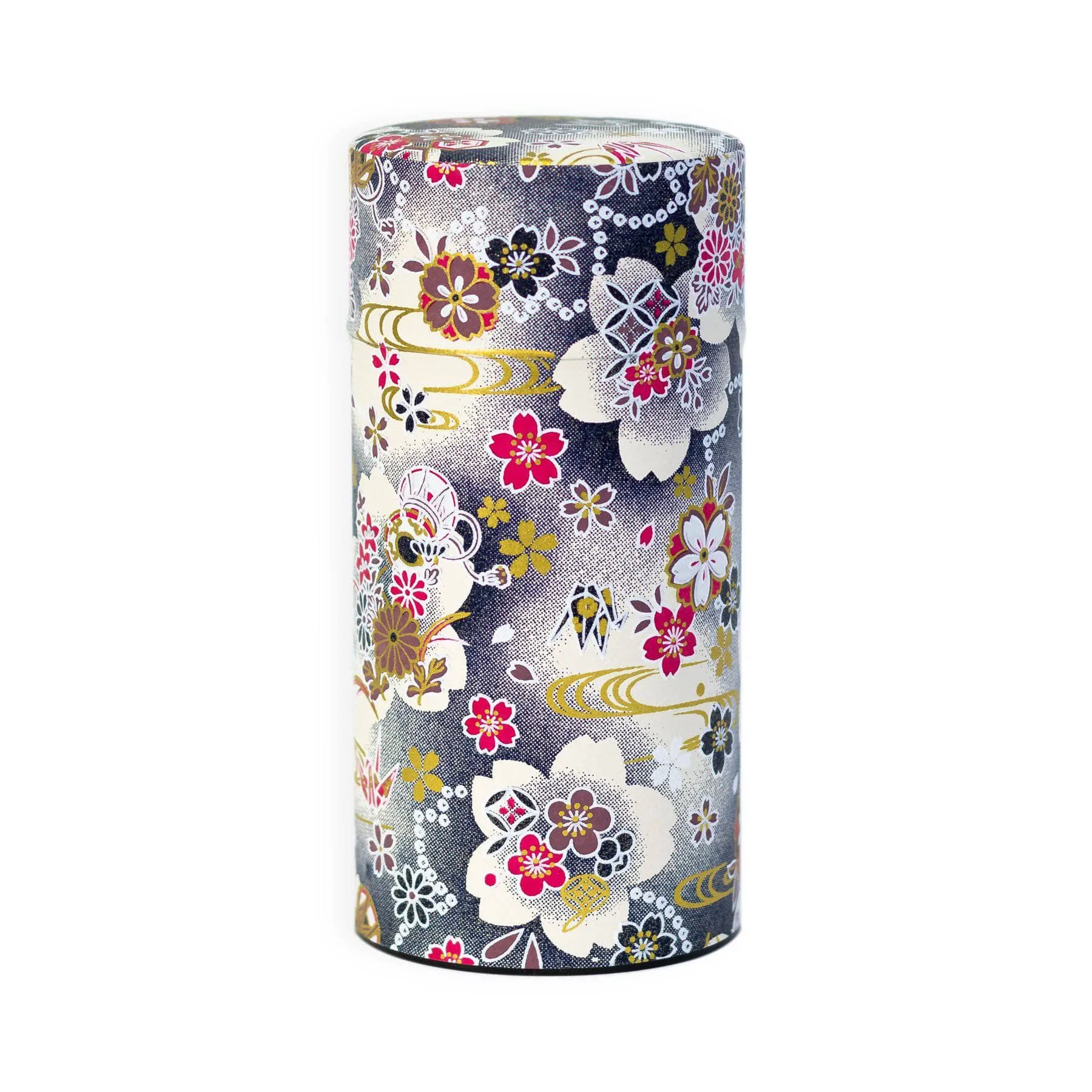
Japanese Tea Canister - Japanese Floral
-
Japanese Tea Canister - Ornamental Bloom: The Japanese Tea Canister - Ornamental Bloom has a striking black background with vibrant floral patterns and the same double-seal inner lid for freshness. The darker finish helps block more light, offering an extra layer of protection for light-sensitive teas like green tea.
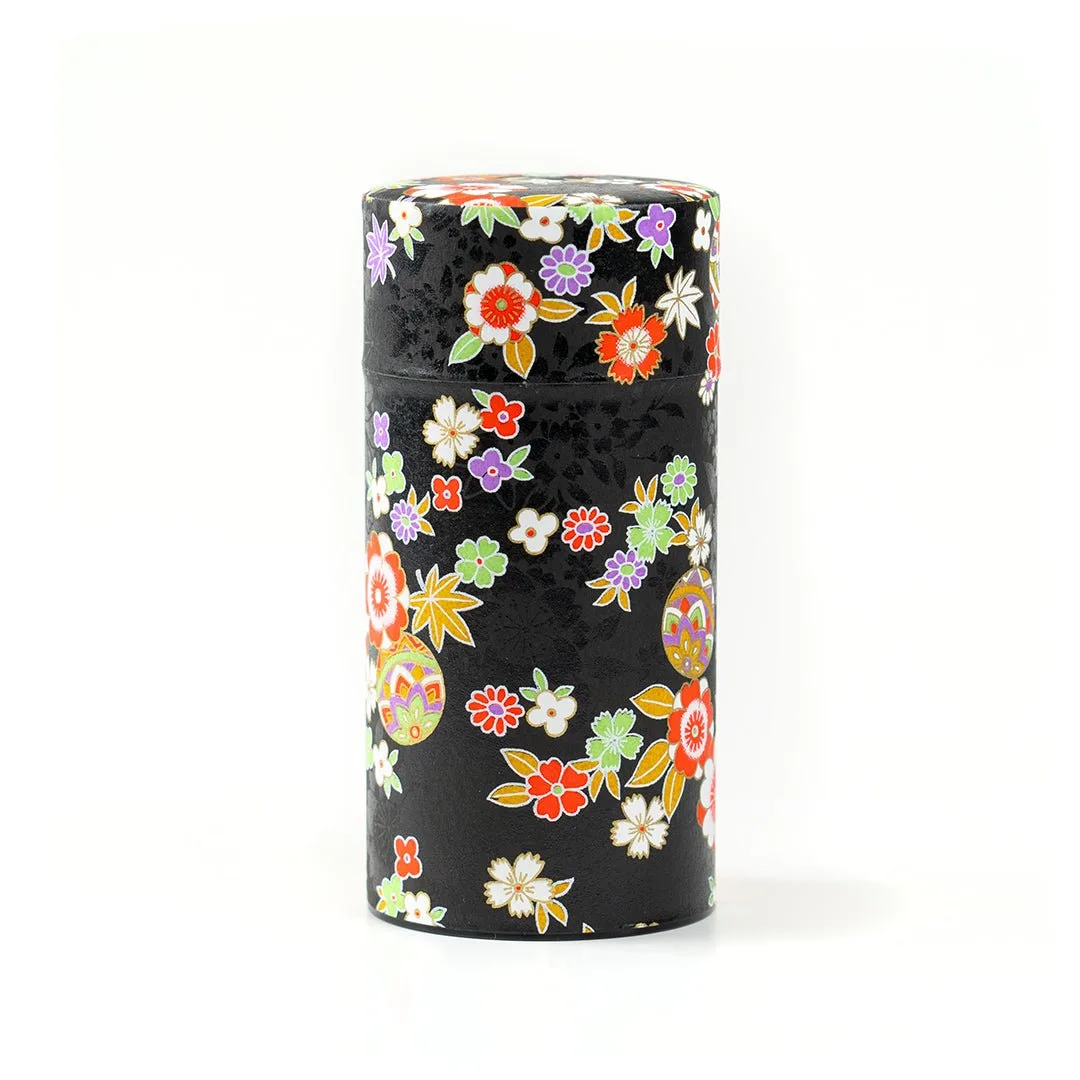
Japanese Tea Canister - Ornamental Bloom