You’ve invested in high-quality loose leaf tea, but are you storing it correctly? Proper storage is essential to preserve the delicate flavors, aromas, and beneficial compounds that make loose leaf tea special. Without the right containers and conditions, your tea can quickly lose its freshness, becoming stale and flat.
In this guide, we’ll explore the best practices for storing loose leaf tea, focusing on airtight containers, ideal storage conditions, and common mistakes to avoid. Whether you’re a casual drinker or a dedicated enthusiast, these tips will help you enjoy every cup at its peak.
Why Airtight Storage Matters for Loose Leaf Tea
Loose leaf tea is hygroscopic, meaning it readily absorbs moisture and odors from the environment. Exposure to air, light, heat, and humidity can accelerate the oxidation of tea leaves, leading to a loss of flavor, aroma, and nutritional value. Over time, improperly stored tea can develop off-flavors and become stale.
Airtight containers create a barrier against these elements, preserving the tea’s essential oils and keeping it fresh for longer. By minimizing oxygen exposure, you slow down the degradation process, ensuring that each brew tastes as vibrant as the day you bought it.
- Moisture can cause mold and spoilage, ruining the tea.
- Oxygen triggers oxidation, dulling the tea’s flavor.
- Light degrades chlorophyll and antioxidants, affecting color and taste.
- Strong odors can be absorbed by the leaves, altering their natural aroma.
Choosing the Right Airtight Containers
When selecting containers for loose leaf tea storage, the material matters. The best options are opaque, airtight, and made of materials that don’t impart flavors. Here are the most popular choices:
Glass jars with airtight seals are excellent because they are non-porous and don’t retain odors. However, they are not opaque, so they must be kept in a dark cupboard or use UV-protective glass. Alternatively, ceramic containers with tight-fitting lids are a classic choice, offering both darkness and insulation.
Stainless steel containers are another great option, especially for those who want durability and complete light protection. They are also easy to clean and won’t break if dropped. For maximum freshness, look for containers with a double-seal lid or a vacuum seal feature.
- Avoid clear glass unless stored in a dark place.
- Ensure the lid forms a tight seal to keep air out.
- Choose containers that are large enough to hold the tea without crushing the leaves.
- Consider the size: store tea in smaller batches to minimize air space.
Best Practices for Storing Loose Leaf Tea
Beyond using airtight containers, there are several other factors to consider for optimal tea storage. Here are the key best practices to follow:
Store tea away from direct sunlight, heat sources, and strong odors. A cool, dark, and dry place like a pantry or a cupboard is ideal. Avoid storing tea near the stove, oven, or coffee maker, as the heat and moisture can degrade the leaves.
Keep tea in its original packaging if it’s resealable, or transfer it to an airtight container. If you buy tea in bulk, divide it into smaller portions to minimize the air space in each container. This reduces the amount of oxygen that comes into contact with the leaves each time you open the container.
Always use a dry, clean spoon or scoop to handle tea leaves. Moisture from your hands or a wet spoon can introduce humidity and bacteria, leading to spoilage. Similarly, never store tea in the refrigerator or freezer unless it’s a specialized long-term storage method, as the moisture and odors can easily ruin the tea.
- Keep tea away from spices, coffee, and other strong-smelling foods.
- Use opaque, airtight containers to block light and air.
- Store in a cool, dark place with consistent temperature.
- Avoid frequent opening; only take out what you need.
- Label containers with the tea type and purchase date.
Common Mistakes to Avoid
Even with the best intentions, many tea drinkers make mistakes that compromise their tea’s freshness. Here are some common pitfalls to avoid:
One of the biggest mistakes is storing tea in clear glass jars on a sunny countertop. While they look pretty, the light quickly degrades the tea. Similarly, leaving tea in its original paper or plastic bag without an airtight seal allows air and moisture to seep in.
Another mistake is storing tea in the refrigerator. The humidity and odors from other foods can easily contaminate the tea, and the frequent temperature changes cause condensation inside the container. Unless you’re storing tea for years, it’s best to keep it at room temperature.
Finally, don’t buy more tea than you can consume within a few months. Loose leaf tea is best enjoyed fresh, and even with proper storage, it will gradually lose its vibrancy. Purchase smaller quantities more frequently to ensure you always have fresh tea on hand.
- Don’t store tea in clear containers on open shelves.
- Avoid using plastic bags that aren’t airtight.
- Never refrigerate or freeze tea.
- Don’t use a wet spoon to scoop tea.
- Avoid buying in bulk unless you have proper storage.
Tools to Enhance Your Tea Storage
While airtight containers are the foundation of tea storage, a few accessories can make the process even easier and more enjoyable. For example, a high-quality tea infuser is essential for brewing, but it also helps you portion out your tea leaves without touching them. The Stainless Steel Tea Infuser Ultra-Fine is perfect for this, as its fine mesh prevents small leaves from escaping and keeps your tea fresh.
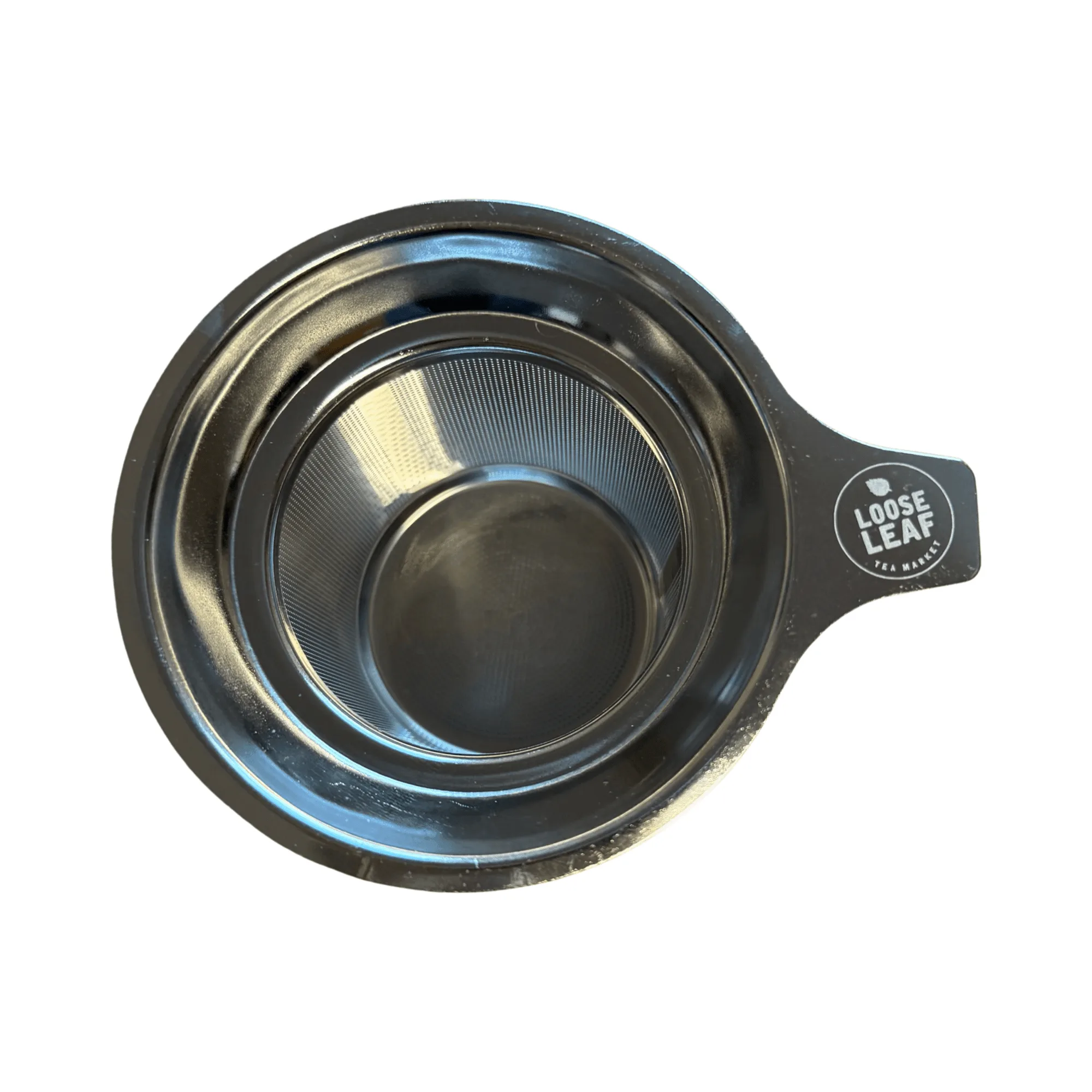
Stainless Steel Tea Infuser Ultra-Fine
Similarly, a beautiful teapot can inspire you to brew more often, encouraging you to rotate through your tea collection before it loses freshness. The Teabloom Kyoto Glass Teapot is not only functional but also a stunning piece that allows you to watch the leaves unfurl, making tea time a ritual. However, remember to store your teapot away from sunlight when not in use.
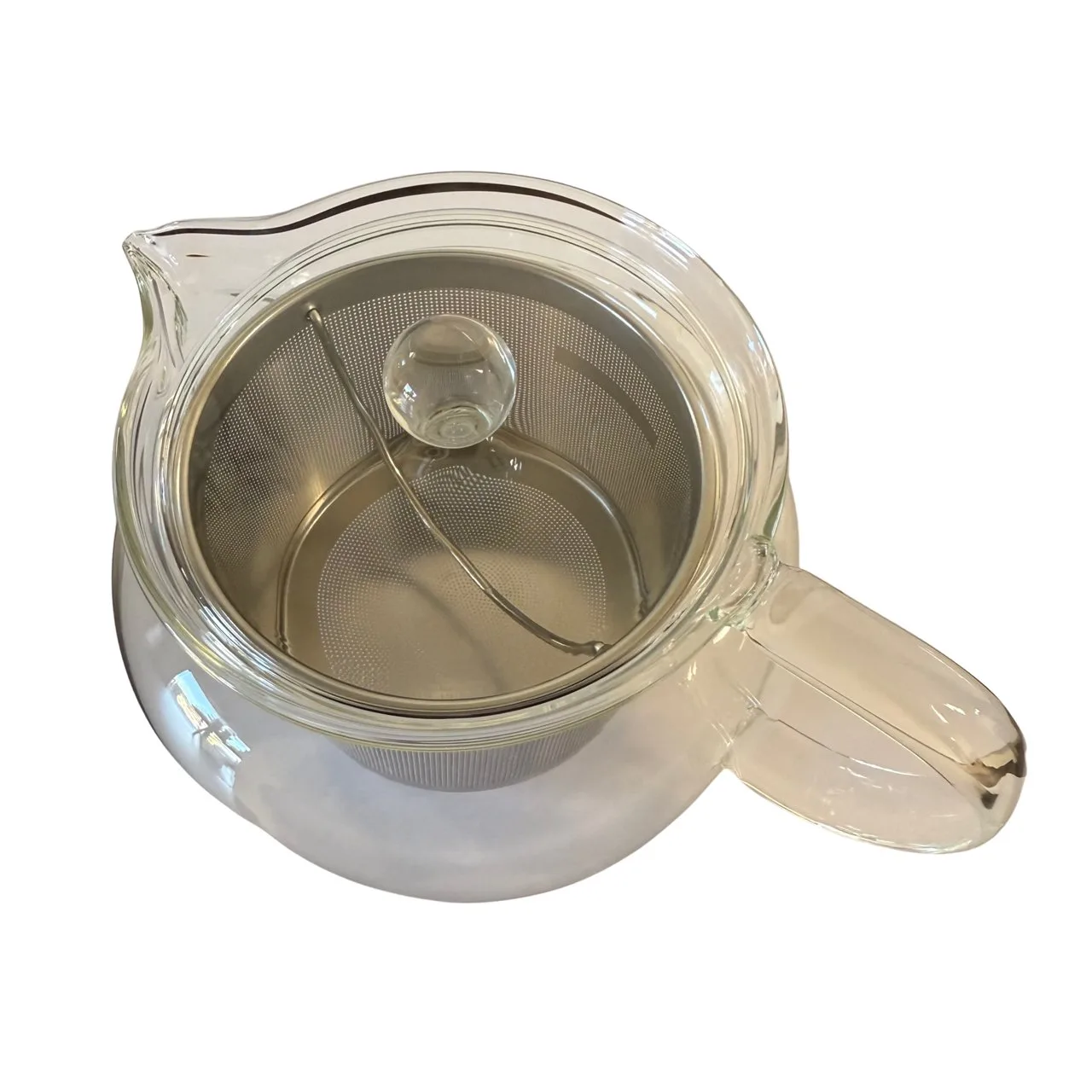
Teabloom Kyoto Glass Teapot
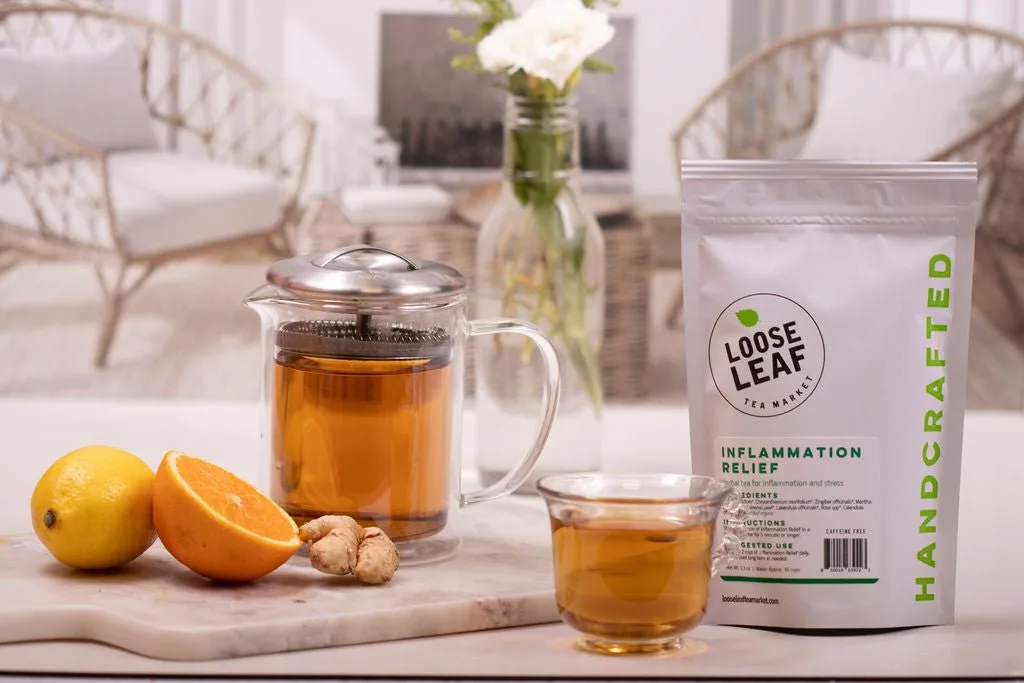
For those who enjoy herbal blends, proper storage is especially important. Herbal teas like the Inflammation Relief Herbal Tea contain delicate botanicals that can lose their potency quickly. Using airtight containers and following the best practices outlined here will help you get the most out of every cup.
- Use a tea infuser to measure and brew without touching the leaves.
- Invest in a teapot that you love to encourage regular brewing.
- Consider a dedicated tea storage container for each type of tea you own.
Storing loose leaf tea properly is simple once you know the key principles: use airtight, opaque containers, keep tea away from light, heat, moisture, and odors, and avoid common mistakes like refrigerating or overbuying. By following these best practices, you’ll preserve the freshness and flavor of your favorite teas, ensuring every cup is as delightful as the first. Explore our selection of premium loose leaf teas and accessories to elevate your tea experience.