Quick Answer
To teach daily living skills with picture cards, start by selecting cards that match your child's routine, then use them in a structured teaching sequence: introduce, model, practice, and reinforce. Pairing picture cards with real objects and consistent verbal cues helps children generalize skills to everyday situations.
Picture cards are a powerful visual tool for teaching daily living skills to children with autism and other developmental delays. They break down complex routines into clear, manageable steps, reducing anxiety and improving comprehension.
Whether you're working on dressing, hygiene, or household chores, a systematic approach using picture cards can make learning more concrete and effective. This guide walks you through a practical step-by-step method, with tips to avoid common pitfalls.
Why Picture Cards Work for Teaching Life Skills
Children with autism often process visual information more easily than verbal instructions. Picture cards provide a static, repeatable cue that doesn't disappear after speaking, allowing the child to reference it at their own pace. This reduces the cognitive load of remembering multi-step directions.
Using picture cards also supports language development by pairing images with words. When you label each card consistently, you're building vocabulary and comprehension. For non-verbal or minimally verbal children, picture cards can serve as a communication tool to express needs and choices.
- Choose cards with clear, realistic images that match your child's environment.
- Start with a single skill and break it into small steps.
Selecting the Right Picture Cards
Not all picture cards are created equal. Look for sets that feature bright, current photographs rather than drawings, as they are easier for children to generalize to real objects. The Lang-O-Learn Clothing Cards, for example, offer 20 real-image cards labeled in 17 languages, making them versatile for teaching dressing skills and vocabulary.
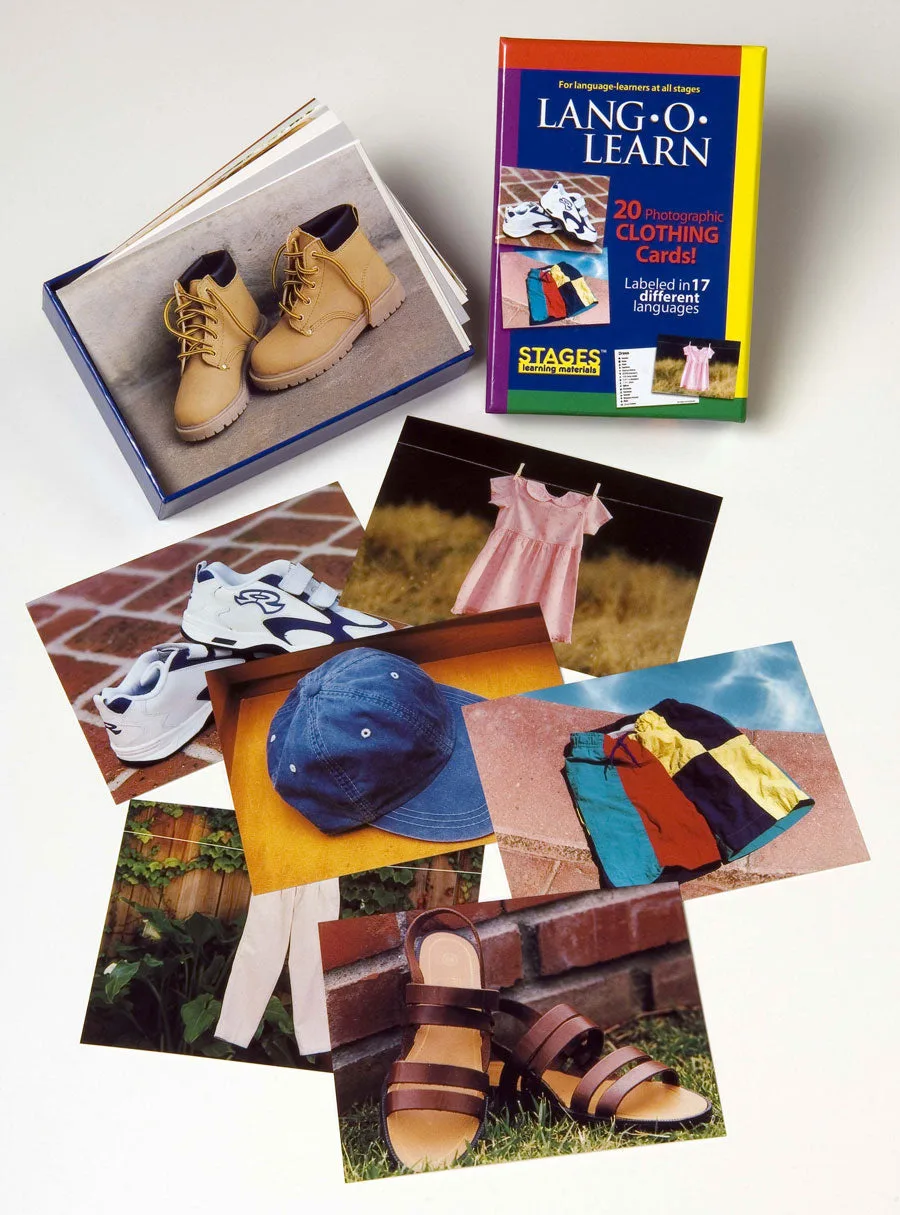
Lang-O-Learn Clothing Cards
If you're targeting specific life skills like cooking or cleaning, choose cards that depict those actions. However, you can also use everyday object cards to create sequences. For instance, clothing cards can be arranged to show the order of getting dressed.
- Ensure the cards are durable and easy to handle for small hands.
- Consider cards with bilingual labels if your child is exposed to multiple languages.
Setting Up a Structured Teaching Session
Create a distraction-free environment and gather all materials: the picture cards, the actual items they represent, and any reinforcers. Sit facing your child and hold up the first card, saying the word clearly. Then, model the action using the real object. For example, show the 'shirt' card and then hold up a shirt.
Next, prompt your child to imitate. Use hand-over-hand guidance if needed, gradually fading your support. After each correct response, provide specific praise and a small reward. Keep sessions short—5 to 10 minutes—to maintain attention.
- Use a visual schedule to show the sequence of the session.
- End on a positive note to build confidence.
Step-by-Step Teaching Process
- Step 1: Choose a Target Skill: Identify one daily living skill your child needs to learn, such as washing hands or getting dressed. Break it down into 3-5 small steps. Checkpoint: Is the skill observable and measurable? If not, redefine it.
- Step 2: Gather Picture Cards and Real Items: Select picture cards that correspond to each step. If you don't have exact cards, use generic ones like clothing cards to represent items. Collect the real objects needed for the activity. Checkpoint: Ensure the cards are clear and the items are accessible. Avoid clutter.
- Step 3: Introduce the Cards Sequentially: Show the first card and name it. Place it on a table or board. Repeat for each step, building a left-to-right sequence. Use consistent language and point to each card as you review. Checkpoint: Does your child look at the cards? If not, make them more interesting by using a favorite character or adding movement.
- Step 4: Model the Skill with the Cards: Perform the skill yourself while referencing the cards. For example, with clothing cards, pick up a shirt card, then pick up a real shirt and put it on, saying 'shirt on.' Checkpoint: Did you use the same words as the card label? Consistency is key.
- Step 5: Practice with Guided Support: Invite your child to perform the skill, using the cards as prompts. Offer hand-over-hand assistance if needed, then gradually reduce help. Provide specific praise for each step. Checkpoint: Watch for frustration. If your child struggles, go back a step and practice more.
- Step 6: Reinforce and Generalize: After your child can perform the skill with the cards, practice in different settings (e.g., bathroom, bedroom) and with different items. Use the cards less frequently, but keep them available for reference. Checkpoint: Can your child do the skill without the cards? If not, continue to fade prompts slowly.
Tools to Support Your Teaching
- Lang-O-Learn Clothing Cards: Each Lang-O-Learn Flash Card features bright, colorful, and current photographic images for teaching basic language skills. This clothing set contains 20 Clothing Cards labeled on the reverse in 17 common languages. Realistic images help children generalize the concept of clothing to their own wardrobe, and the multilingual labels support language development in diverse households.
- Toobaloo: The Toobaloo is a phone-like device that allows children to hear themselves clearly while speaking softly into it. The design magnifies their voice allowing them to hear their sounds and words distinctly. When practicing naming cards, the Toobaloo provides auditory feedback, reinforcing the connection between the picture, the word, and the child's own speech.
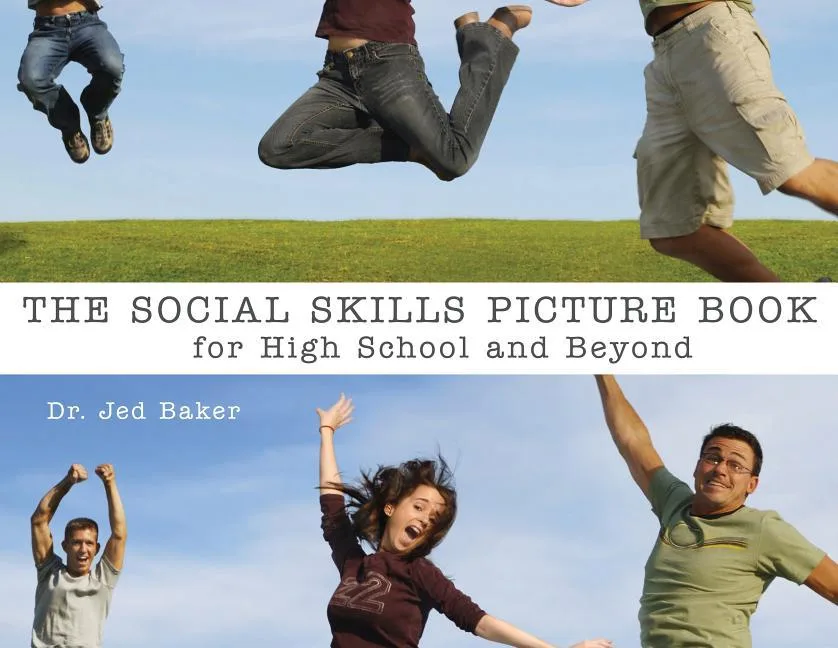
- Social Skills Picture Book For High School and Beyond by Jed Baker: This picture book appeals to the visual strengths of students on the autism spectrum, with color photos of students demonstrating various social skills in the correct (and sometimes incorrect) way. For older learners, this book offers a bridge from basic picture cards to nuanced social situations, making it a valuable next step after mastering daily living routines.
Teaching daily living skills with language builder picture cards is a patient, visual process that builds independence and confidence. By following a structured routine and using the right tools, you can help your child master essential life skills. Remember to celebrate small successes and adjust your approach to your child's unique needs.