Quick answer
To use a lightstick in a power outage, bend the stick until you hear a crack, shake it to mix the chemicals, and place it in a visible location. It will provide up to 30 hours of light. Always follow safety guidelines and check the expiration date before relying on it.
Why a lightstick belongs in your emergency lighting kit
A lightstick is a reliable, flameless light source that works when batteries fail or when you need to avoid open flames. Unlike candles or lanterns, lightsticks are safe to use indoors and can be placed near children without burn risk. They are also weatherproof and non-toxic, making them suitable for both home and outdoor emergencies. For a comprehensive emergency lighting plan, combine lightsticks with flashlights and headlamps, but keep lightsticks as a backup that doesn't depend on batteries or fuel.
How to activate a lightstick correctly
Activating a lightstick is simple, but doing it right ensures full brightness and longevity. Hold the stick firmly and bend it until you hear a distinct crack, which breaks the inner glass vial and mixes the two chemicals. Then shake it gently to distribute the mixture. Avoid over-bending, which can damage the outer plastic and cause leaks. Once activated, the lightstick will start glowing immediately and typically lasts up to 30 hours, though brightness will diminish over time.
Safety precautions for chemical light sticks
Lightsticks are generally safe, but the chemicals inside can be irritating if the stick is punctured or cut. Do not open, cut, or puncture a lightstick. If the liquid contacts your skin, wash with soap and water; if it gets in your eyes, rinse thoroughly and seek medical attention. Keep lightsticks away from pets and small children who might chew on them. Also, check for any warning labels, such as the California Proposition 65 warning on some products, and follow the manufacturer's instructions.
Maximizing light output and placement
To get the most light from your lightstick, place it in a central location and elevate it if possible. You can hang it from a ceiling fixture or place it on a table to spread light more evenly. For signaling, wave the lightstick in a sweeping motion. If you need to illuminate a specific area, such as a stairway, attach the lightstick to a lanyard and hang it nearby. Remember that lightsticks are not designed to light a whole room brightly; they provide ambient light for safety and navigation.
Shelf life and storage tips
Lightsticks have a limited shelf life, typically around 2 to 4 years from the date of manufacture. Store them in a cool, dark place to preserve their potency. Check the expiration date before relying on them in an emergency. If the lightstick is past its expiration date, it may still work but with reduced brightness or duration. Rotate your emergency lighting kit regularly to ensure you have fresh supplies. Consider keeping a few lightsticks in your home, car, and bug-out bag.
Step-by-step: Using a lightstick in an emergency
- Activate the lightstick: Bend the stick until you hear a crack, then shake to mix chemicals. Avoid over-bending to prevent leaks. Checkpoint: Listen for the crack and ensure the glow starts immediately.
- Place it strategically: Put the lightstick in a central, elevated spot to maximize light distribution. Hang it or place it on a table. Checkpoint: Avoid placing it near flammable materials or in direct sunlight, which can degrade the glow.
- Use for signaling if needed: Wave the lightstick in a sweeping motion to attract attention. Use it to mark hazards or guide others. Checkpoint: Keep a spare lightstick for signaling, as brightness fades over time.
- Dispose of properly after use: Once the light fades, dispose of the lightstick in regular trash. Do not puncture or burn it. Checkpoint: Follow local regulations for chemical waste if required.
Product facts
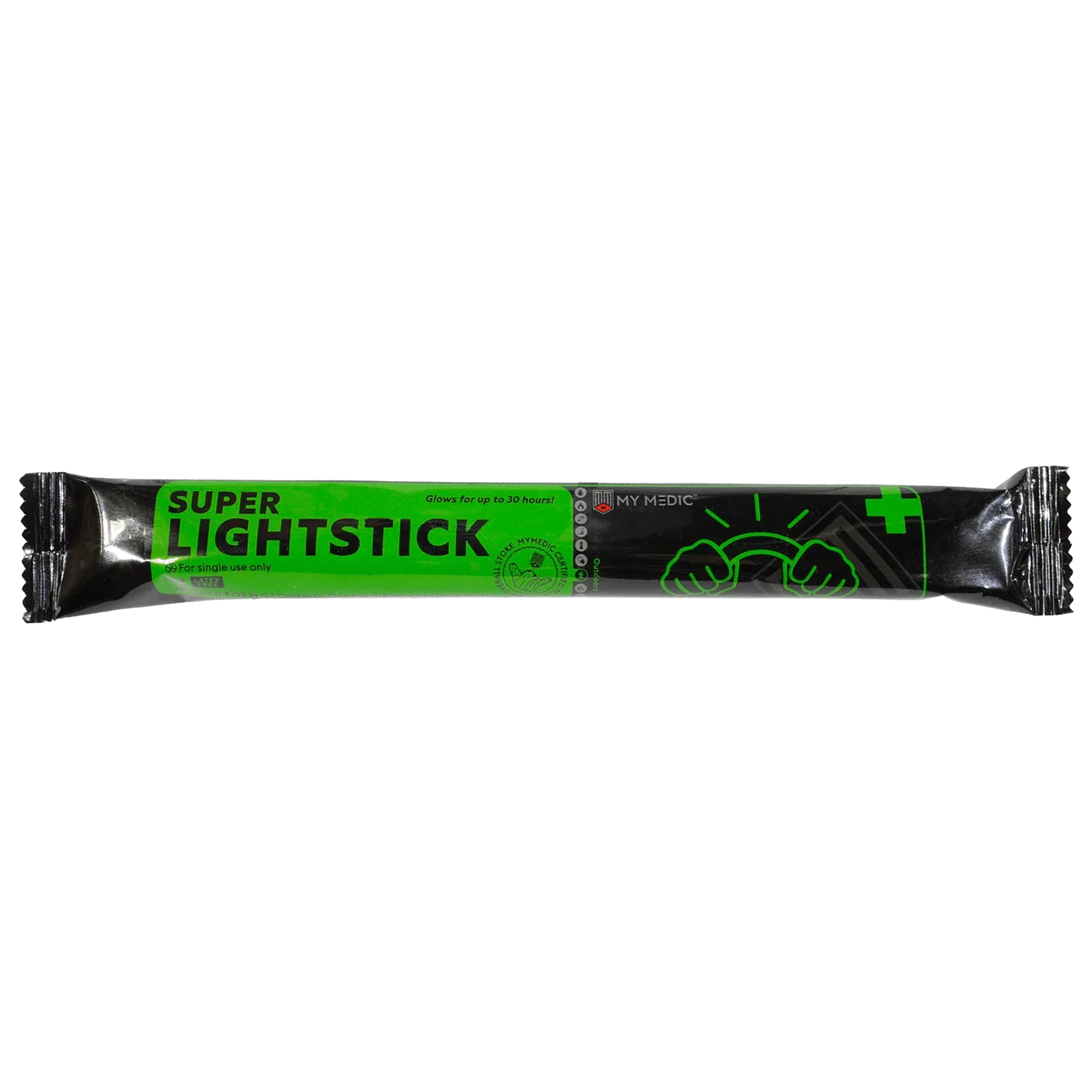
- Lightstick: Glow in the dark lightstick, great for emergency situations. Provides up to 30 hours of light! Single use only. Non-toxic. Latex free. Non-flammable and weatherproof. This lightstick is safe for indoor use, works in wet conditions, and provides long-lasting light for power outages.