If you’ve been tossing and turning at night, you’re not alone. Millions of people struggle to fall asleep or stay asleep, and many are turning to natural supplements for relief. One mineral that stands out for its sleep-promoting properties is magnesium. But with so many forms and dosages available, it can be confusing to know how to use it effectively. This step-by-step guide will walk you through everything you need to know about using magnesium for better sleep.
Magnesium is an essential mineral involved in over 300 biochemical reactions in the body, including those that regulate the nervous system and muscle relaxation. Studies suggest that magnesium can improve sleep quality by activating the parasympathetic nervous system, which helps you calm down and prepare for rest. It also regulates melatonin, the hormone that controls your sleep-wake cycle, and binds to GABA receptors, promoting relaxation. Let’s dive into how you can harness these benefits.
Step 1: Choose the Right Form of Magnesium
Not all magnesium supplements are created equal. The form you choose affects absorption and how well it crosses the blood-brain barrier. For sleep, the most effective forms are those that are easily absorbed and have a calming effect on the brain. Magnesium glycinate, for example, is bound to the amino acid glycine, which itself has calming properties. It’s known for being gentle on the stomach and highly bioavailable.
Other good options include magnesium citrate, which is well-absorbed but can have a laxative effect in high doses, and magnesium malate, which is more energizing and better for daytime use. For sleep, you'll want to avoid forms like magnesium oxide, which has poor absorption and may cause digestive upset. Look for supplements that specifically mention sleep support, such as those that combine magnesium with other calming ingredients like ashwagandha or inositol.
- Magnesium glycinate is often considered the best magnesium for sleep due to its calming effects and high absorption.
- Avoid magnesium oxide if you're looking for sleep benefits; it's less bioavailable and more likely to cause digestive issues.
Step 2: Determine the Right Dosage
The recommended dietary allowance (RDA) for magnesium is around 310-420 mg per day for adults, depending on age and sex. However, for sleep support, many people find that a dose of 200-400 mg taken in the evening works well. It's important to start with a lower dose and gradually increase it to find what works best for you, as individual needs vary.
If you're already getting magnesium from your diet (think leafy greens, nuts, seeds, and whole grains), you might need a lower supplement dose. Always consult with a healthcare provider before starting any new supplement, especially if you have underlying health conditions or are taking medications. For reference, a product like the Calcium, Magnesium, Vitamin D, and Zinc Tablets provides a balanced blend that includes magnesium, which can be a convenient way to cover multiple nutrient needs.

Calcium, Magnesium, Vitamin D, and Zinc Tablets
- Start with 200 mg of magnesium per night and increase by 50 mg every few days if needed, up to 400 mg.
- Split your dose if you experience digestive discomfort; take half in the afternoon and half before bed.
Step 3: Time Your Supplement Correctly
Timing is crucial when using magnesium for sleep. For best results, take your magnesium supplement about 1-2 hours before bedtime. This gives your body enough time to absorb it and start promoting relaxation. Taking it too early might not produce the calming effect when you need it, and taking it too late could lead to frequent nighttime awakenings if it has a diuretic effect.
Consistency is also key. Incorporate magnesium into your nightly routine, perhaps alongside other relaxing activities like reading or gentle stretching. Over time, your body will begin to associate the supplement with sleep, making it even more effective. If you're using a product like the Magnesium Glycinate Beadlets, which are designed for easy absorption, you can take them with a glass of water or your favorite bedtime tea.

Magnesium Glycinate Beadlets
- Set a nightly reminder to take your magnesium at the same time each evening.
- Pair your supplement with a warm bath or meditation to enhance the relaxation response.
Step 4: Combine with Other Sleep-Promoting Habits
While magnesium can be a powerful tool, it works best when combined with good sleep hygiene. Create a dark, cool, and quiet sleep environment, limit screen time before bed, and avoid caffeine and heavy meals in the evening. These habits help signal to your body that it's time to wind down, and magnesium can amplify that signal.
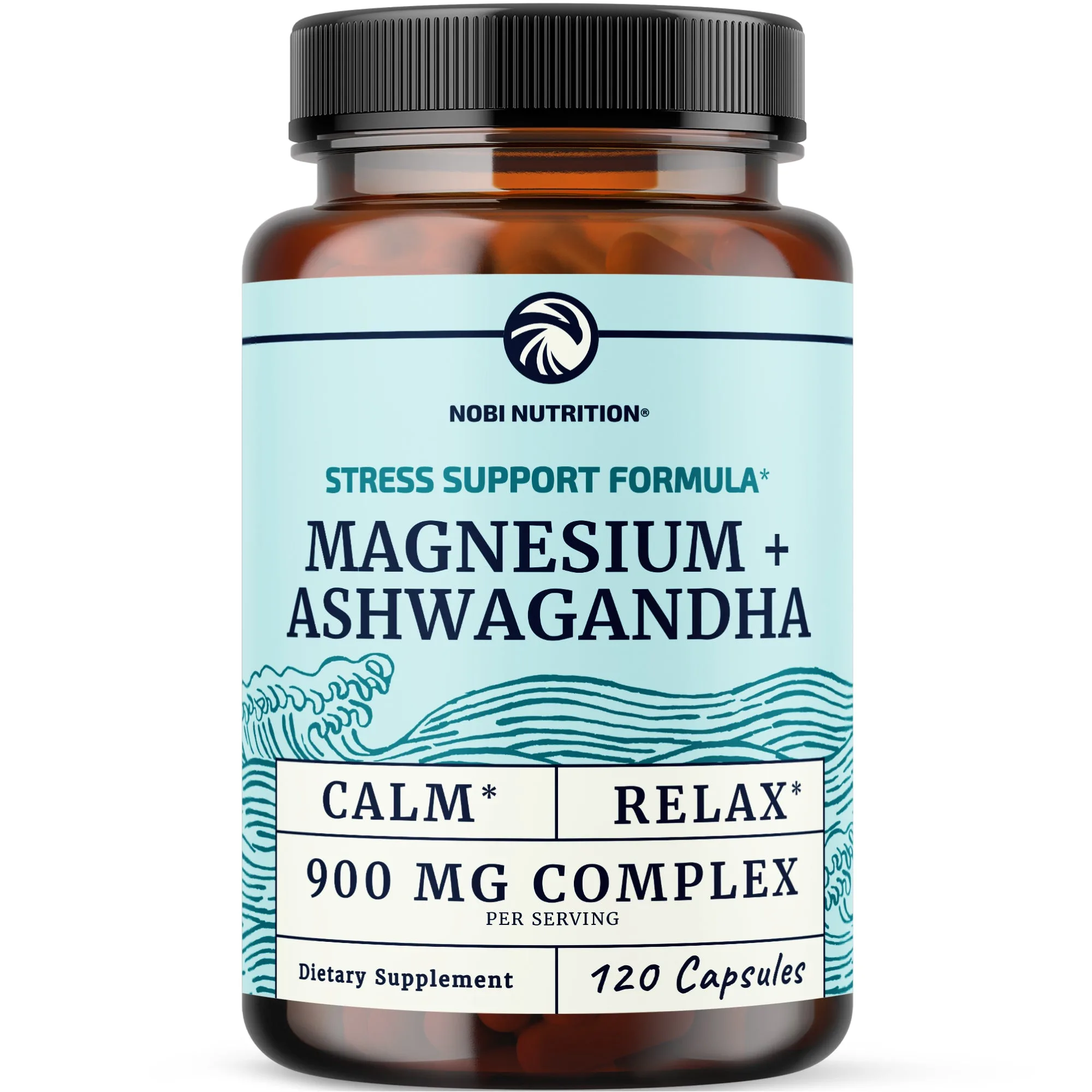
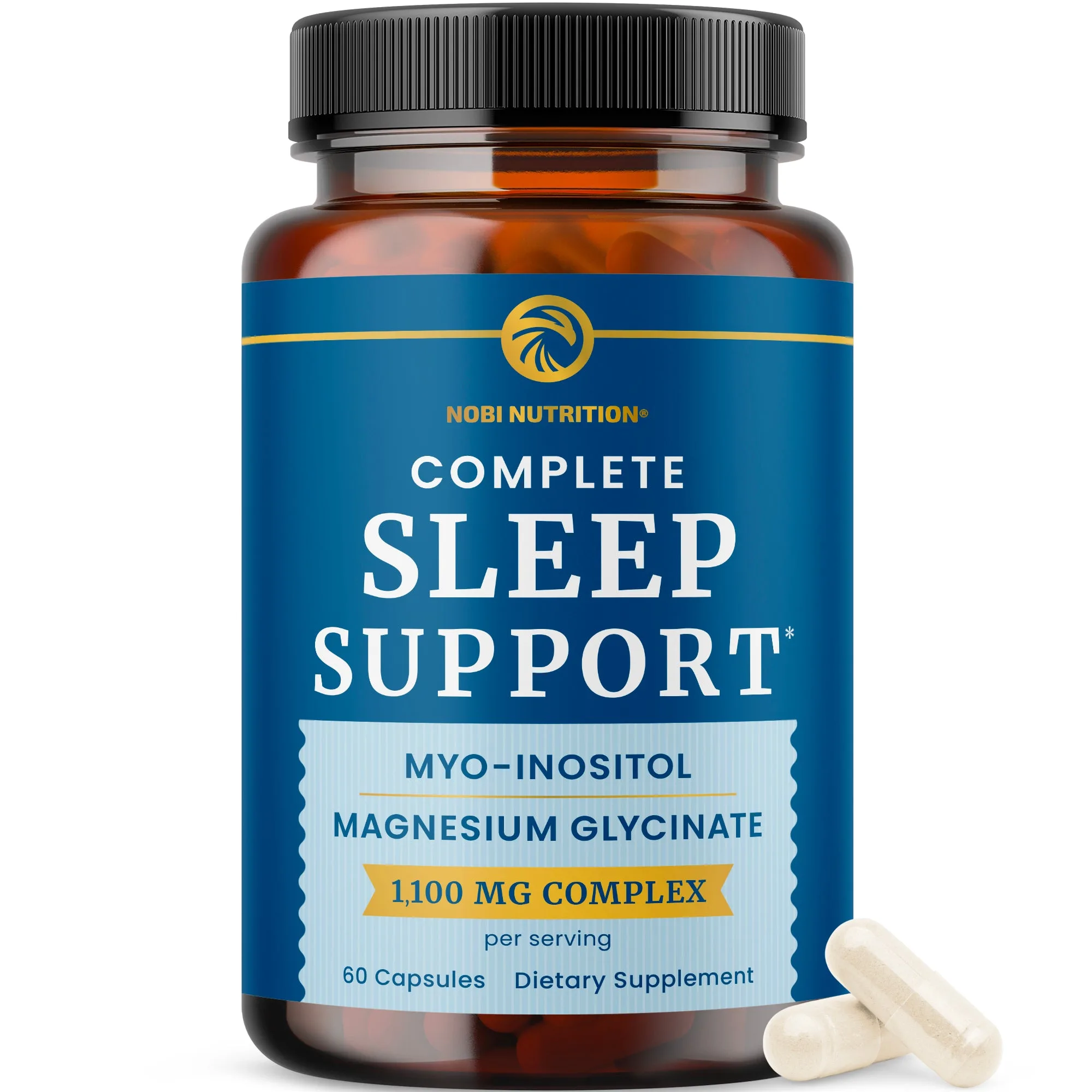
You might also consider combining magnesium with other supplements that support sleep. For example, the Myo-Inositol Sleep Capsules combine inositol with other calming ingredients, which can work synergistically with magnesium. Similarly, Magnesium + Ashwagandha Capsules pair magnesium with an adaptogen that reduces stress, addressing a common root cause of sleep issues.
- Try a relaxing bedtime routine that includes magnesium, such as a warm shower, light stretching, and a cup of chamomile tea.
- Keep your bedroom temperature between 60-67°F (15-19°C) for optimal sleep.
Step 5: Monitor Your Progress and Adjust
Everyone responds differently to supplements, so it's important to track your sleep quality and adjust your approach accordingly. Keep a sleep diary for a few weeks, noting how long it takes you to fall asleep, how many times you wake up, and how rested you feel in the morning. This data can help you fine-tune your dosage and timing.
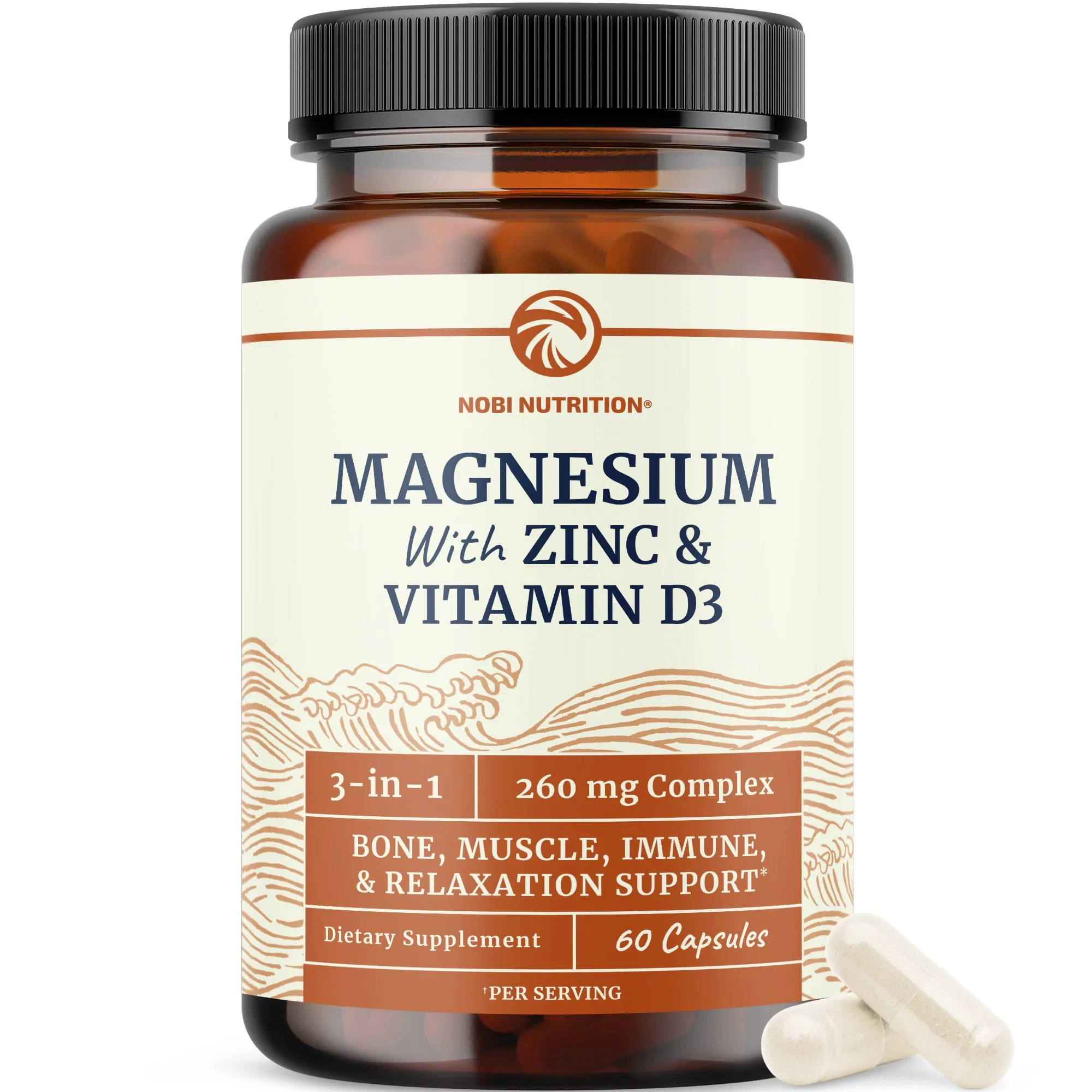
If you don't notice improvements after 2-4 weeks, consider trying a different form of magnesium. For instance, if you've been using capsules, you might try a Magnesium Lotion Cream, which is absorbed through the skin and can be applied directly before bed. Some people find that topical application works faster and bypasses any digestive issues. Alternatively, you could try a combination product like the Magnesium, Zinc, and D3 Capsules, which includes zinc and vitamin D to support overall health and sleep.
- Use a sleep tracking app or wearable device to get objective data on your sleep patterns.
- If you experience vivid dreams or grogginess, reduce your dose slightly.
Magnesium is a safe and effective natural sleep aid when used correctly. By choosing the right form, finding the optimal dosage, and timing your supplement properly, you can significantly improve your sleep quality. Remember to pair it with healthy sleep habits and give it time to work. If you're ready to start your journey to better sleep, explore our range of magnesium supplements and find the perfect fit for your needs.